Mykolas Romeris University (MRU) has been strengthening its position for several years as an international, socially oriented university in both Europe and Lithuania. The Faculty of Public Governance and Business stands out for its interdisciplinary approach – politics, management and governance, and technology are integrated into a unified decision-making system.
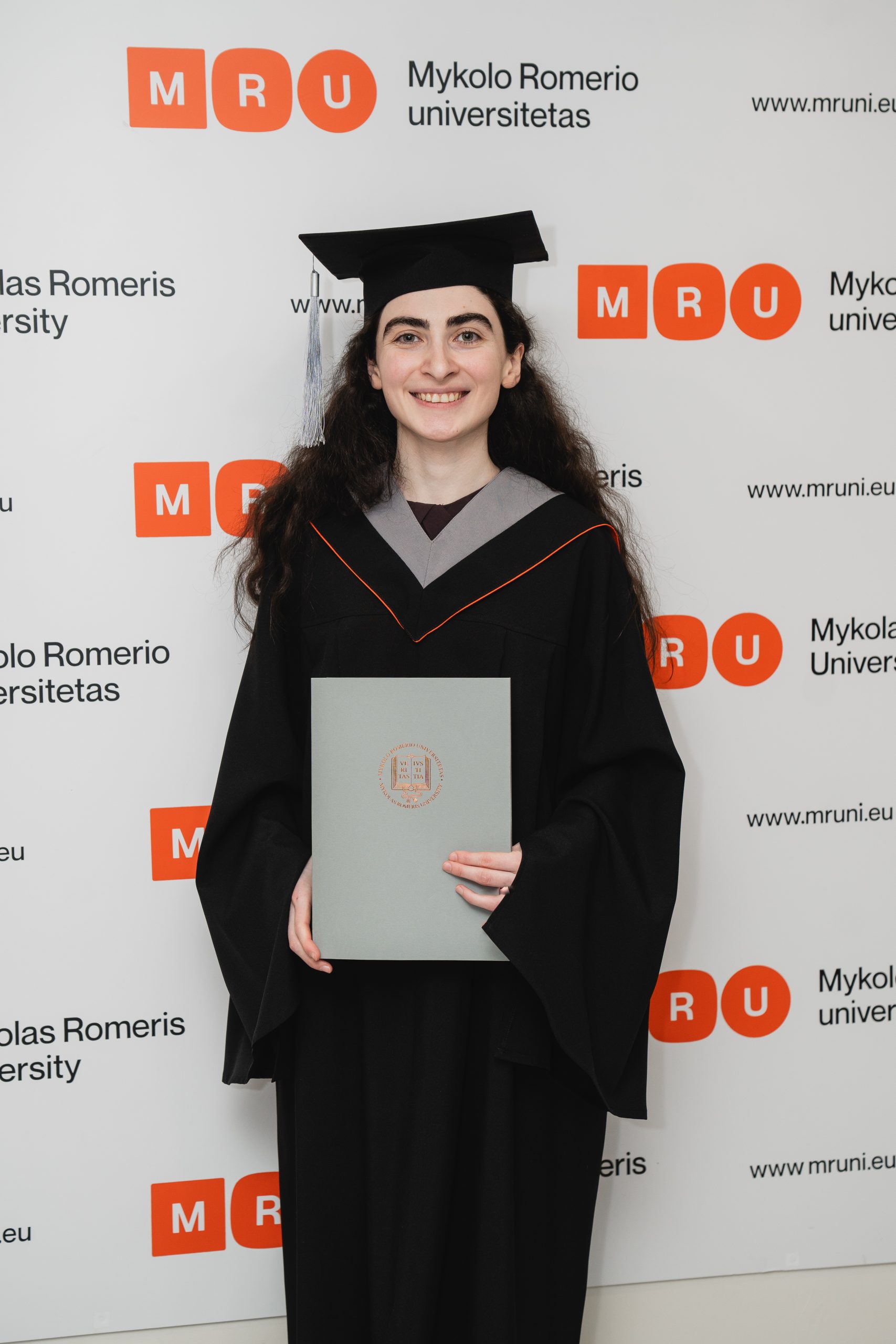
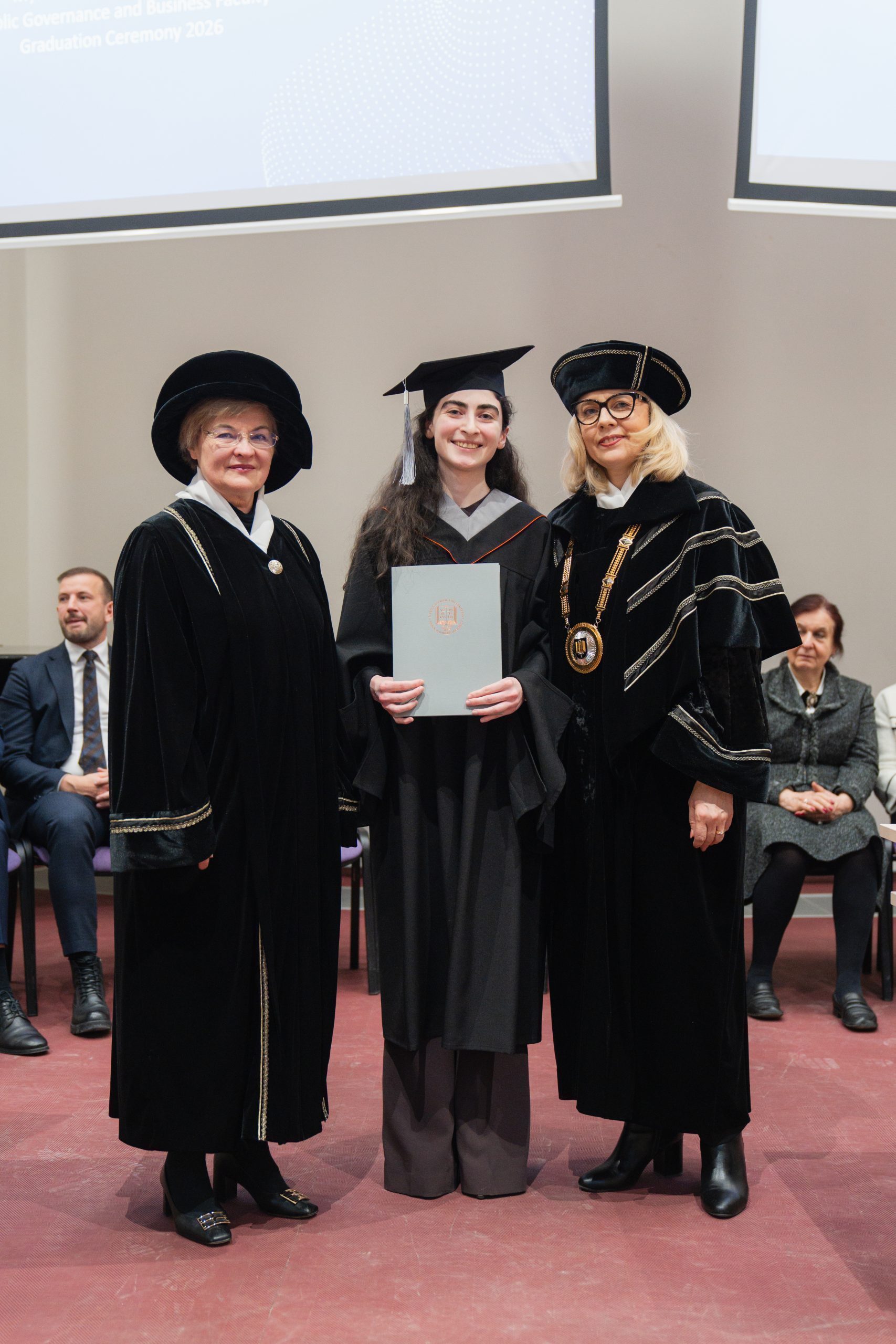
One of the master’s study programmes offered by this faculty is Cybersecurity Management, where cybersecurity is examined not only as a technical issue, but also as a strategic, regulatory, and organizational responsibility. One of the students in this programme is Mzia Abzhandadze from Georgia.
A Purposeful Decision to Study Abroad
Before arriving in Lithuania, Mzia had already built a strong academic and professional foundation. She completed her bachelor’s degree in Economics at ISET University (Georgia) in 2022 and worked for three years as a Data Analyst in the Risk Department of a bank, where she focused on data-driven decision-making and quantitative risk assessment.
Her interest in analytical disciplines began even earlier. Mzia graduated with honors from a specialized physics and mathematics high school, participated in national mathematics olympiads, and represented Georgia at the European Girls’ Mathematical Olympiad.
Studying abroad was not a spontaneous choice.
“It was a well-considered plan. I was looking for a field that would combine rigorous analytical thinking, structured problem-solving, and real-world impact. Cybersecurity turned out to be exactly the area that aligns strongly with my long-term professional goals,” she explains.
Why Lithuania and MRU?
Lithuania and Mykolas Romeris University came into Mzia’s focus during her targeted search for programs that approach cybersecurity beyond purely technological aspects.
“I was looking for a program that views cybersecurity as a governance, policy, and regulatory challenge. I was convinced by the balanced study structure – the combination of law, management, and technology – as well as by the academic reputation of the lecturers and their involvement in real policy-making processes,” the student says.
According to her, Lithuania stands out as a country where cybersecurity is a clear national priority, both politically and academically. This naturally aligned with her professional aspirations.
Cybersecurity – More Than Technology
When choosing the Cybersecurity Management program, Mzia was guided not only by the growing global demand for specialists.
“Global demand strengthened my decision, but it was not the main reason. What mattered most to me was developing a way of thinking – understanding cybersecurity through the lens of analysis, governance, and responsibility. This perspective remains valuable even as technologies change rapidly,” she notes.
During her studies, analyzing regulations such as the NIS2 Directive, the Cybersecurity Act, and the GDPR helped her understand cybersecurity as a strategic and organizational responsibility. The program consistently connects theory with practical solutions – reflecting how institutions and organizations operate in reality.
Academic Environment and International Experiences
According to Mzia, the academic environment at MRU is demanding yet supportive. The lecturers are active experts who participate in national and international cybersecurity policy-making processes.
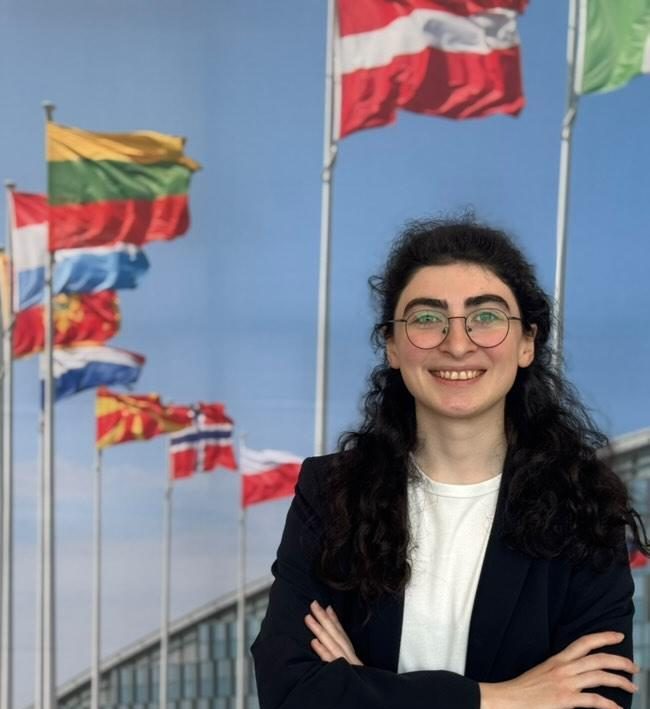
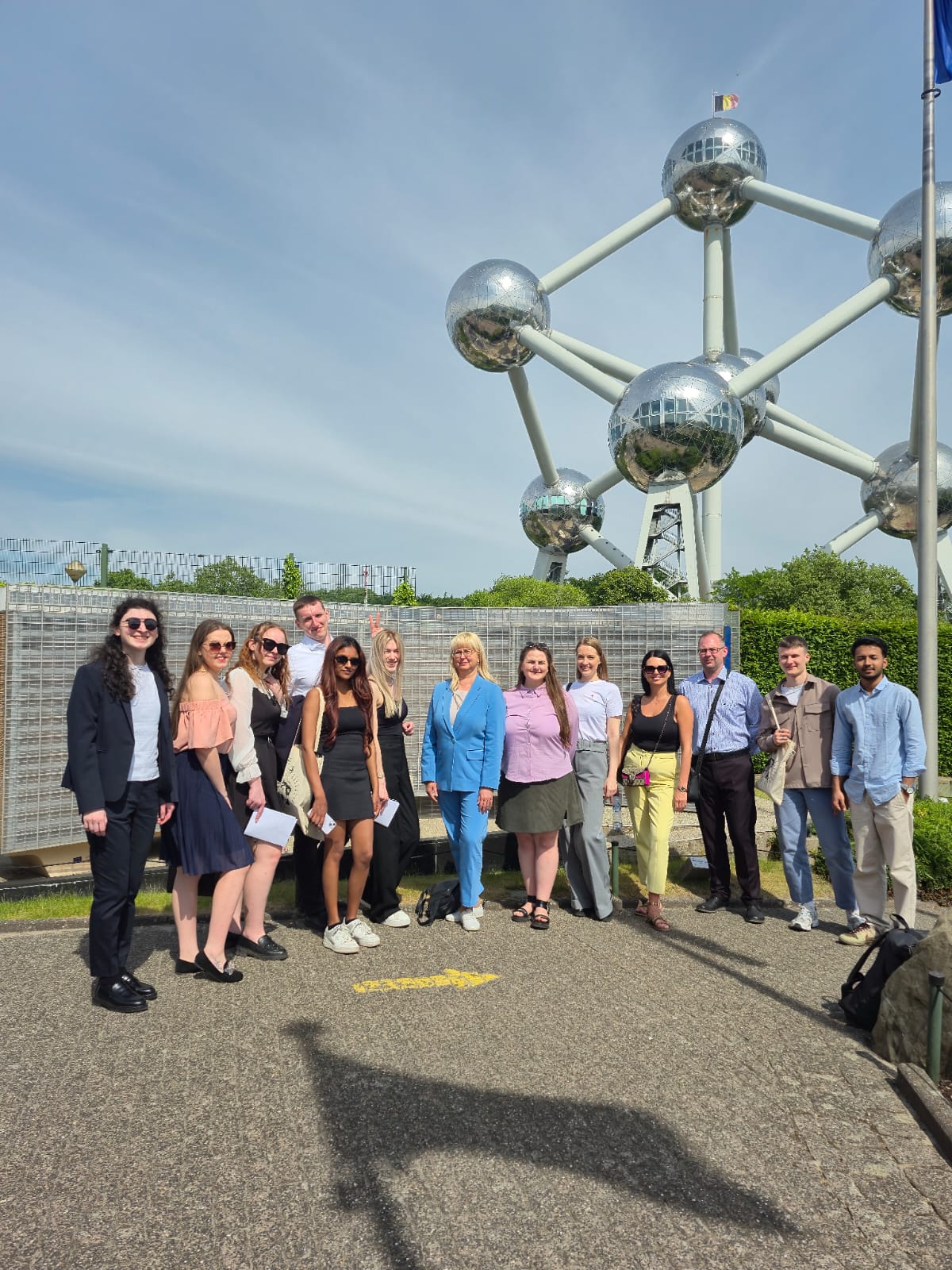
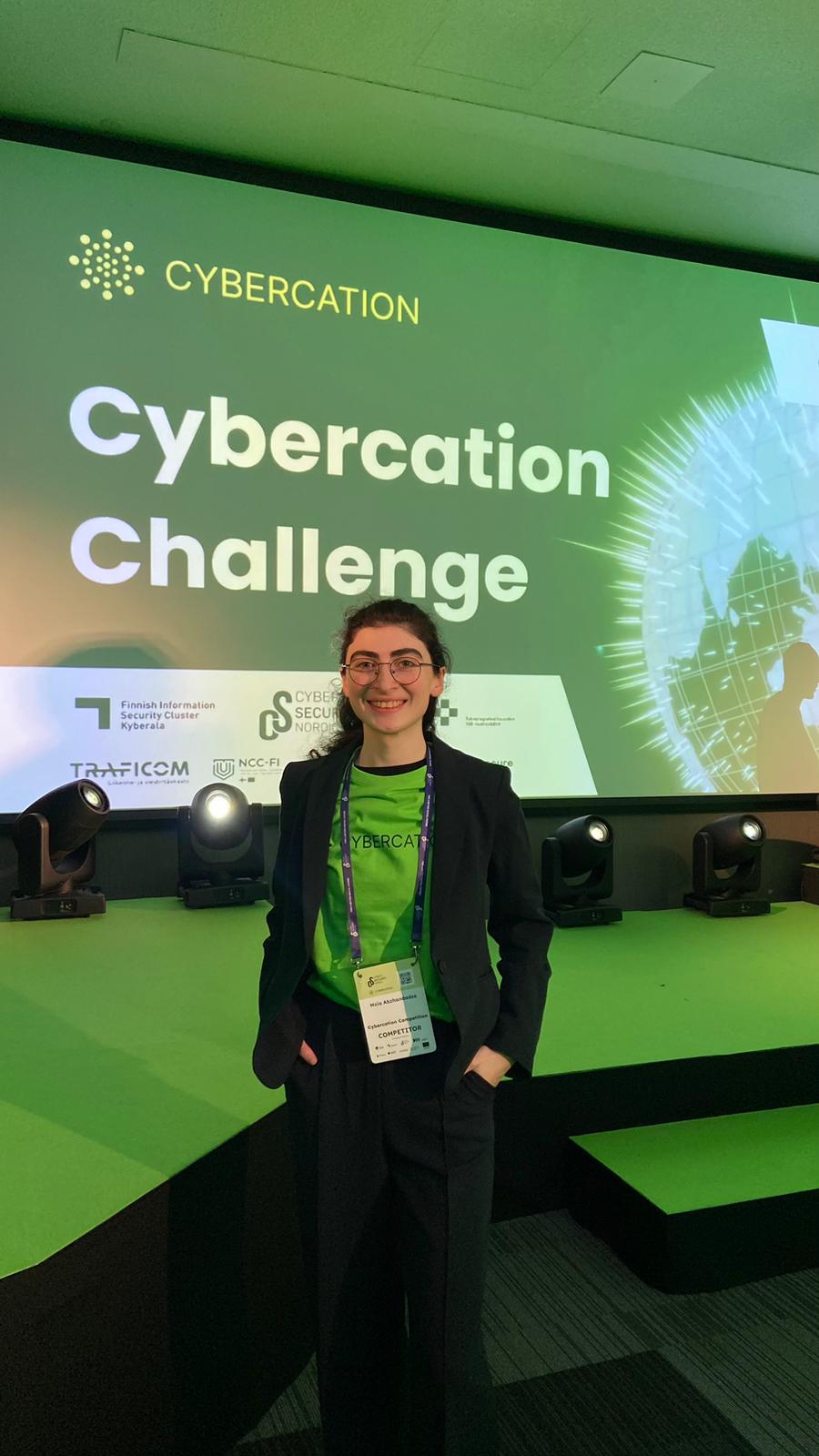
Together with her supervising lecturer, Professor Dr. Asta Valackiene of the Institute of Business and Economics, she participated in the International Student Scientific Symposium, where she won second place and was awarded a study visit to NATO. Additionally, together with her classmates, she represented Lithuania in the Nordic-Baltic “Cybercation” CTF challenge and reached the finals in Finland as an all-female team.
“These experiences strengthened my ability to think analytically under pressure and to work effectively in diverse teams,” she shares.
Life in Lithuania – More Than Studies
Before arriving, Mzia expected Lithuania to be a safe, orderly, and academically strong country. “These expectations were fully met – and in some aspects even exceeded,” she says, highlighting Vilnius as a cozy and student-friendly city.
The biggest initial challenge was the language barrier outside the university. However, by learning basic Lithuanian phrases, she quickly felt more integrated into everyday life.
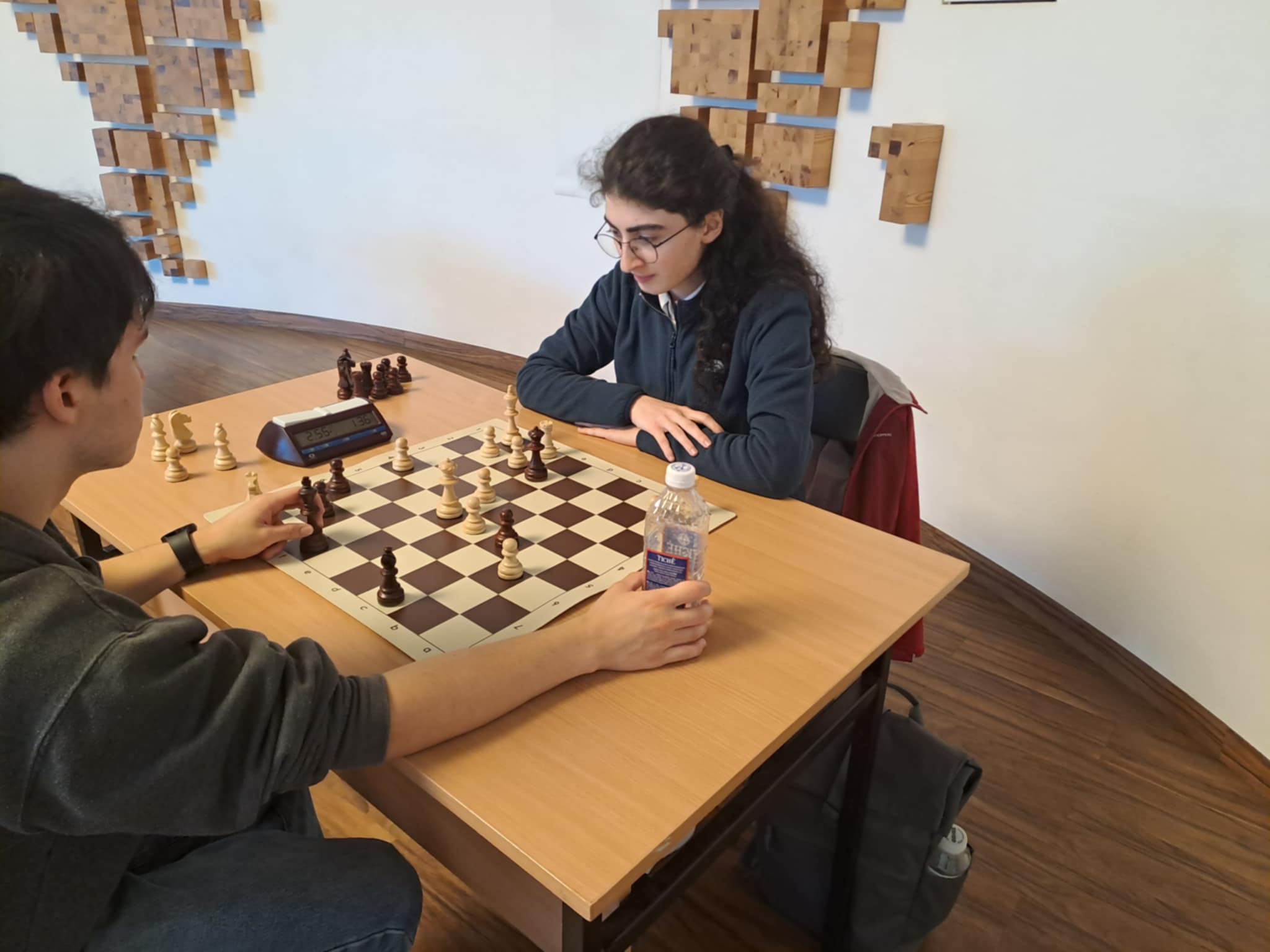
Beyond her studies, Mzia actively participates in university life – she plays chess and competes in tournaments led by a grandmaster, exercises regularly, cycles, runs, and even represented MRU in an inter-university running championship.
“I appreciate the respect, discipline, and openness in Lithuanian culture,” she adds.
Looking Ahead
According to Mzia, her studies at MRU have strengthened her professional confidence and strategic thinking.
“I now see cybersecurity as a discipline of leadership and decision-making.”
After graduation, she plans to continue her career in cybersecurity risk management, contributing to the development of resilient and responsible organizations.
And she sends a clear message to prospective international students:
“If you are looking for a demanding, open, and future-oriented academic environment that values analytical depth, research skills, and real responsibility in the field of cybersecurity, MRU is an excellent choice.”
Photos from a private archive.