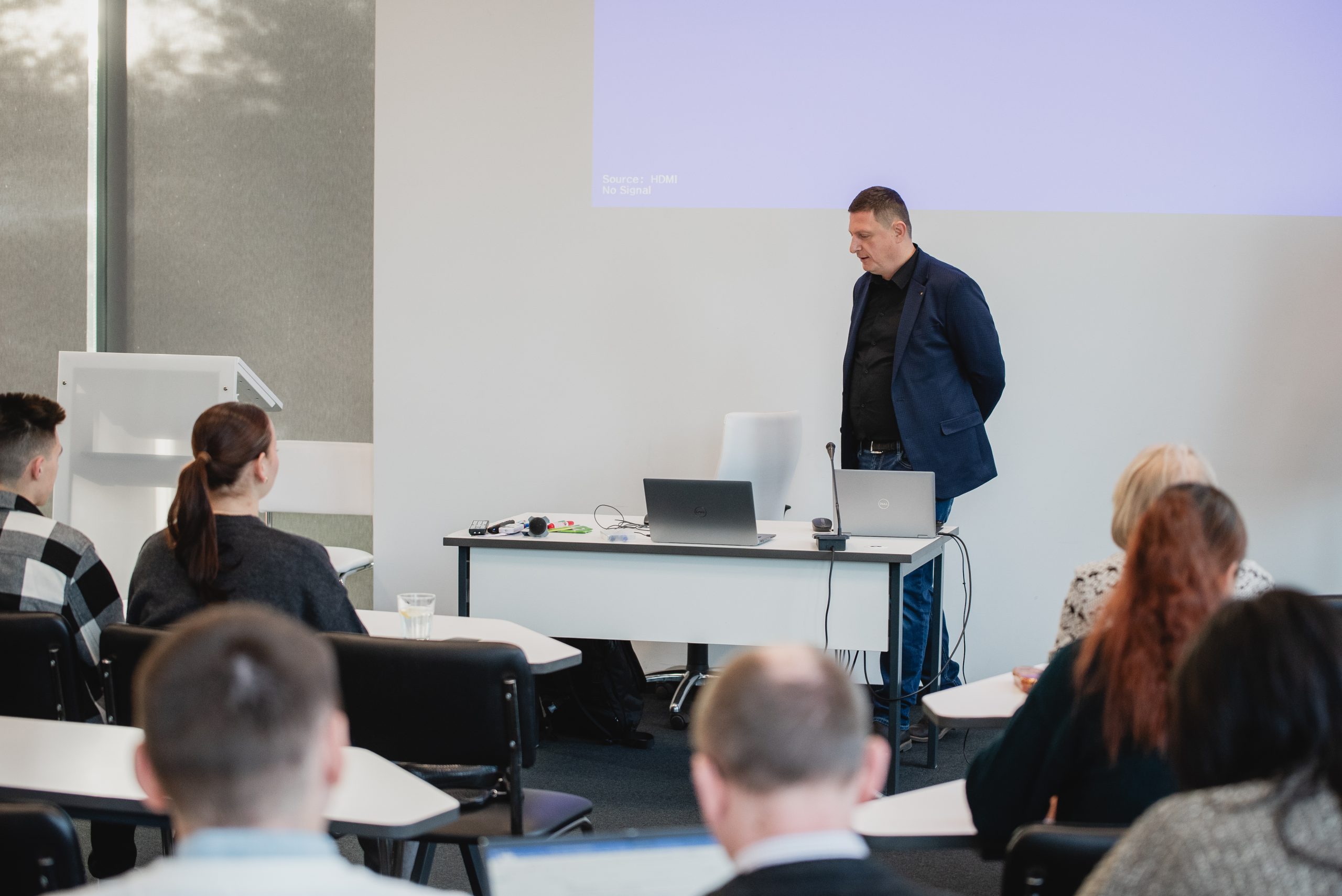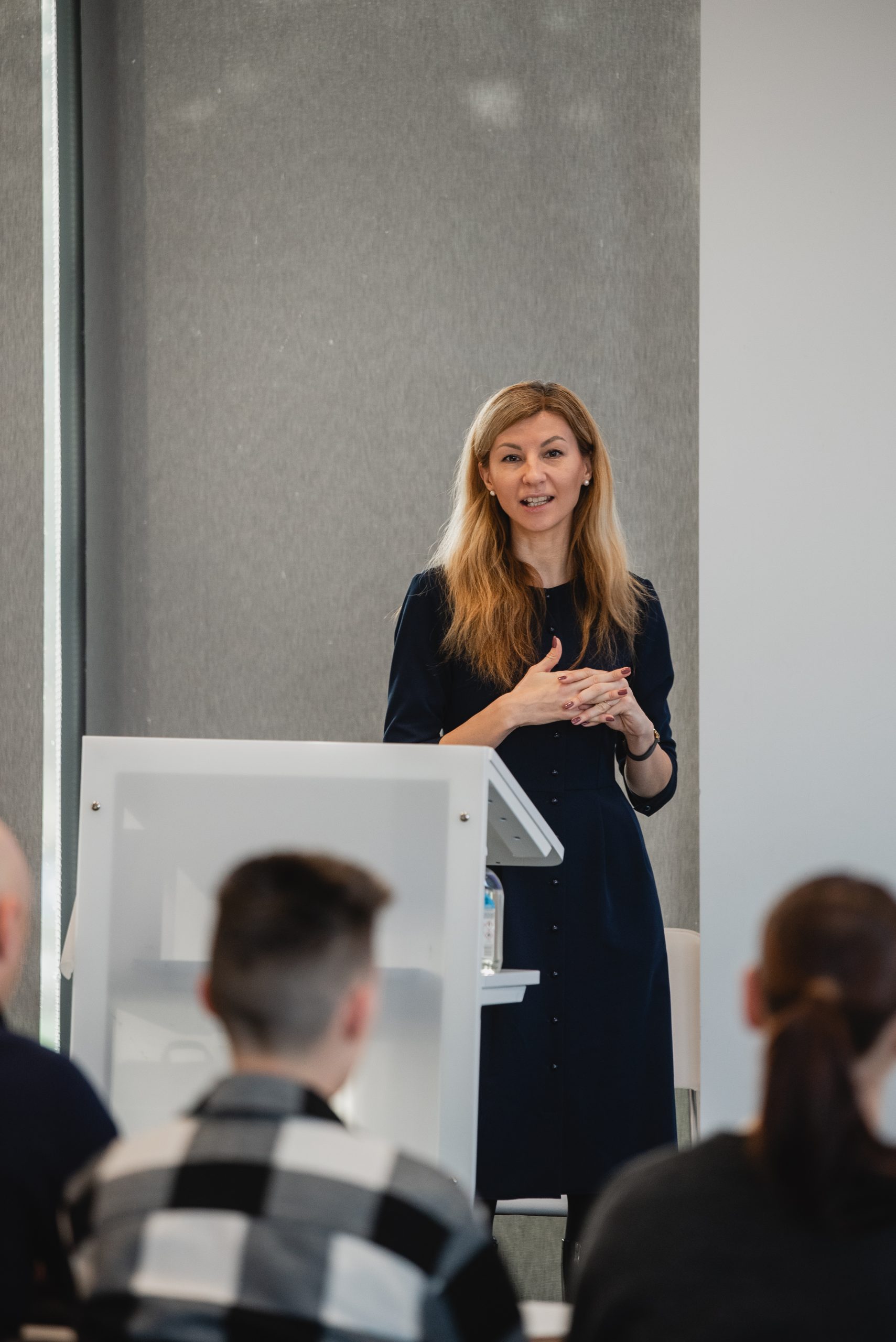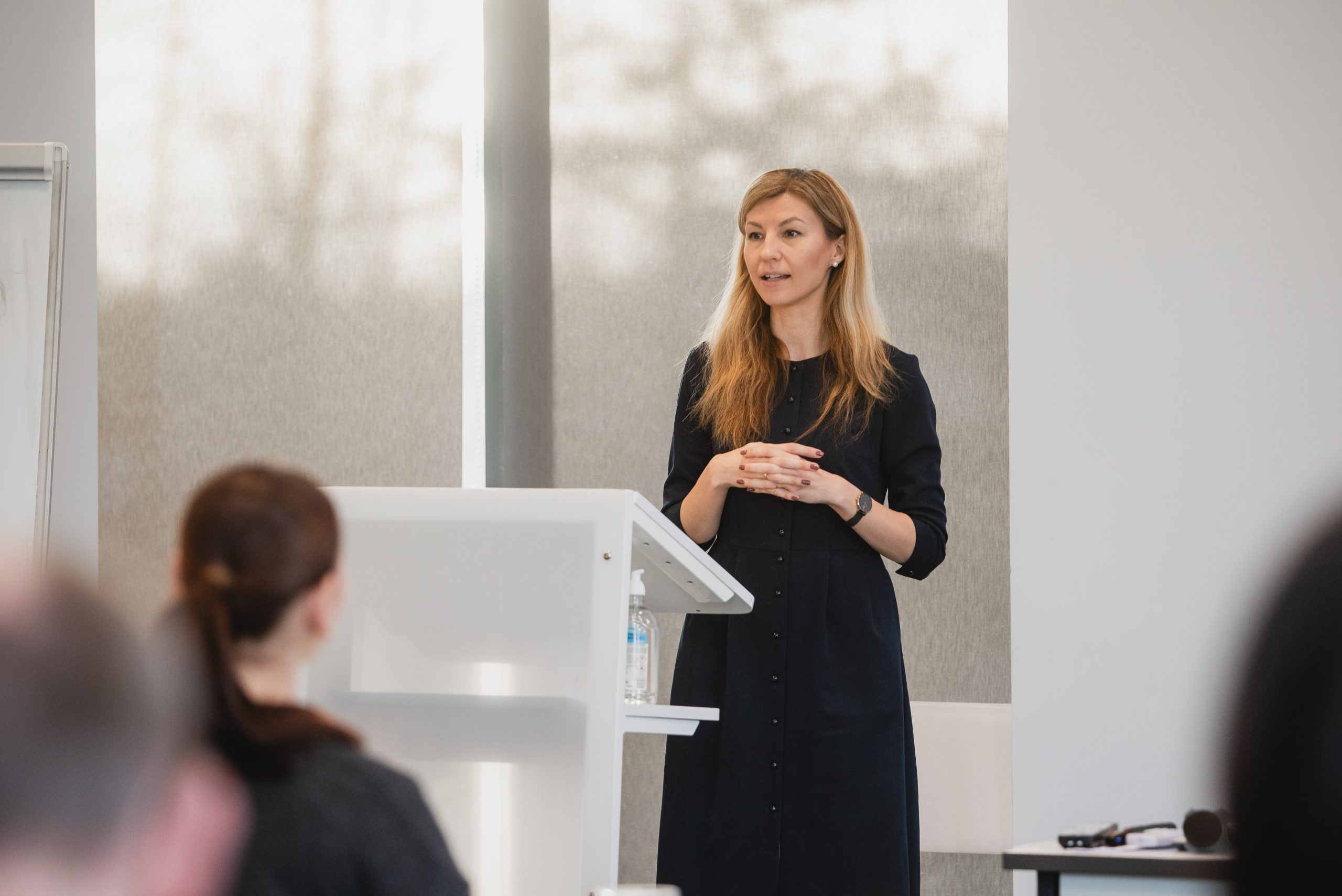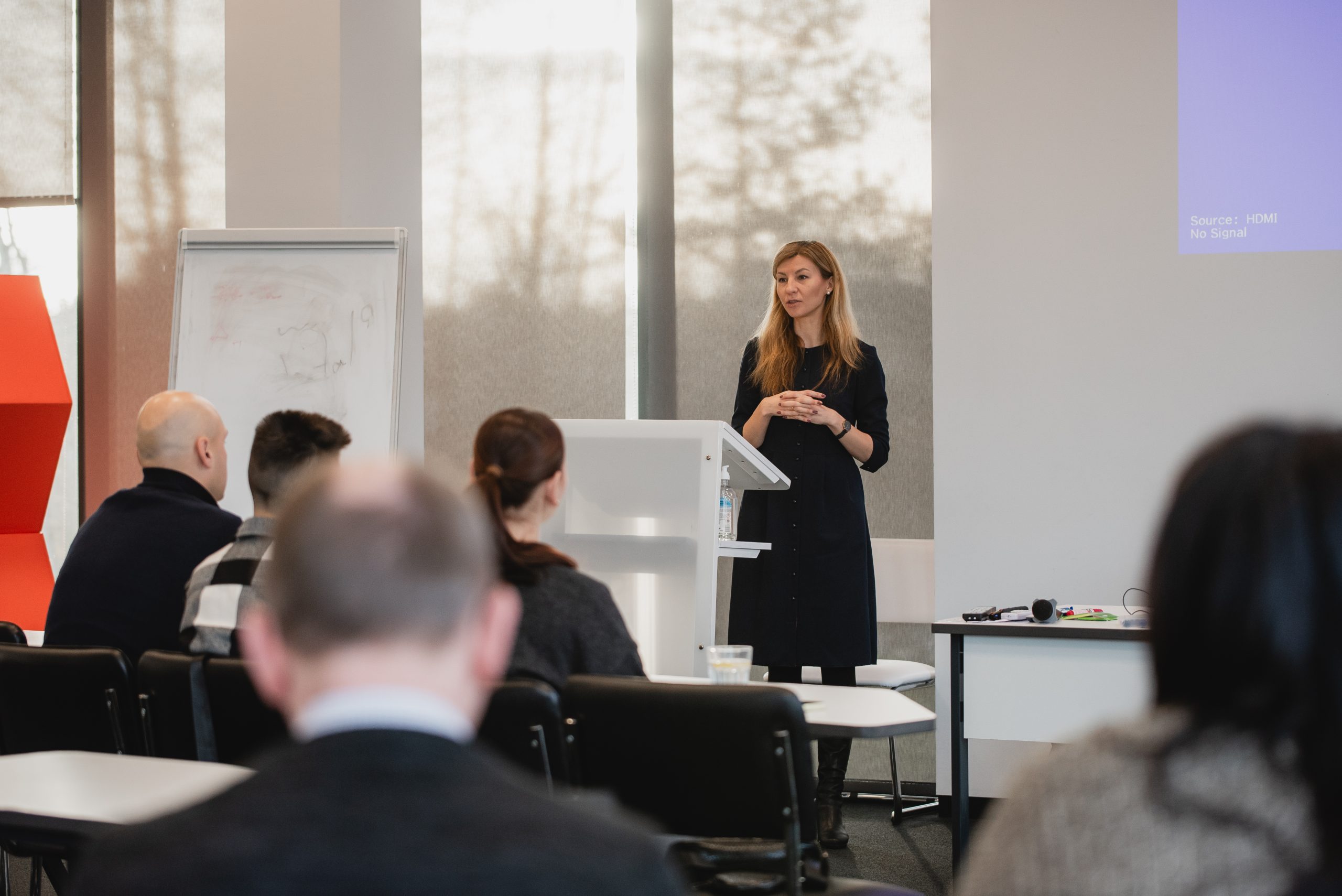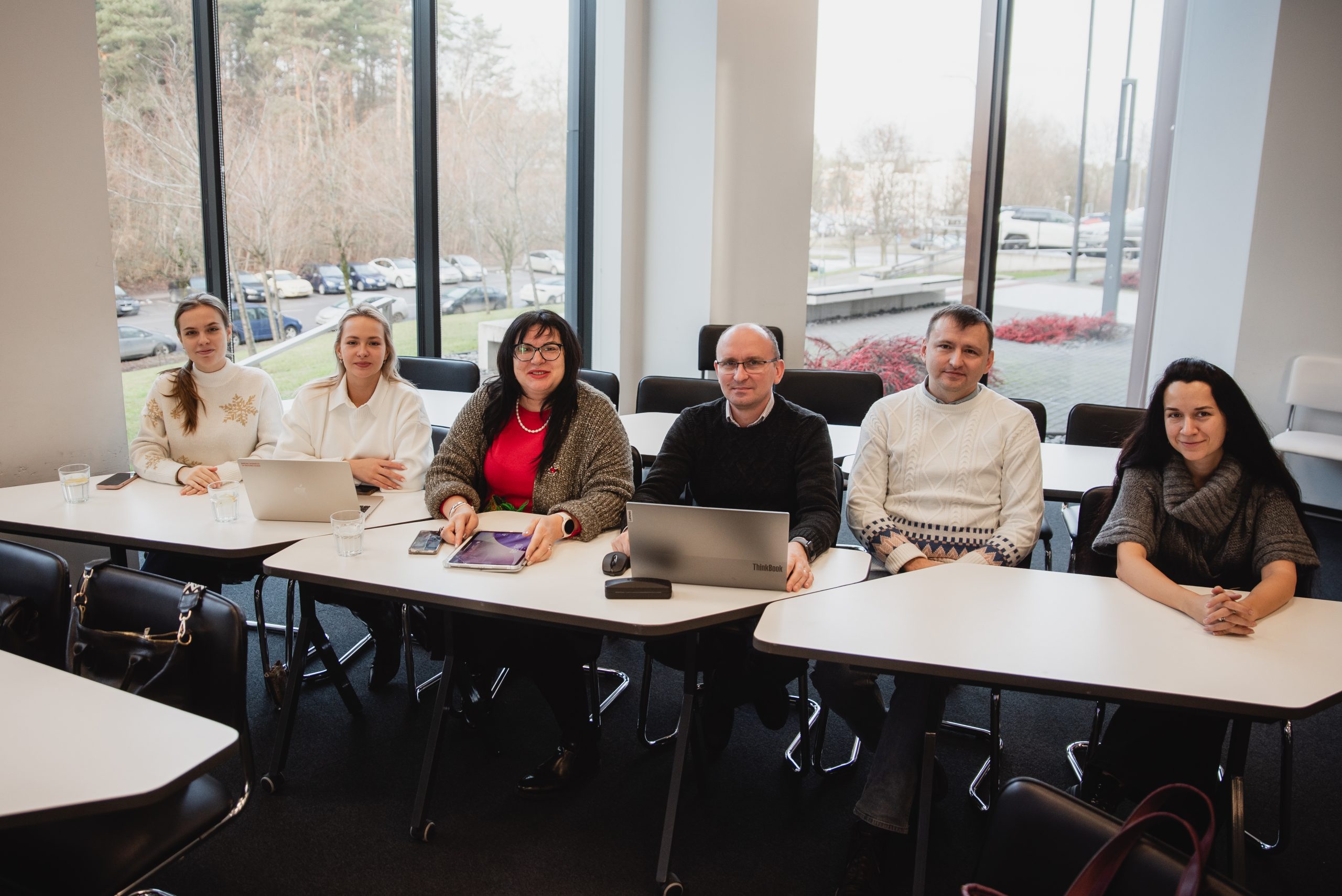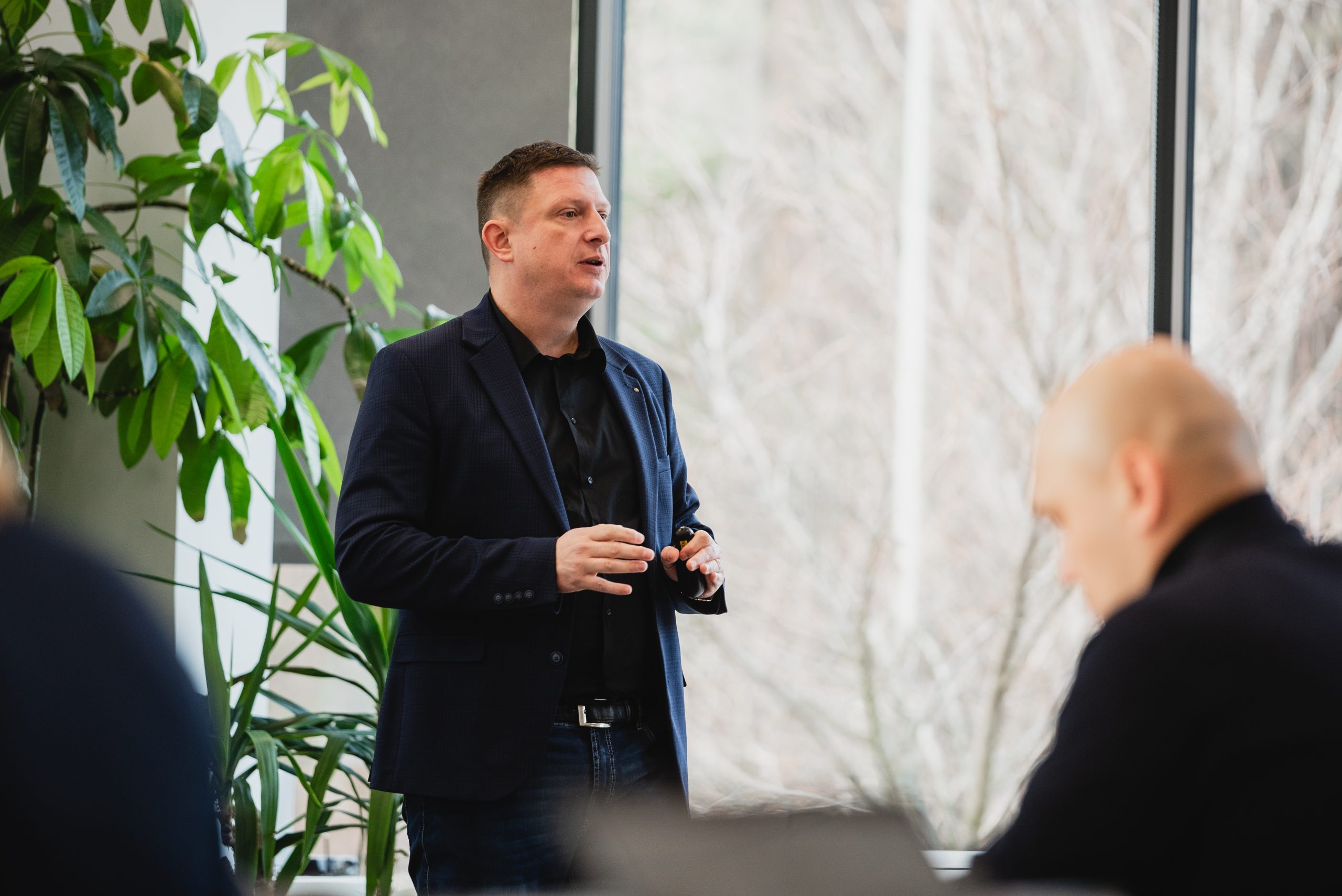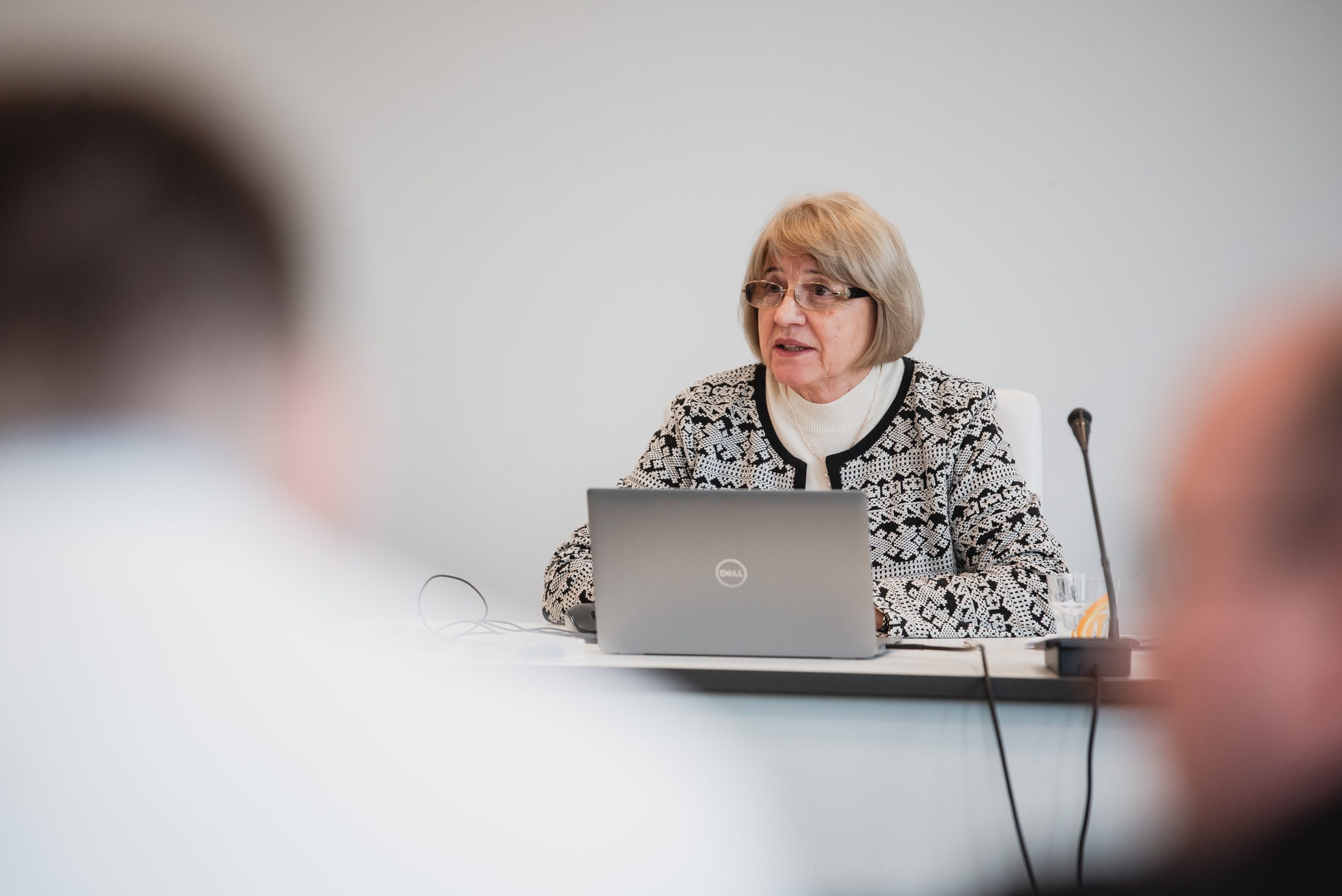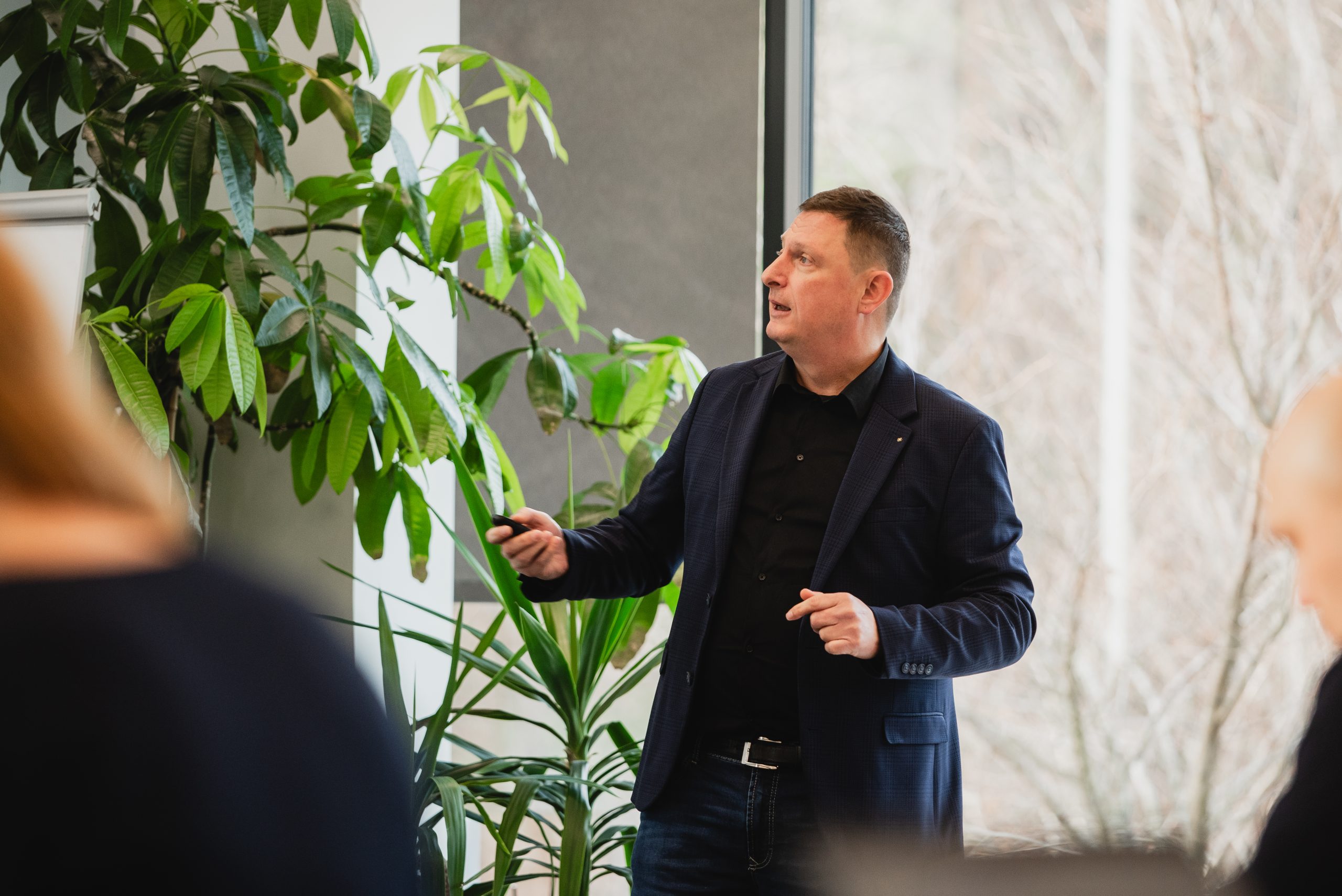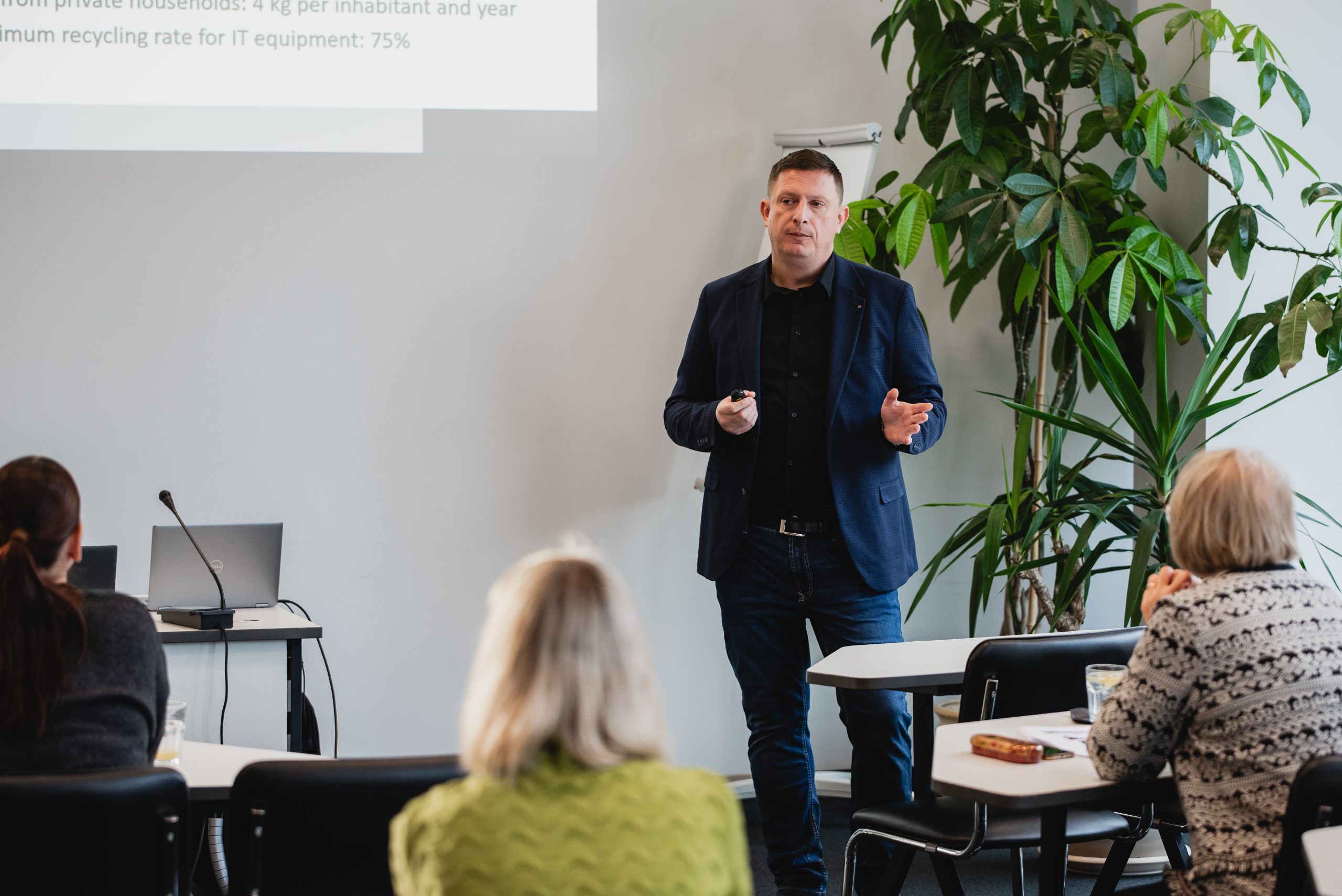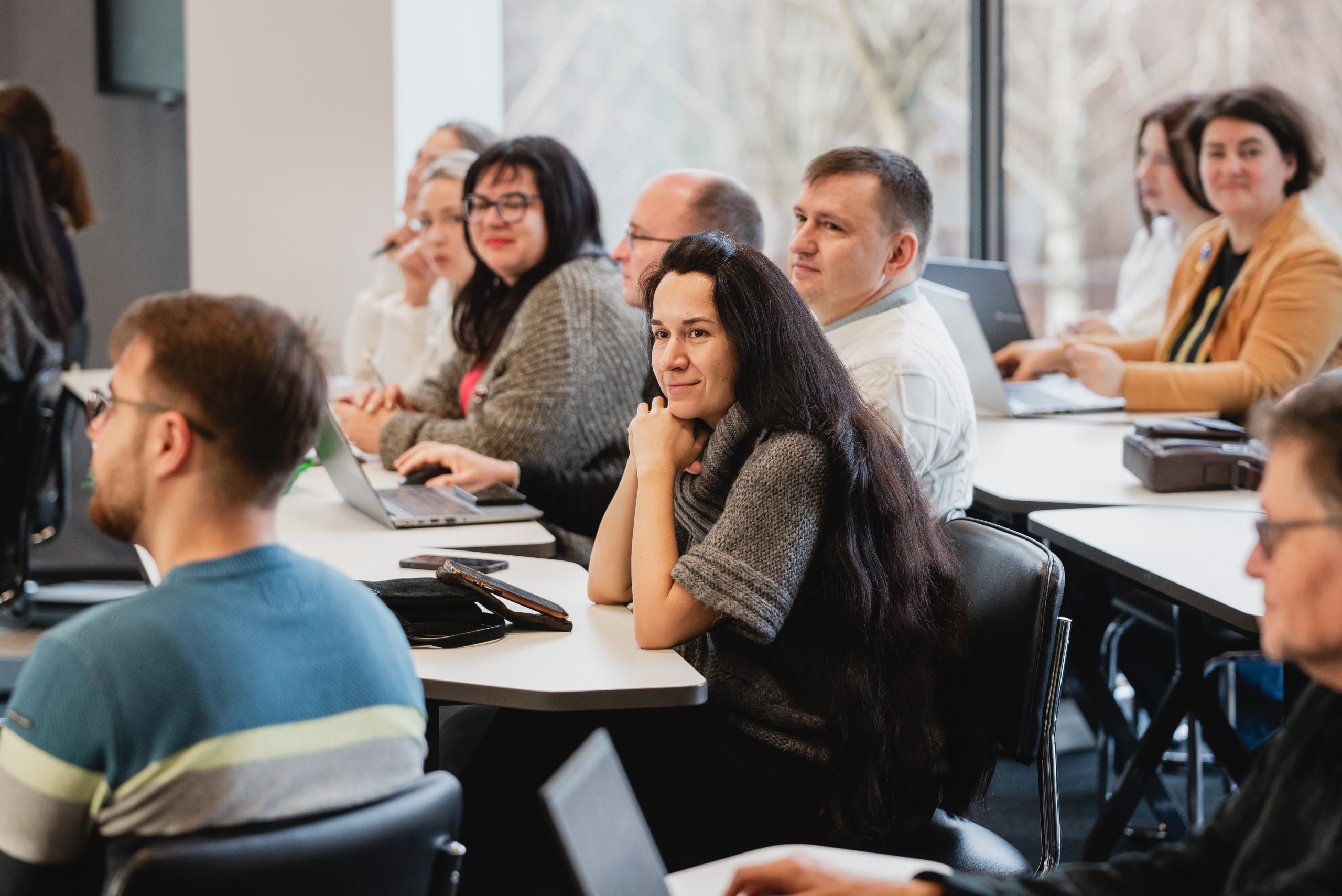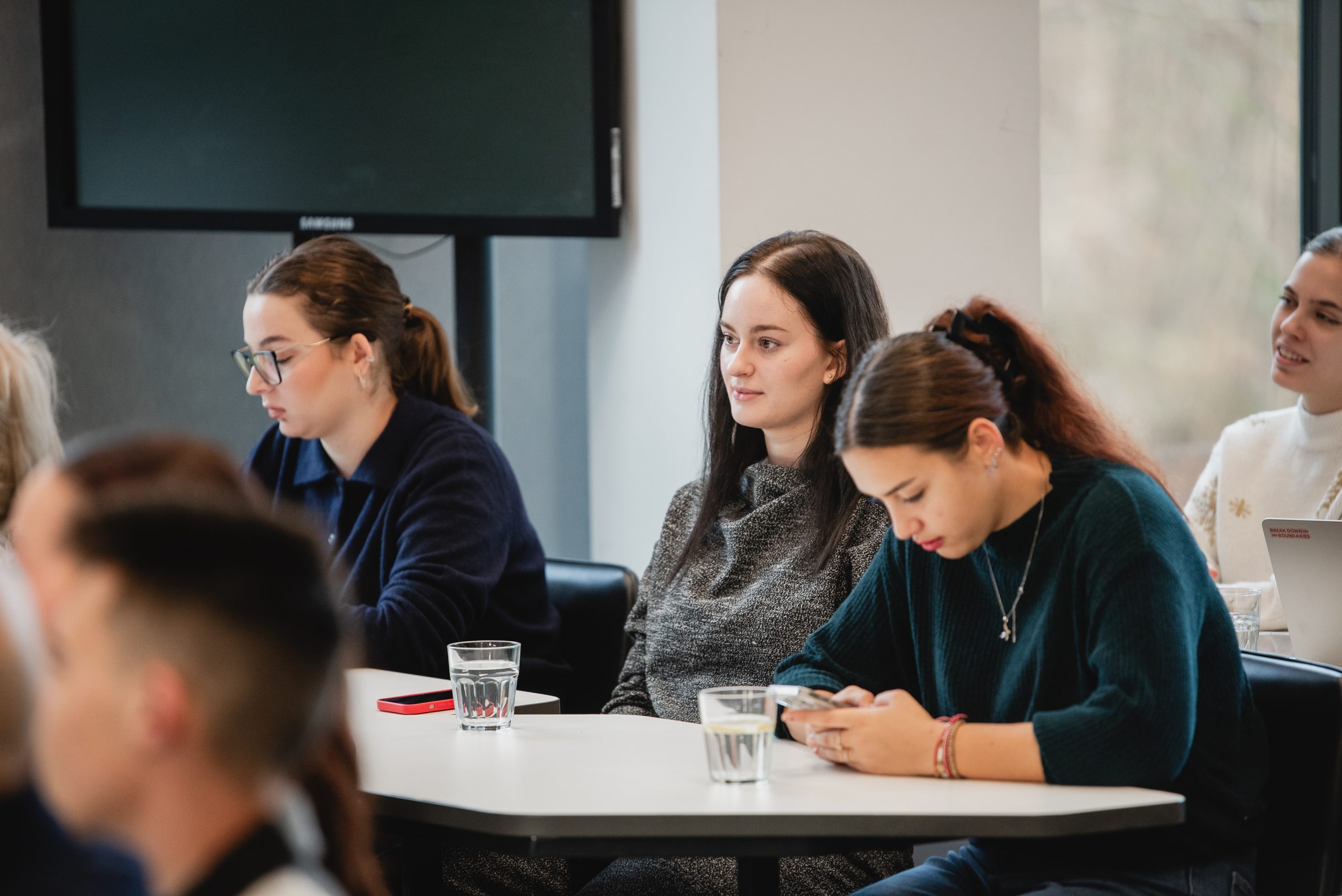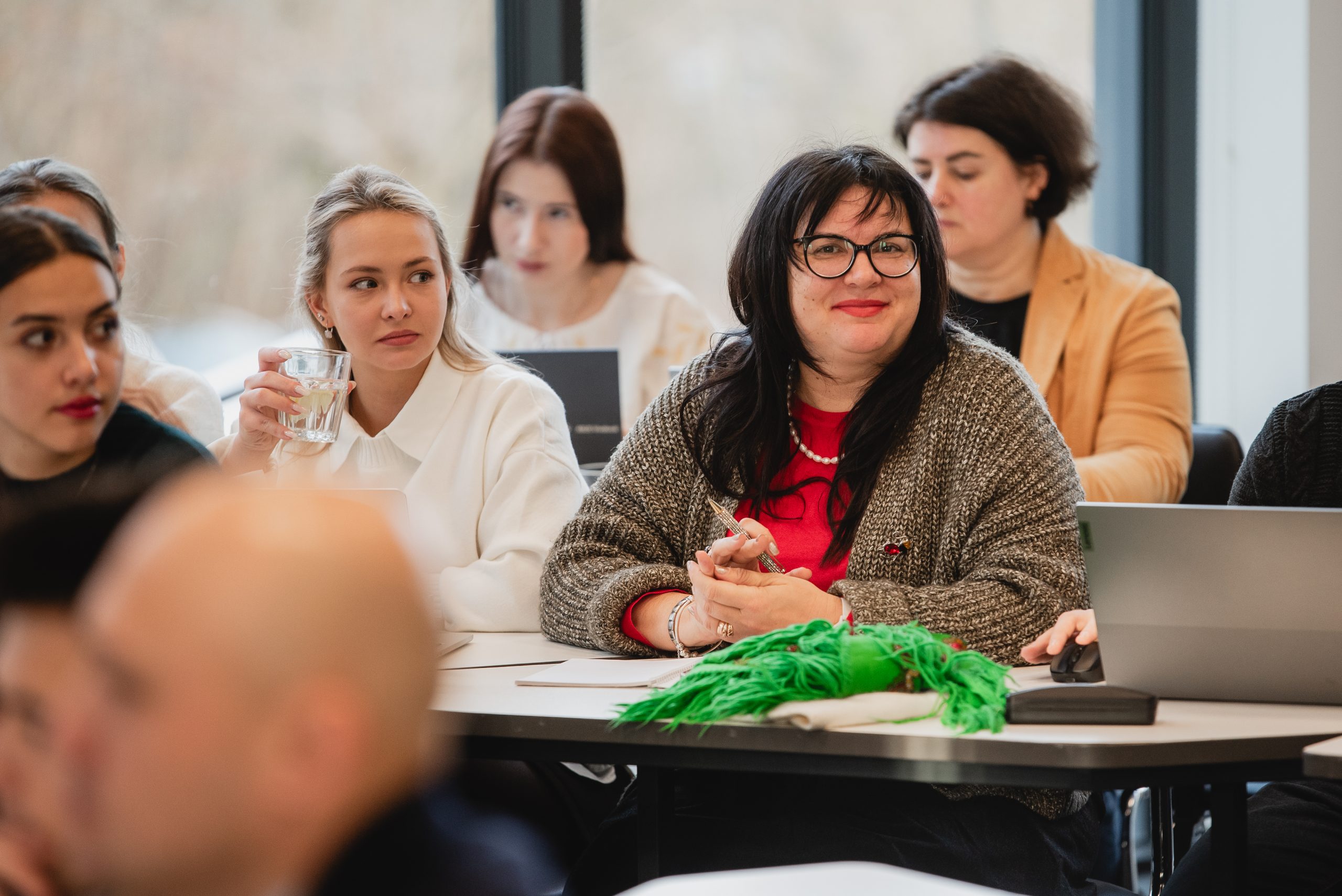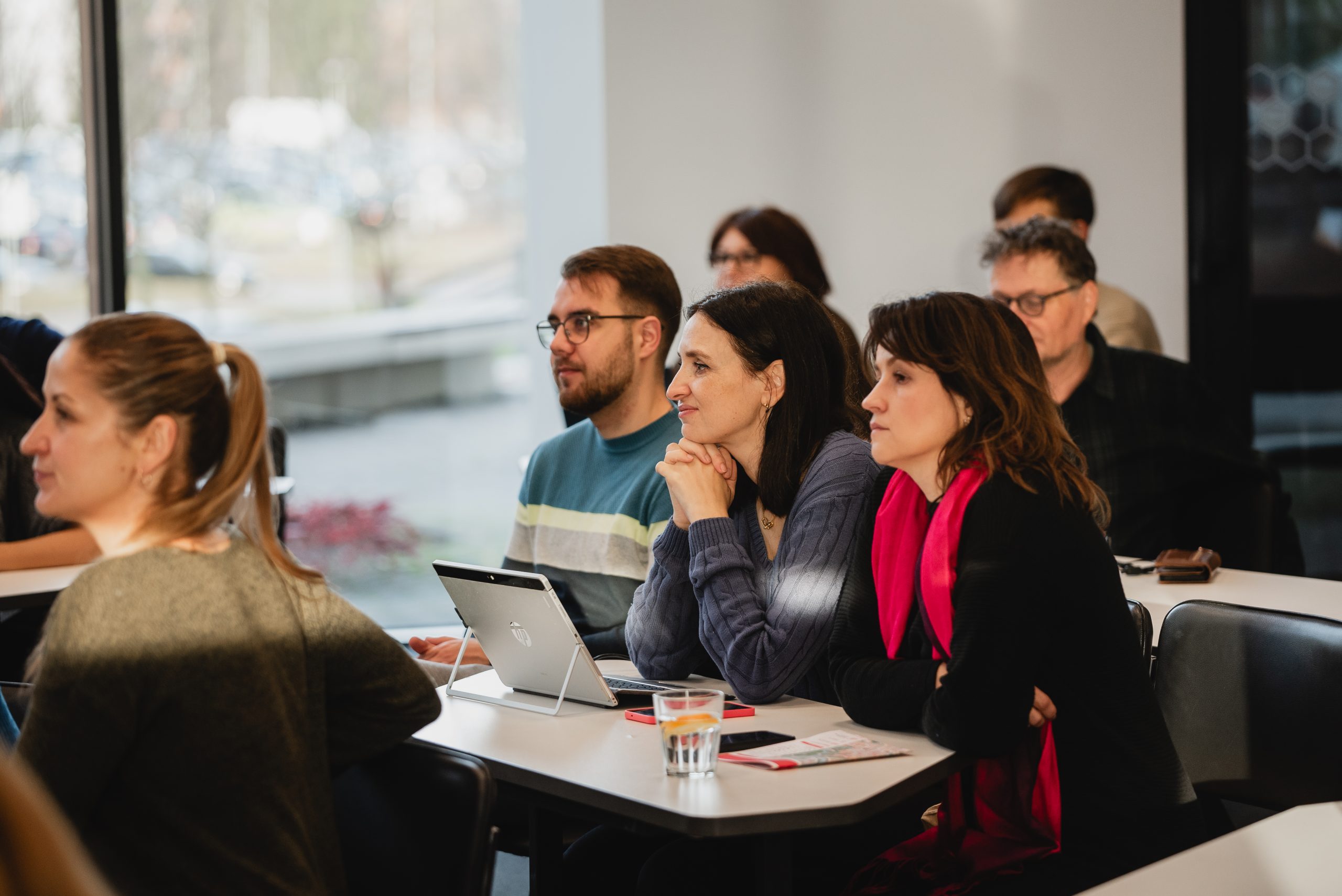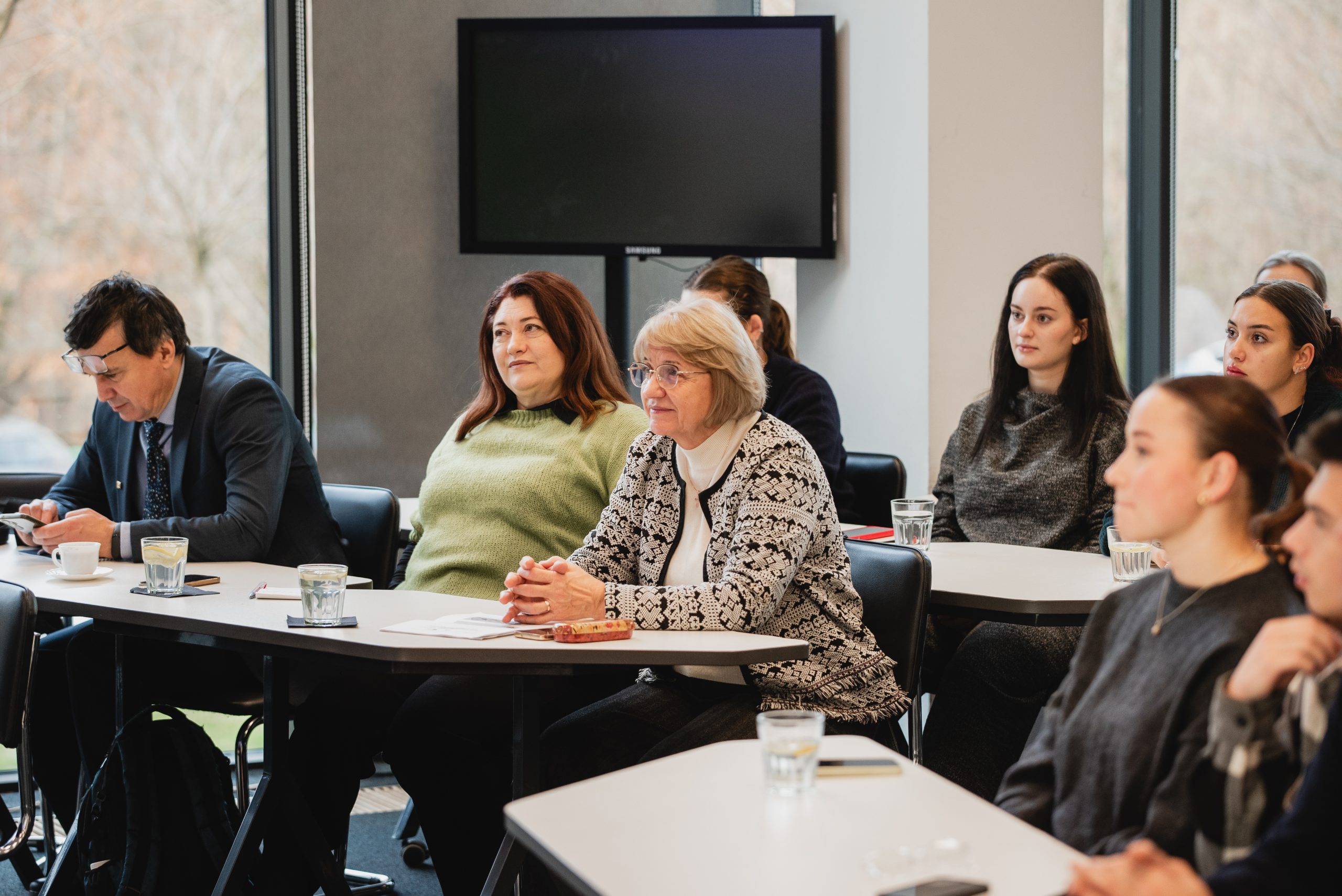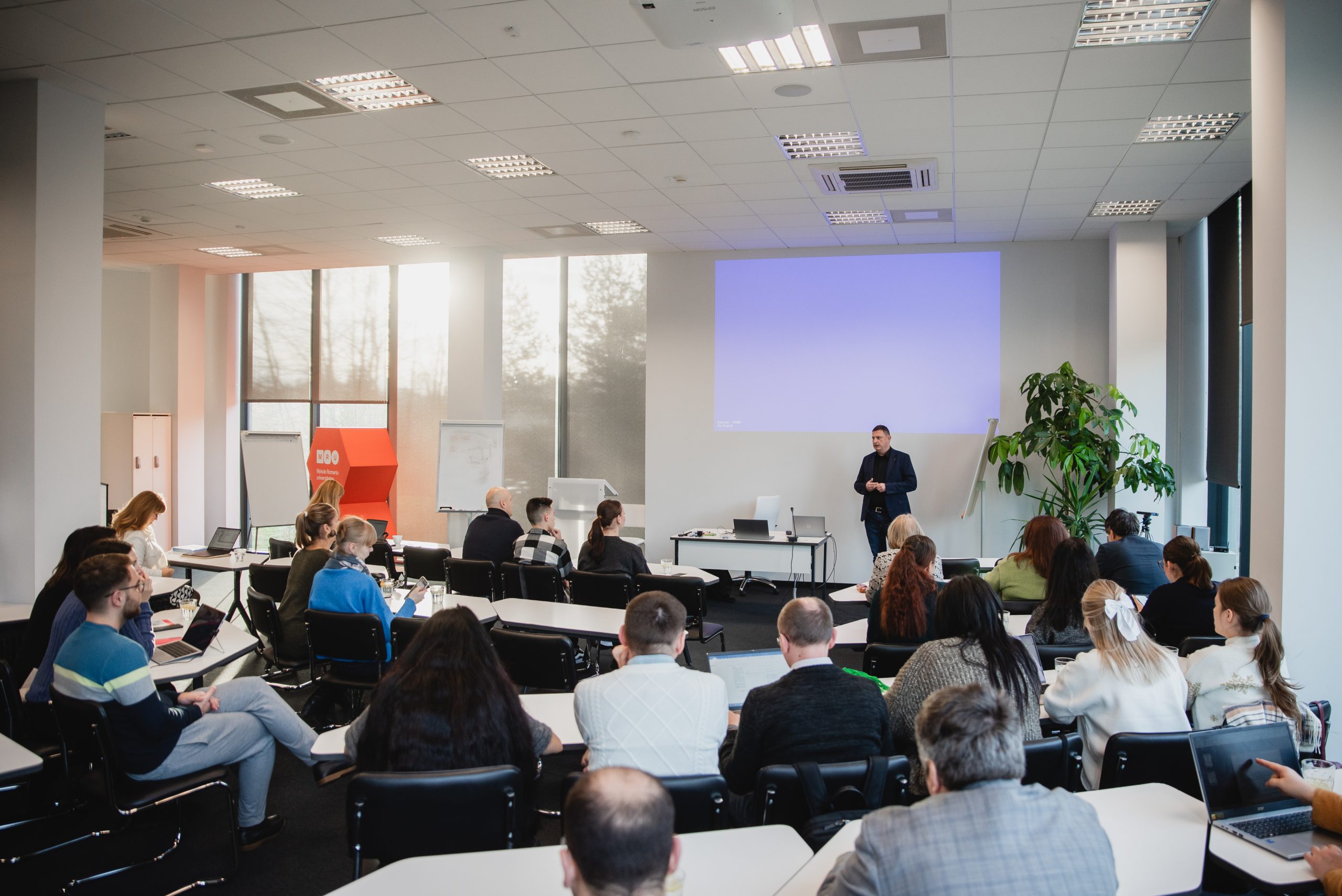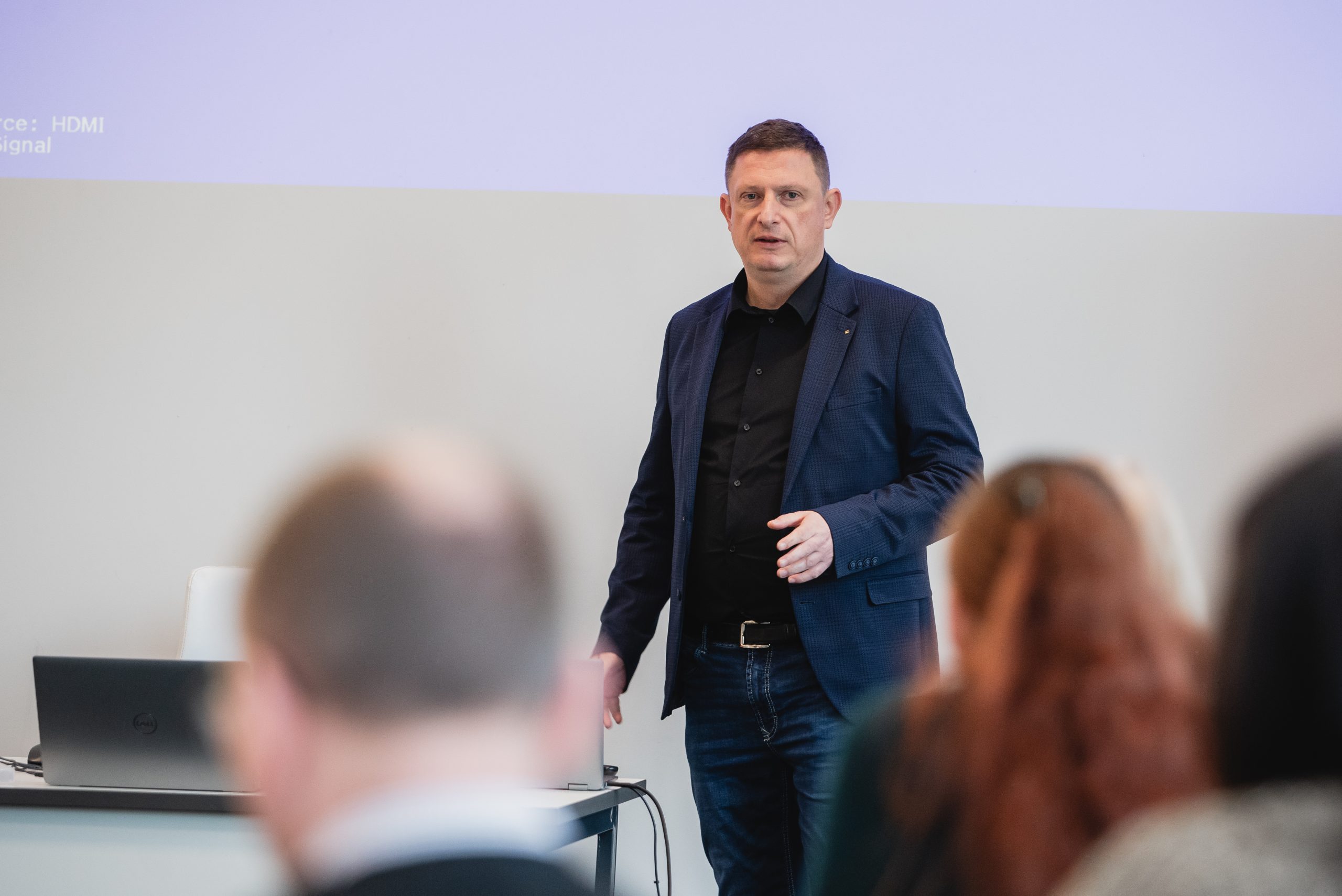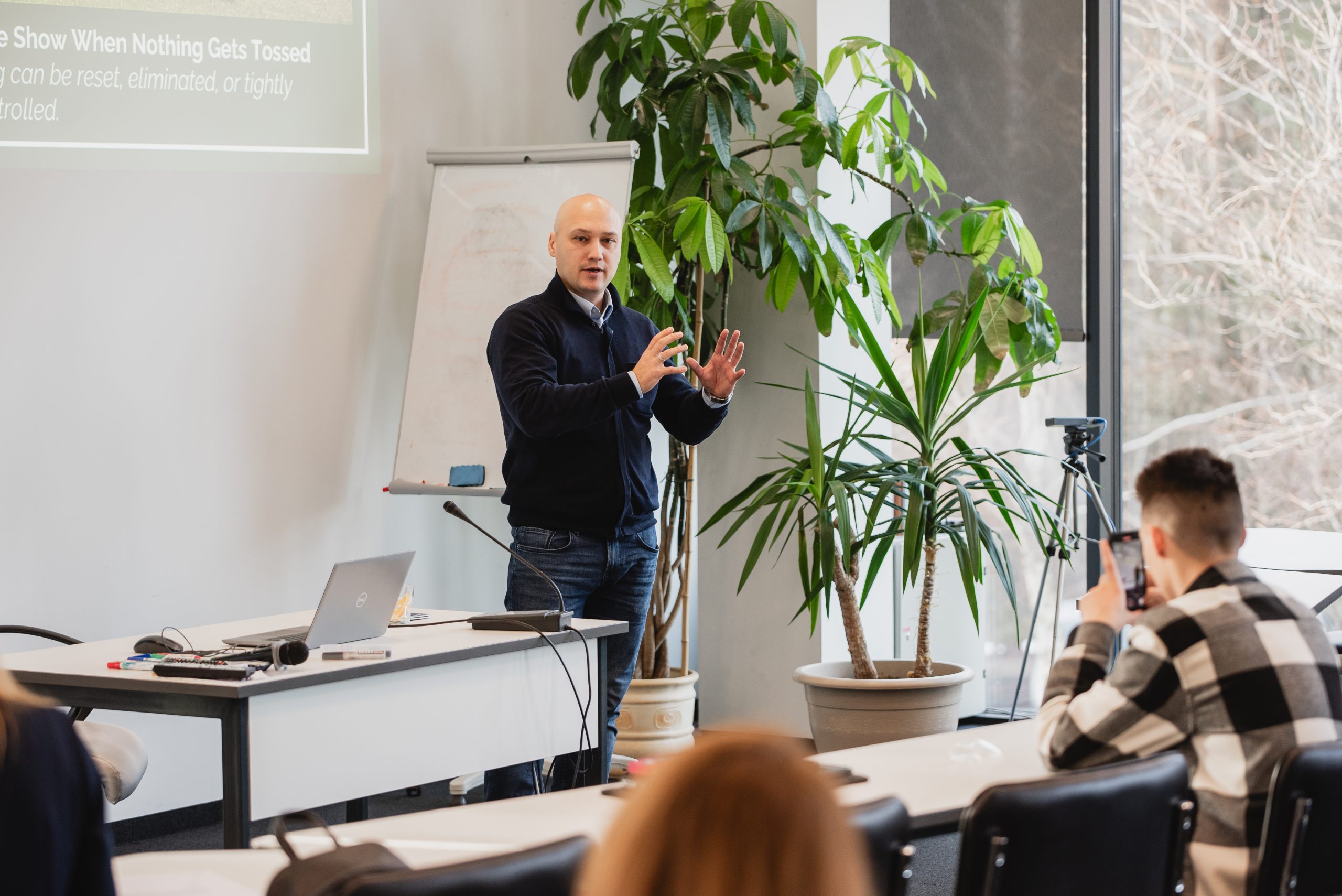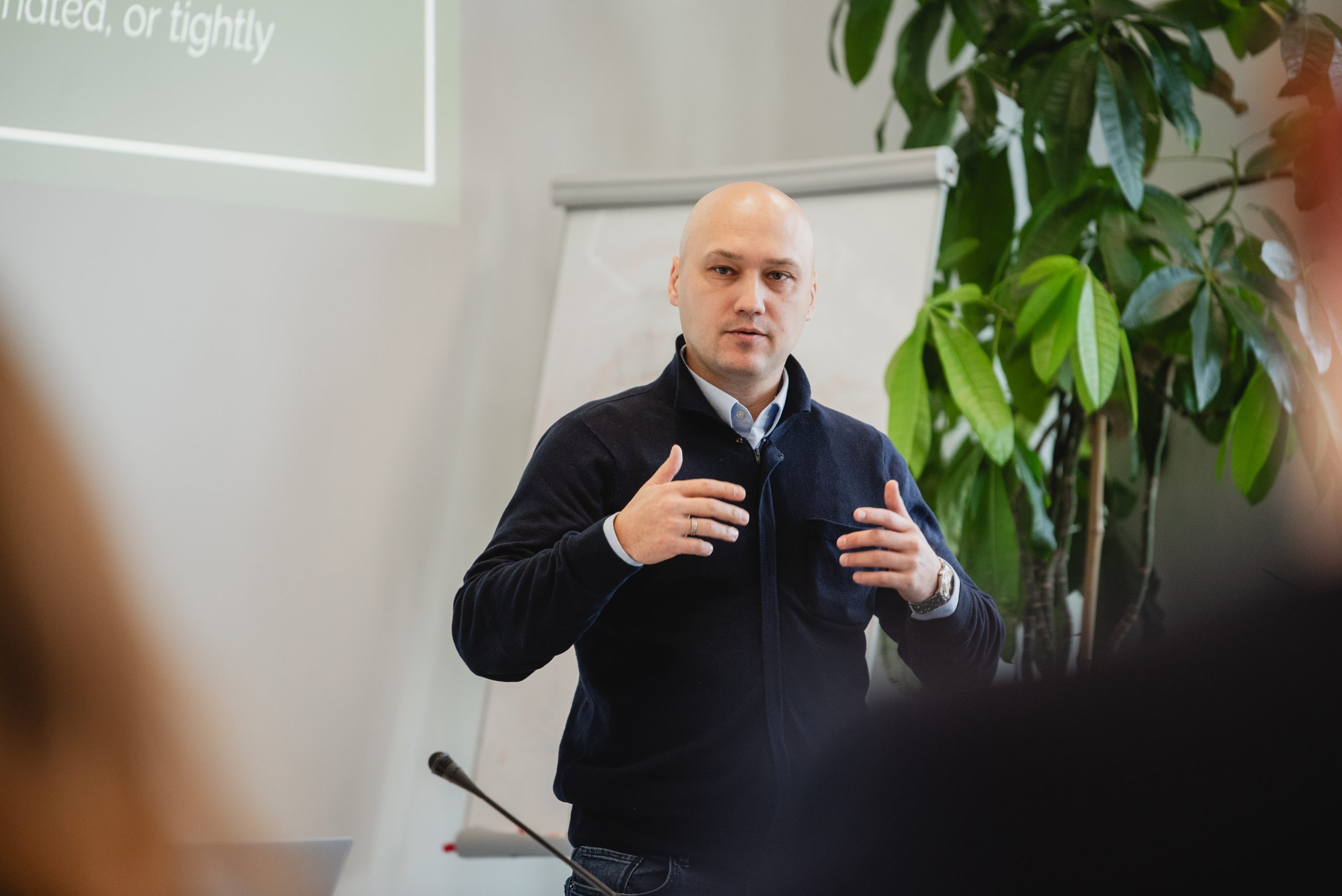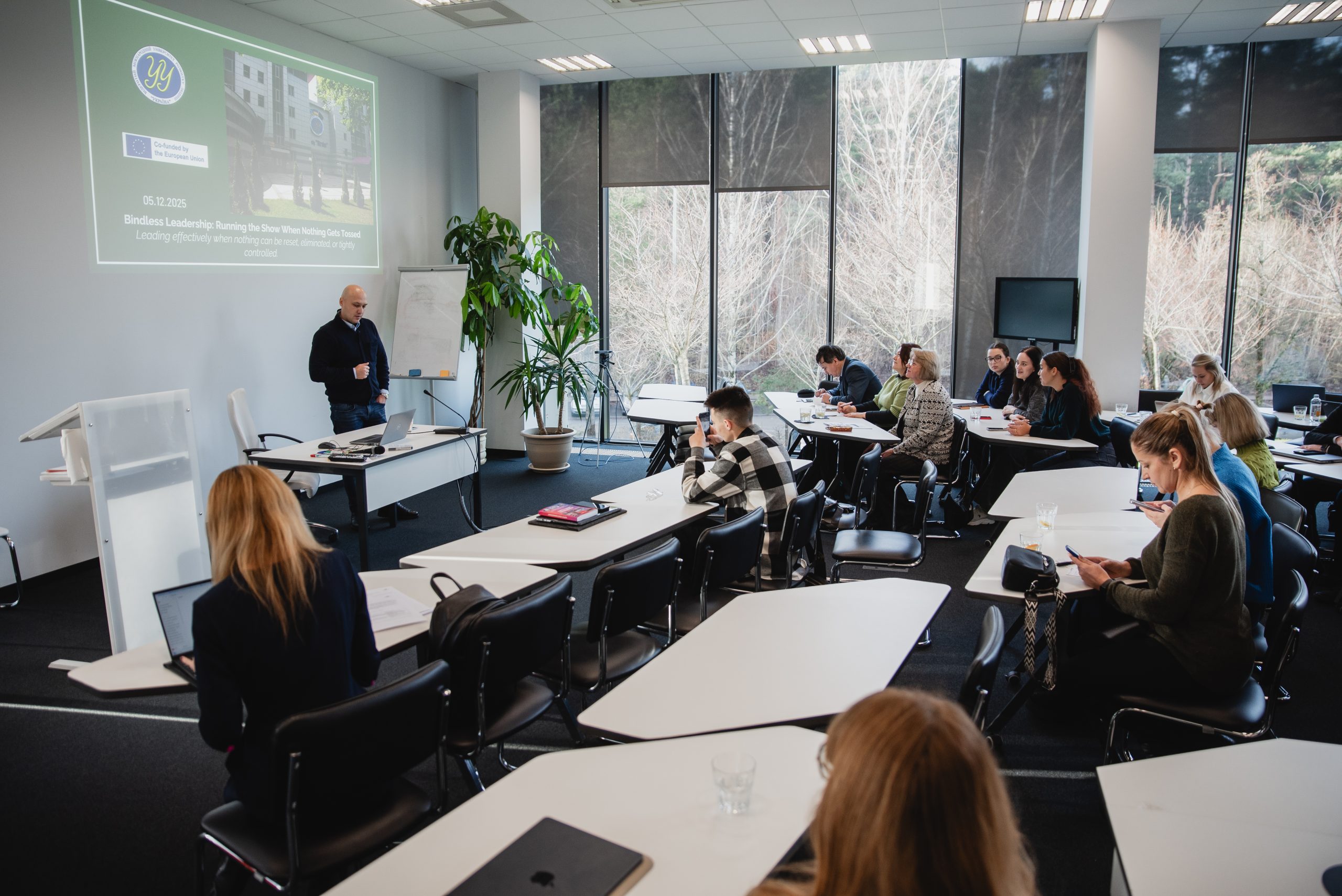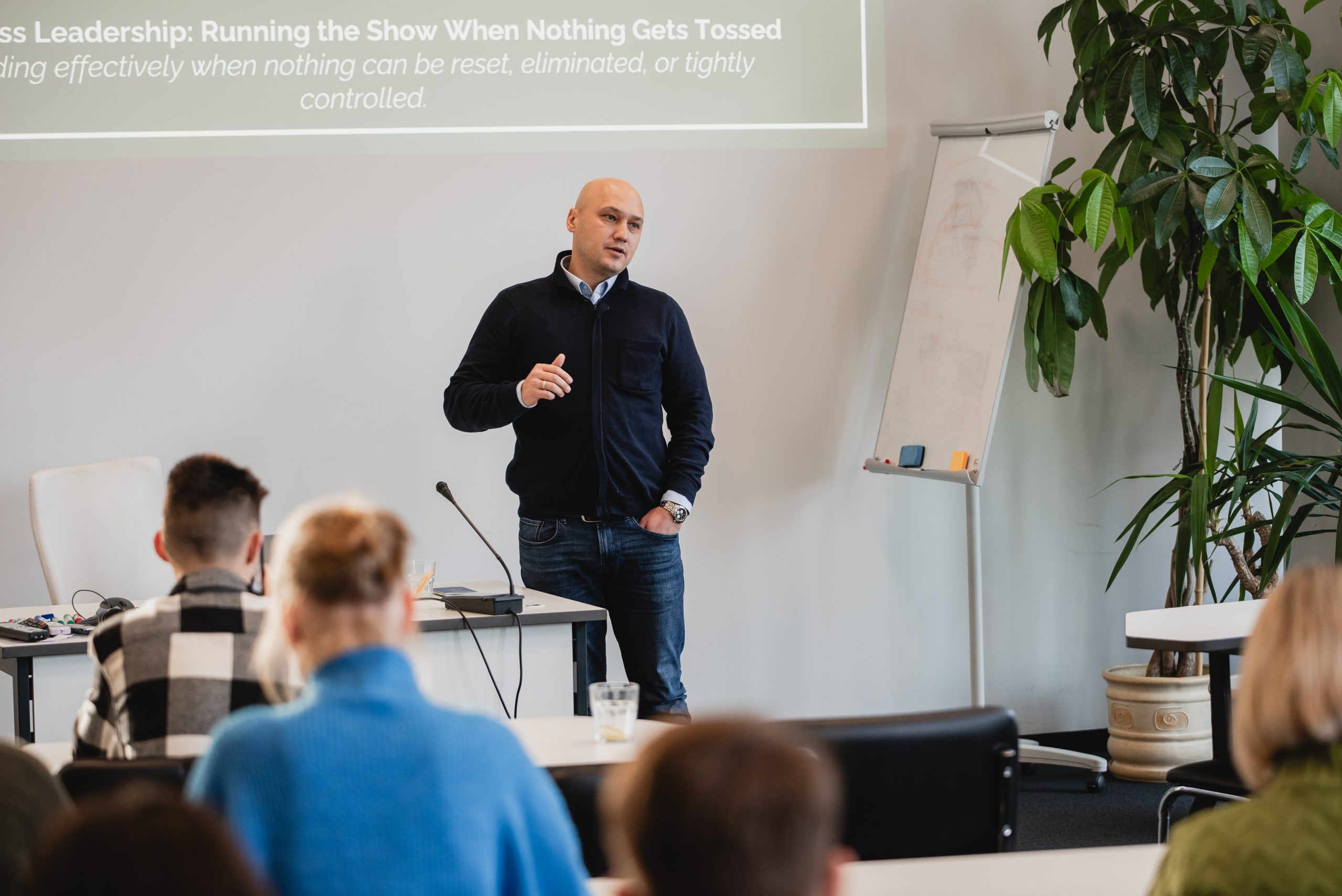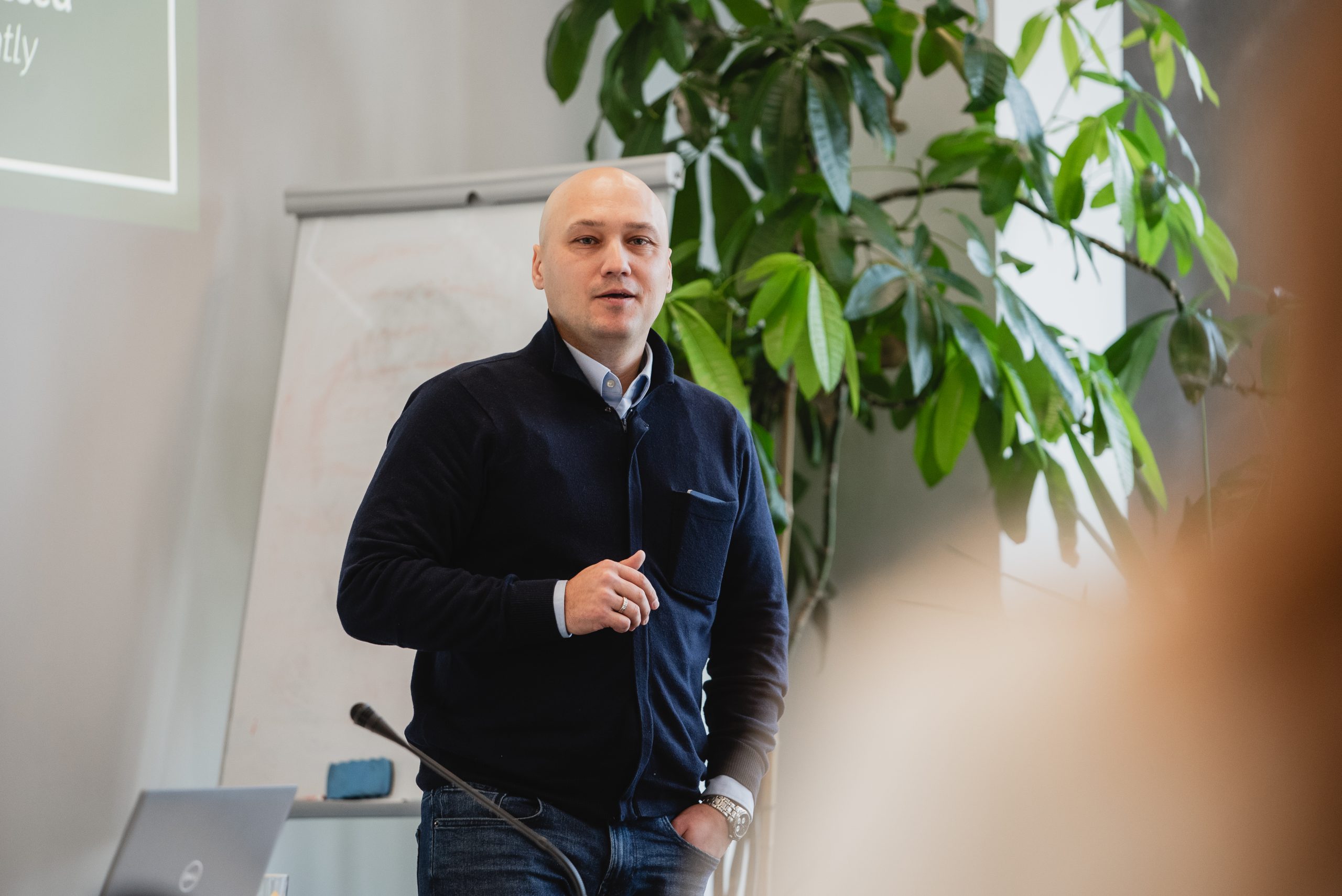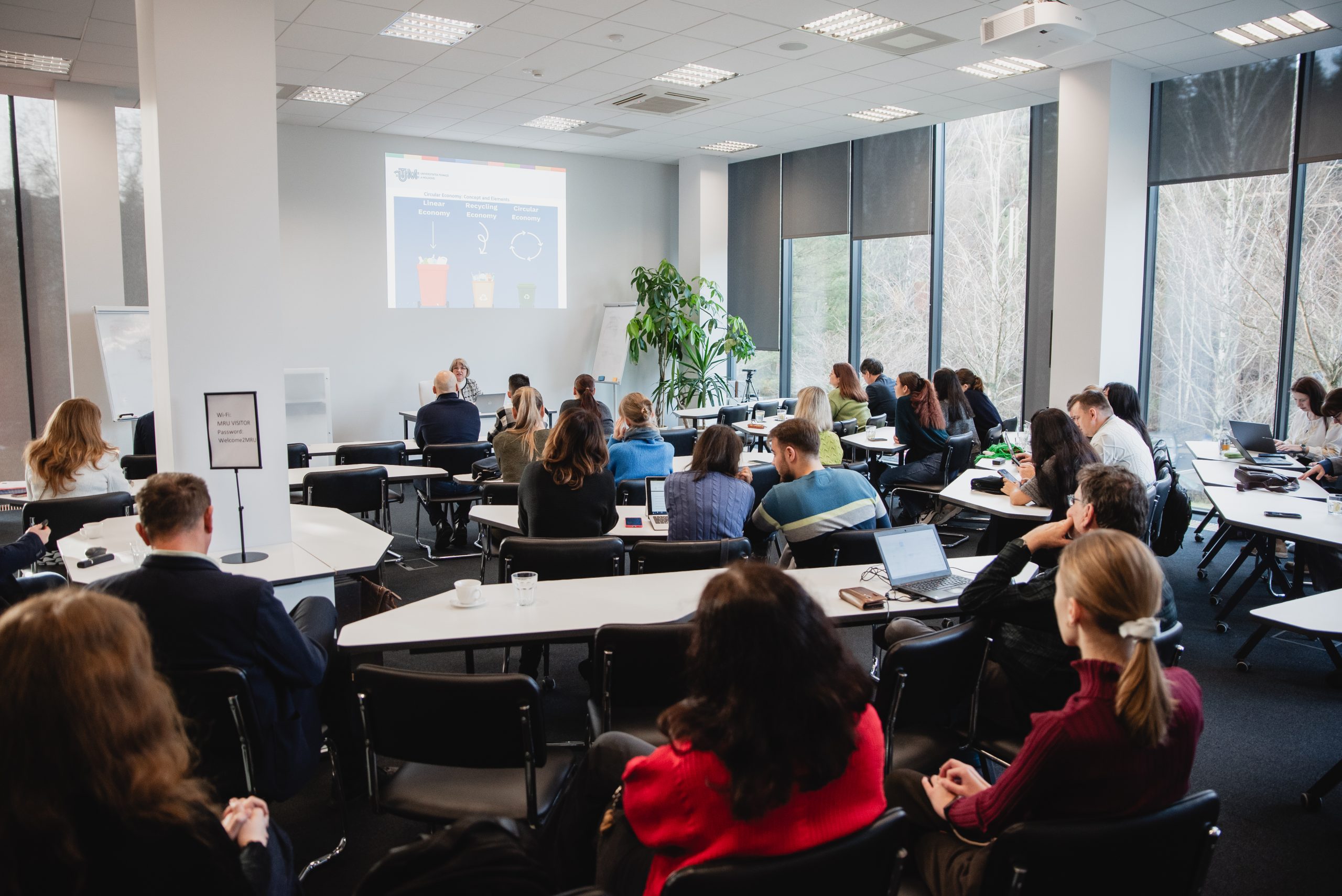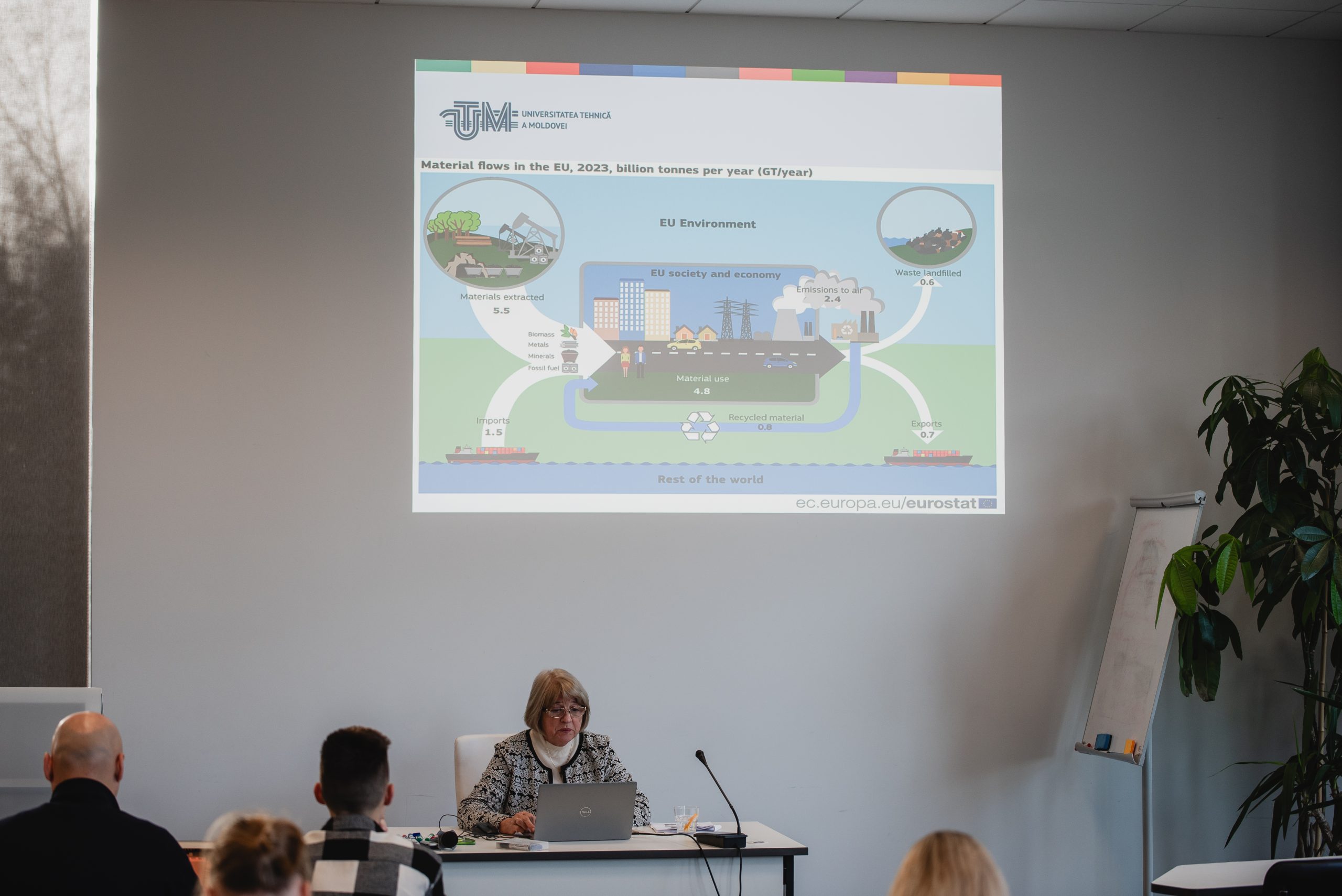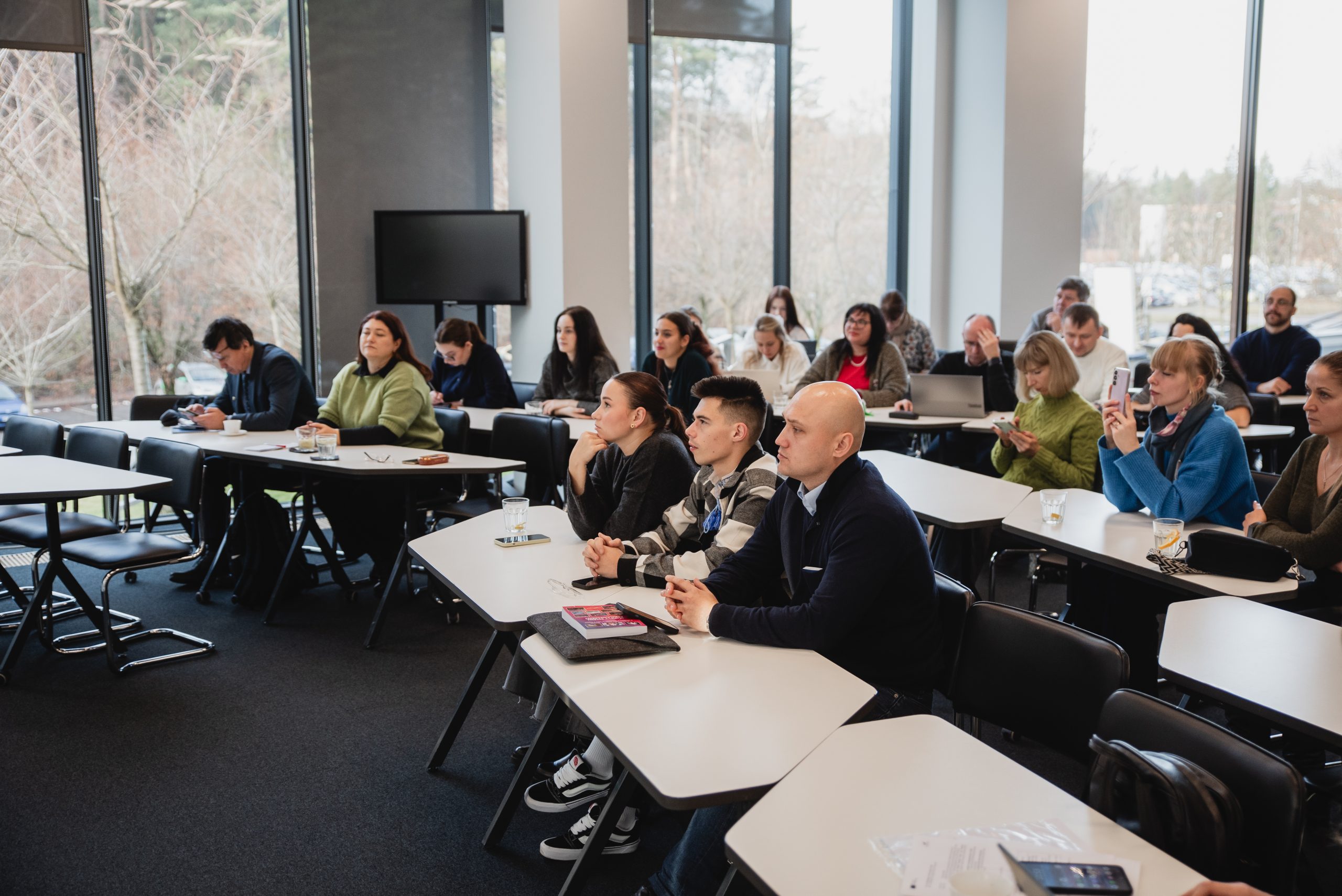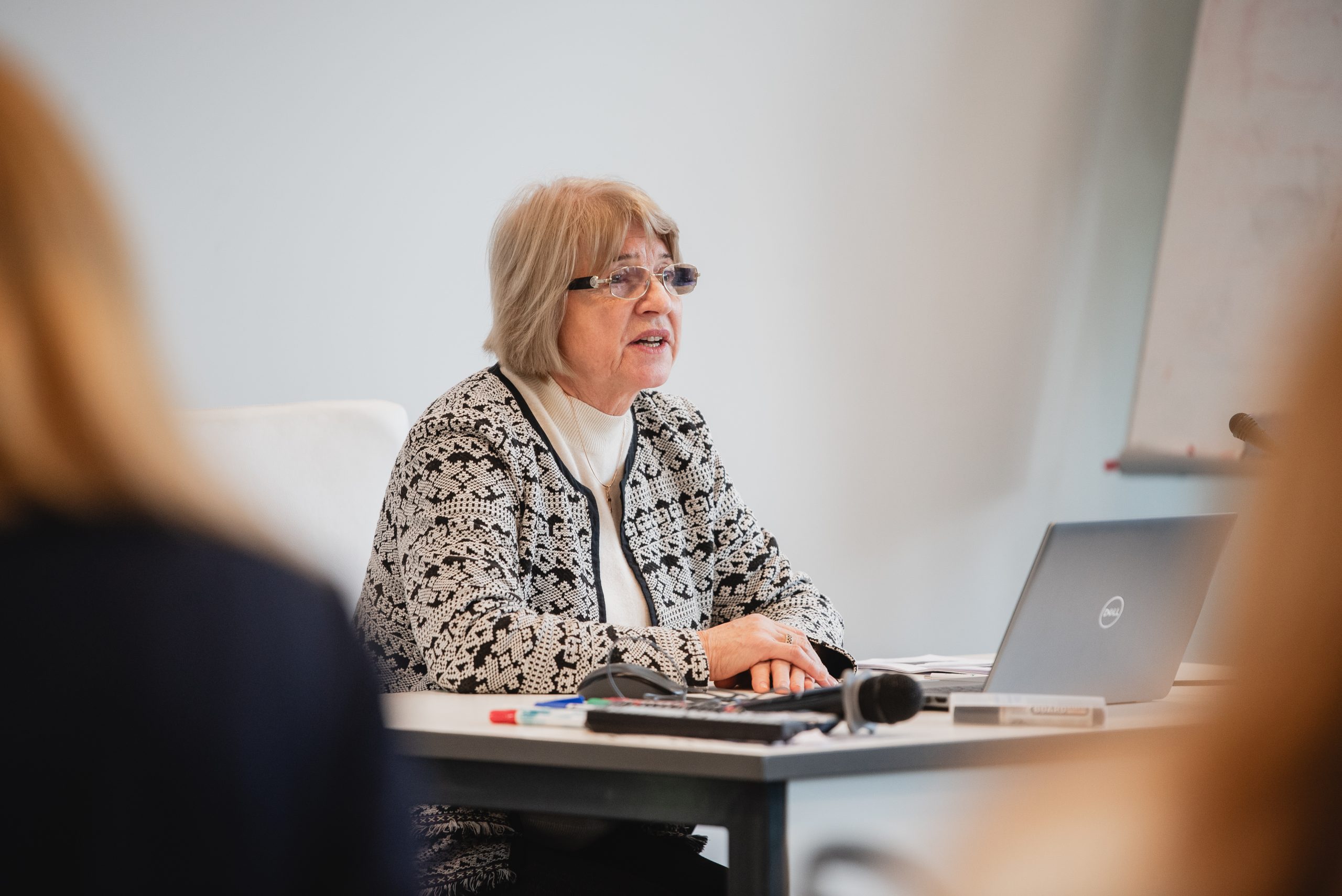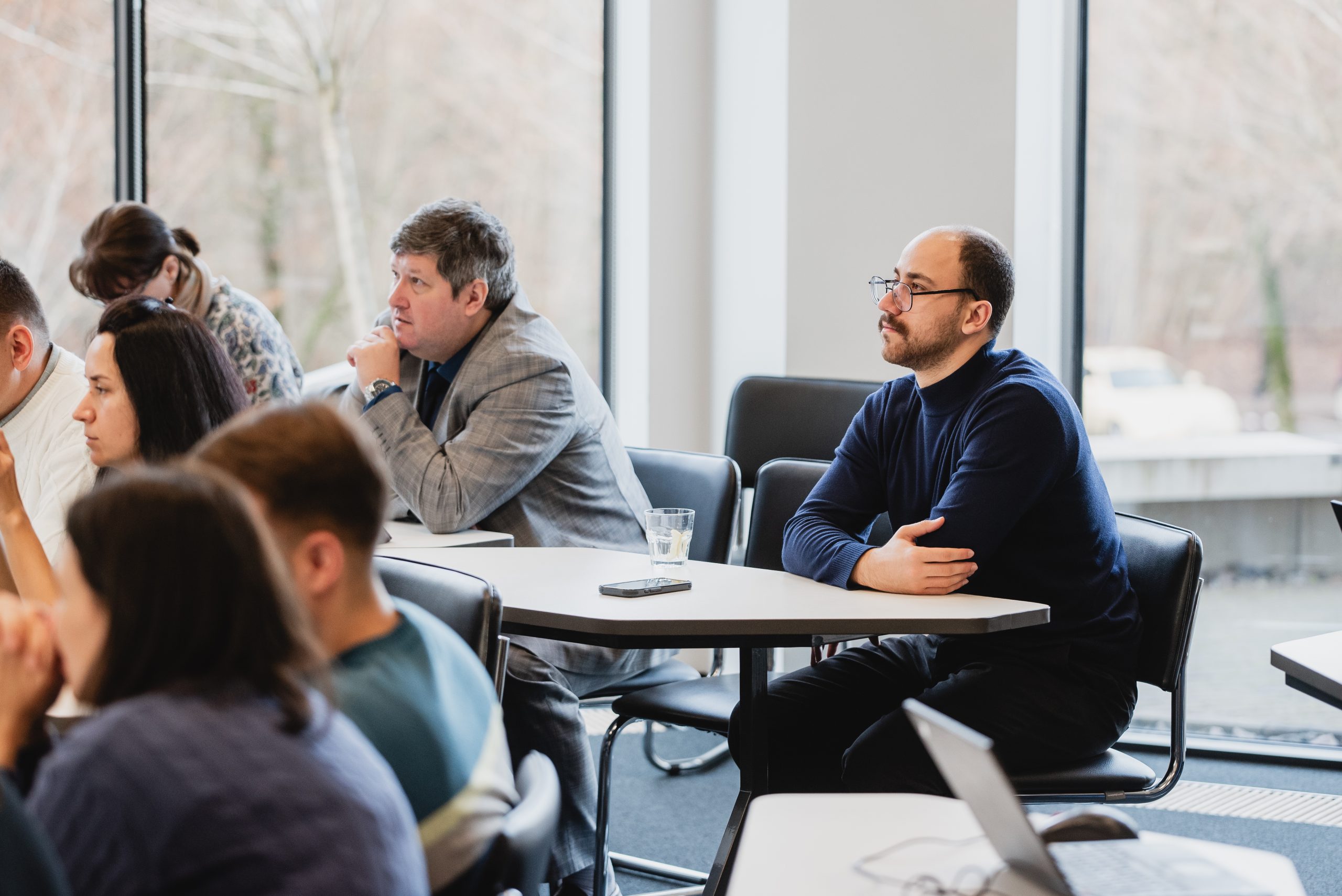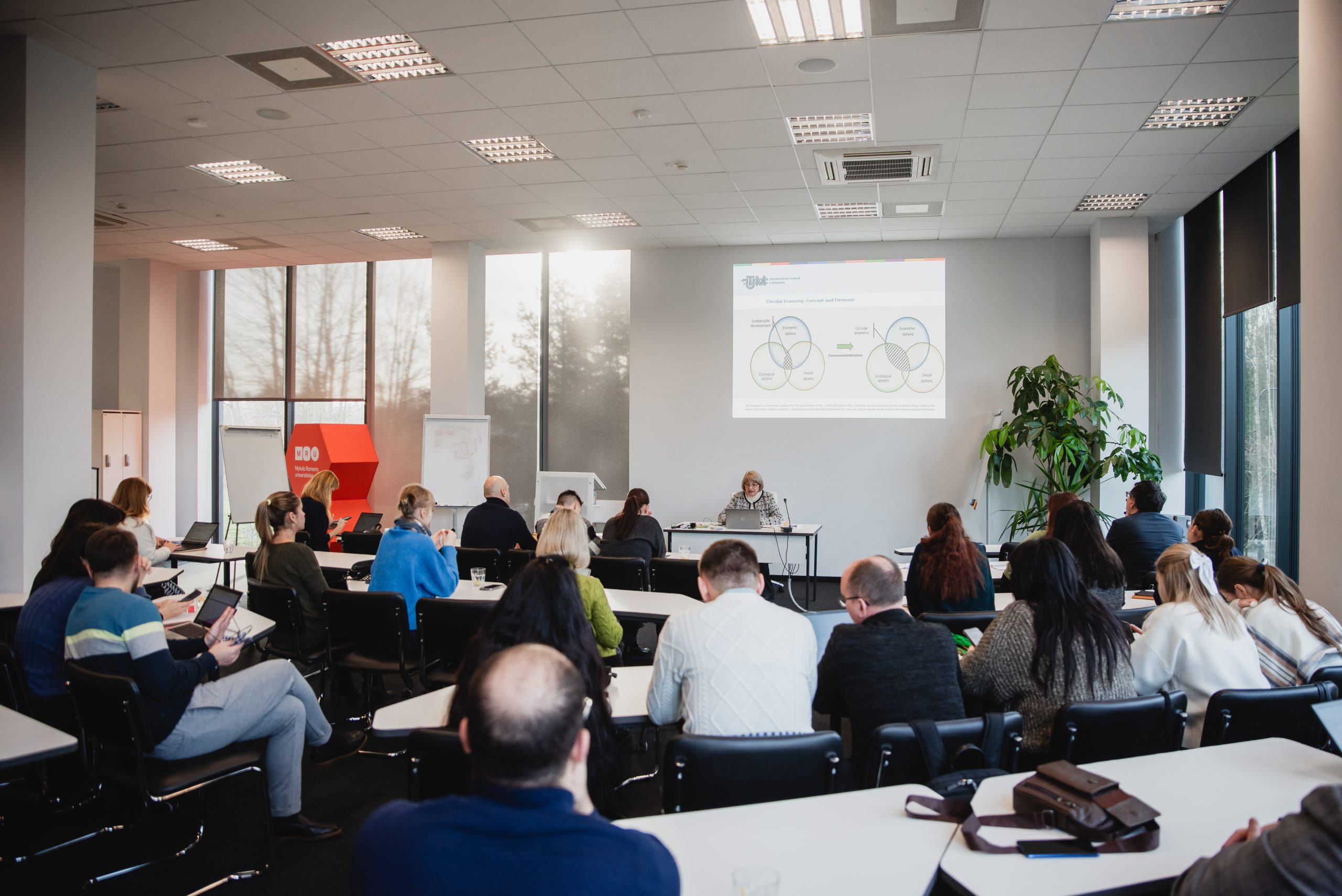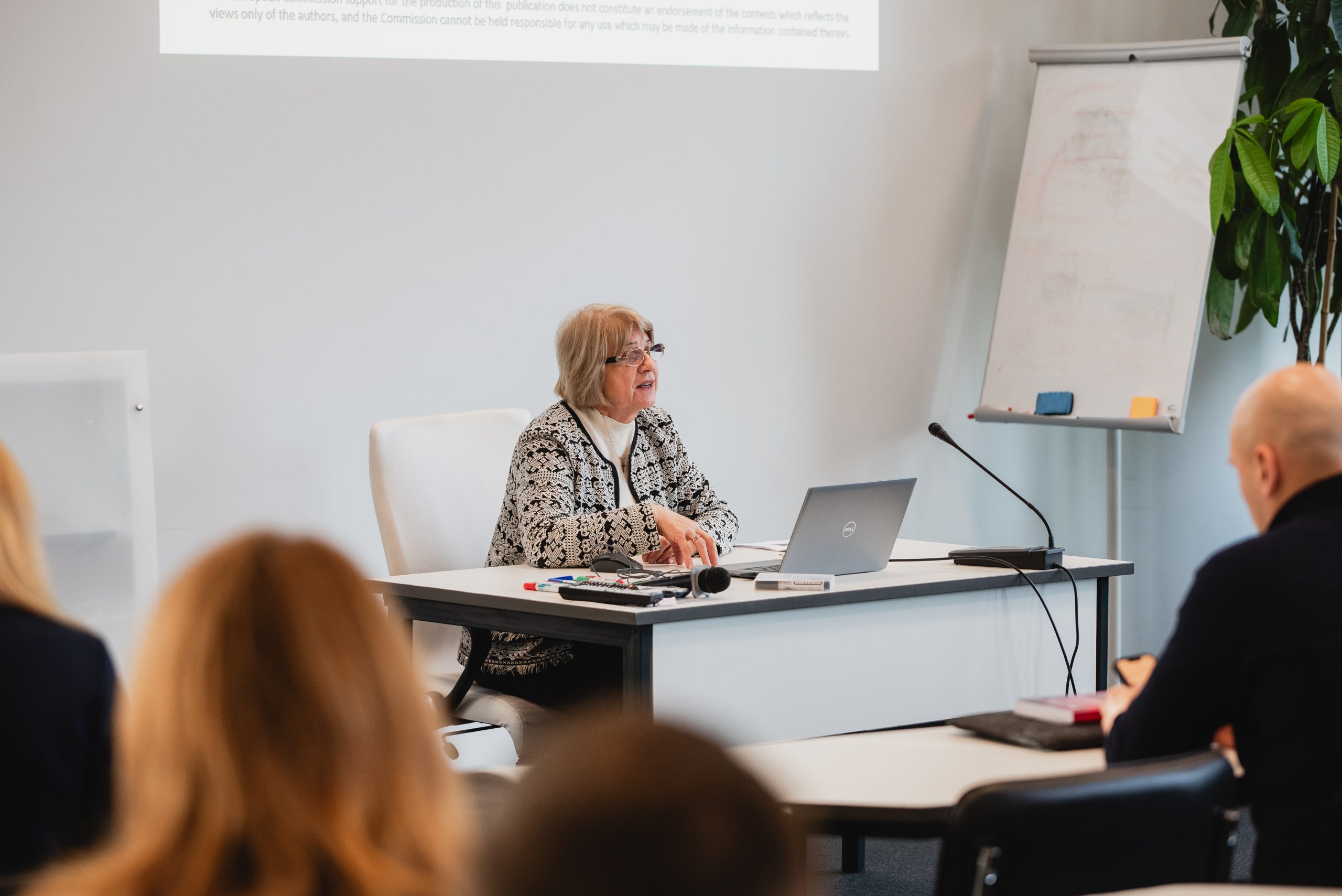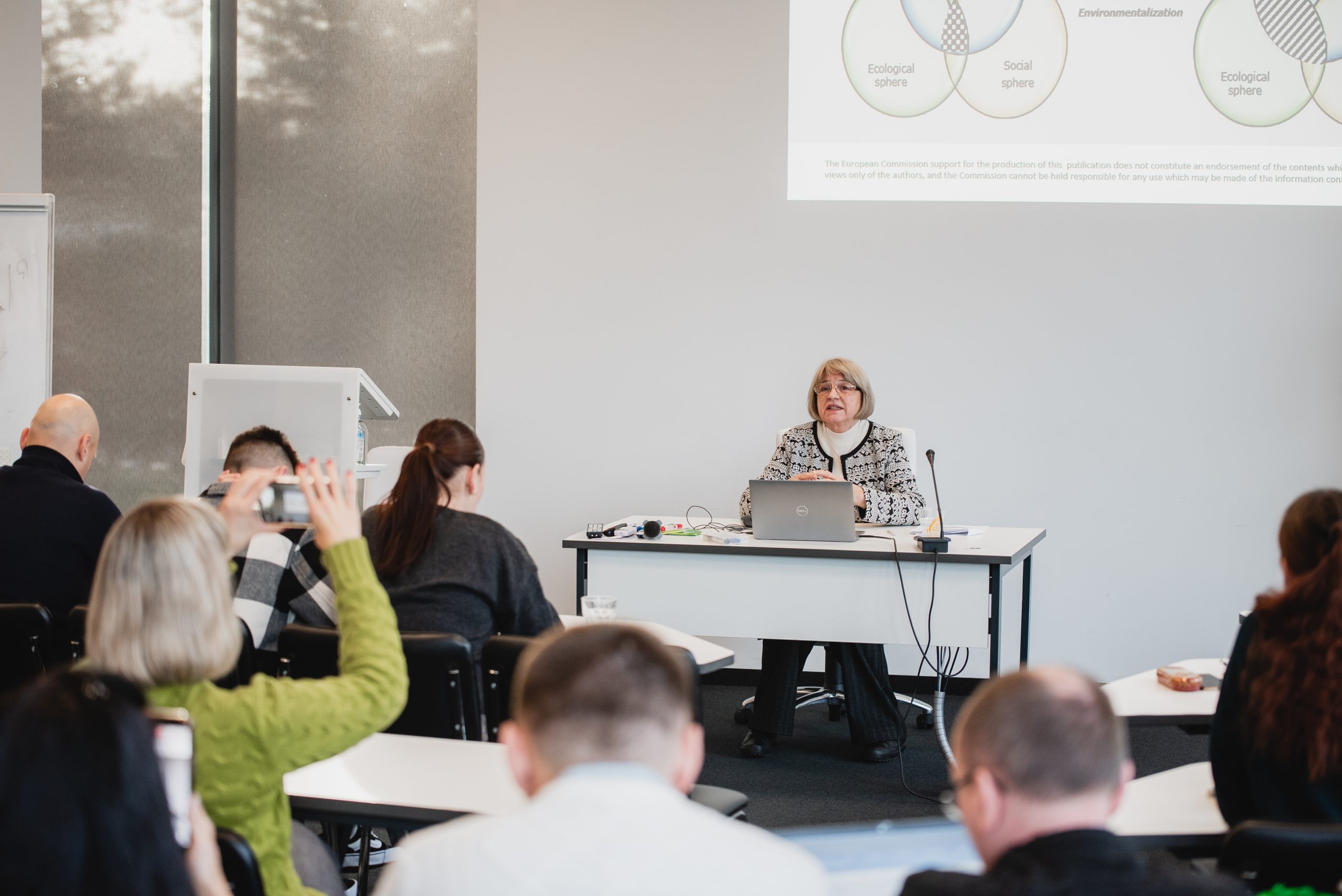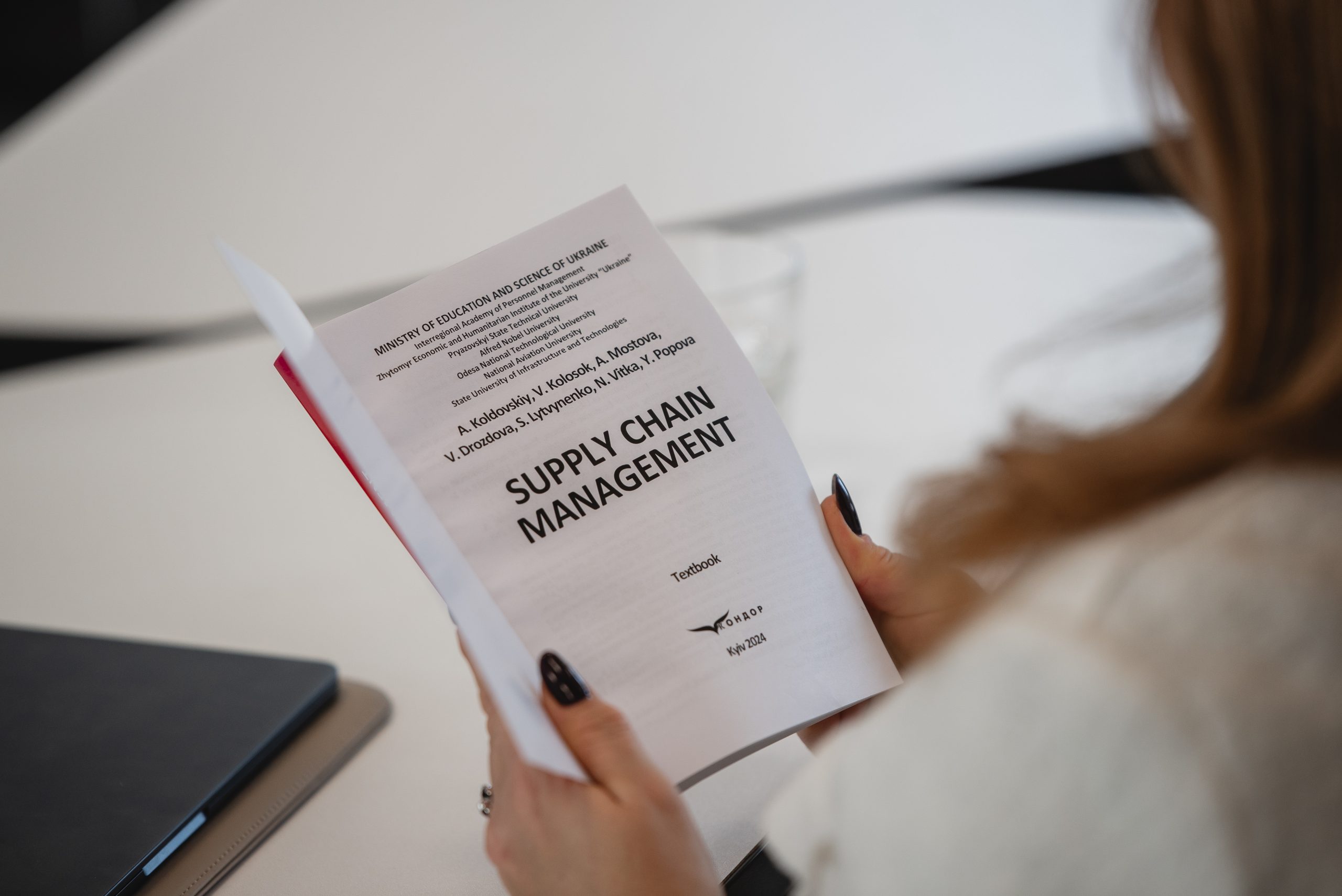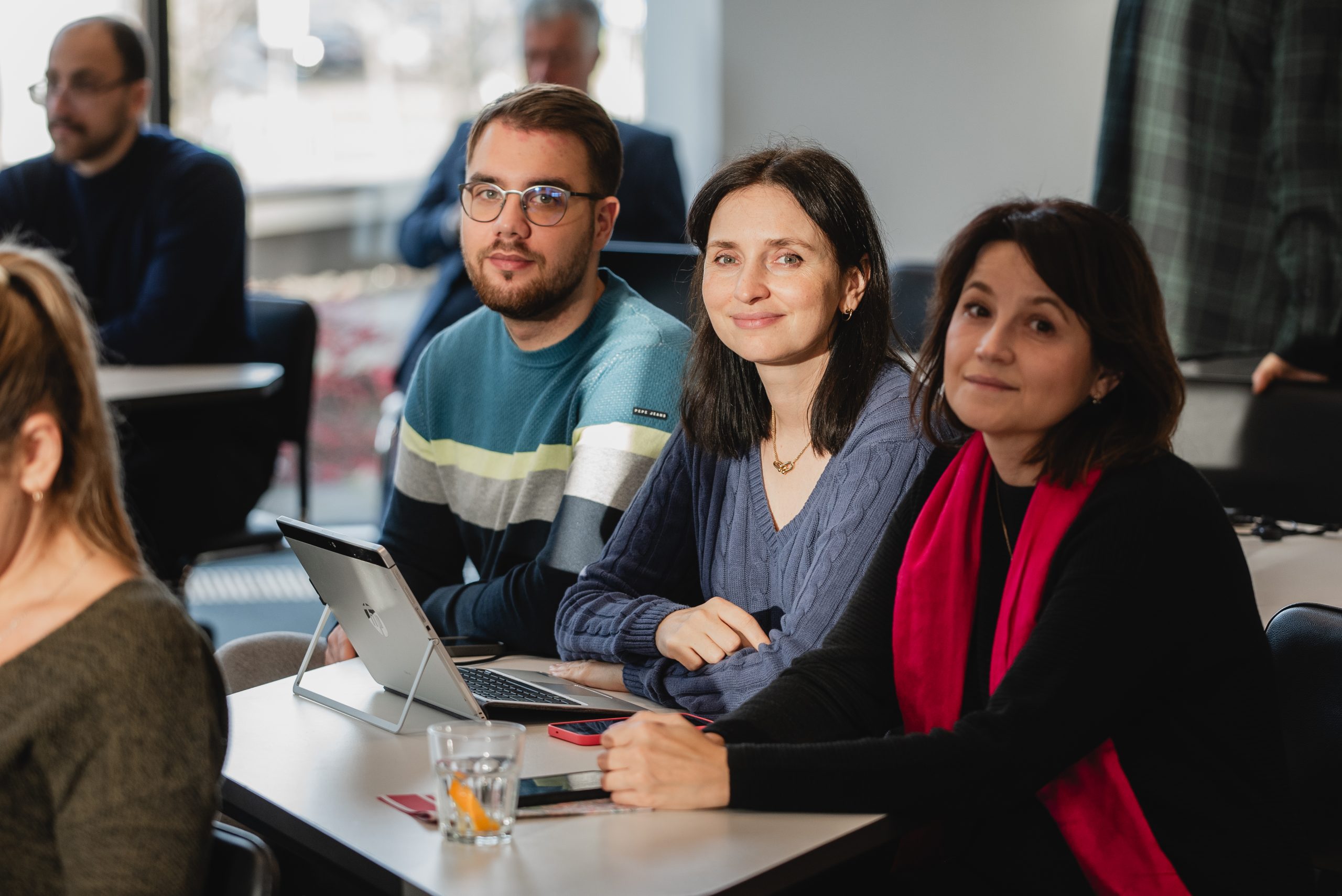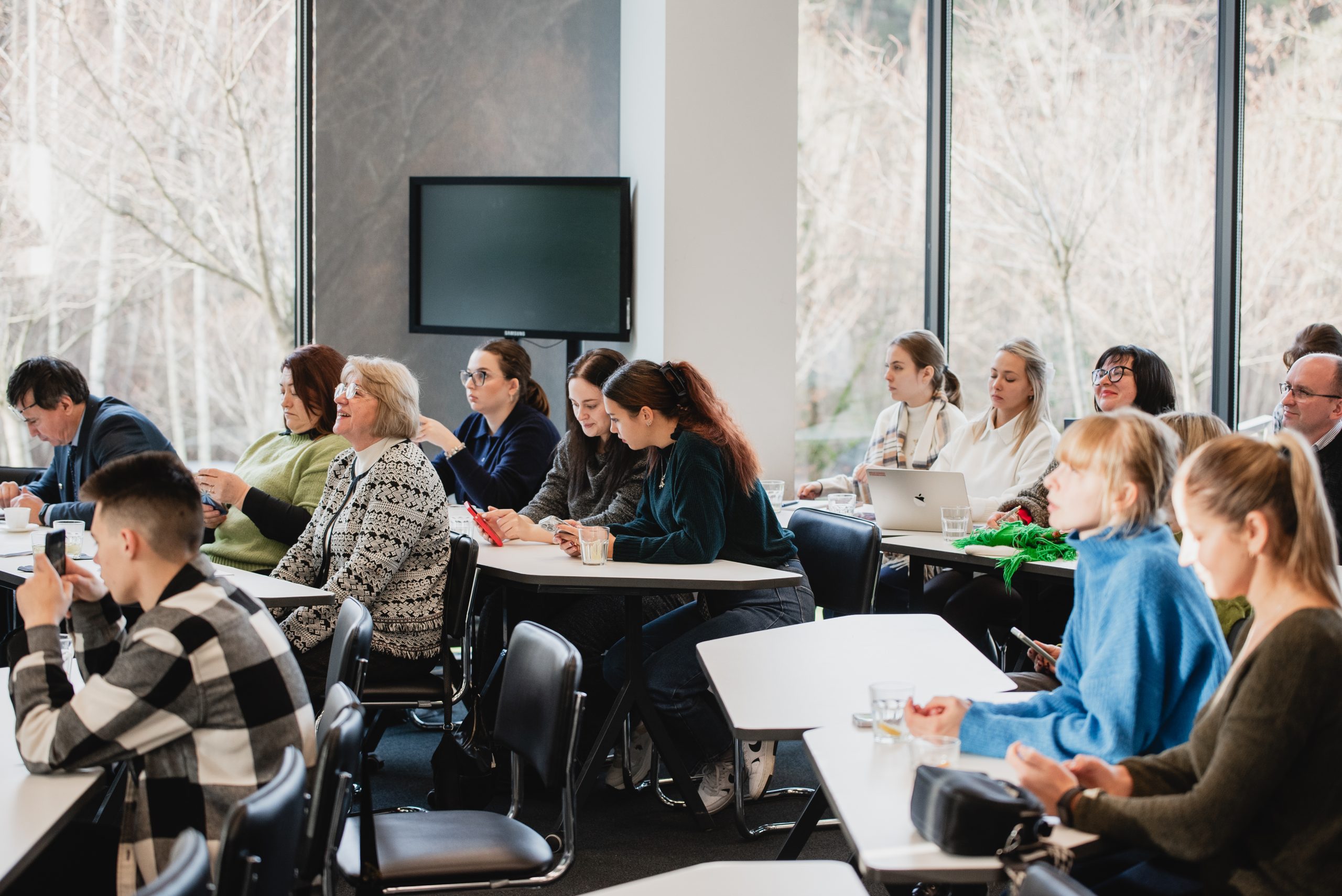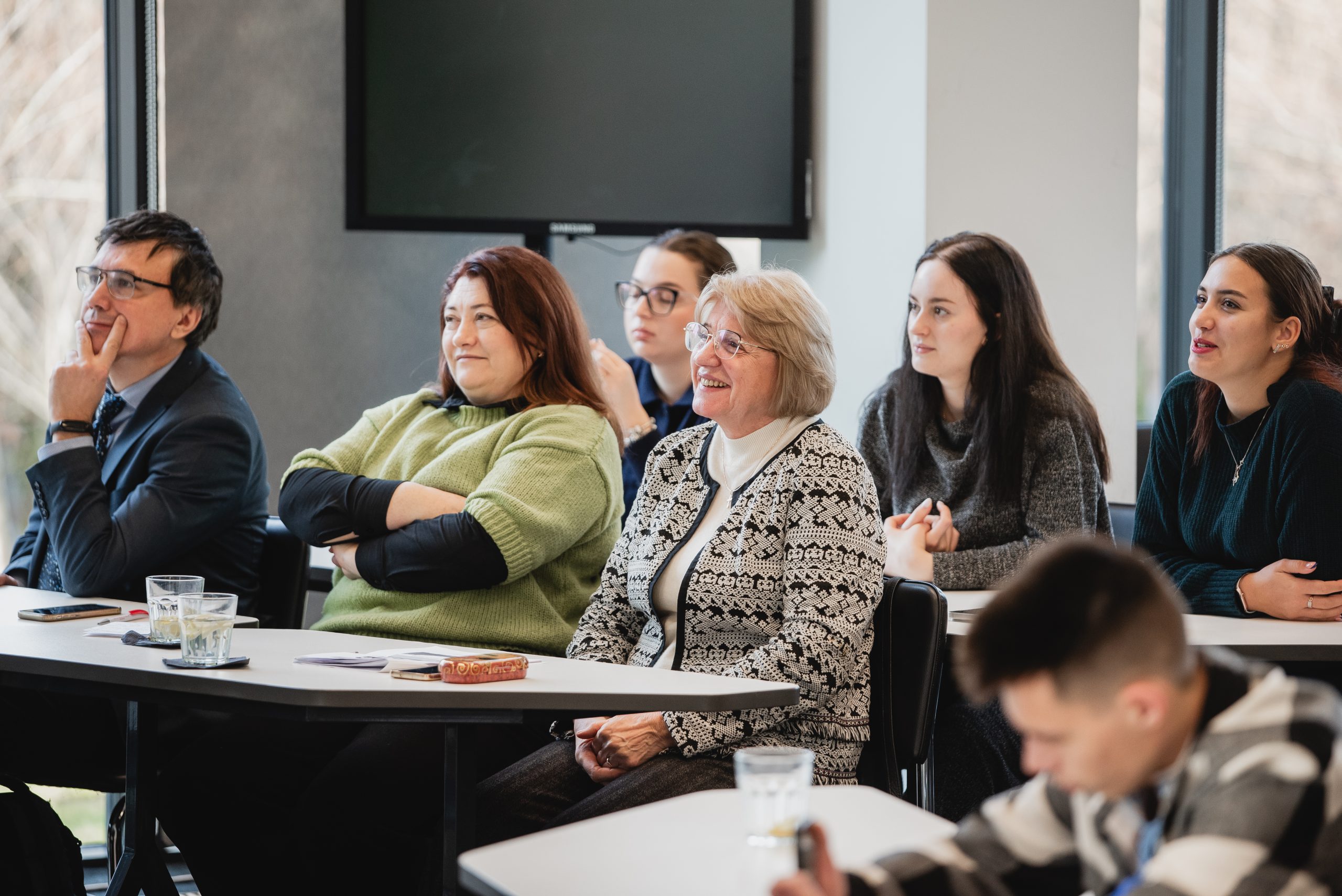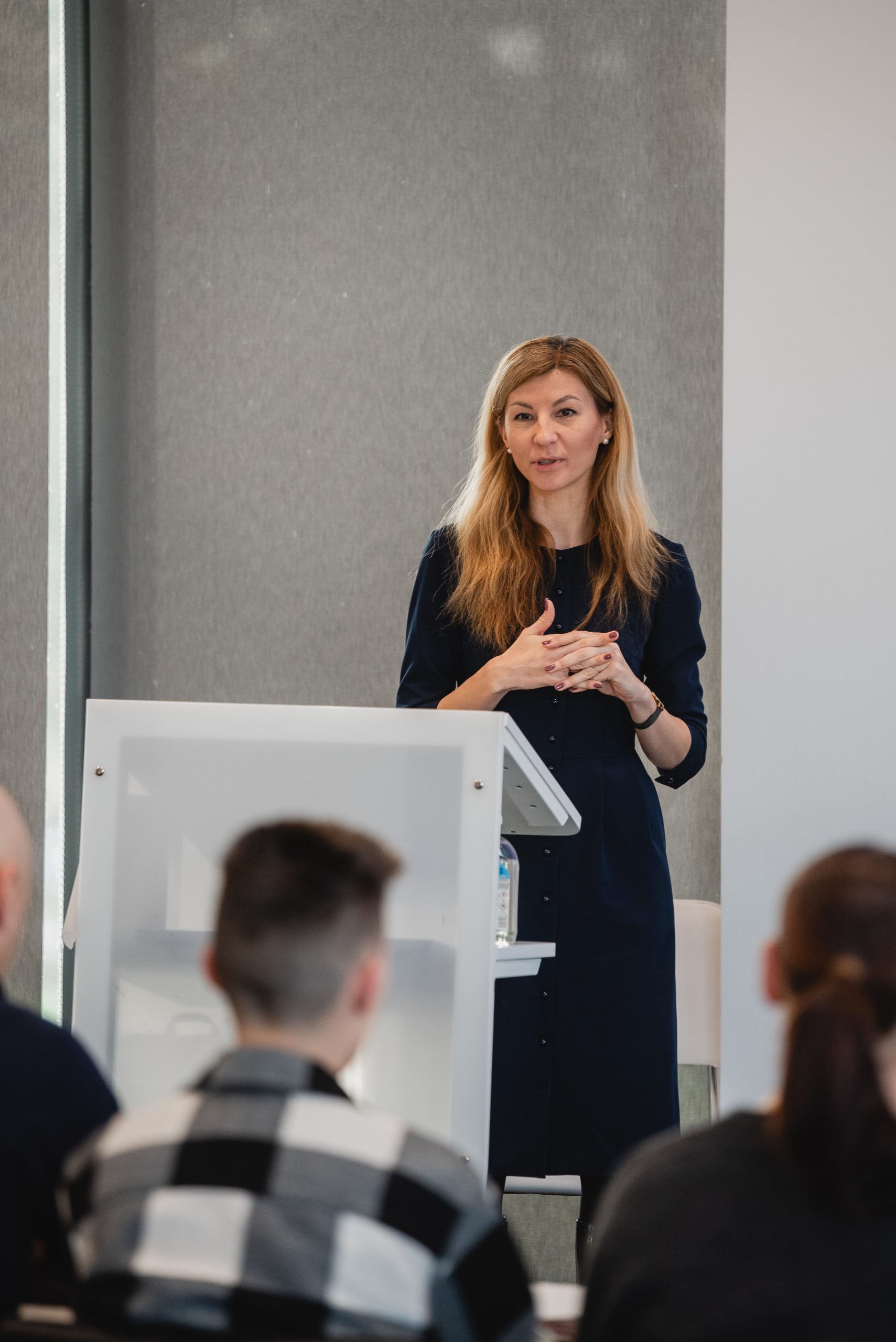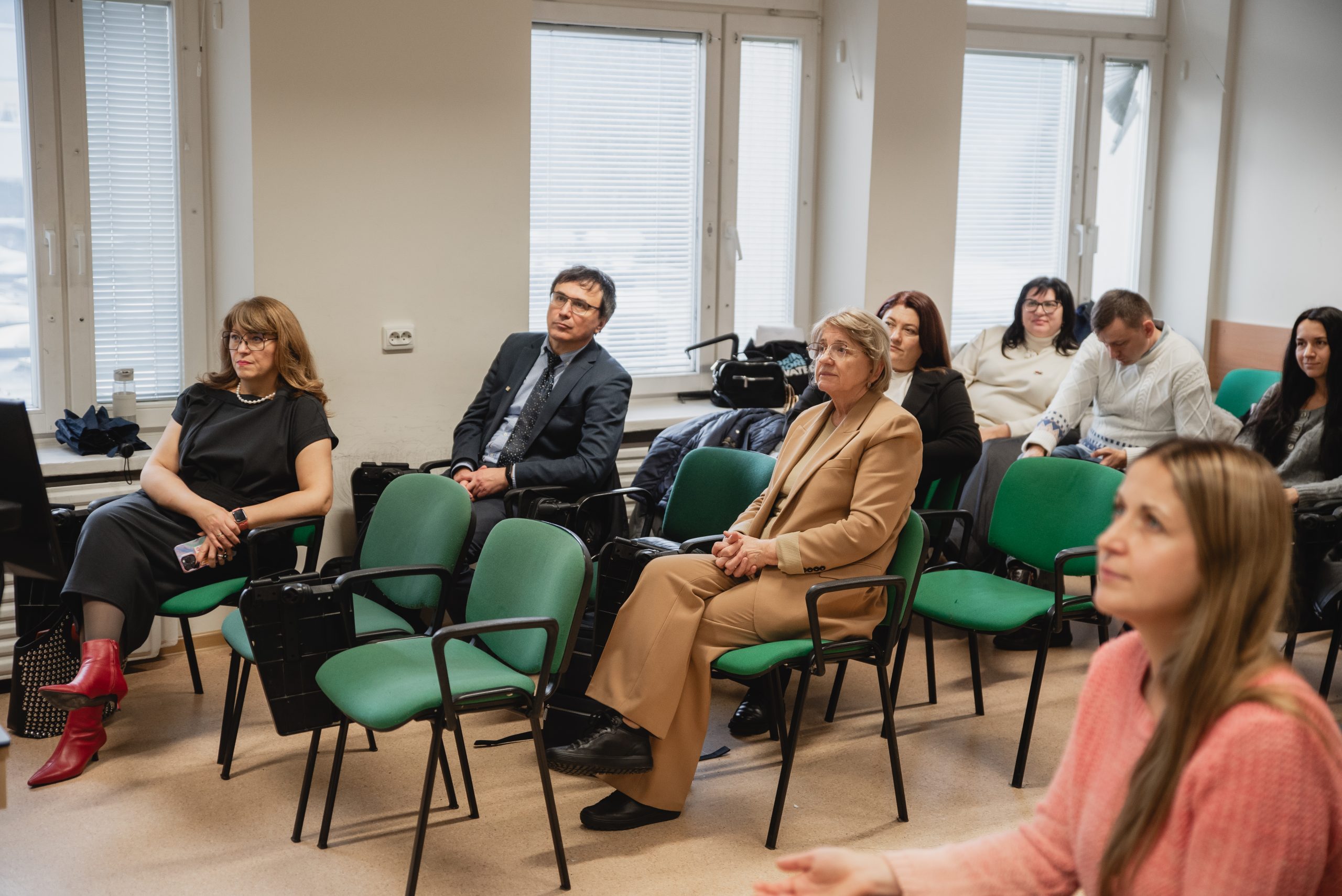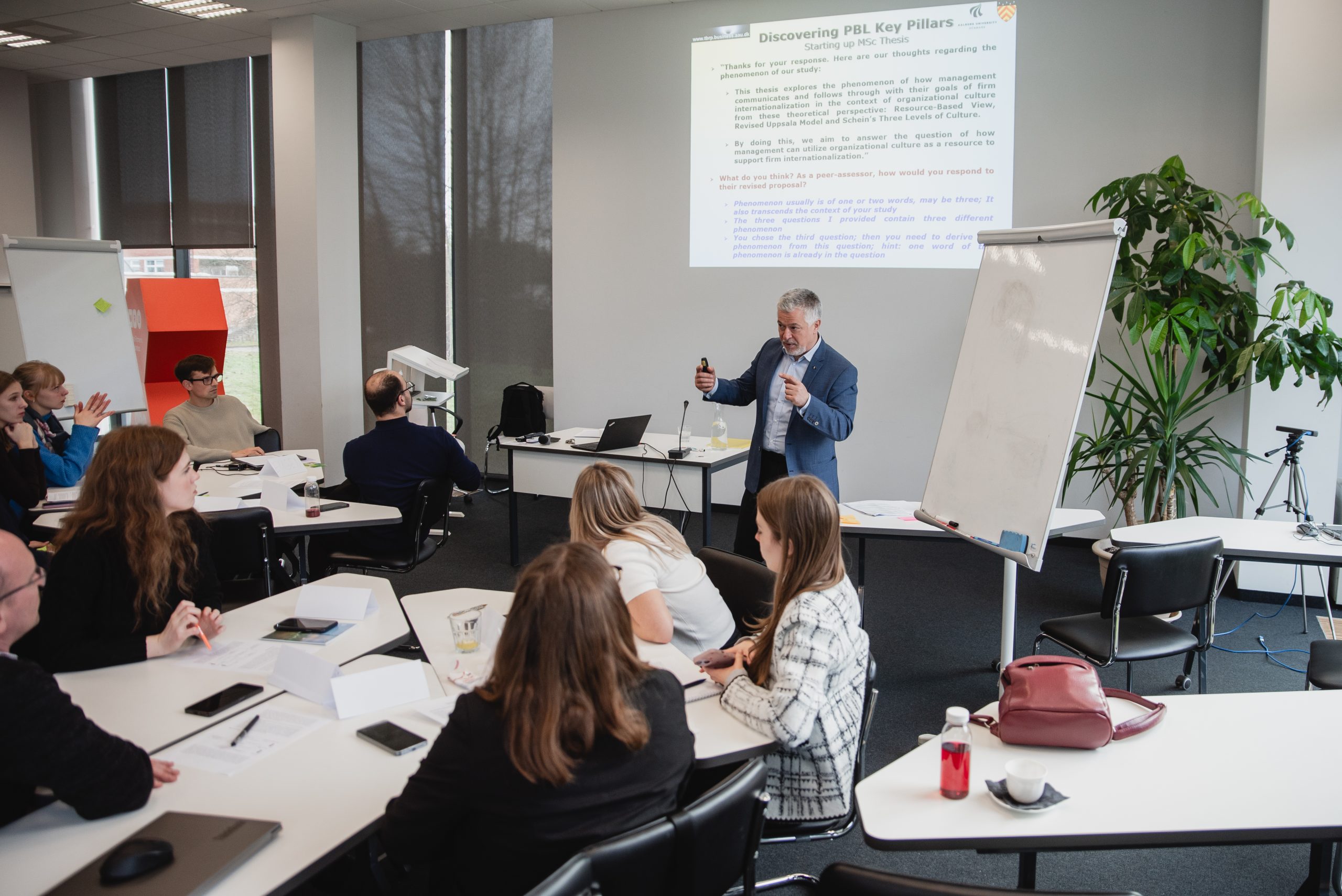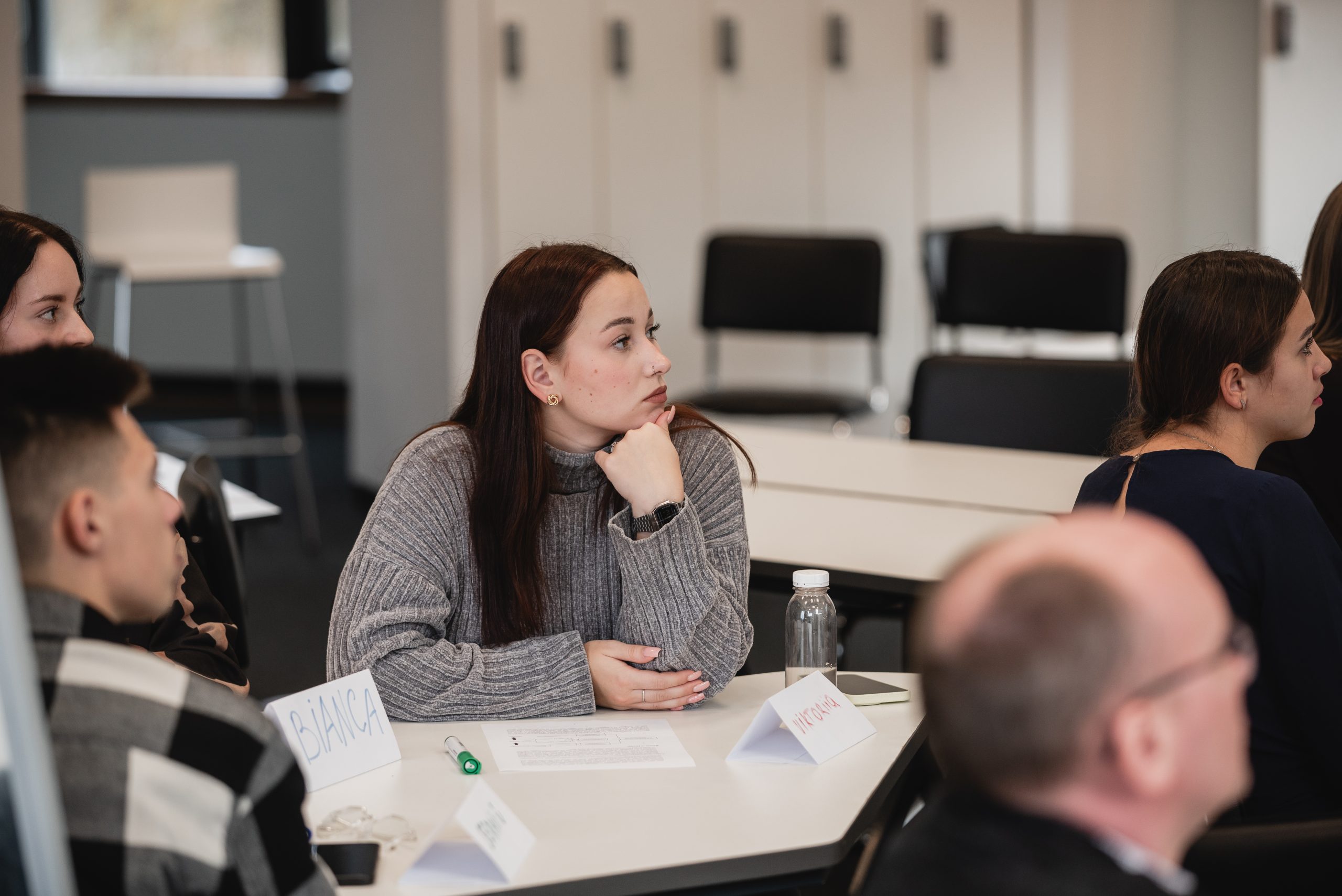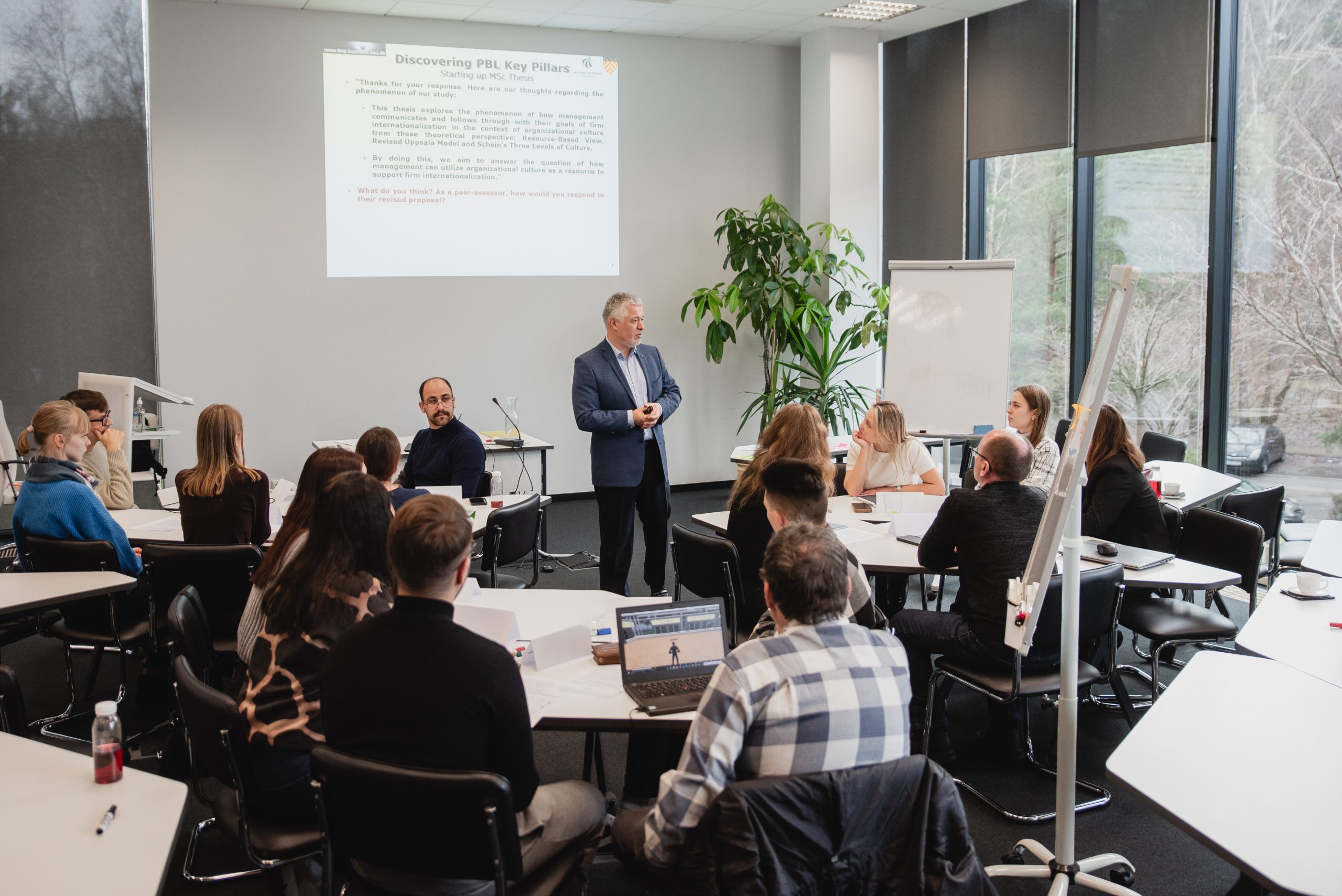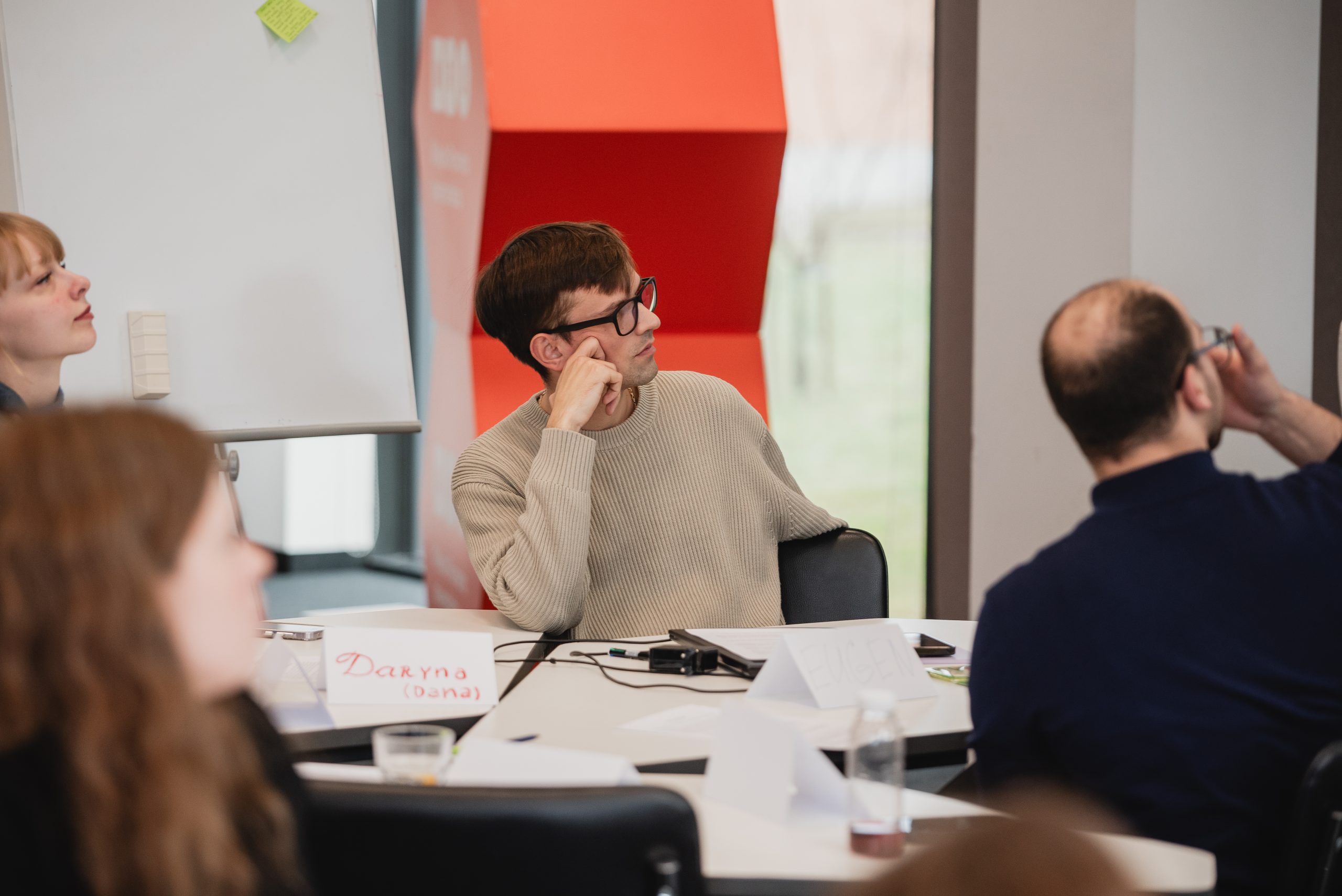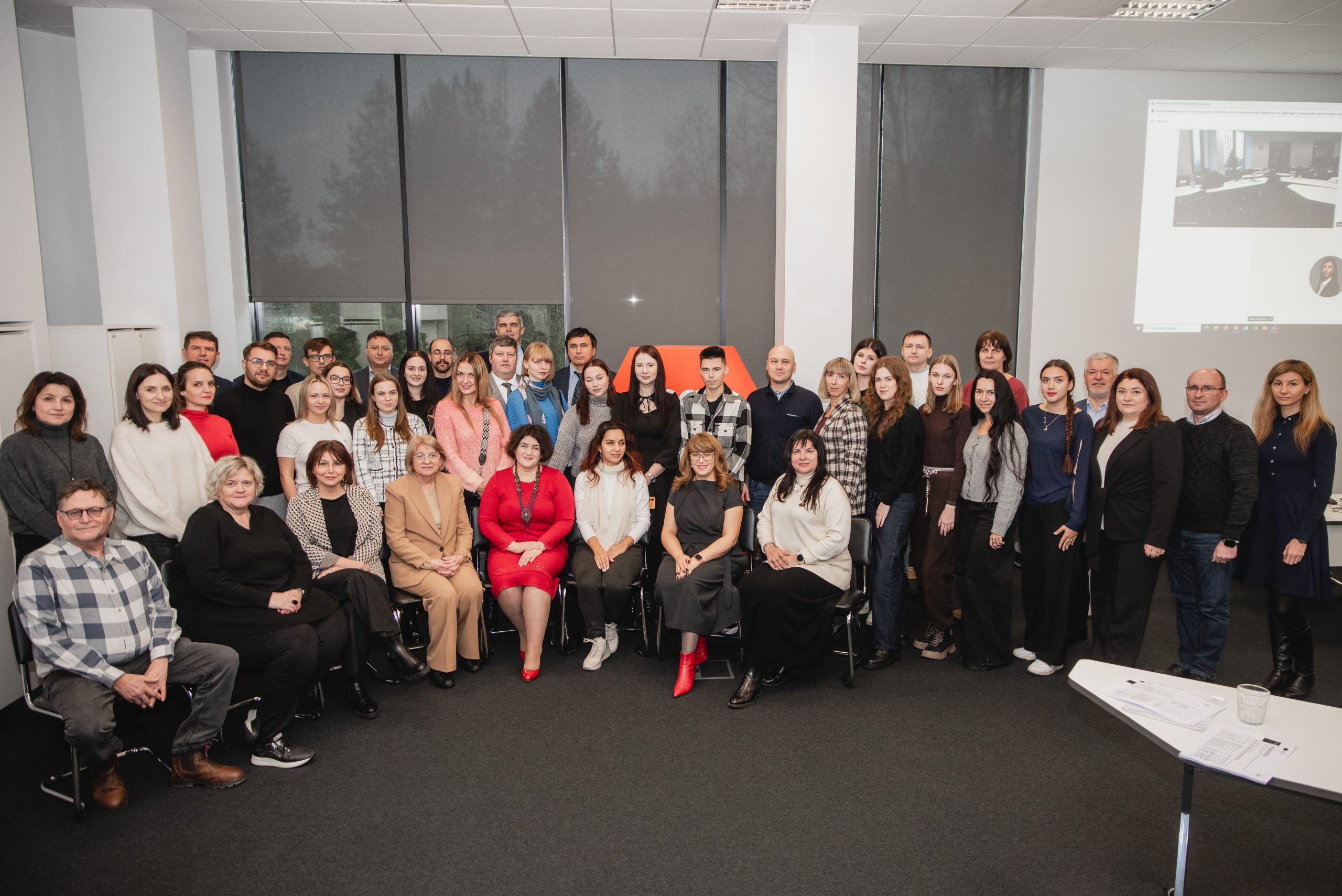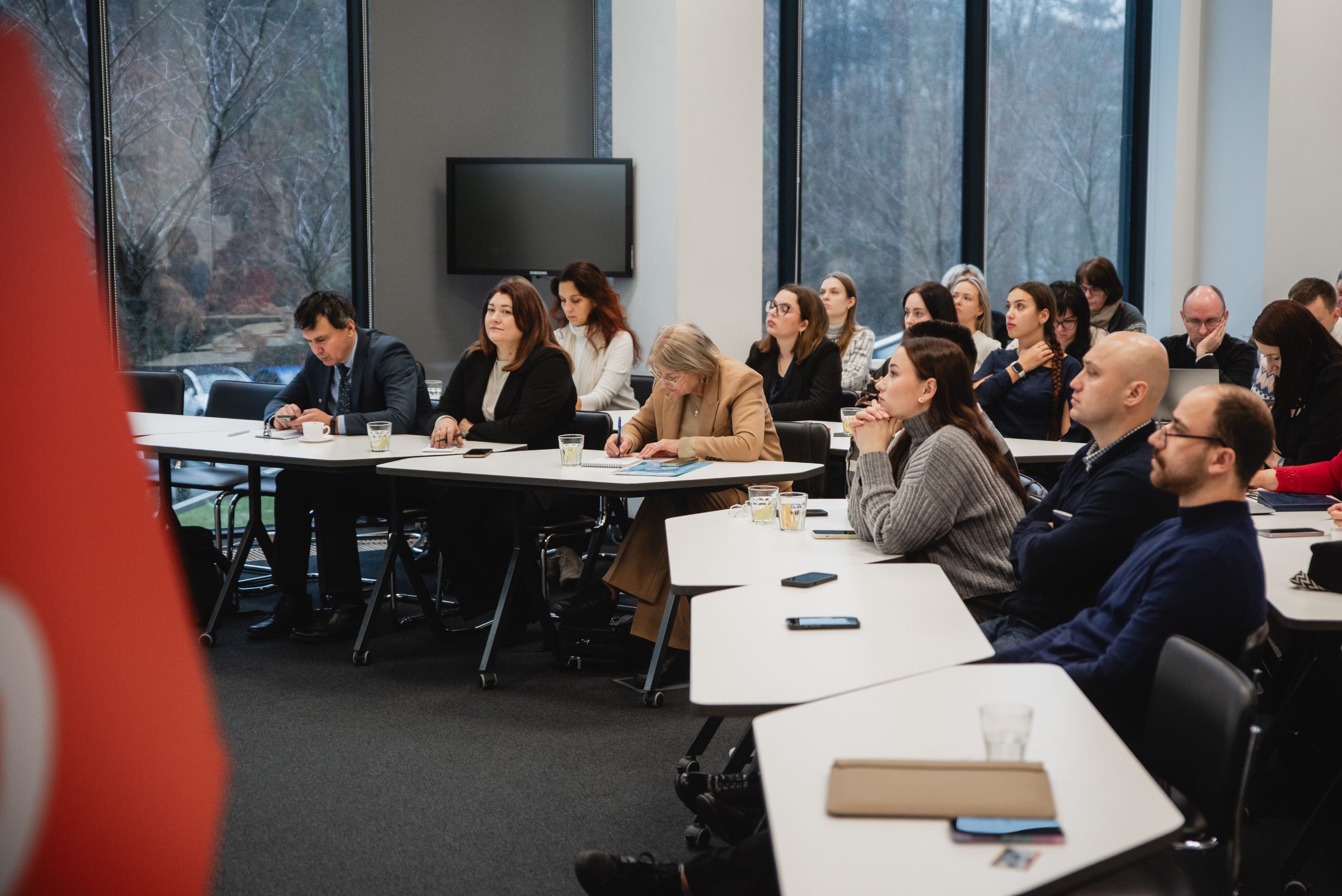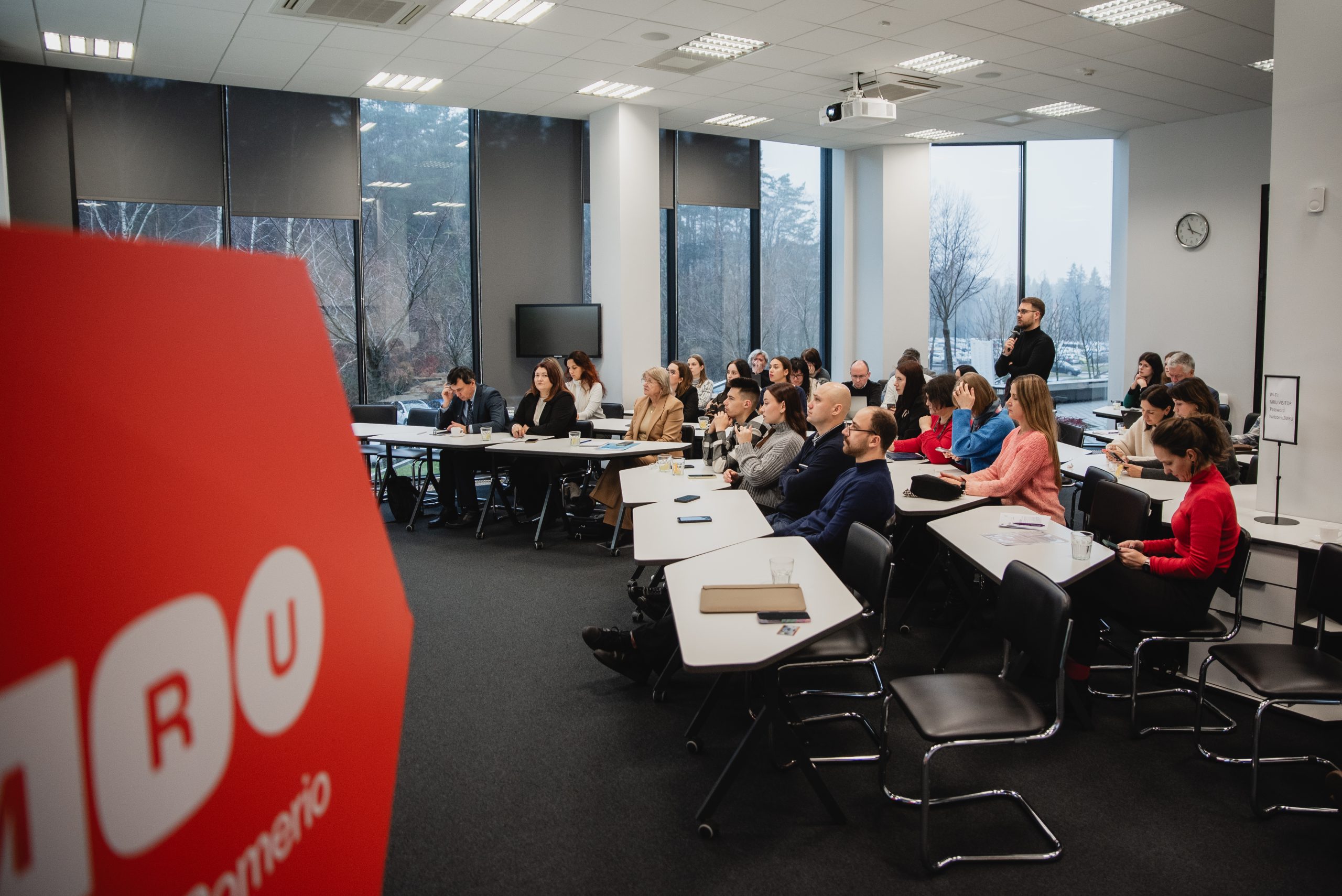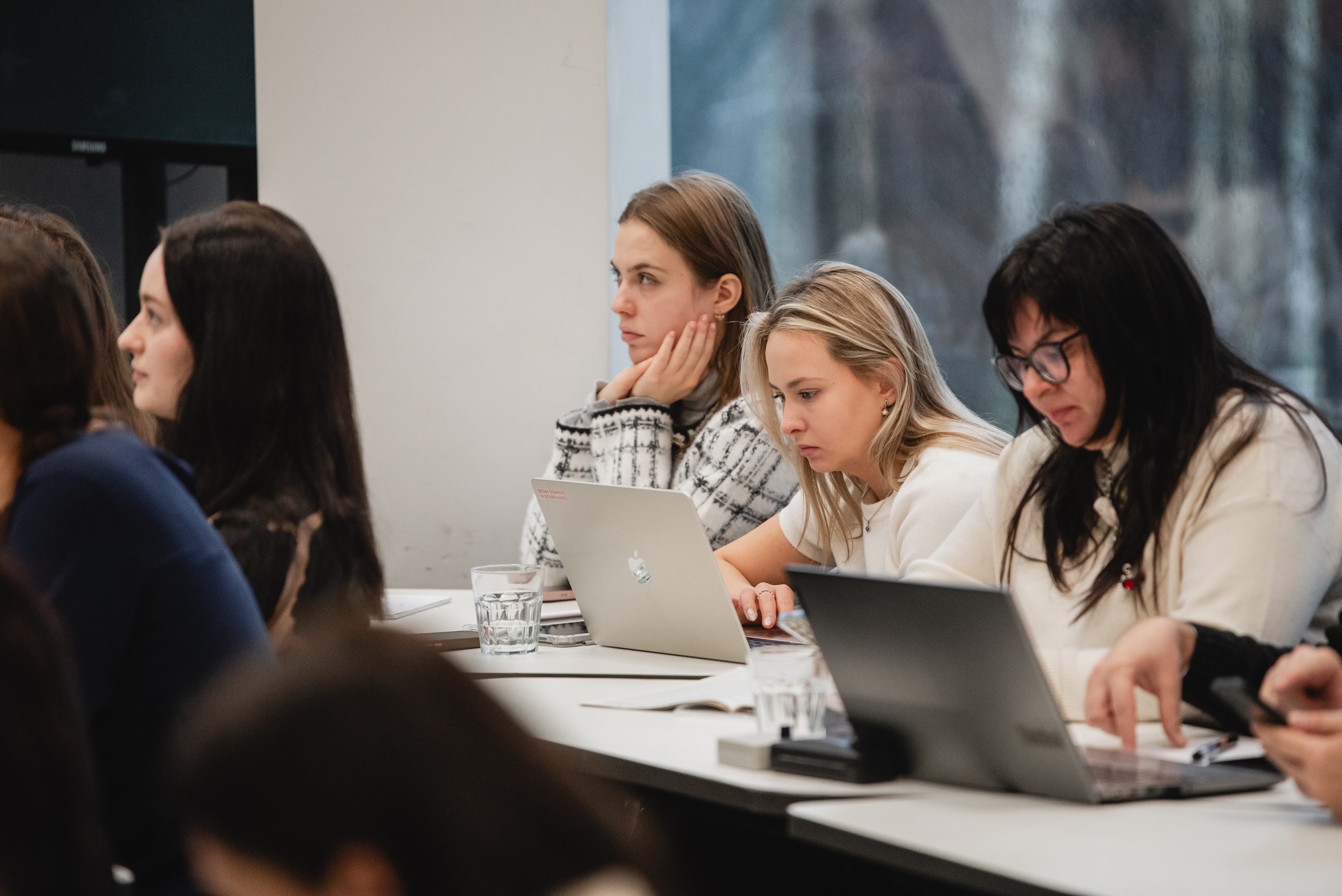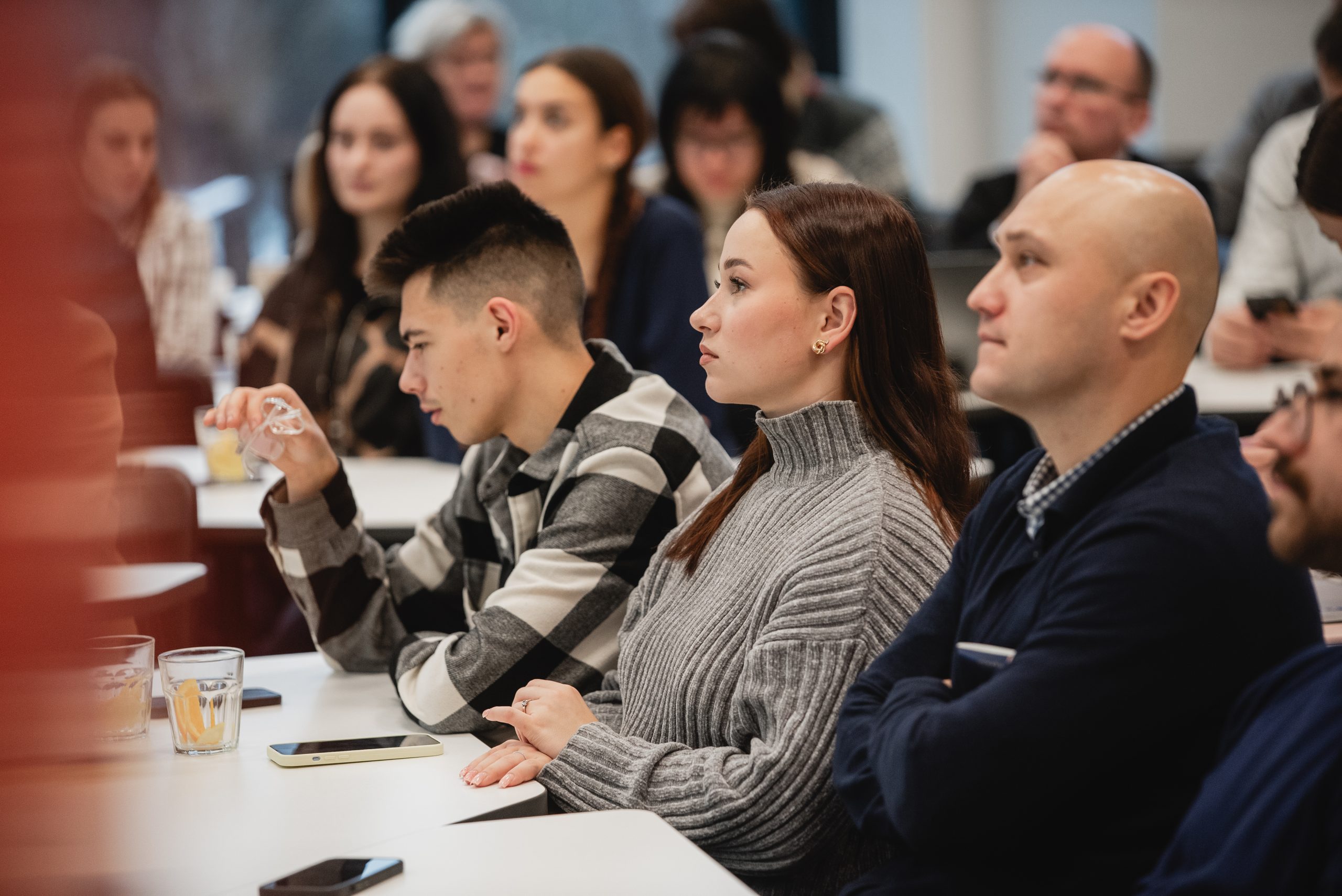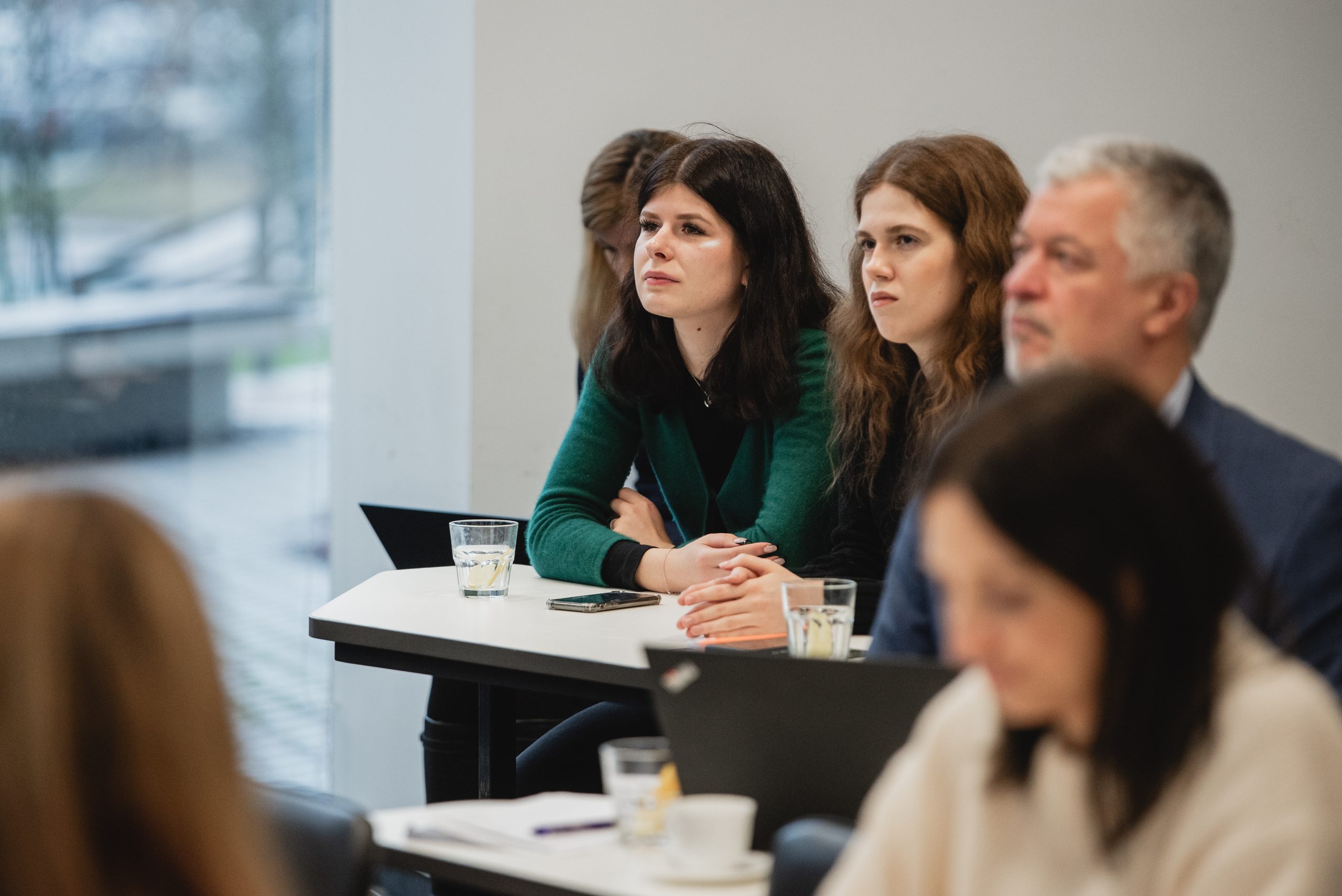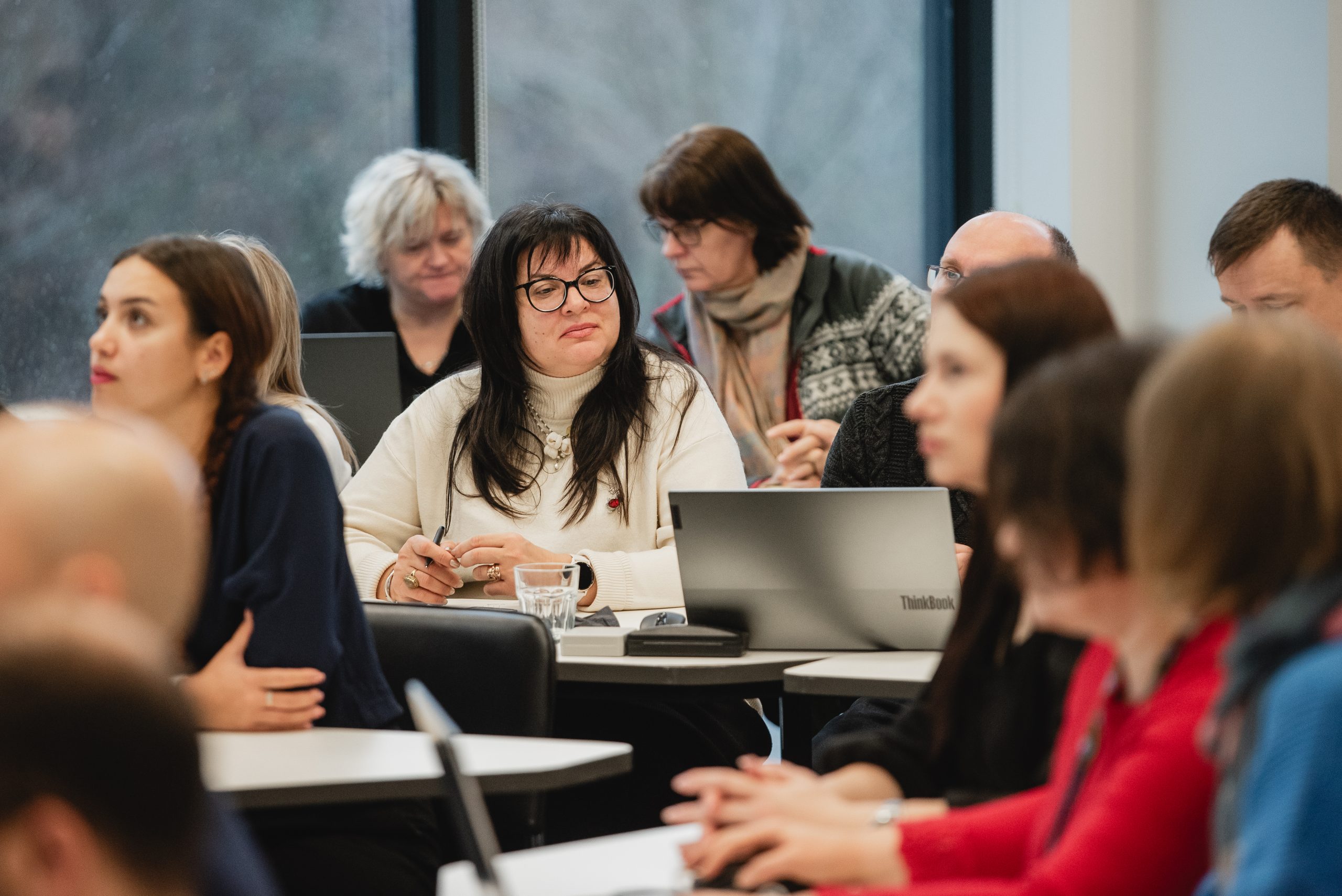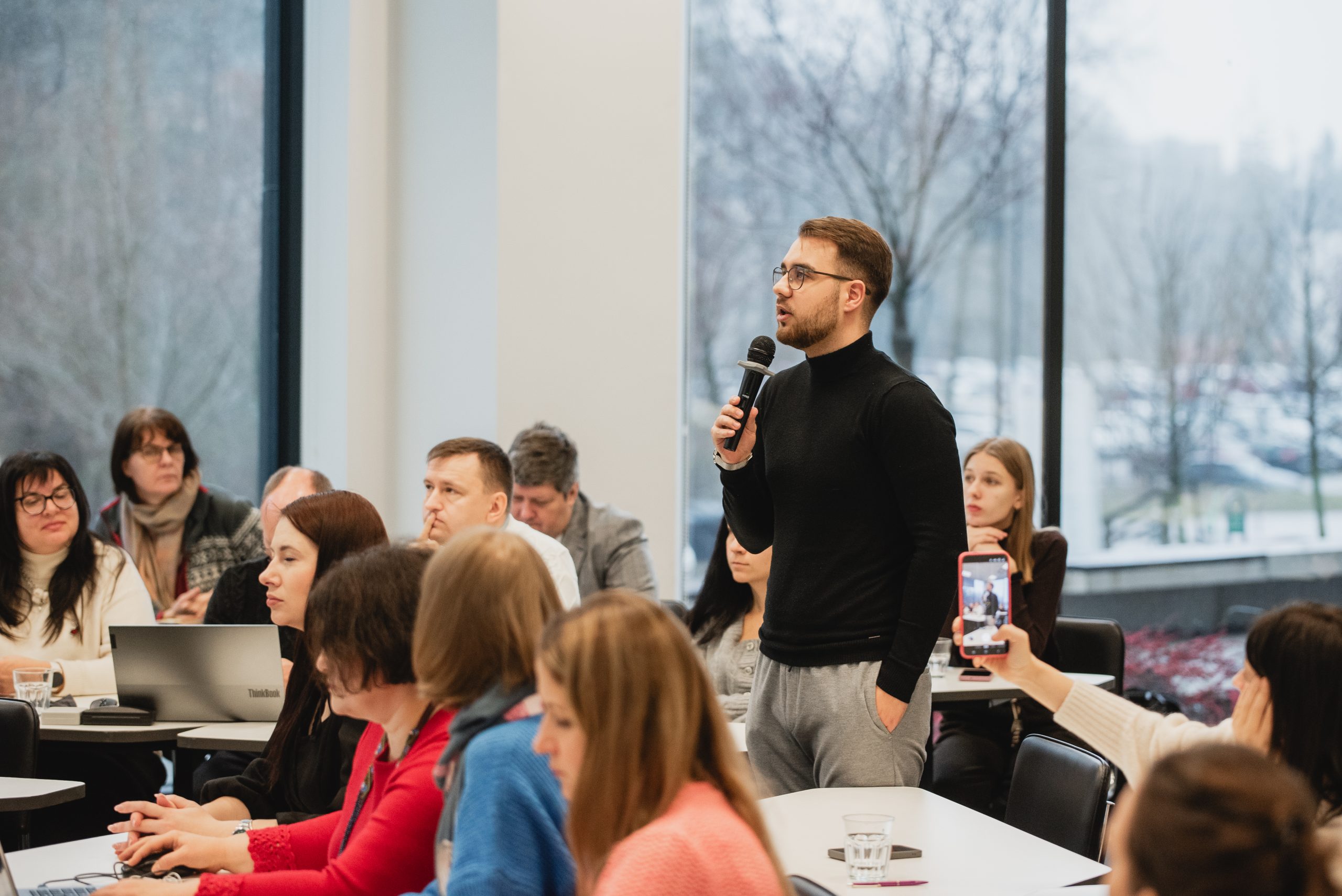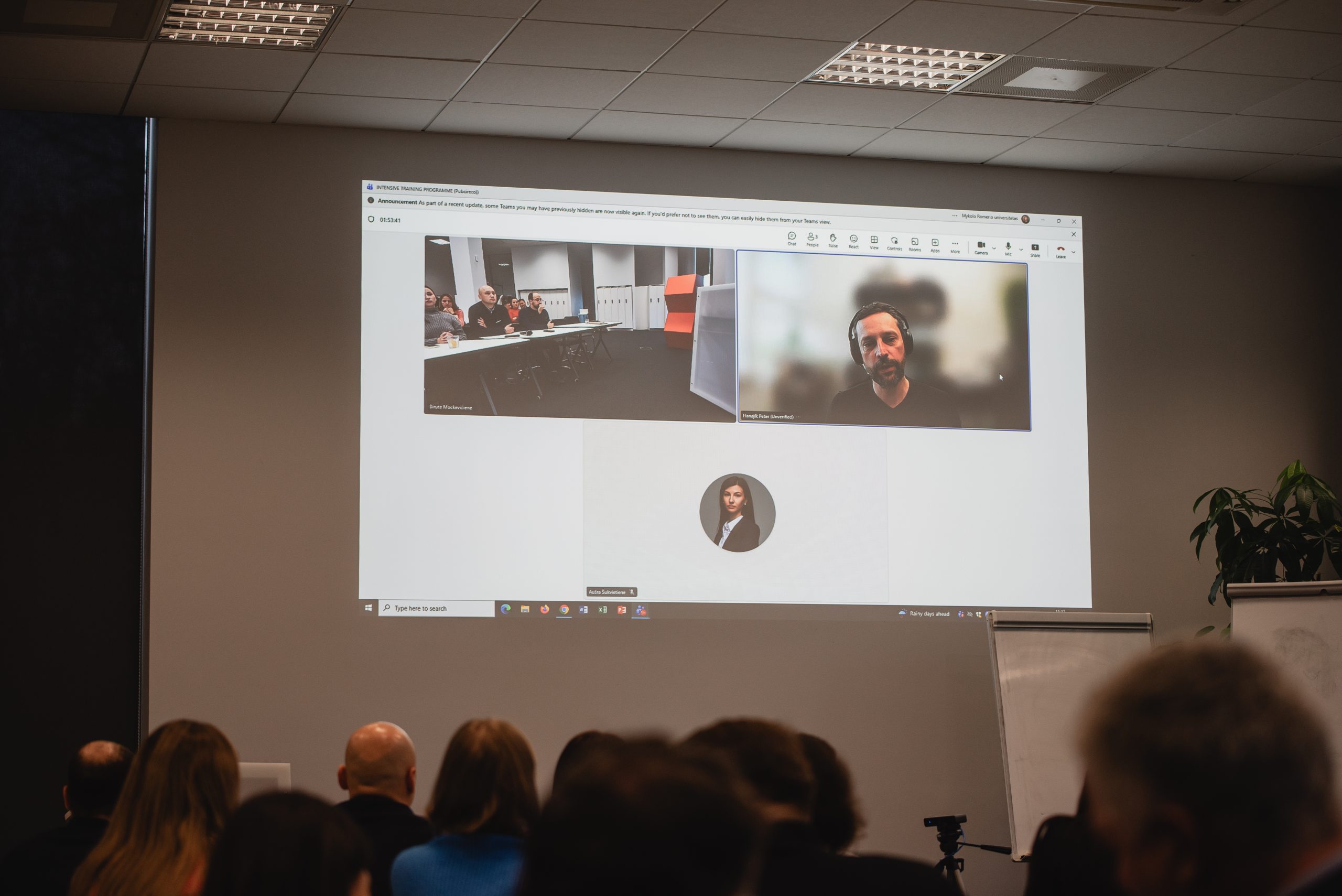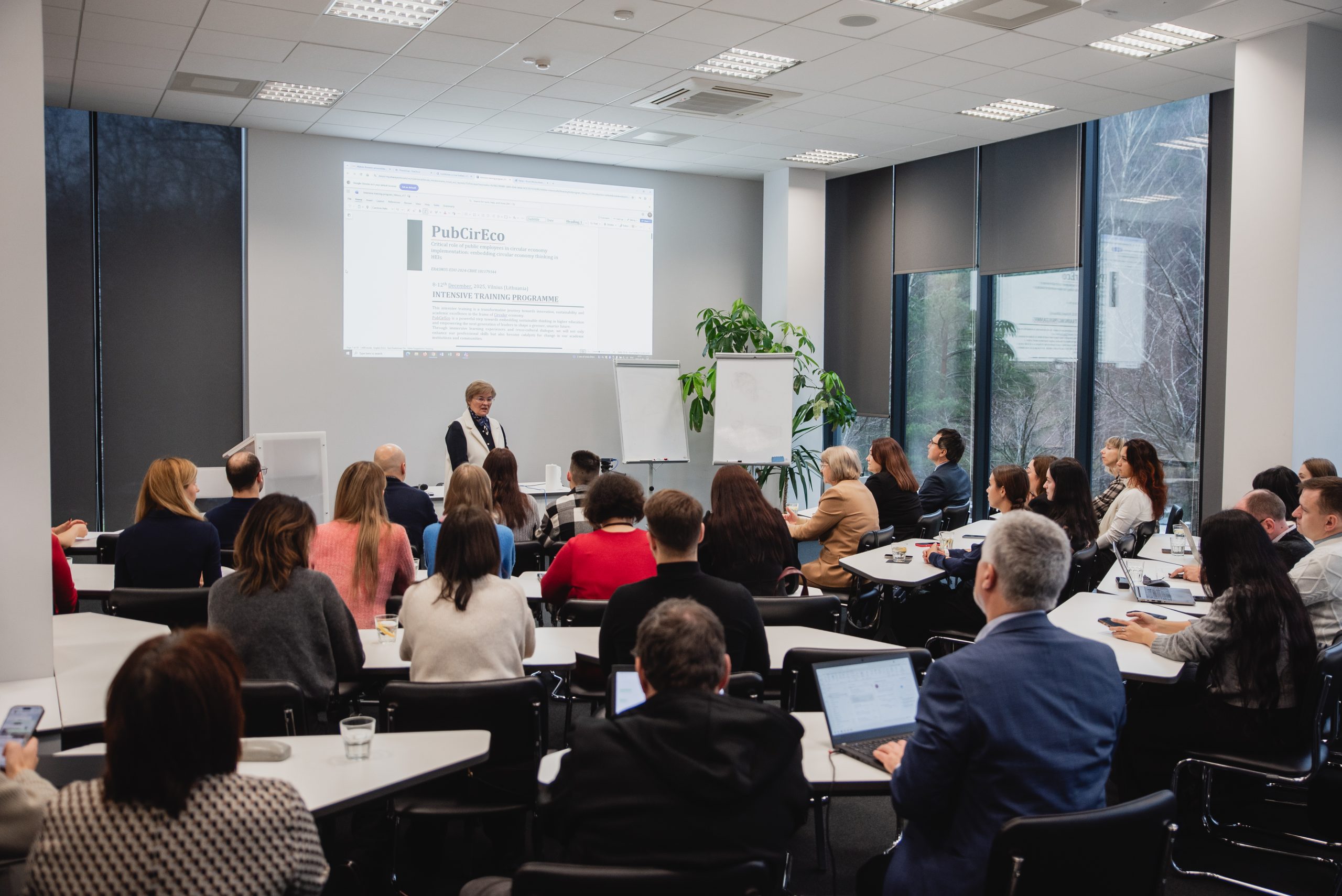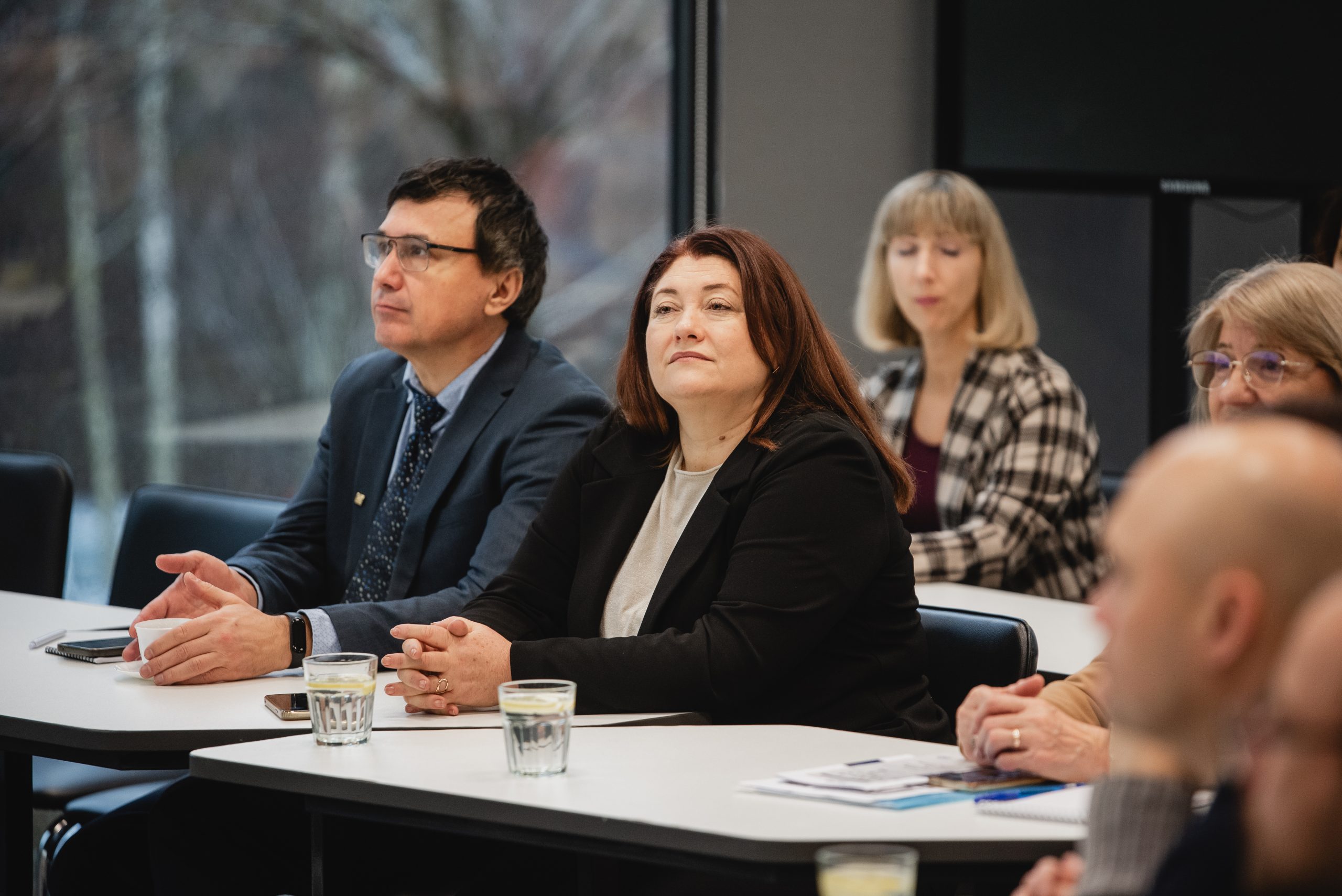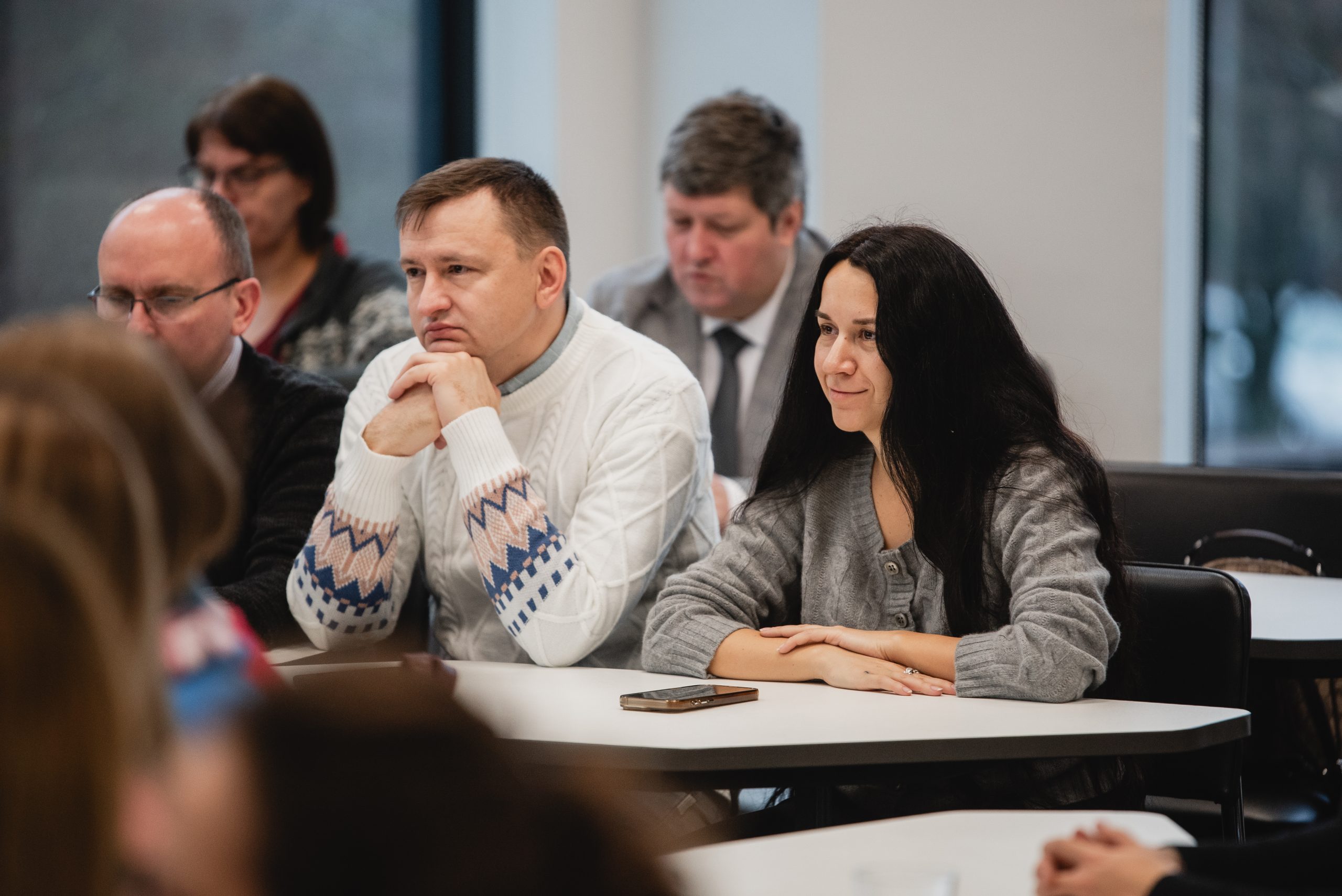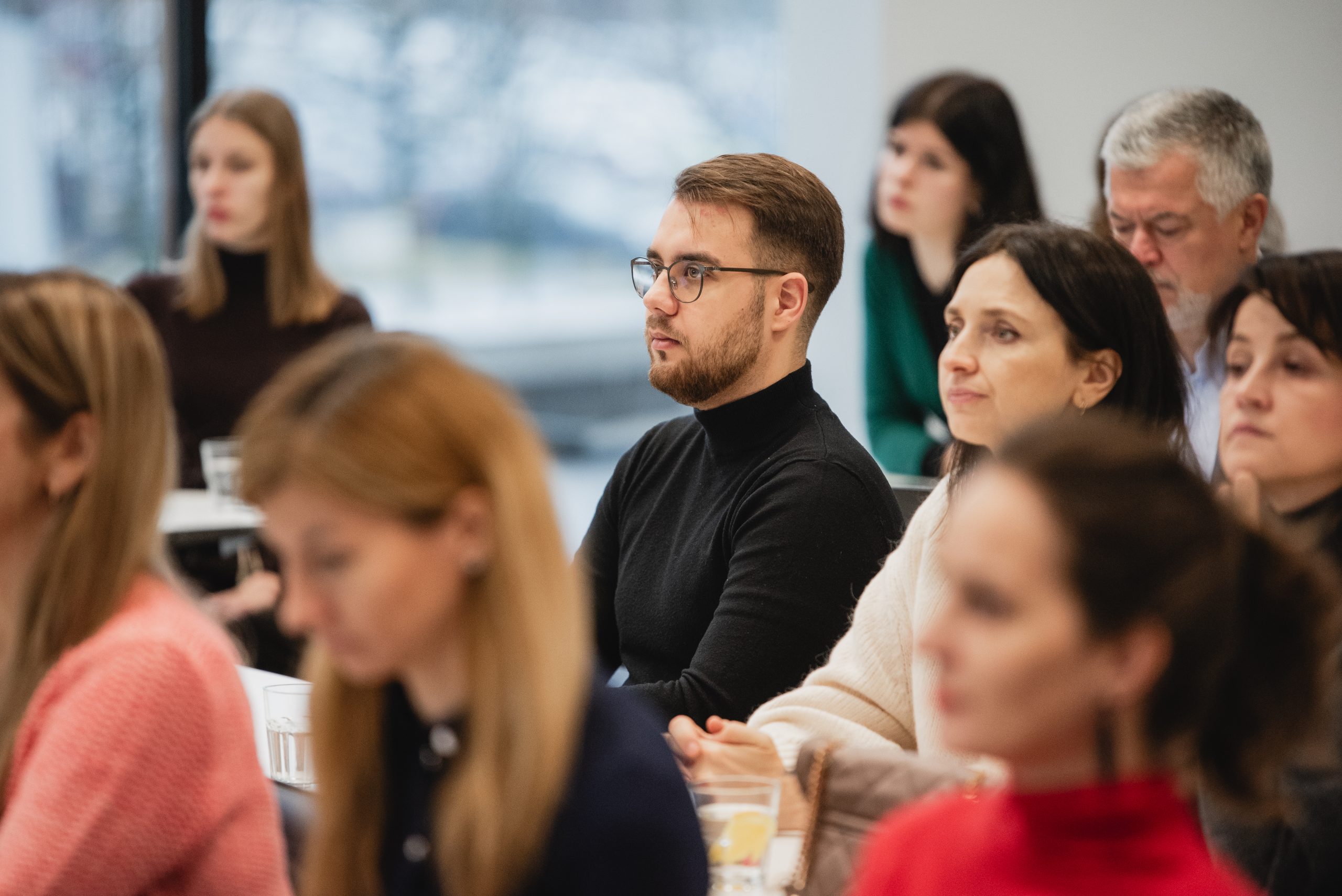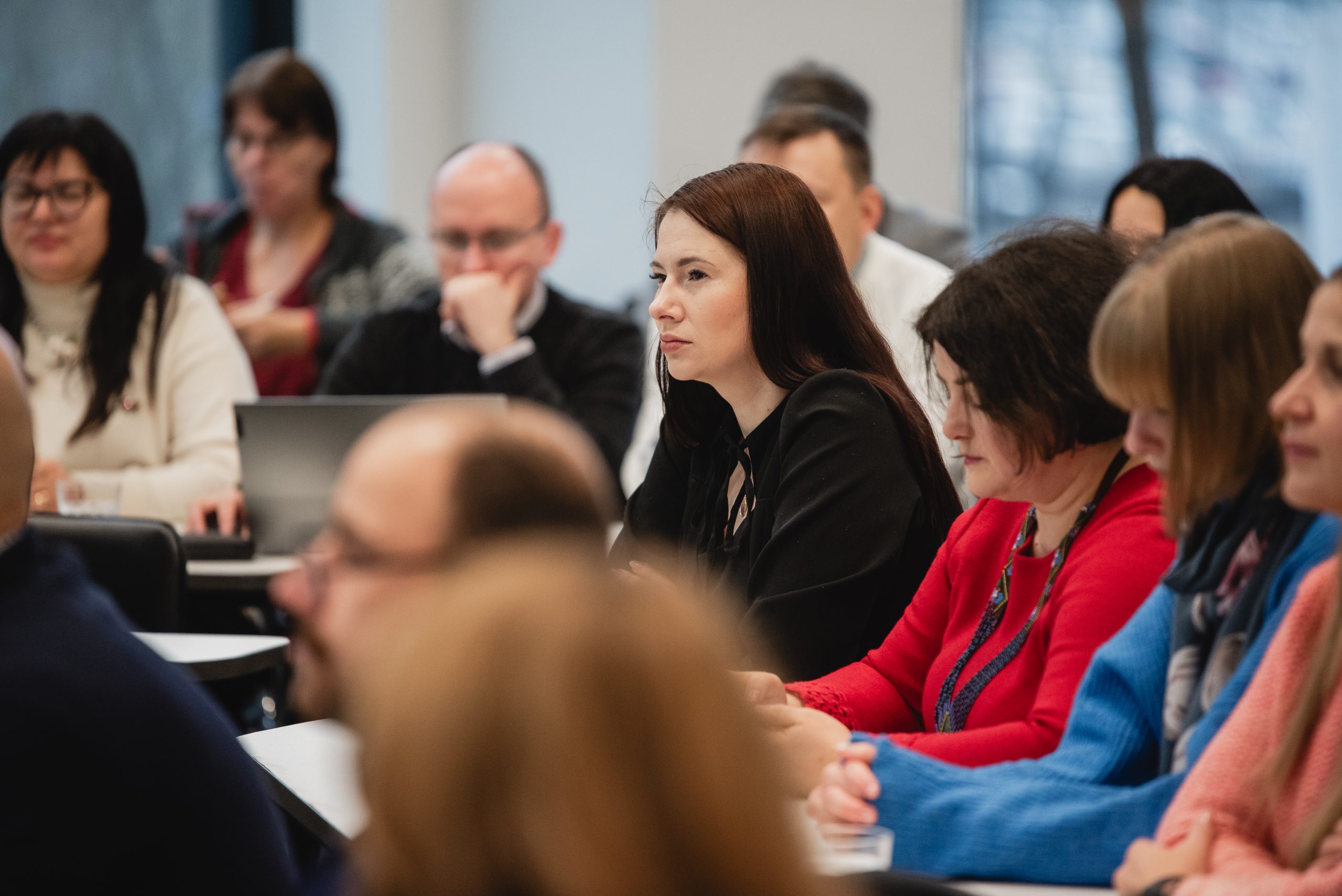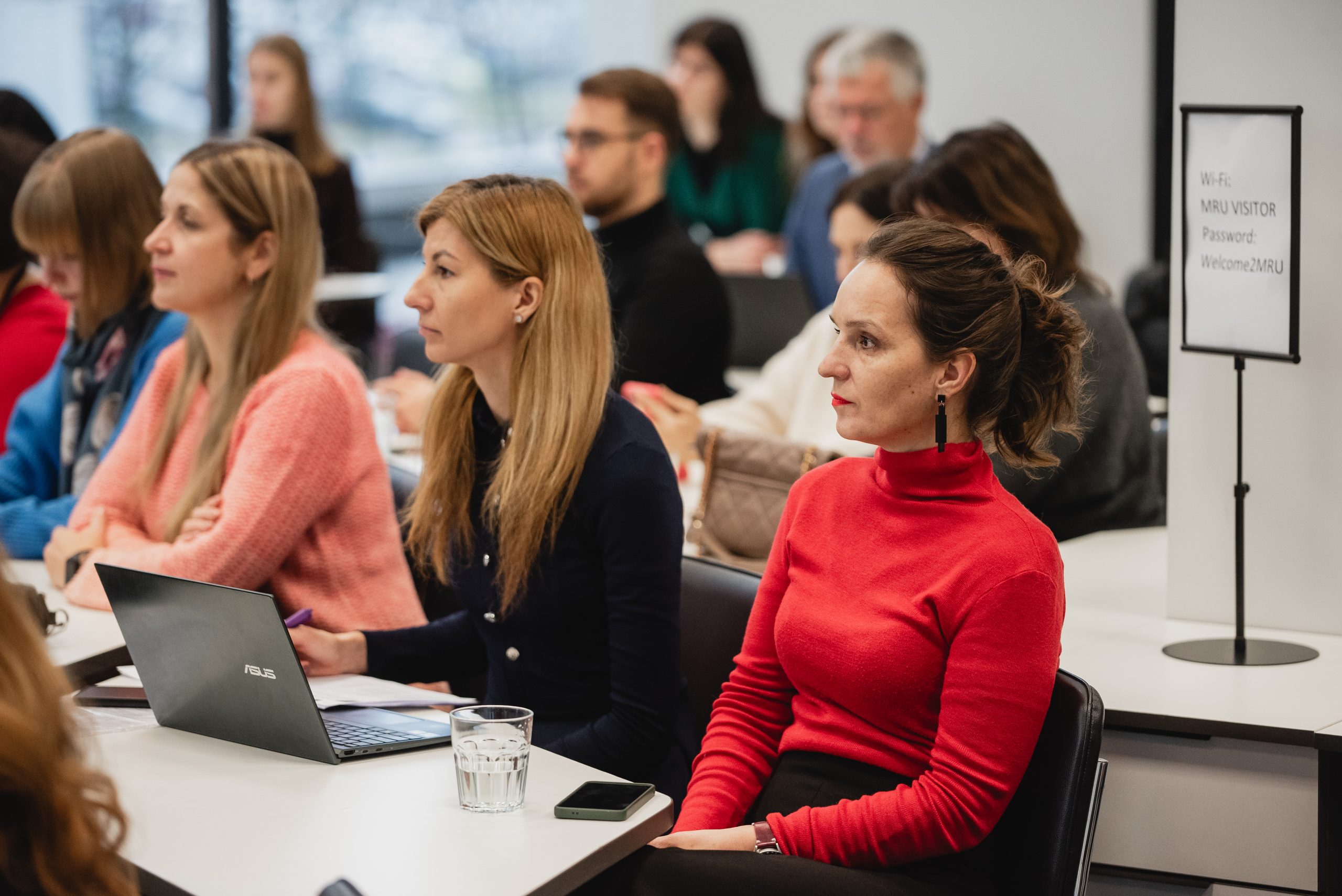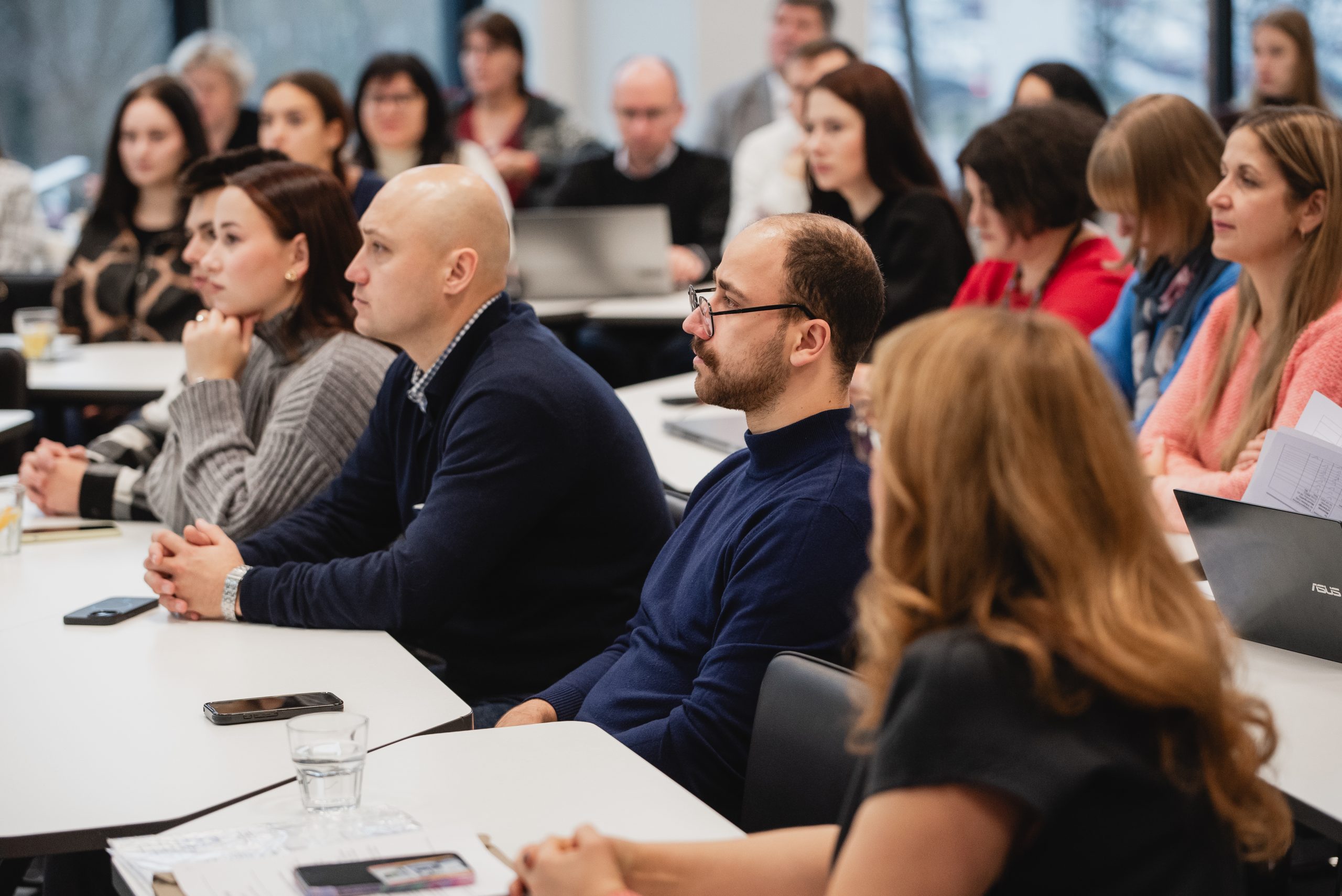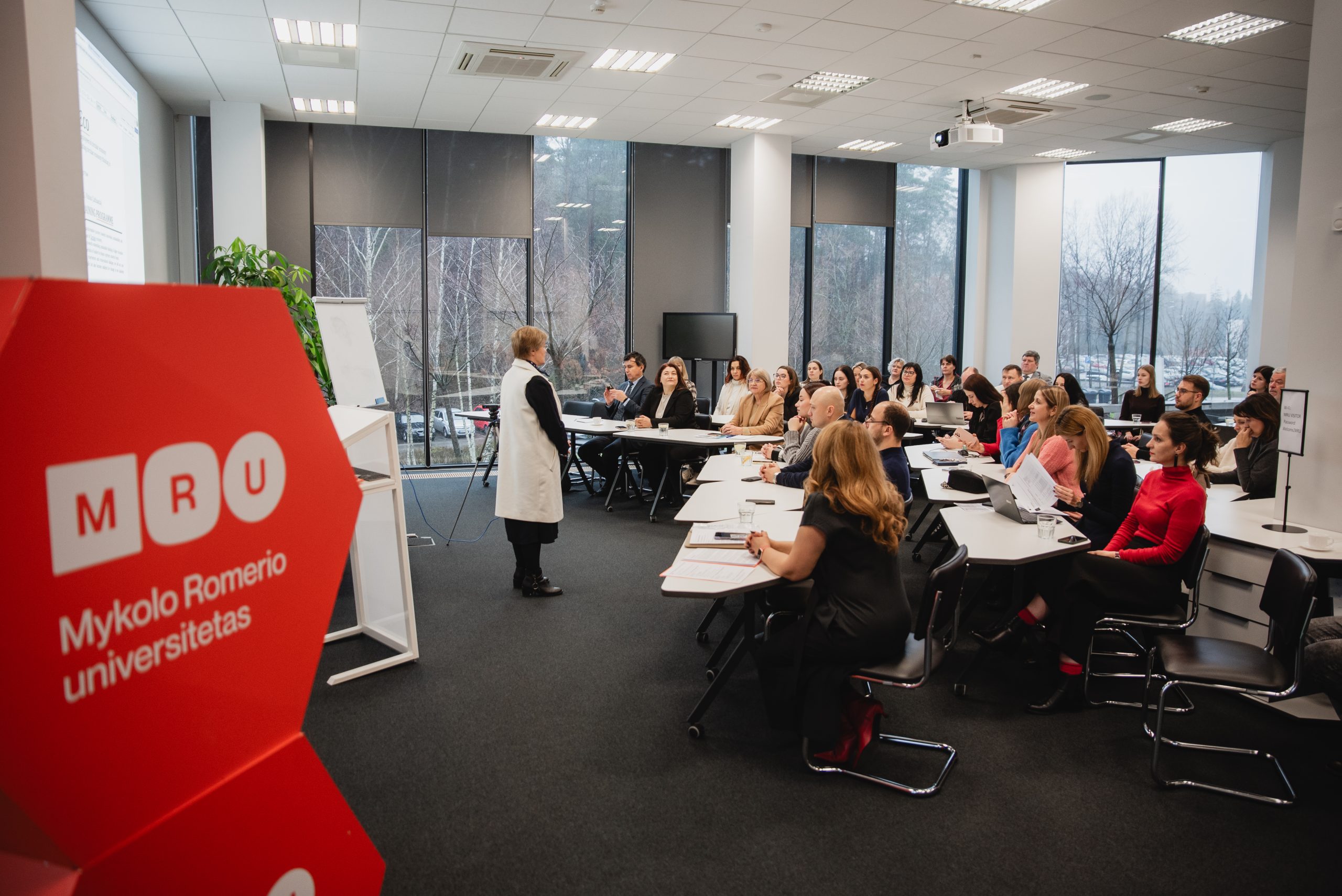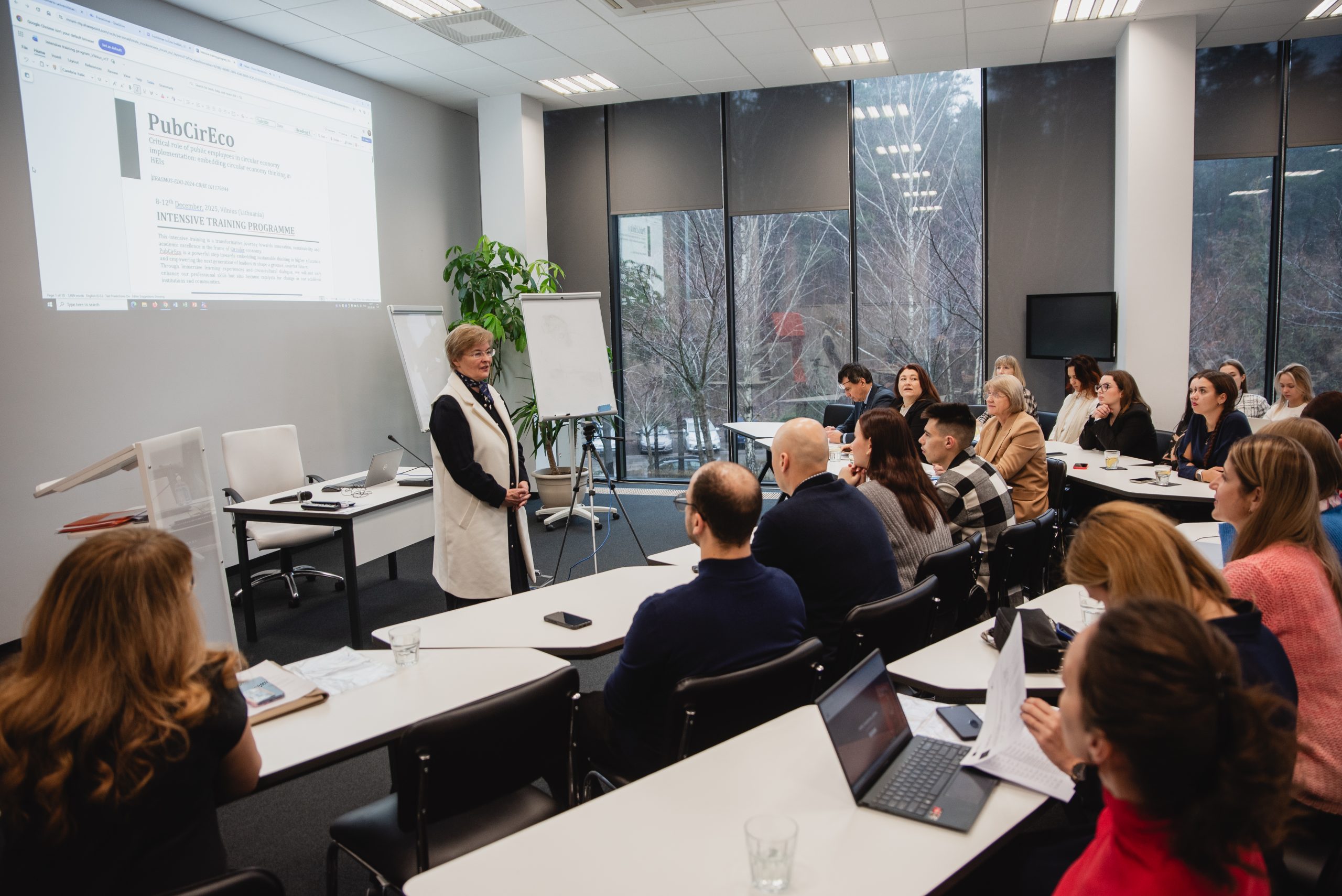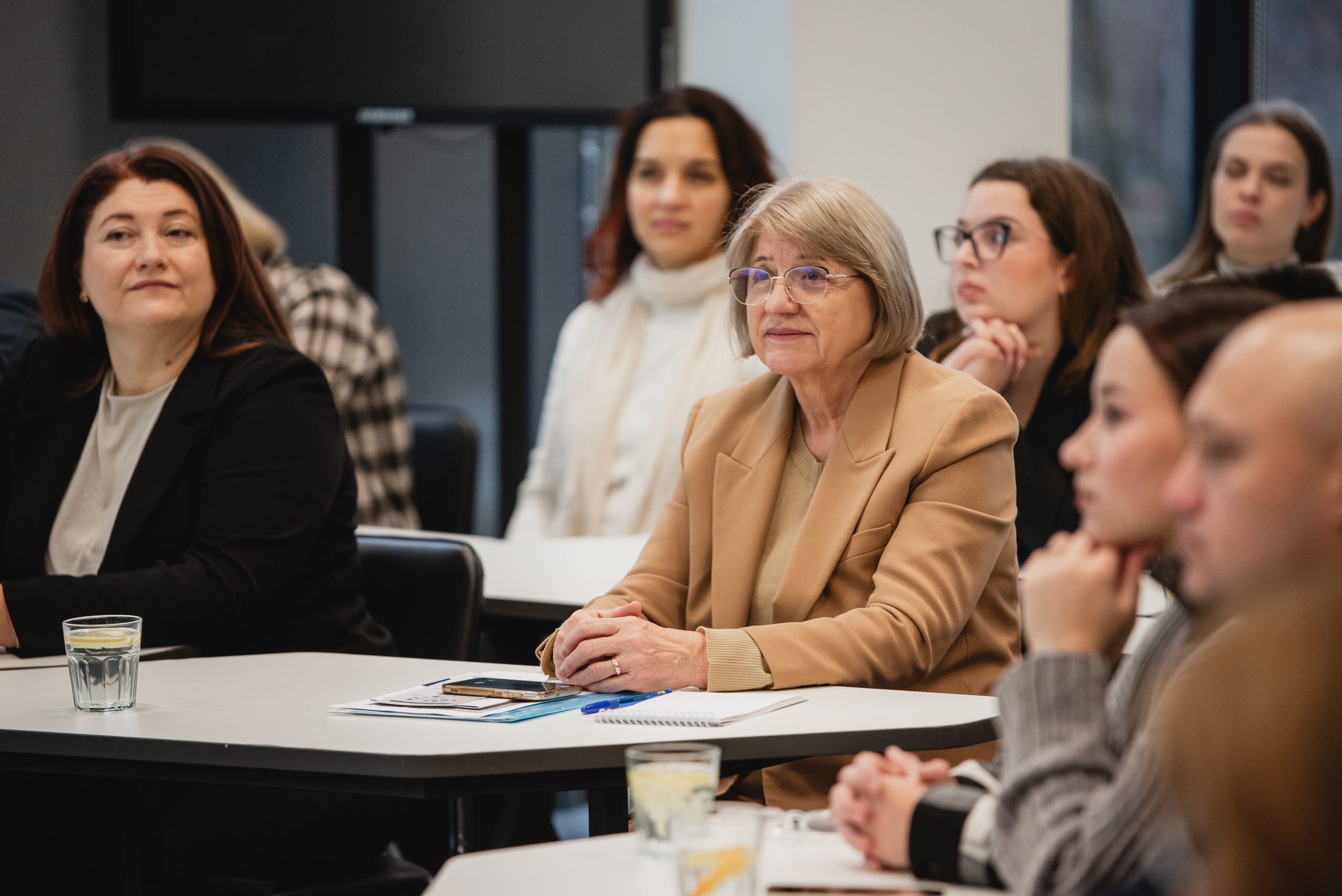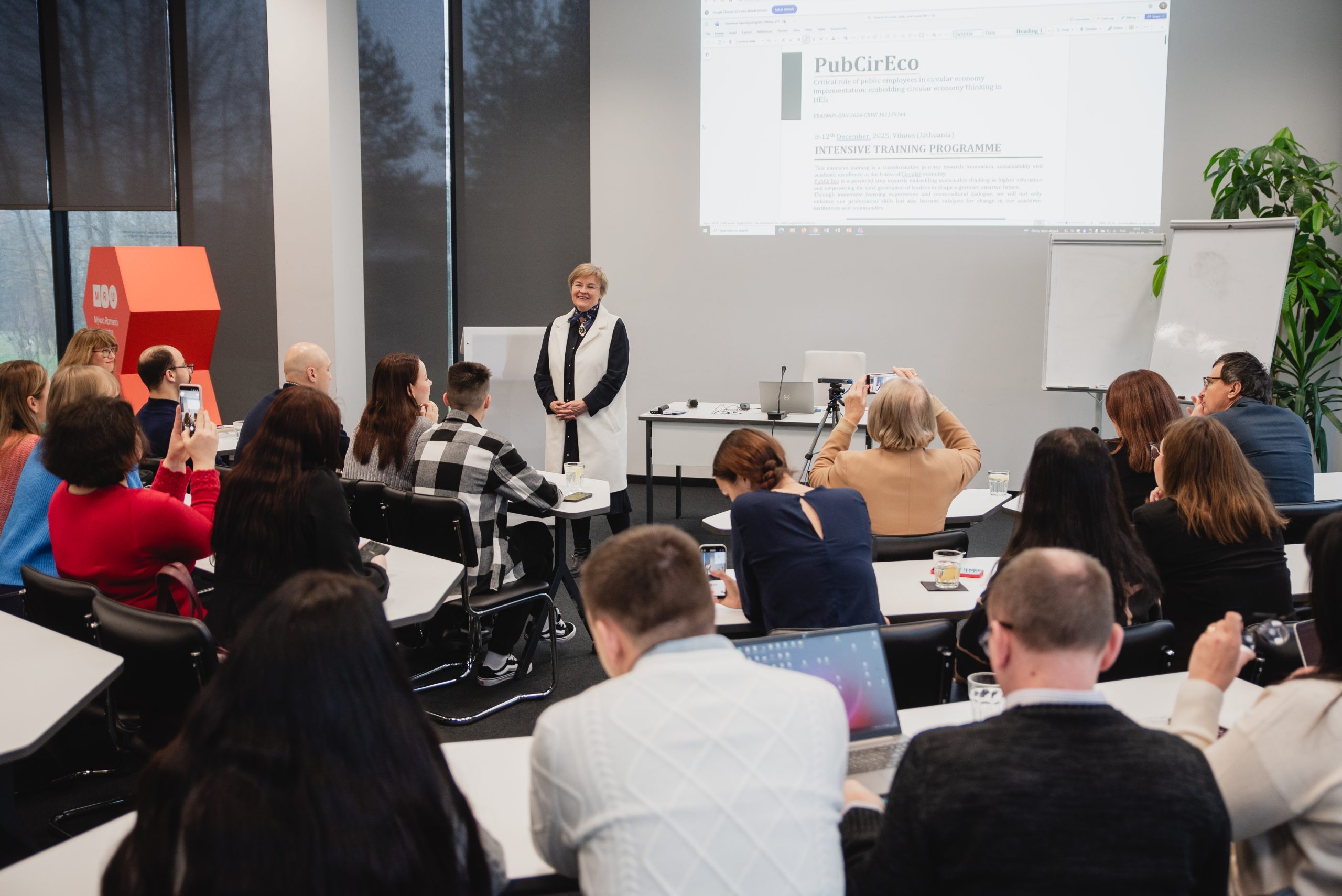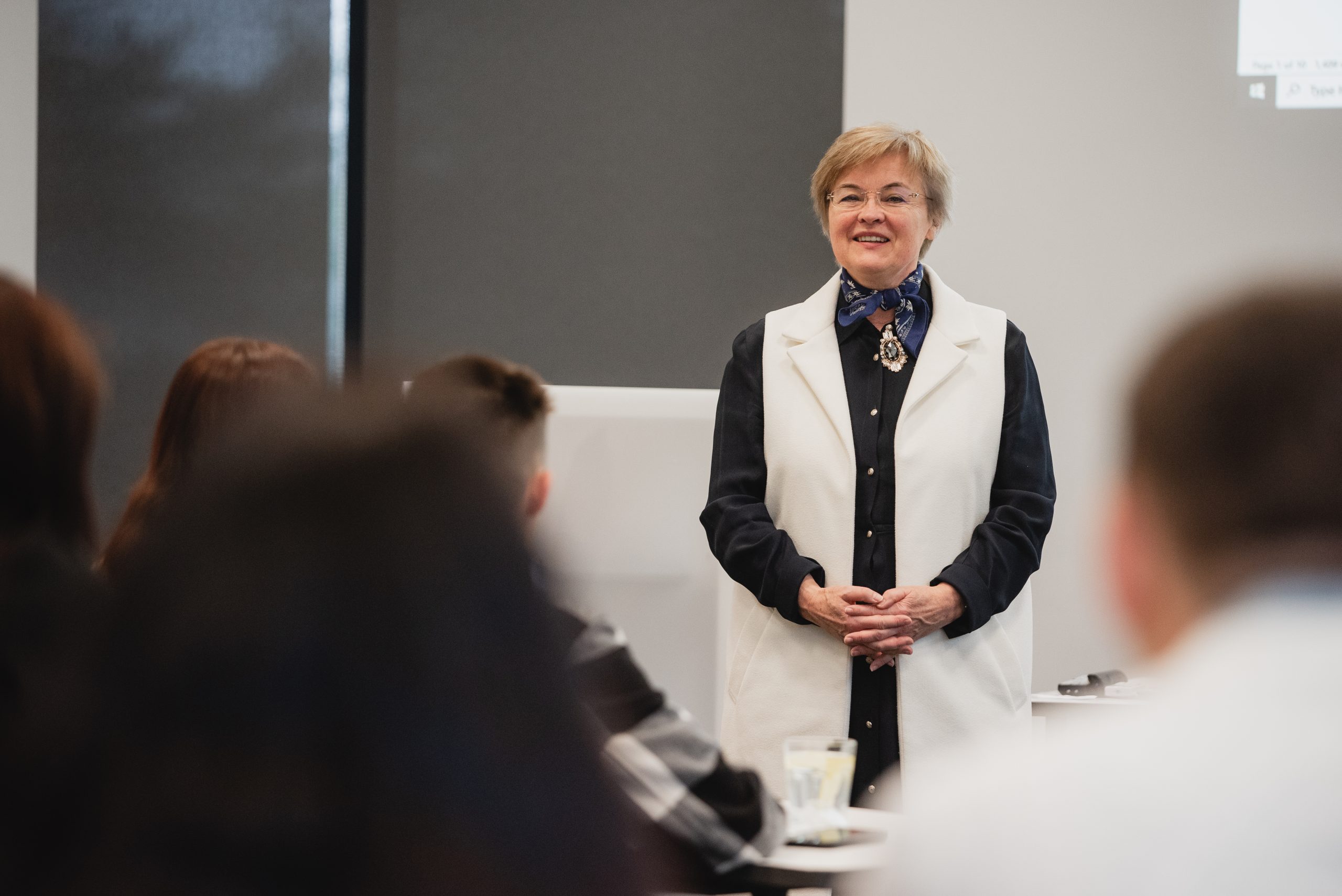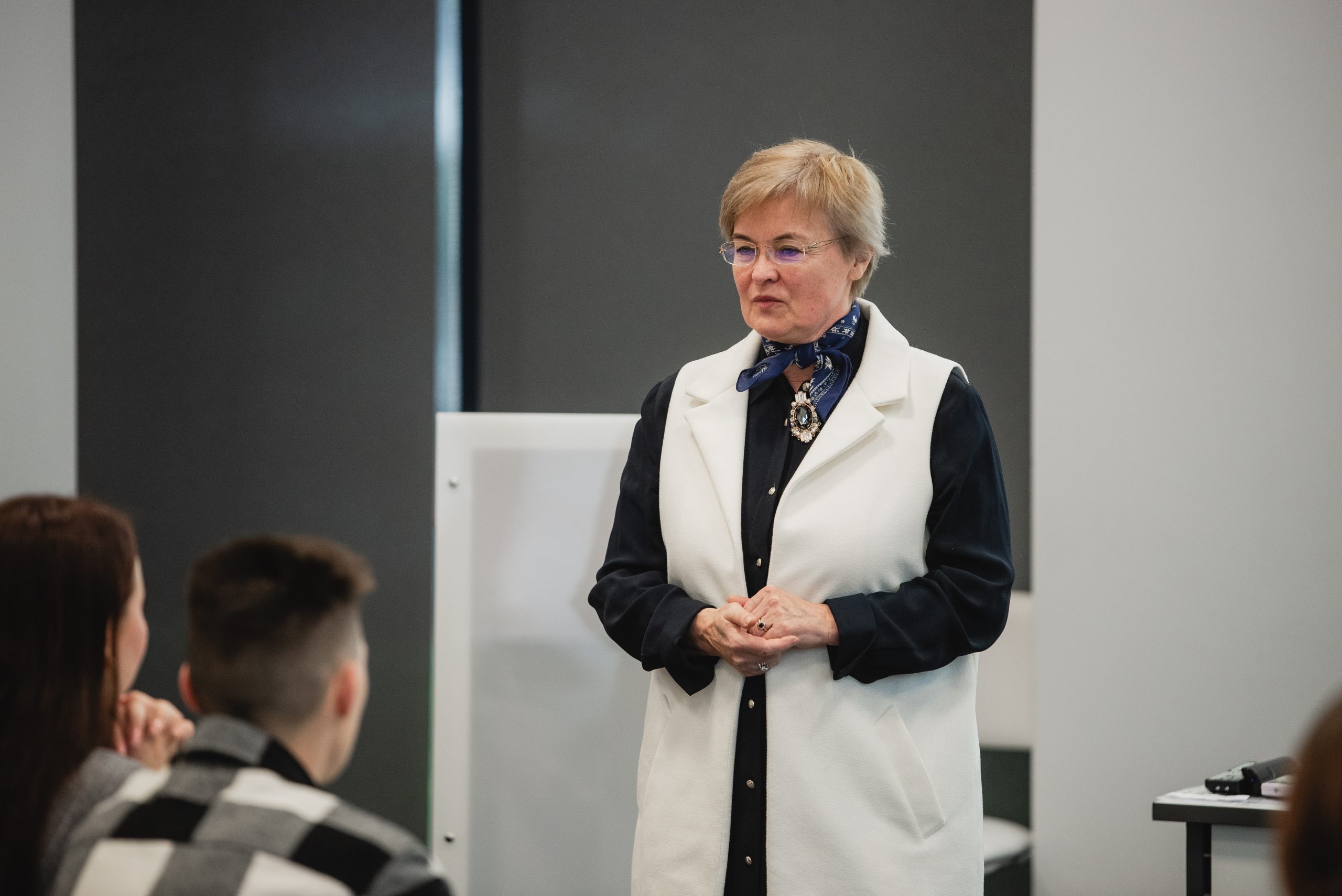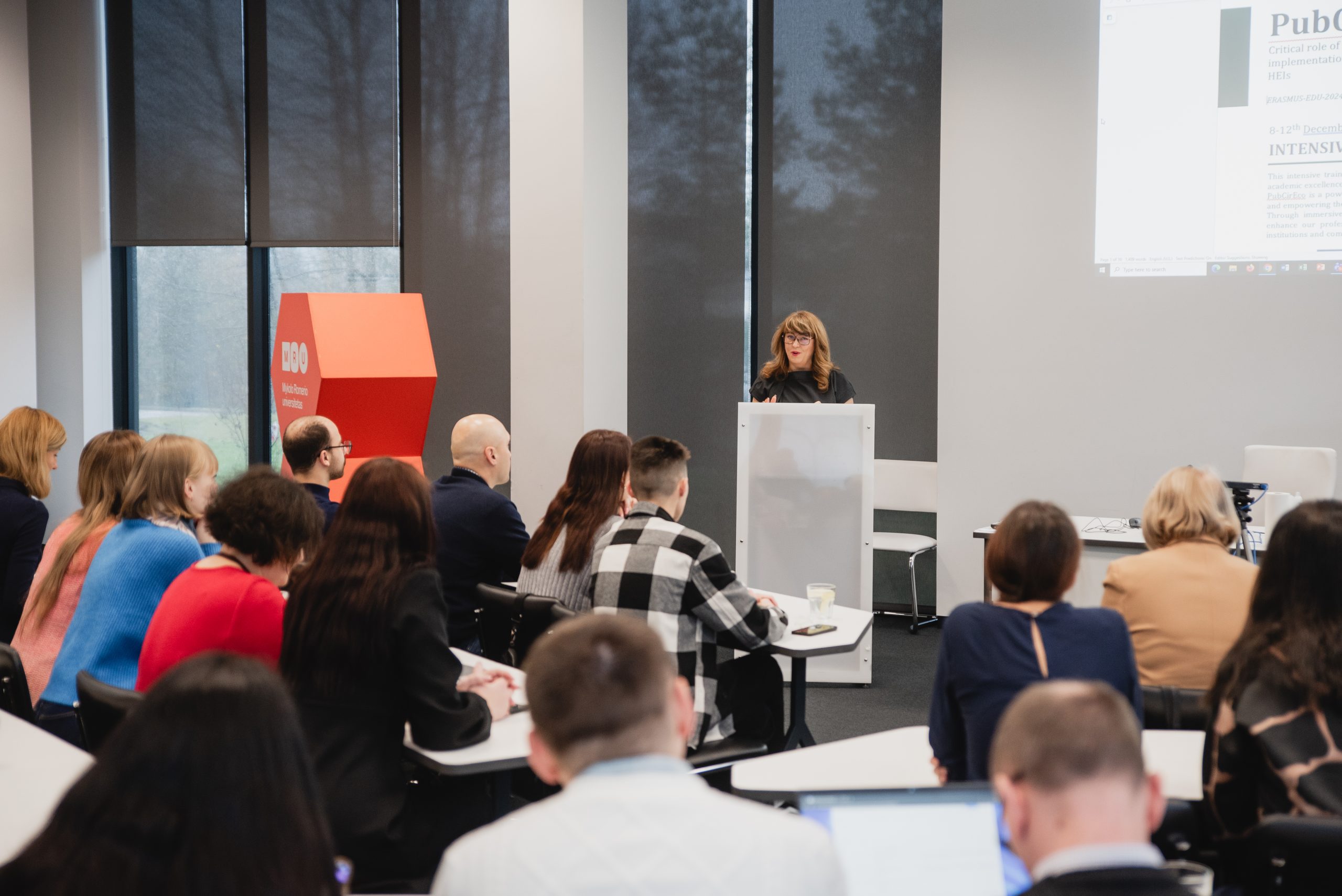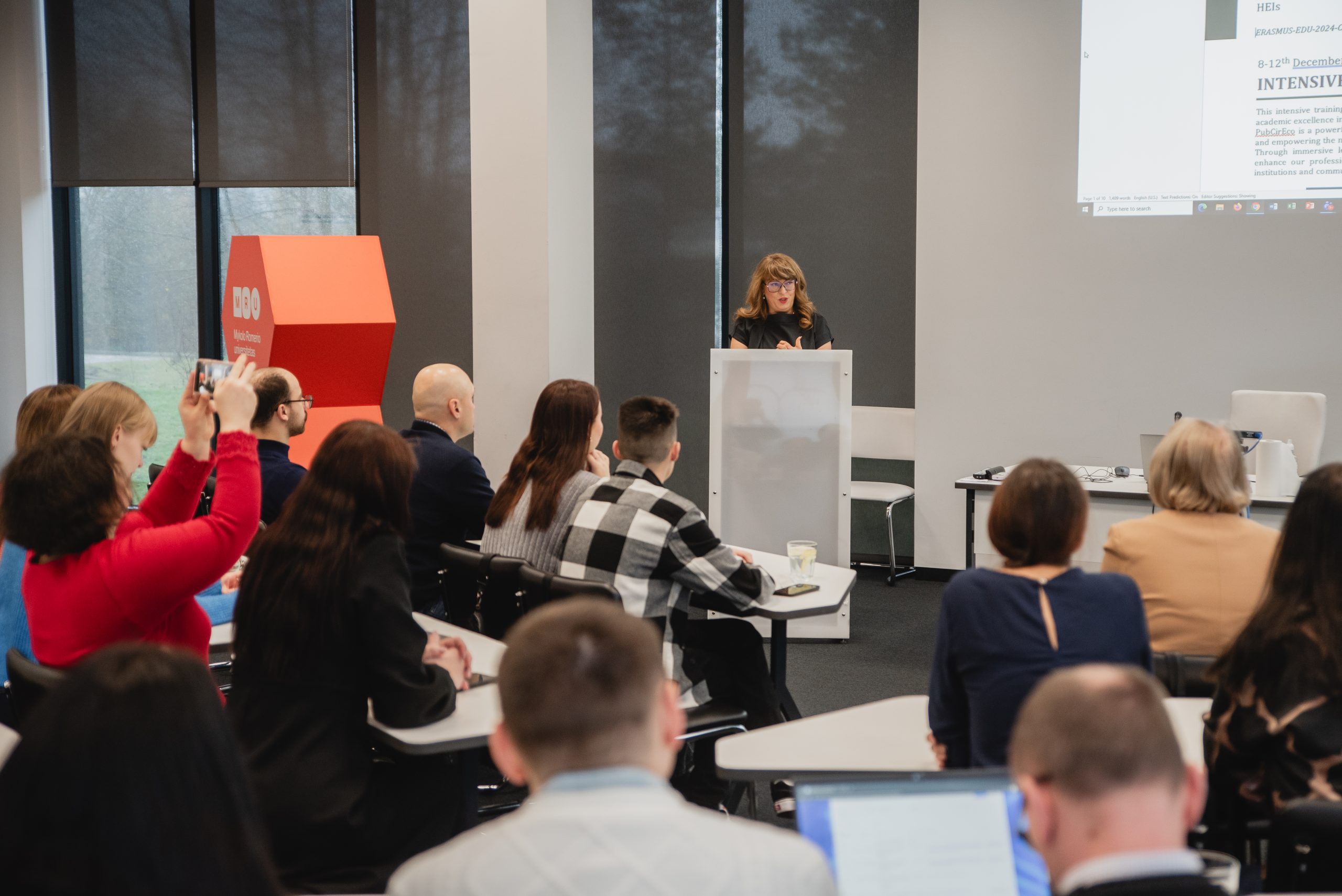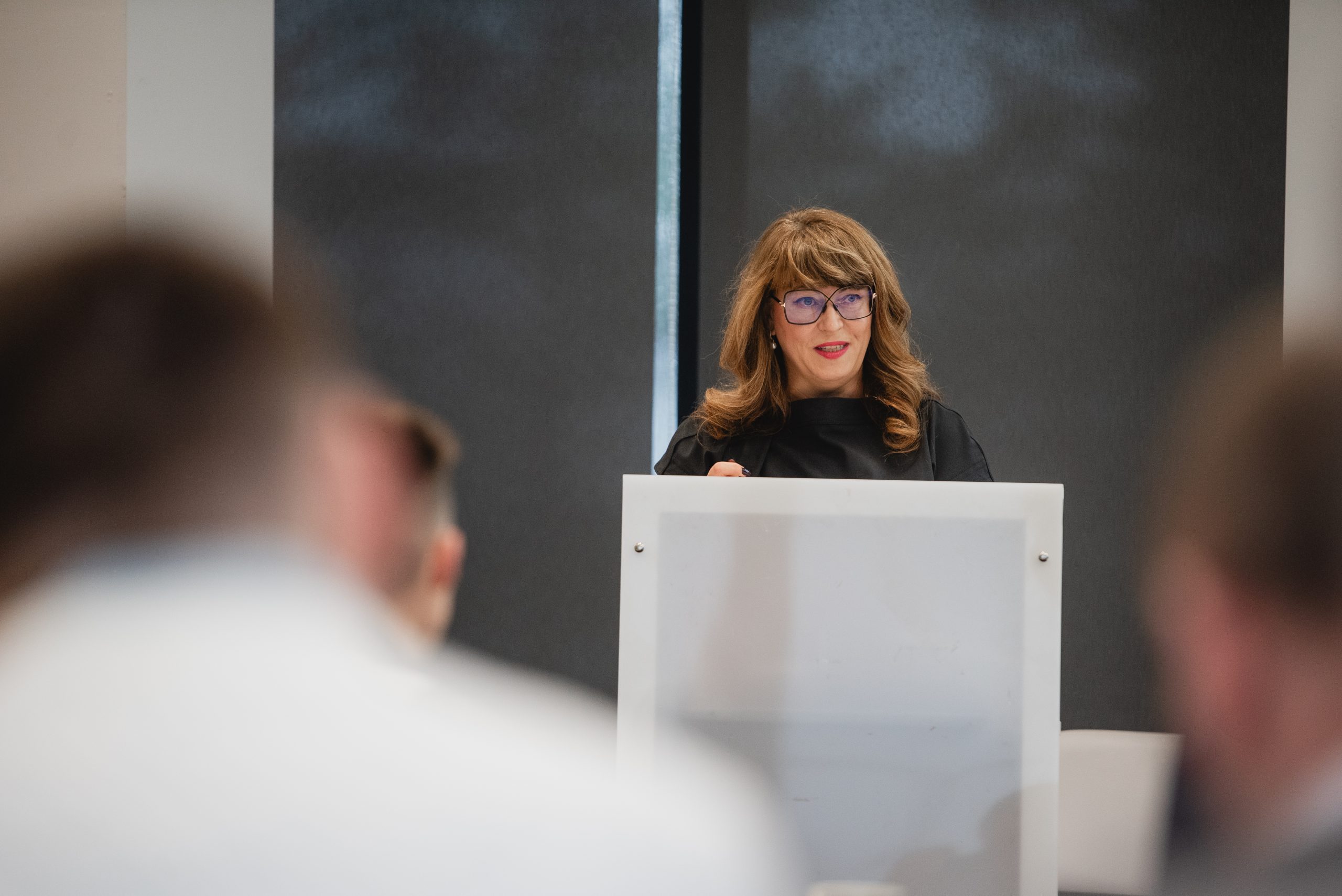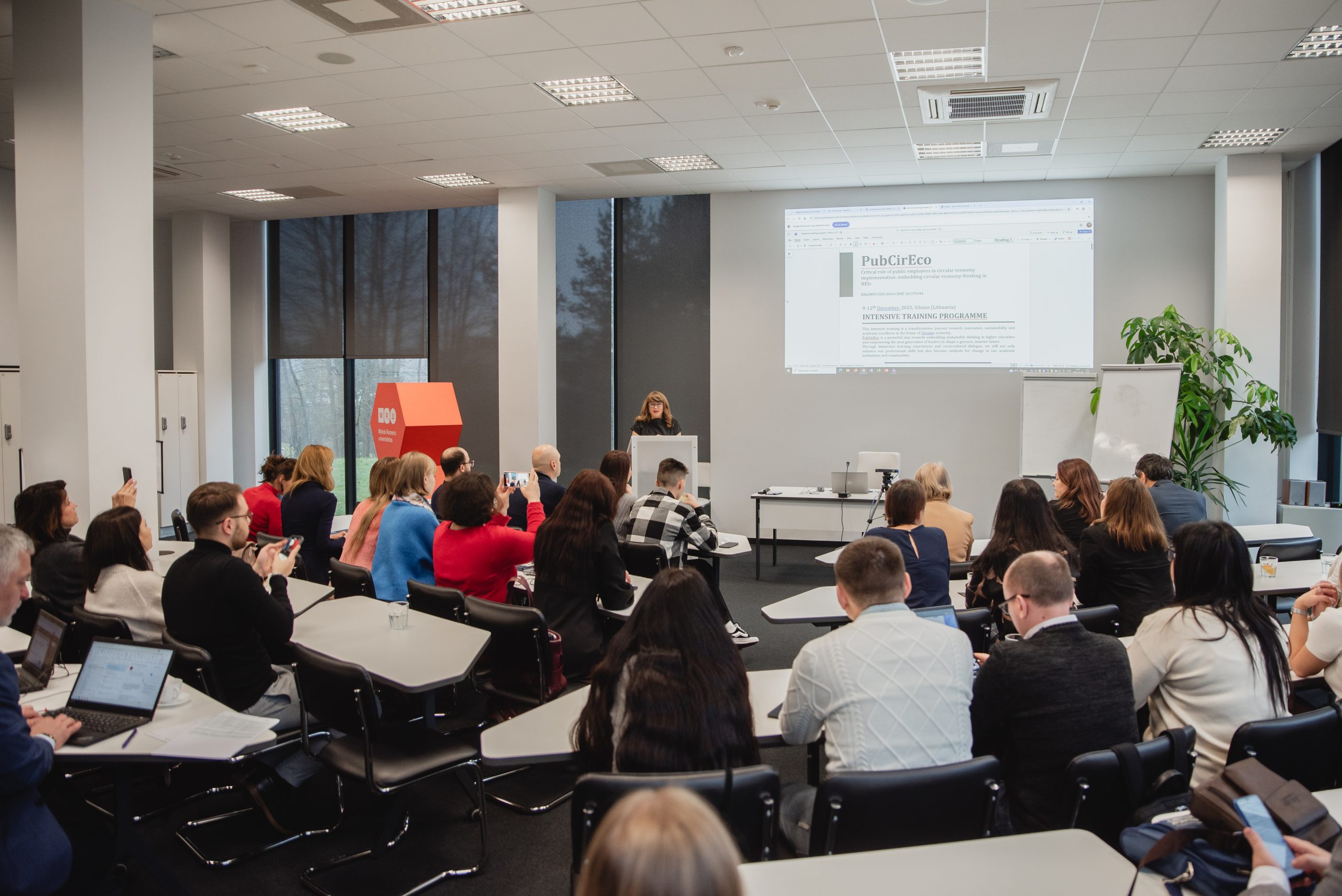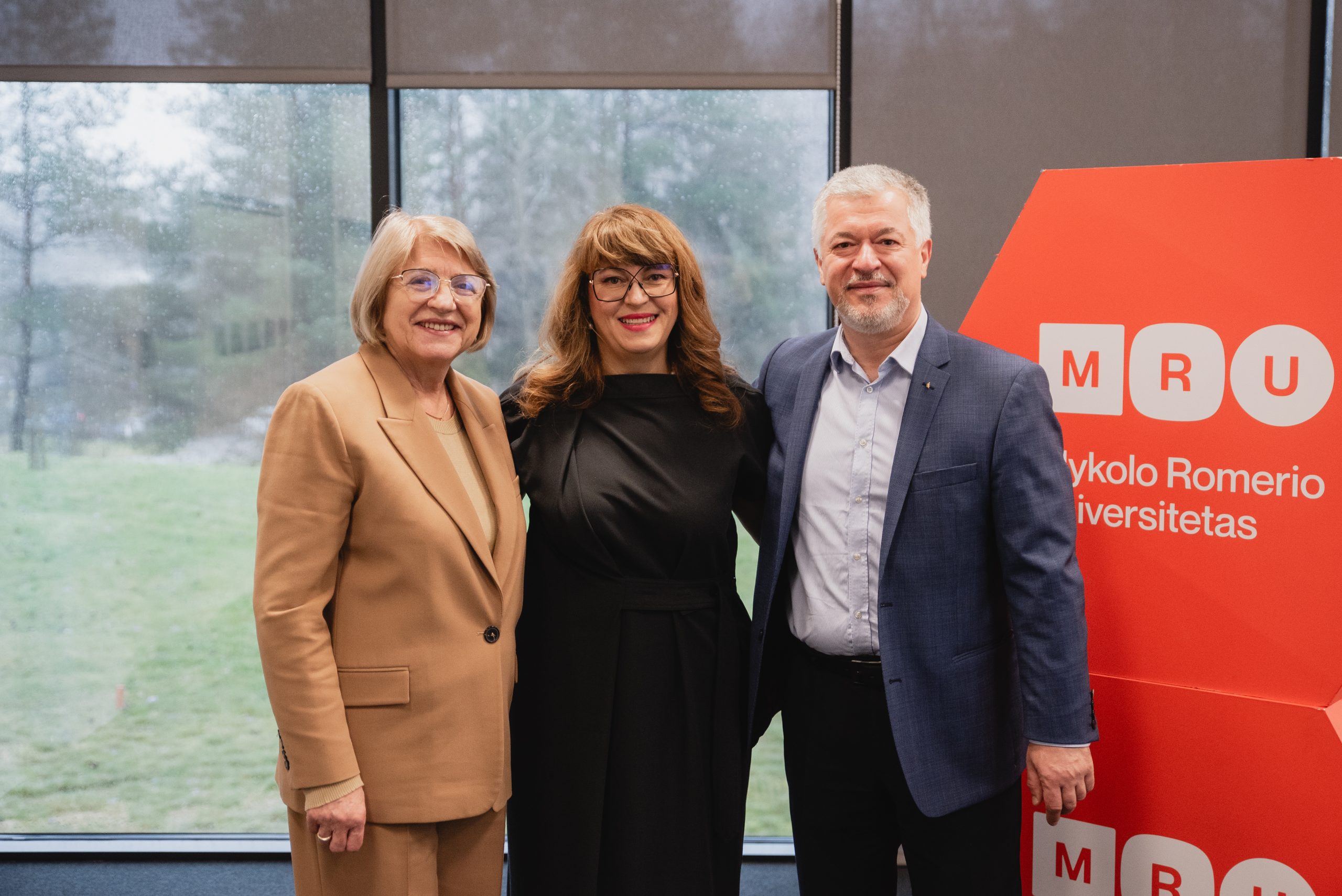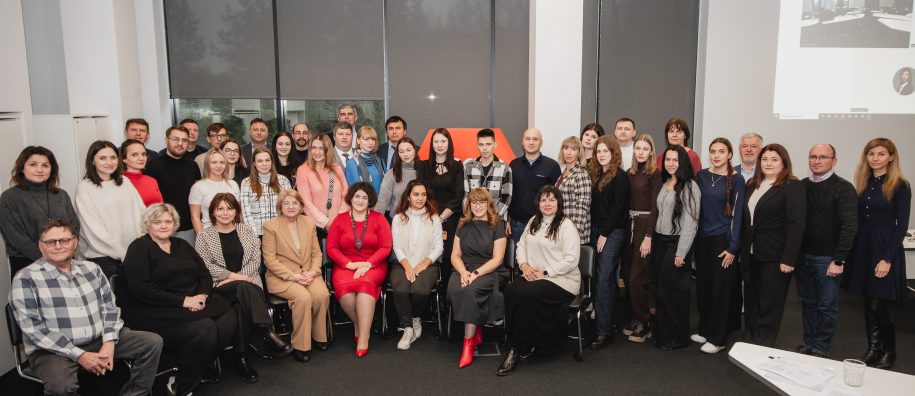
Mykolas Romeris University (MRU), together with partners from Ukraine, Moldova, Austria, and Estonia, is implementing the project “The Critical Role of Public Employees in Circular Economy Implementation: Embedding Circular Economy Thinking in Higher Education Institutions (HEIs)”. The project aims to enhance the competencies and expertise of students and highly qualified professionals who are or will be employed in the public sector or private enterprises.
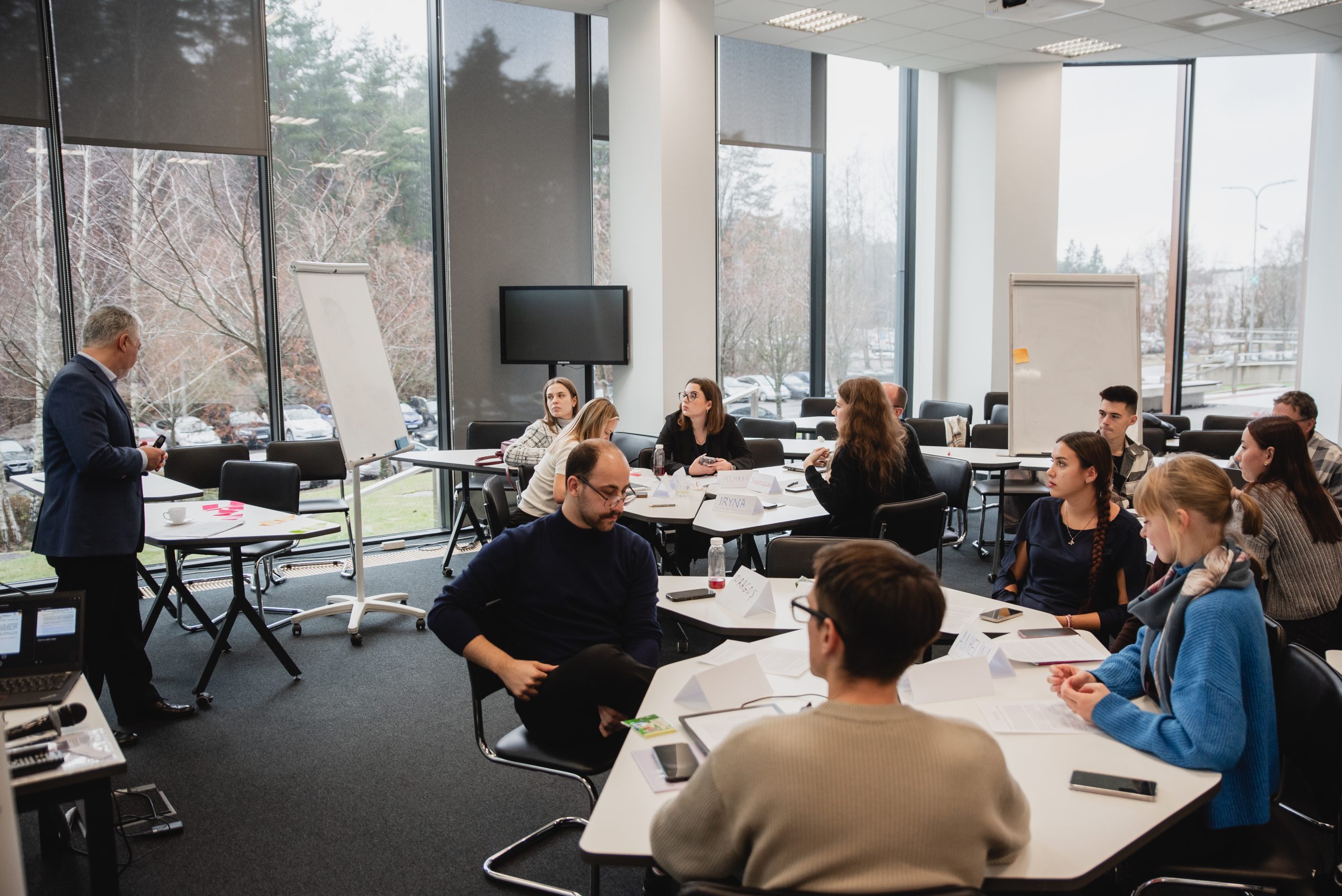
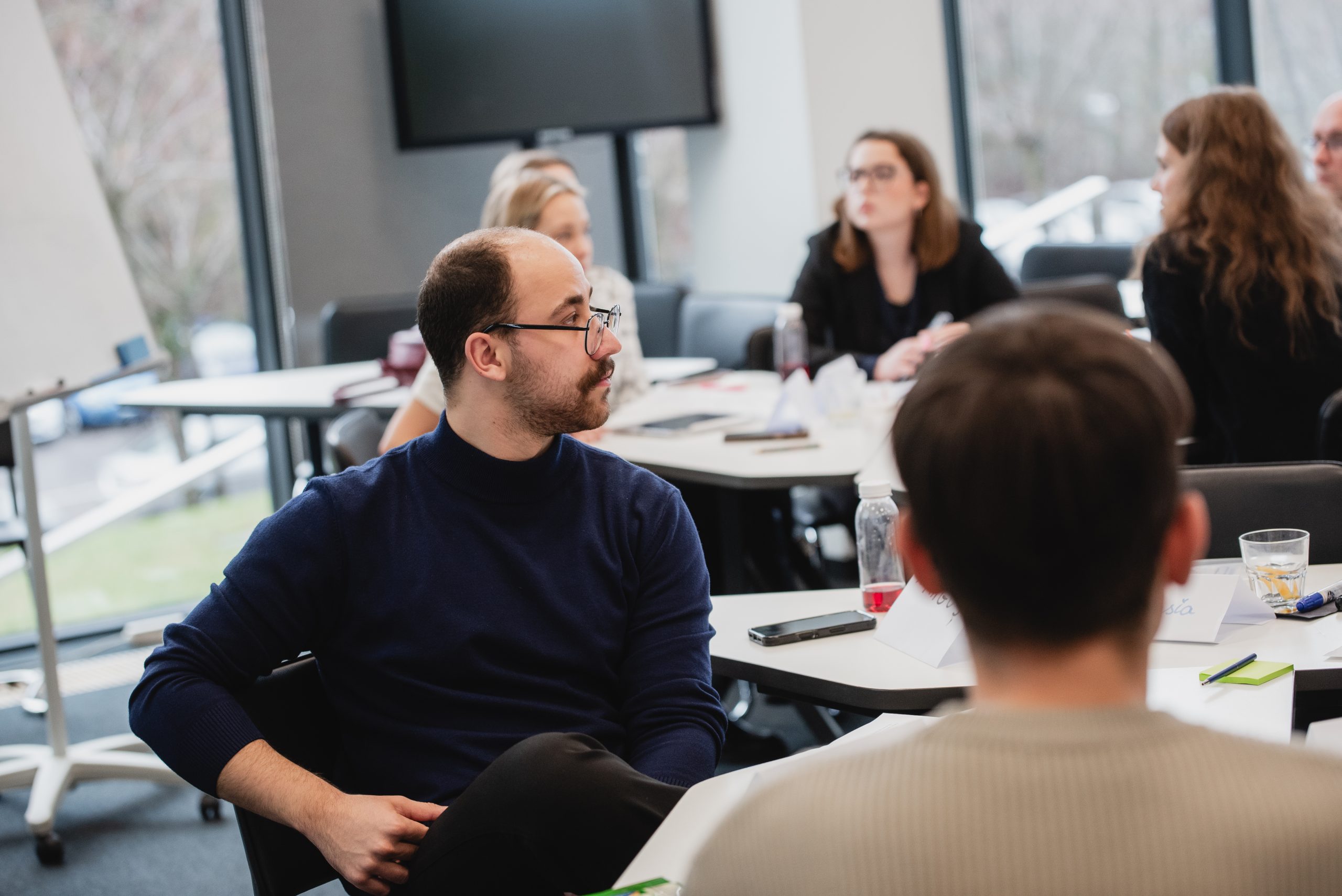
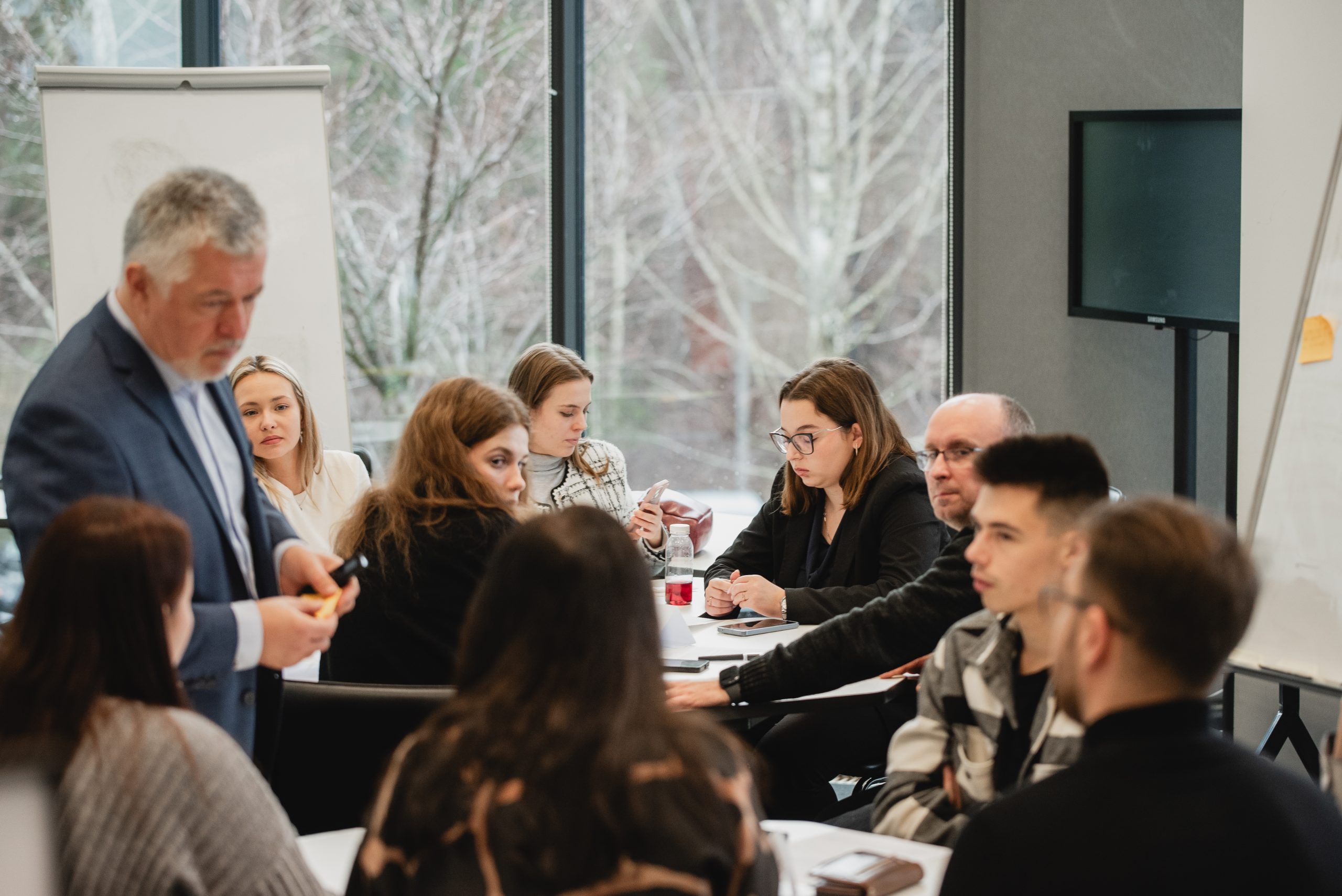
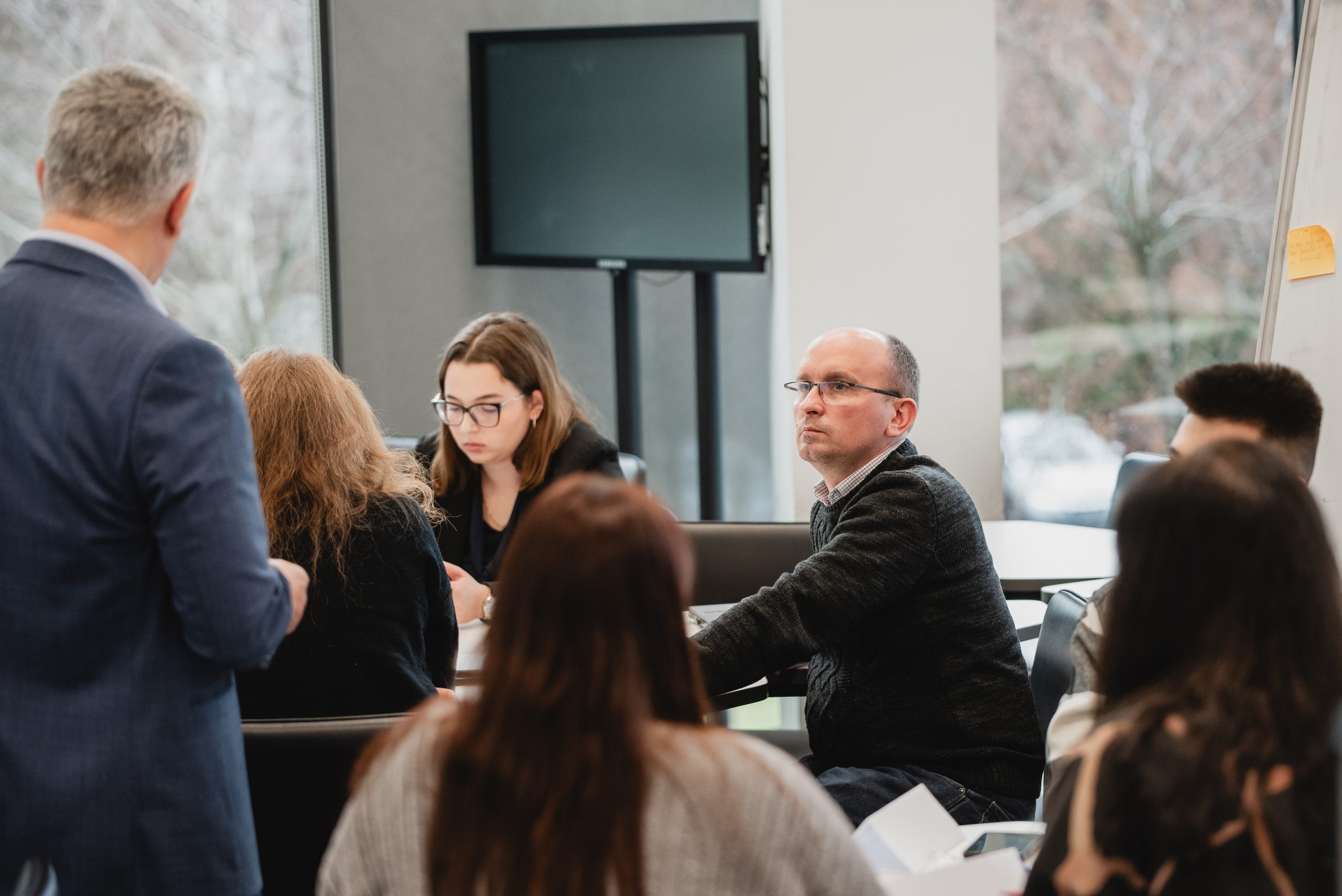
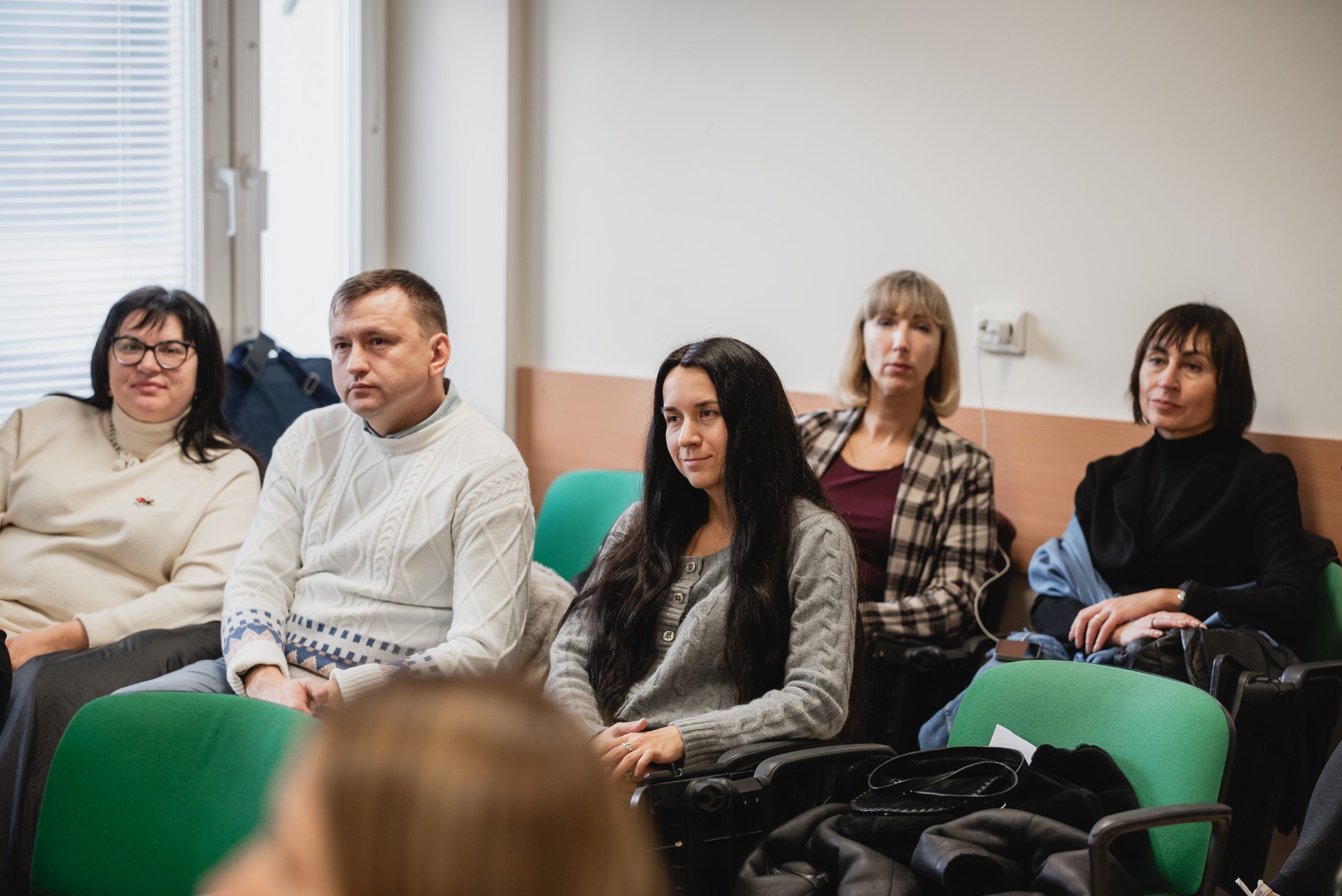
In response to the project’s objective of strengthening the educational and scientific capacities of partner universities in Ukraine and Moldova, an intensive training programme focusing on best practices in circular economy and energy efficiency was organised.
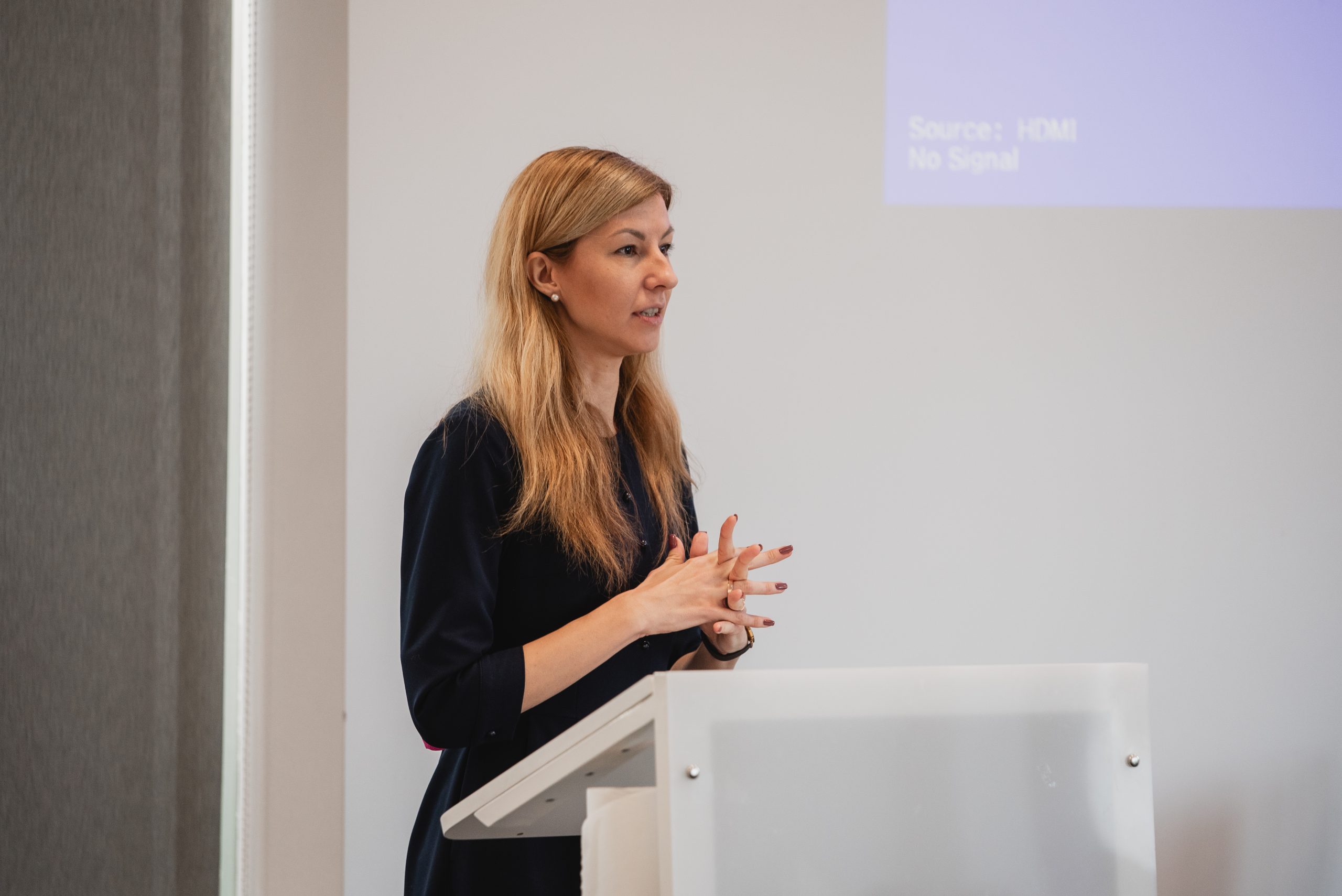
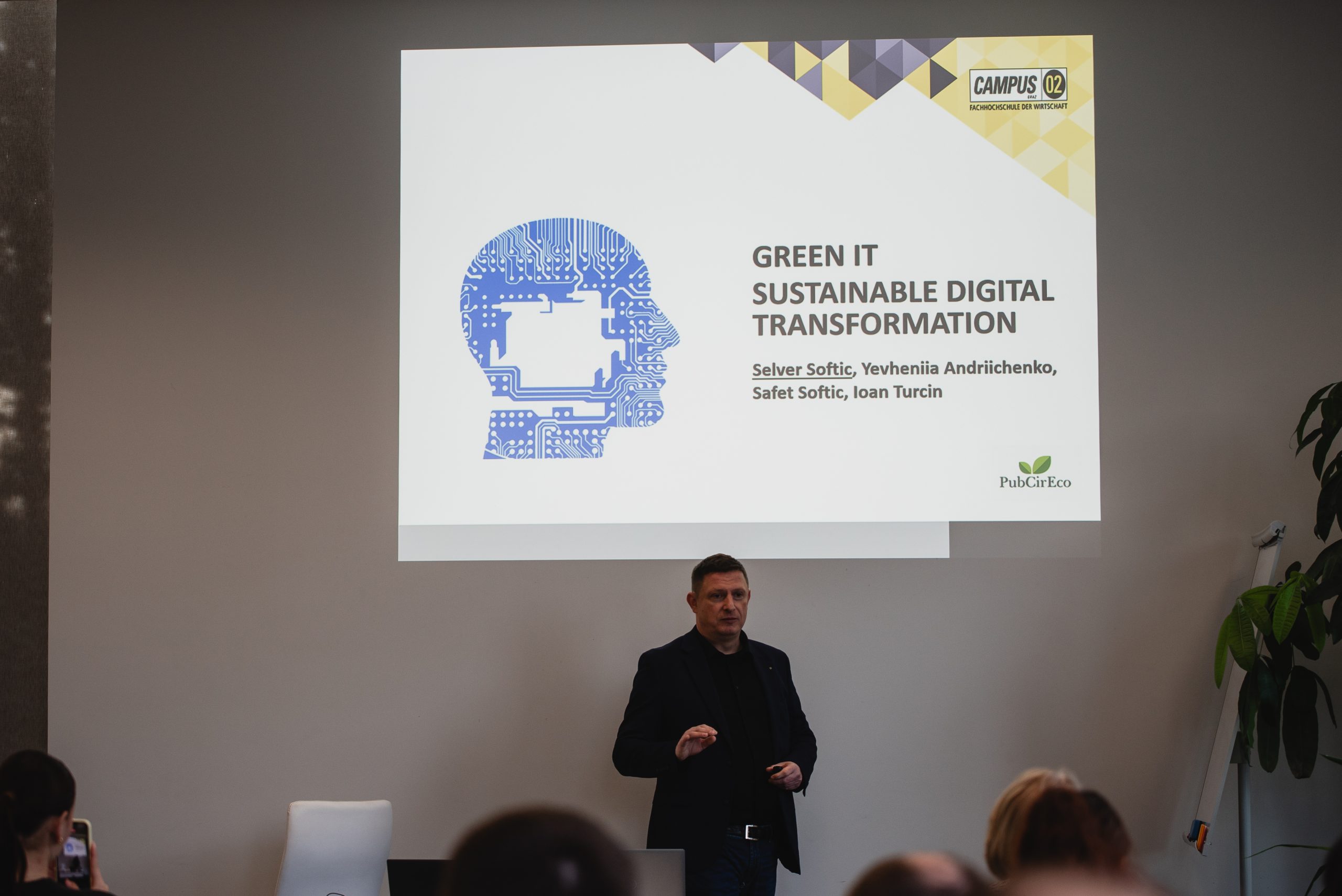
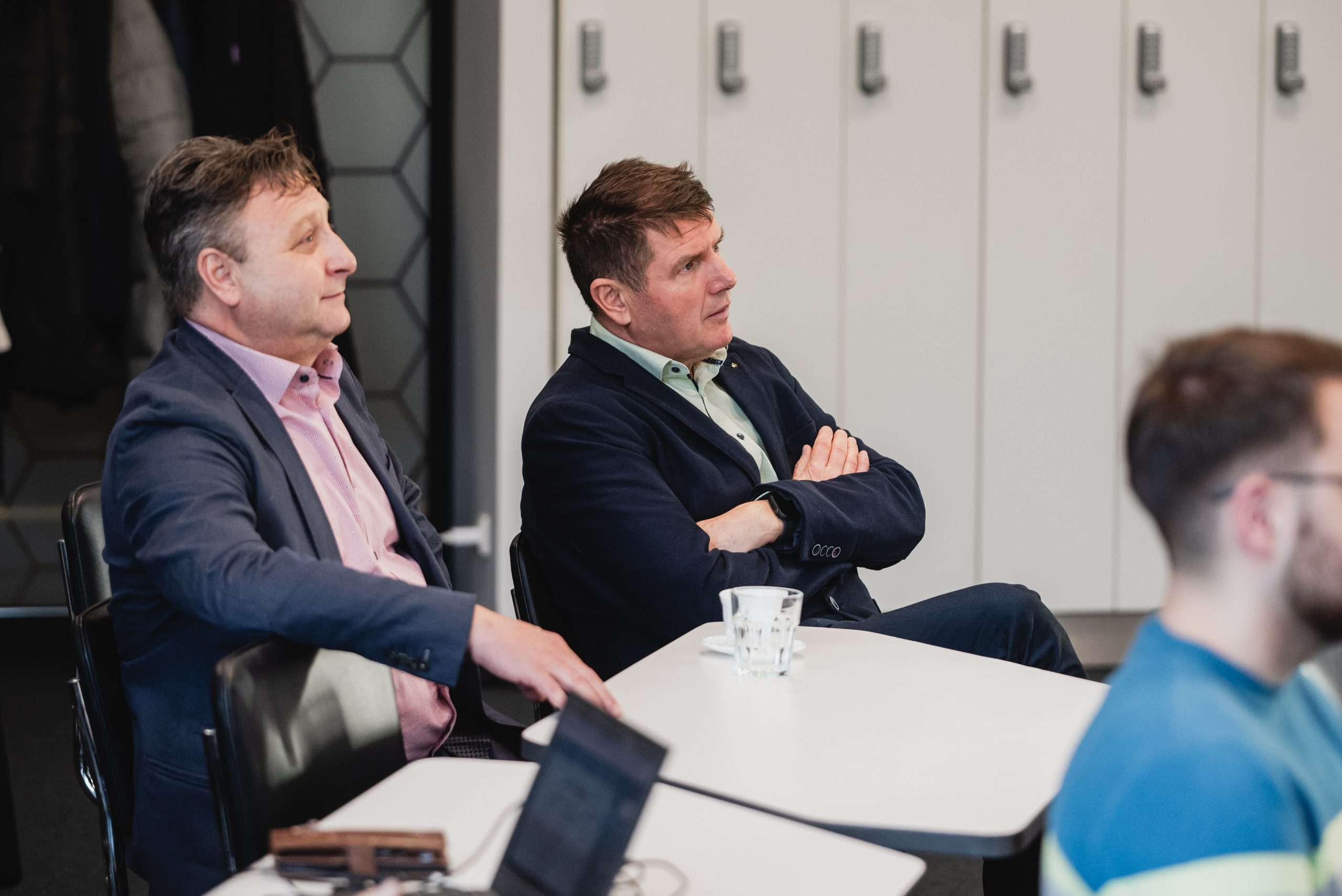
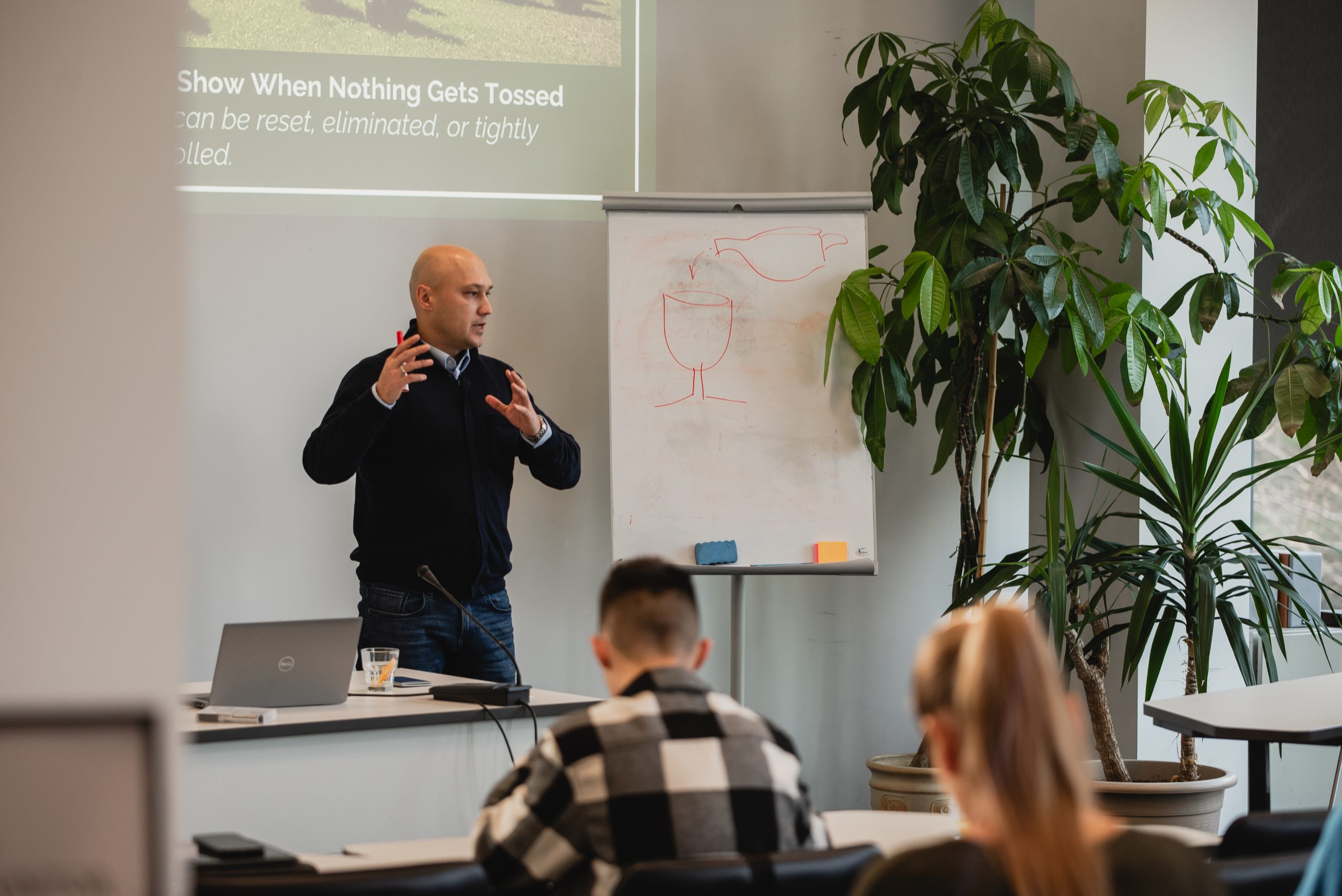
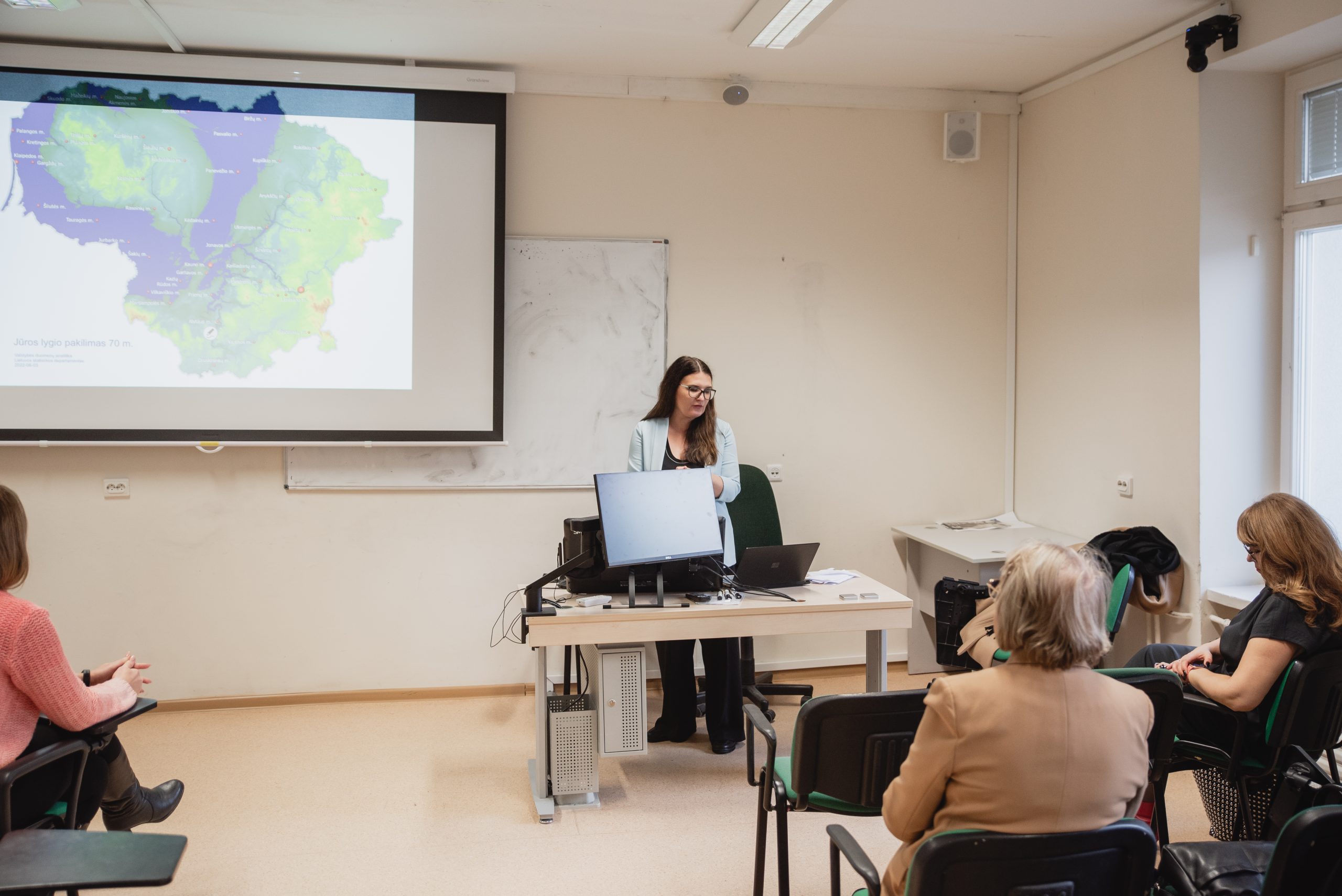
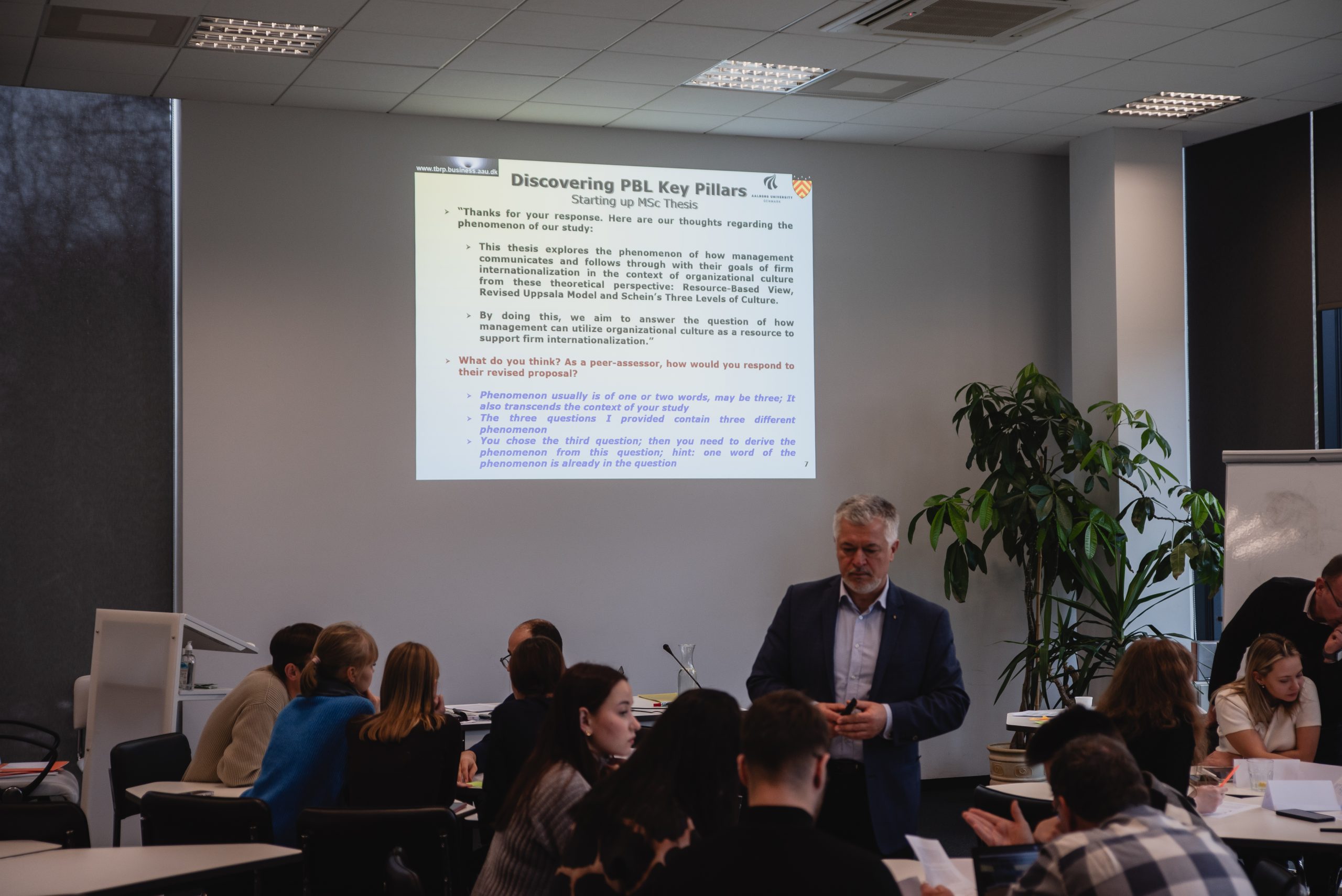
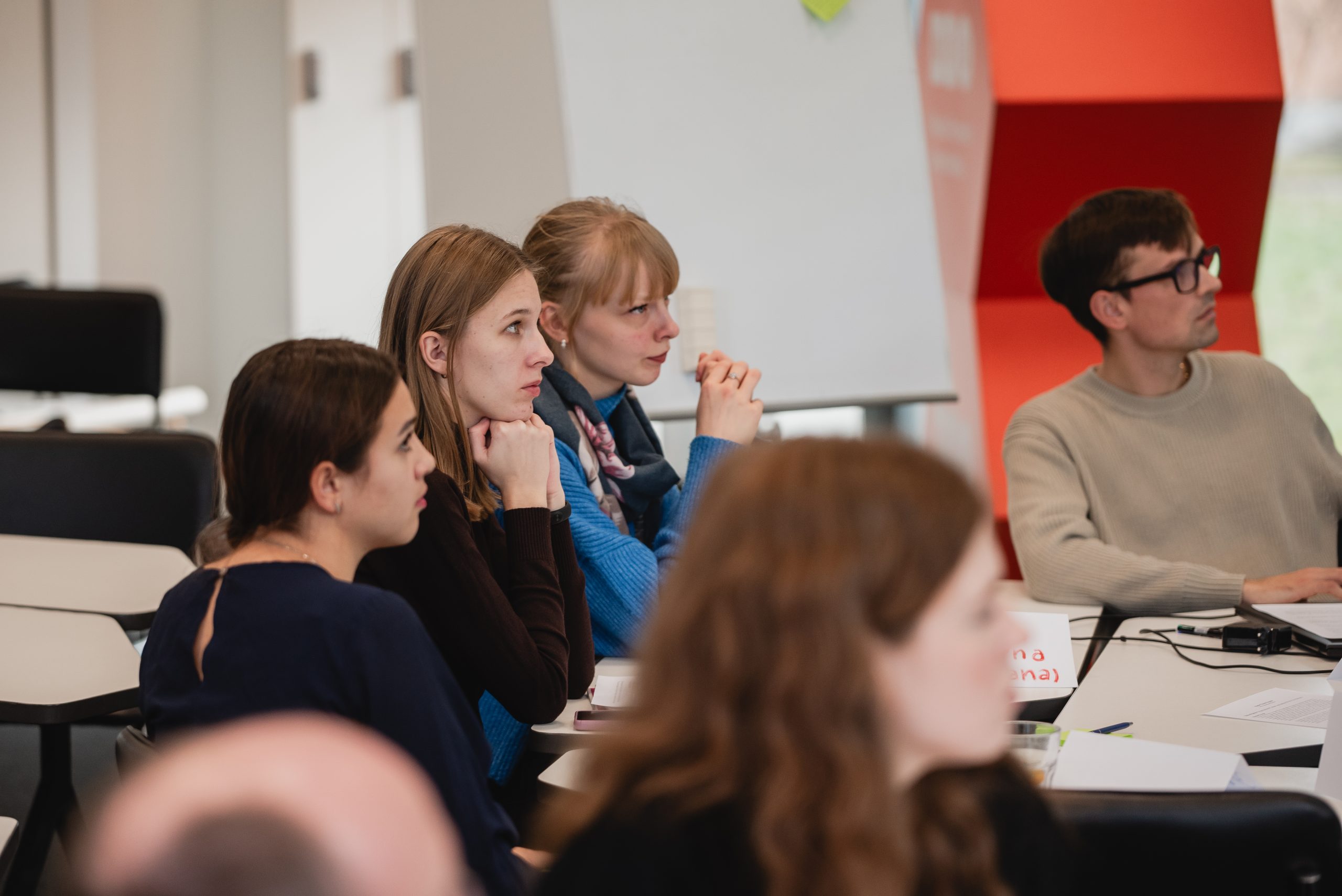
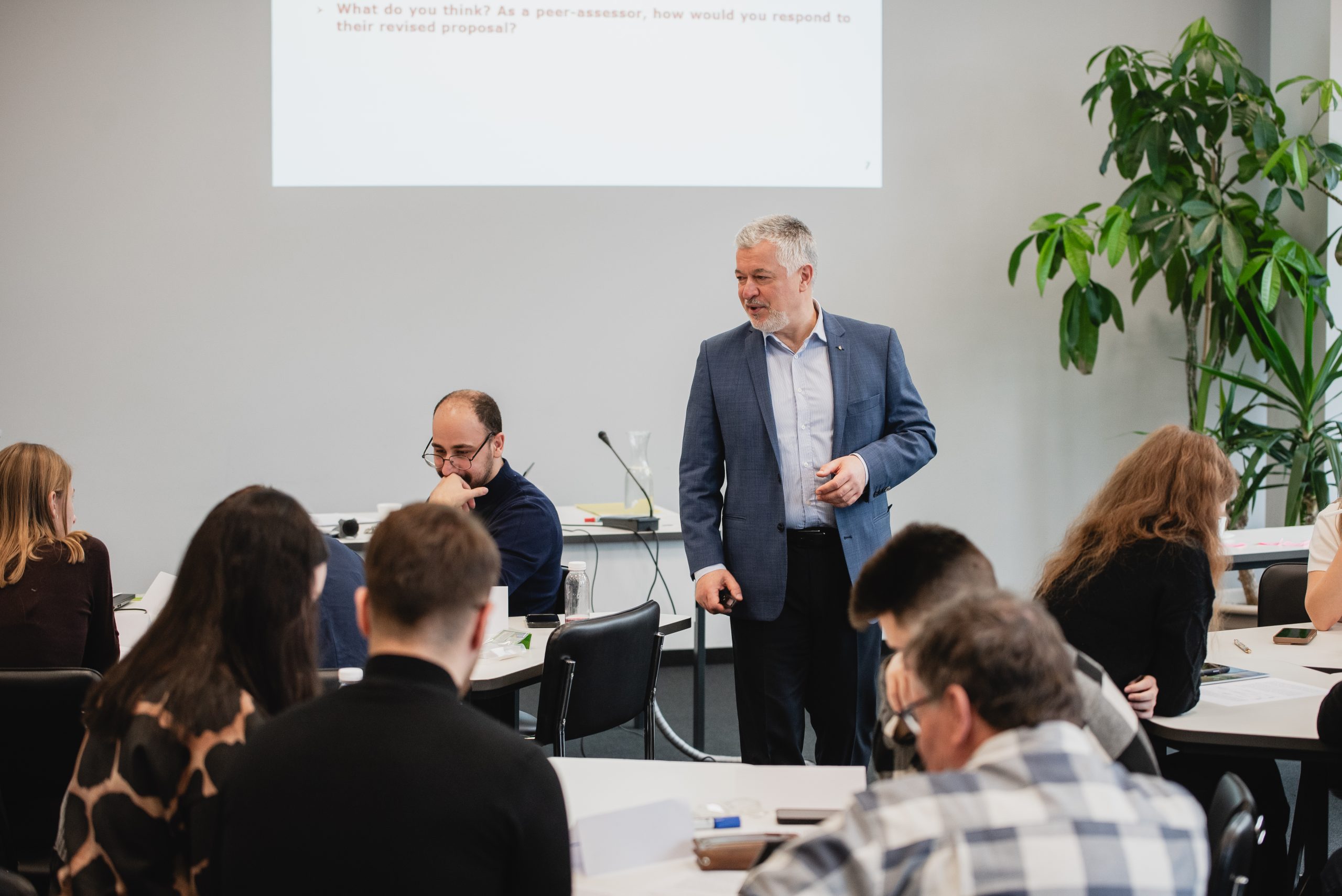
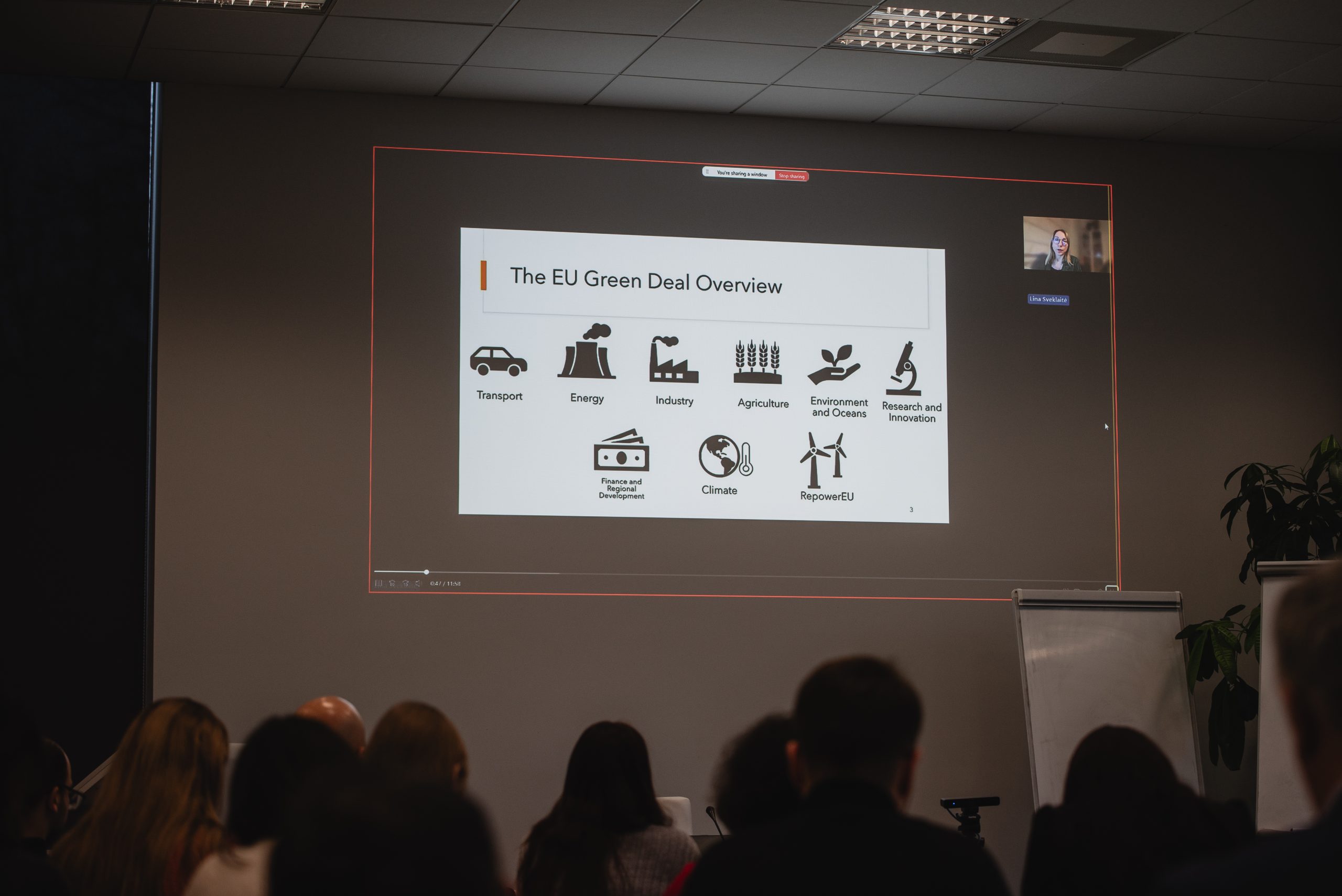
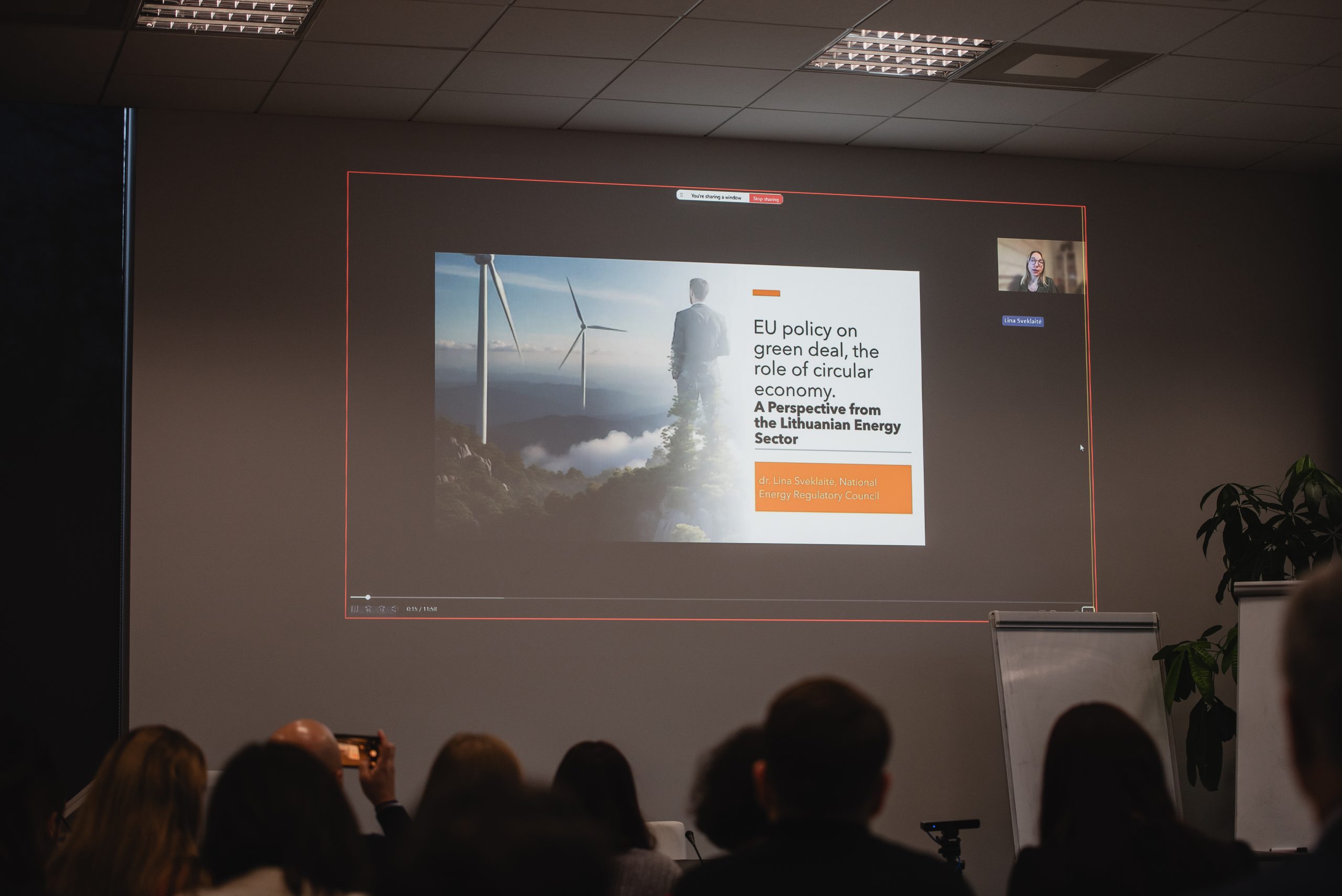
The training programme provided a comprehensive exploration of key topics, including sustainability challenges within the university environment, the policies of the European Union’s Green Deal, and the evolving role of the circular economy. Guest lecturers and practitioners from Lithuania, Estonia, Austria, Denmark, Israel, and the United Arab Emirates shared insights into their countries’ progress and opportunities in the transition towards greener practices.
Circular Economy as a Mindset Shift
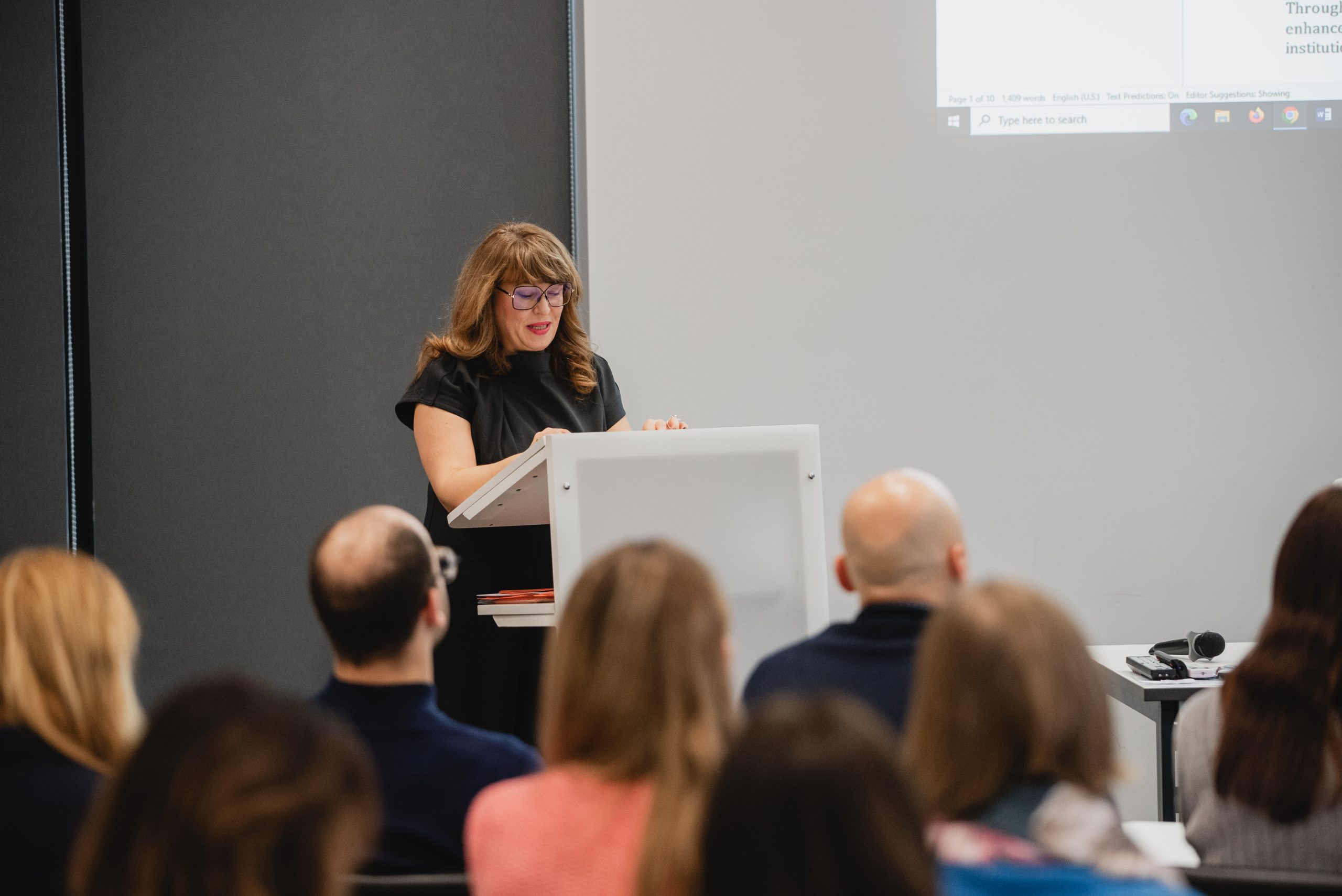
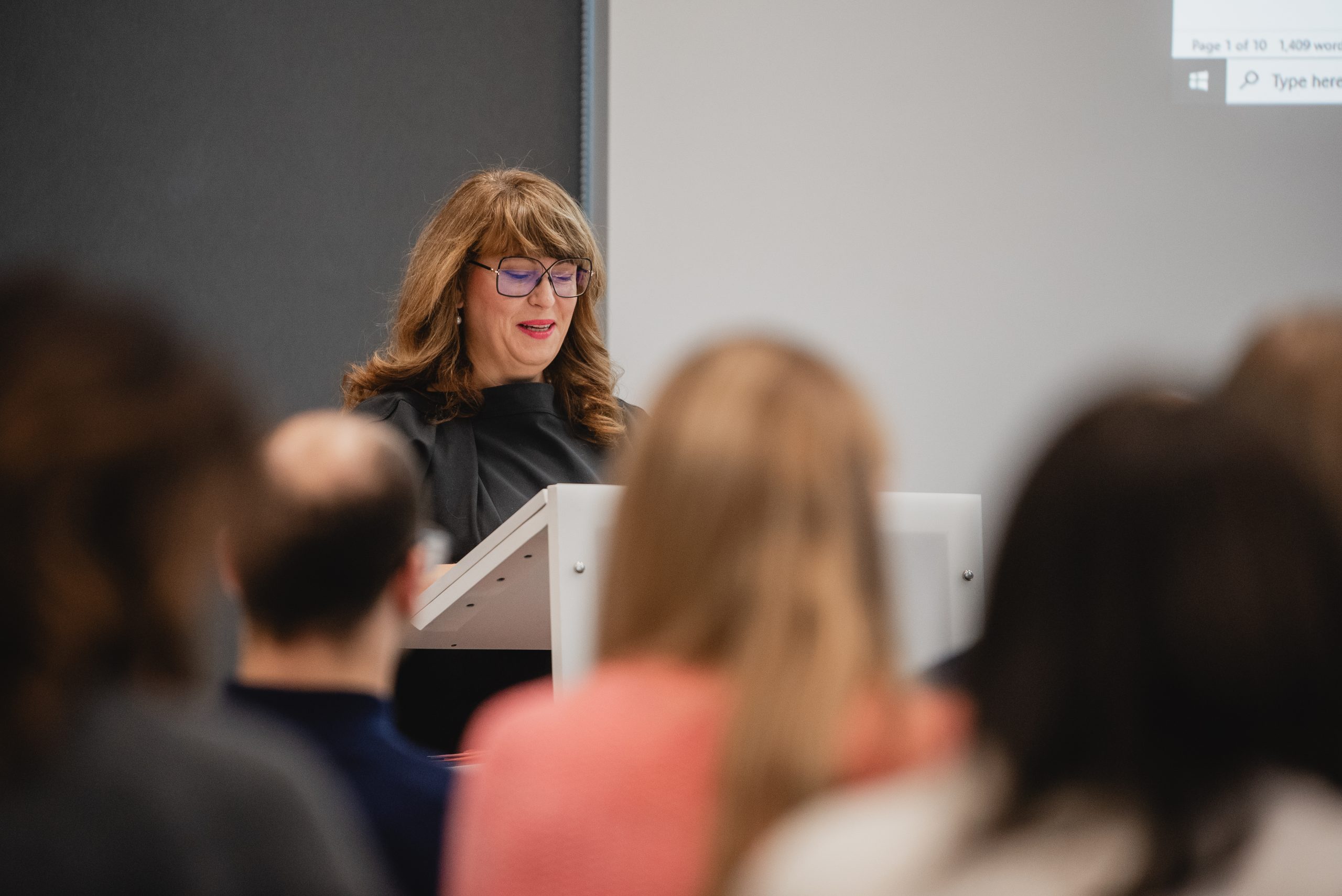
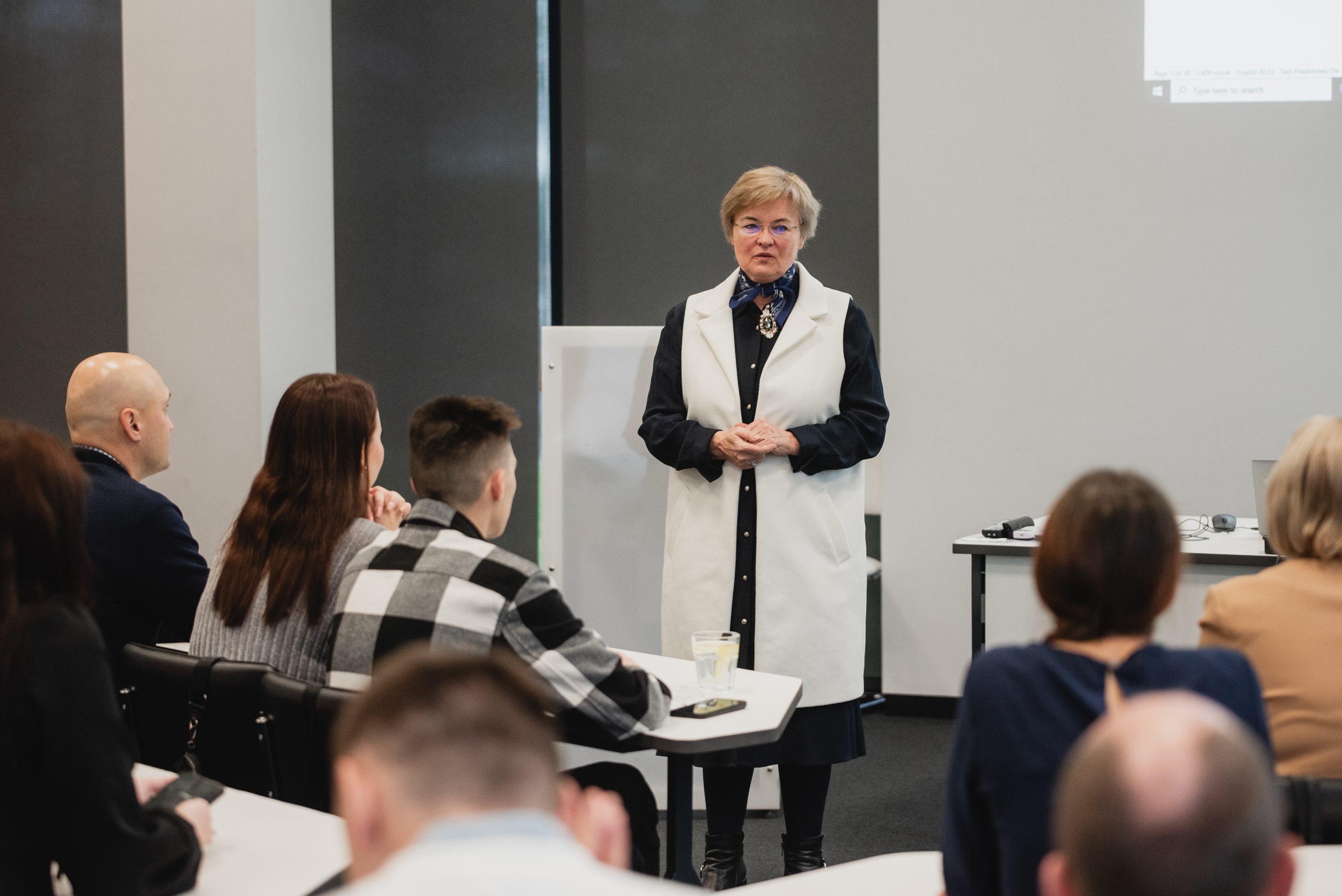
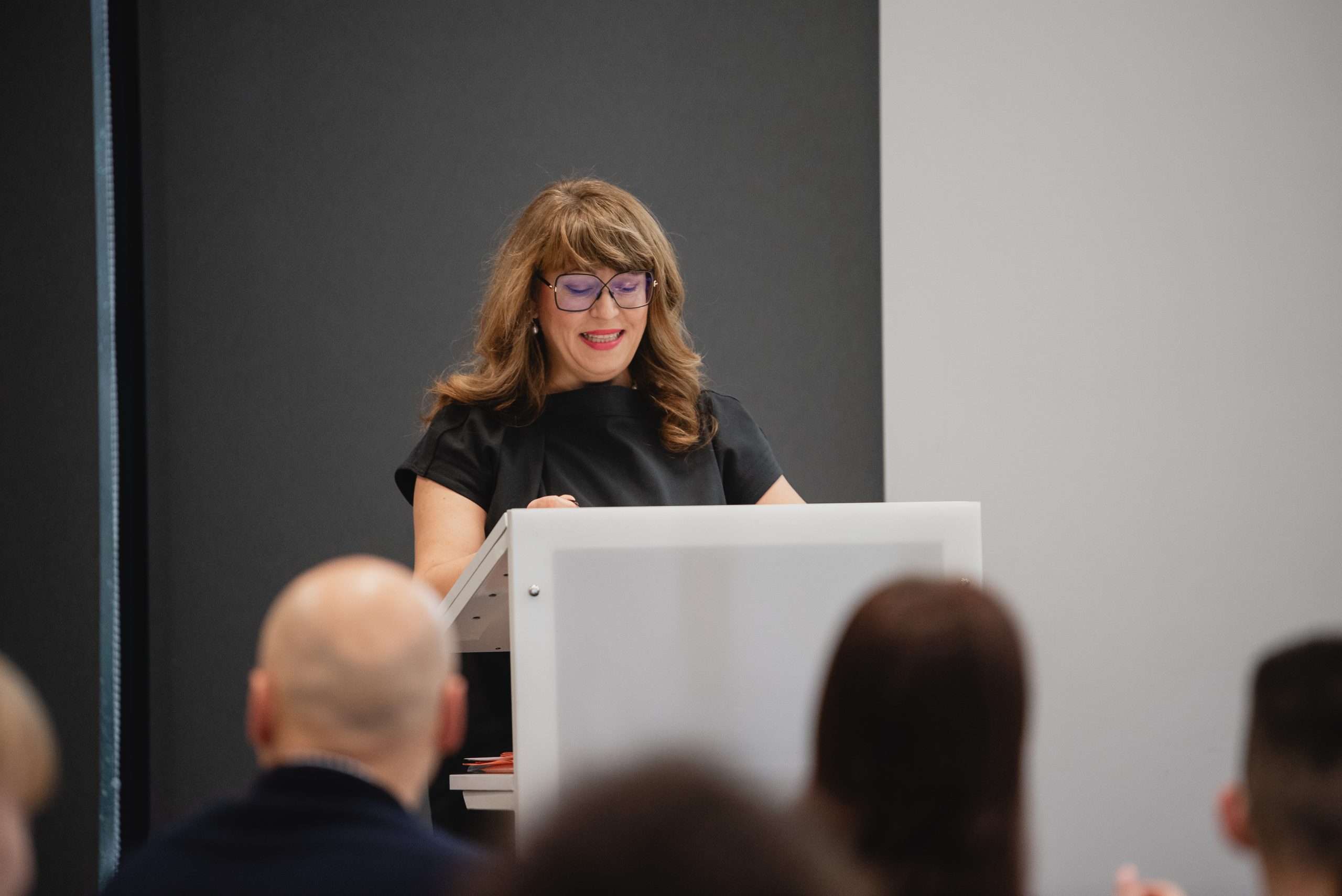
Reflecting on the broader significance of the initiative, Prof. Dr. Birutė Mockevičienė of Mykolas Romeris University highlighted that the circular economy requires a fundamental shift in thinking:
“The circular economy is not merely an environmental initiative – it is a shift in mindset that transforms how society, business, and the public sector operate. By investing in the competences of students and educators, we are laying the foundation for a future Europe where sustainability becomes not a challenge, but a natural principle of everyday life,” she noted.
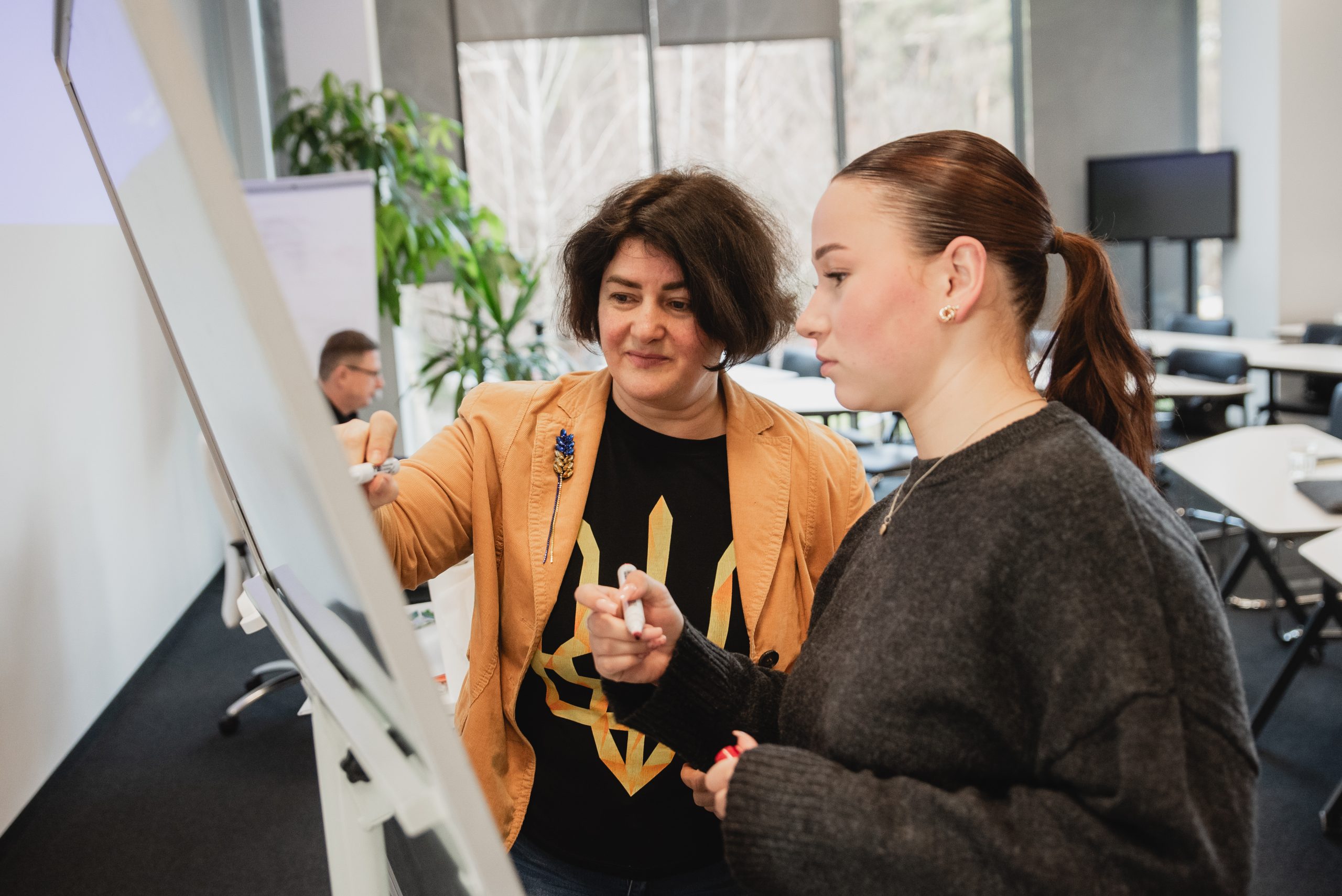
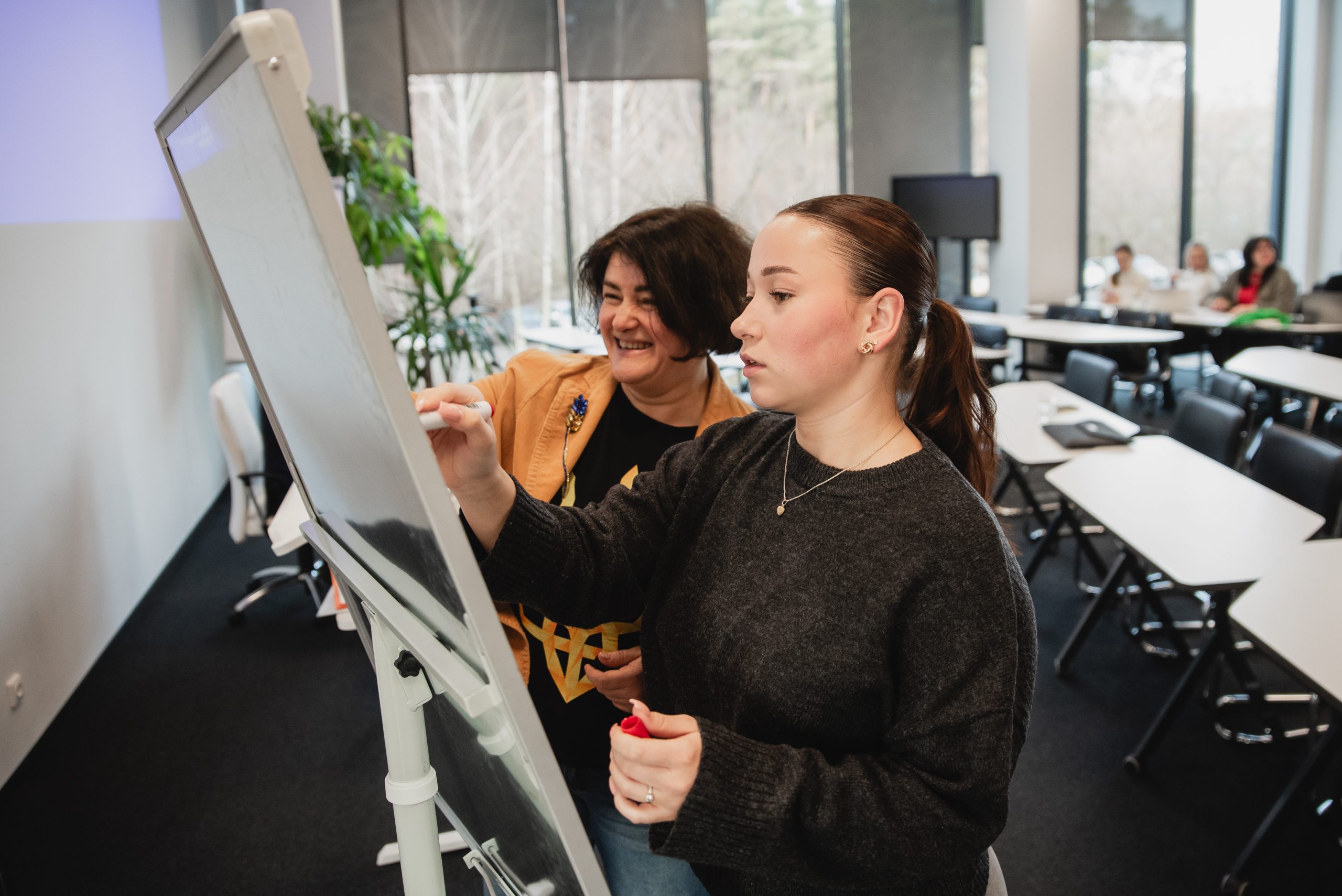
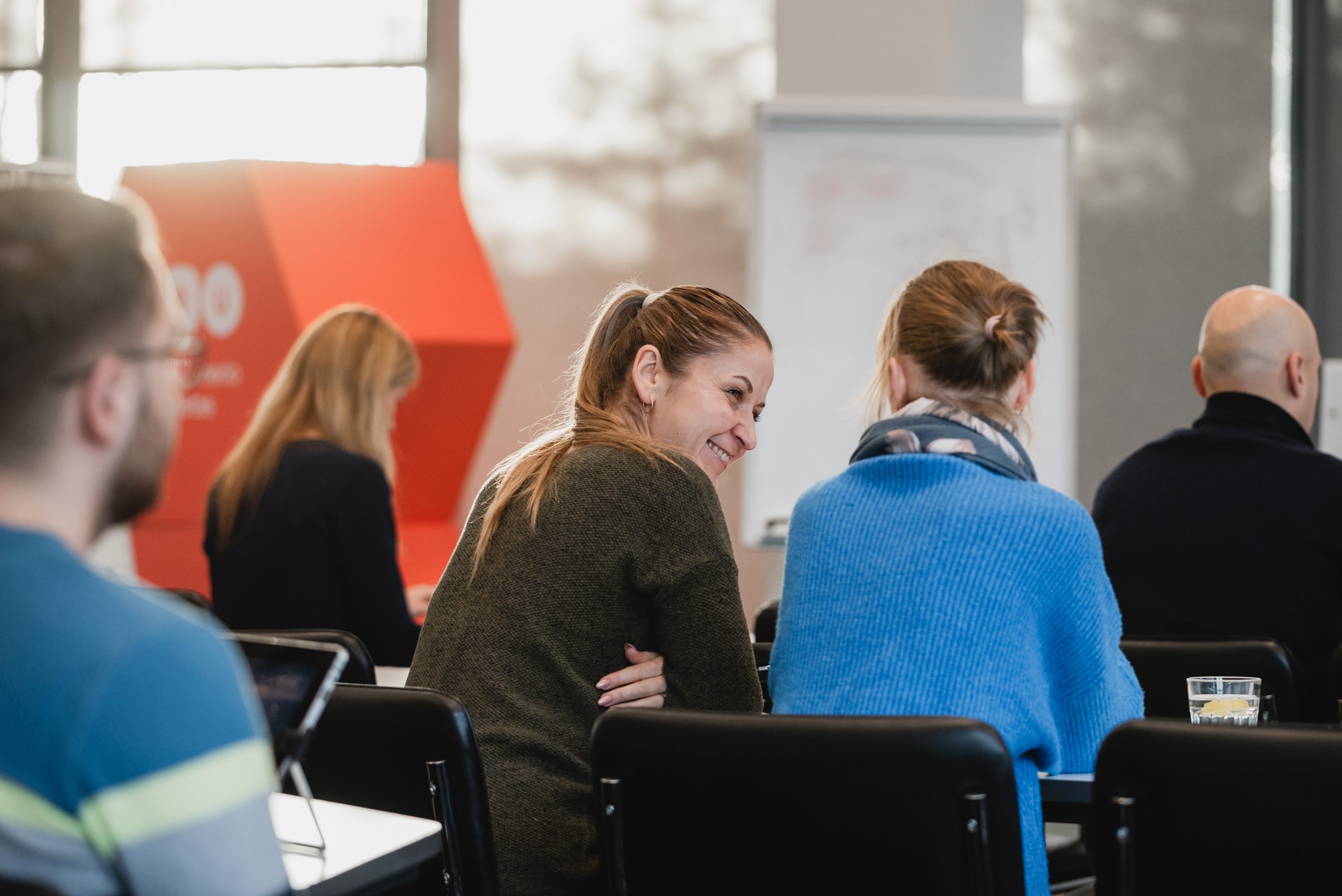
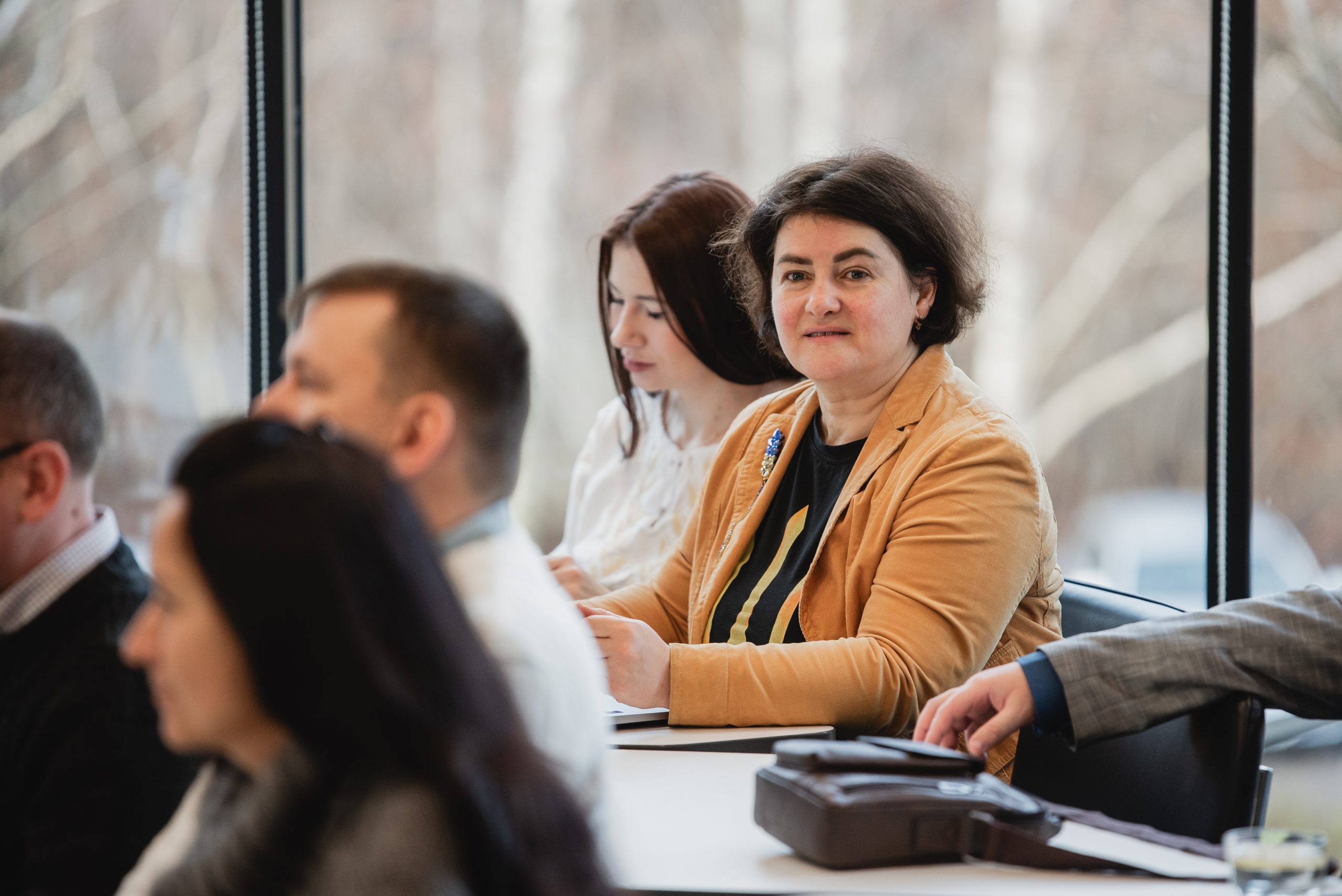
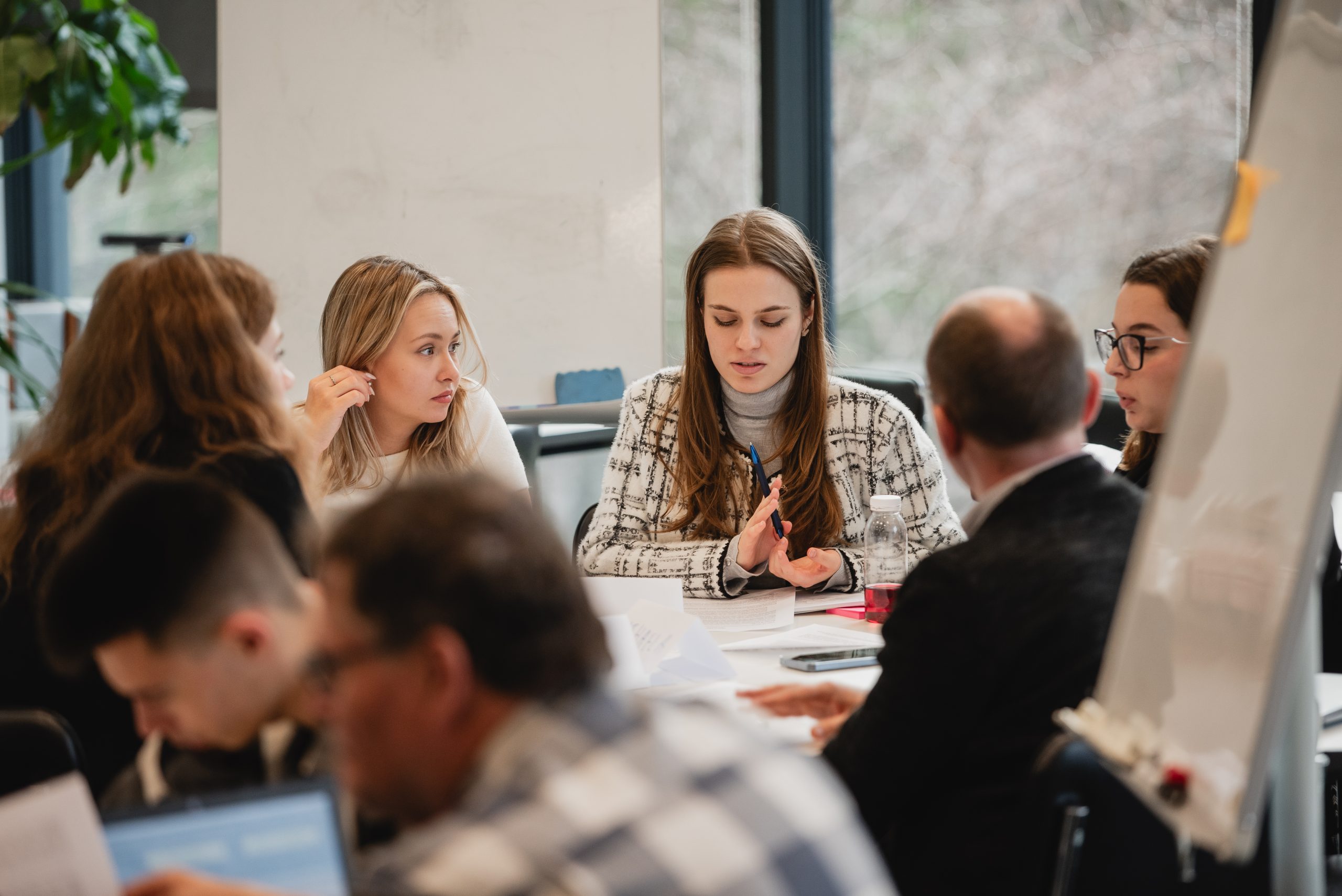
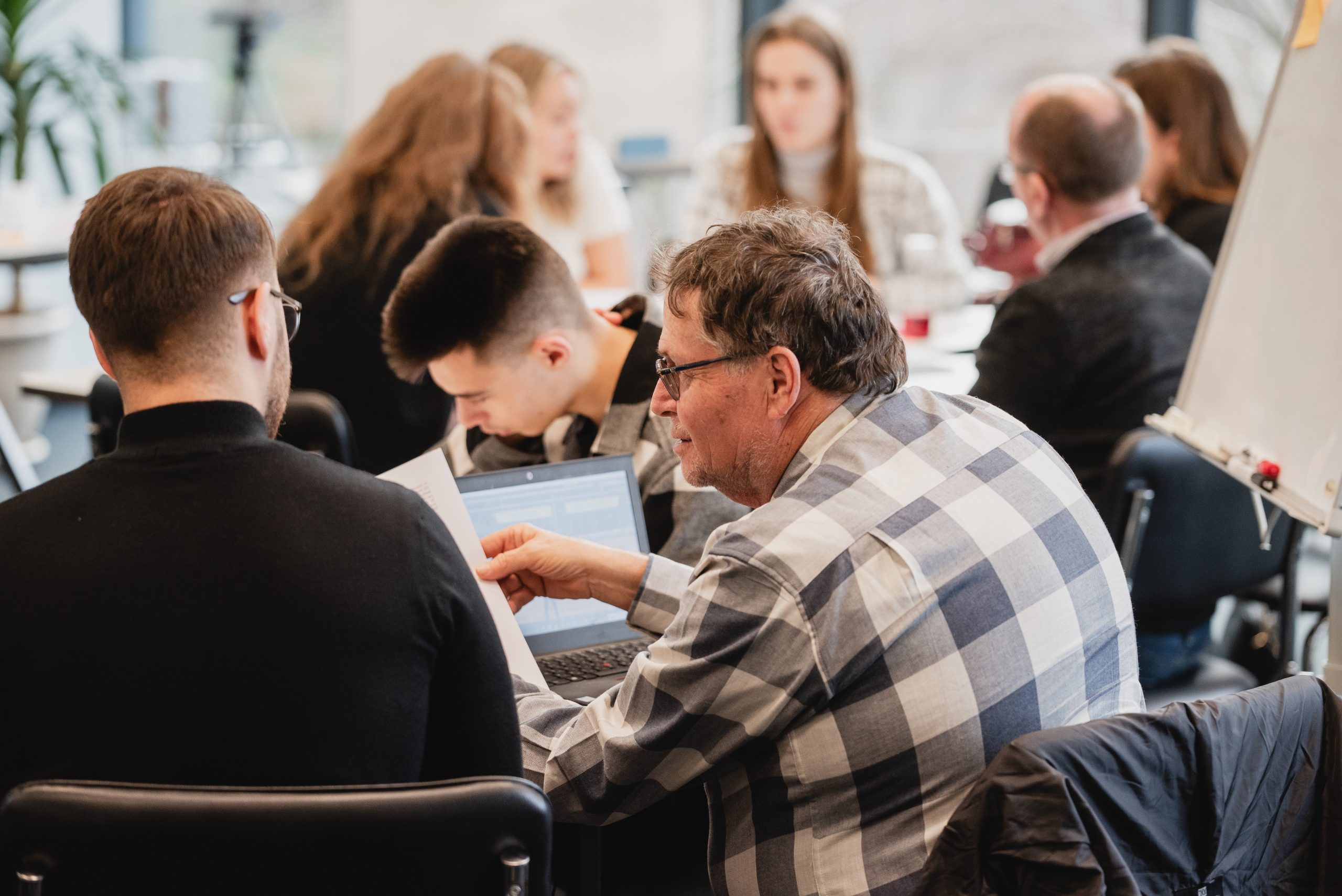
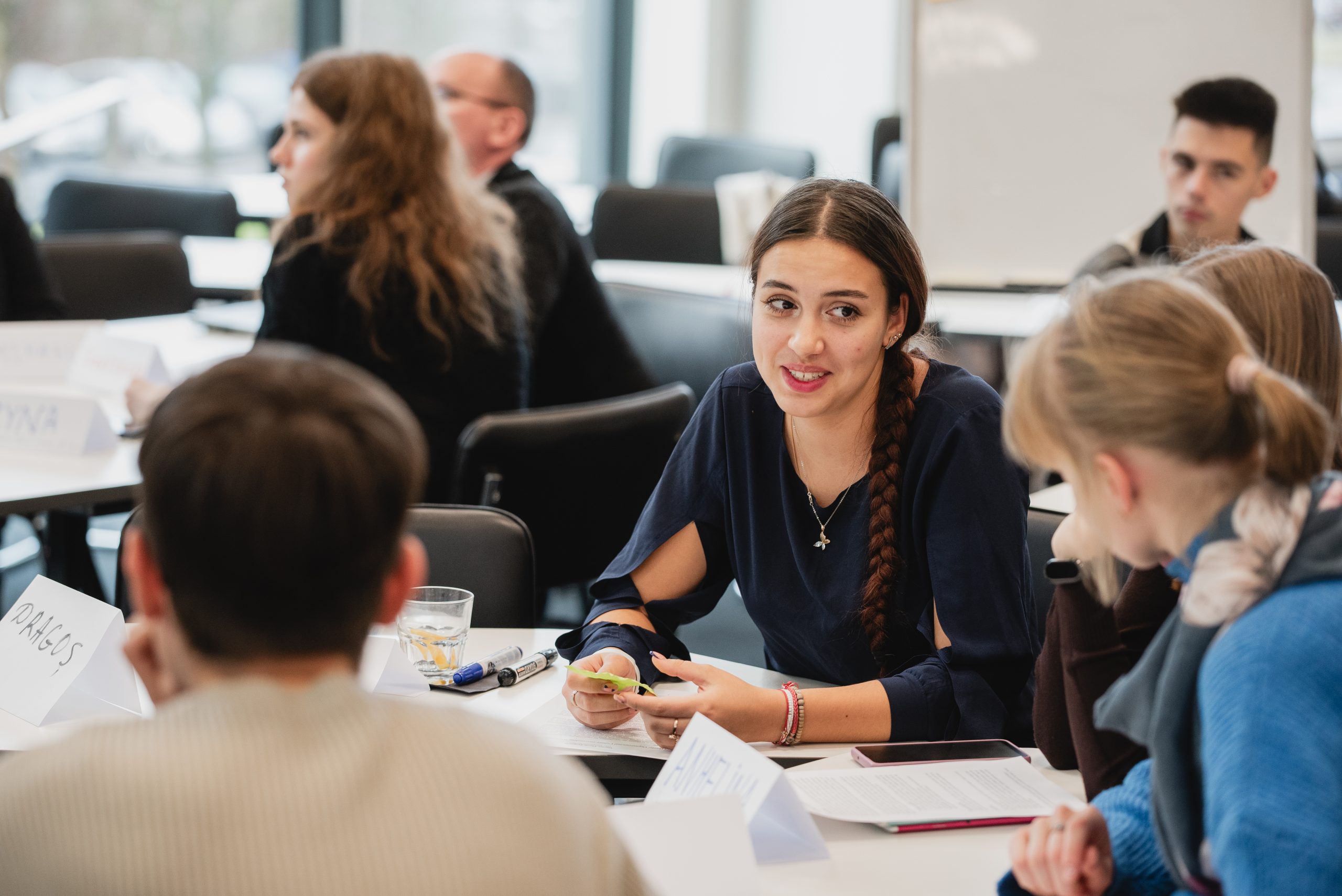
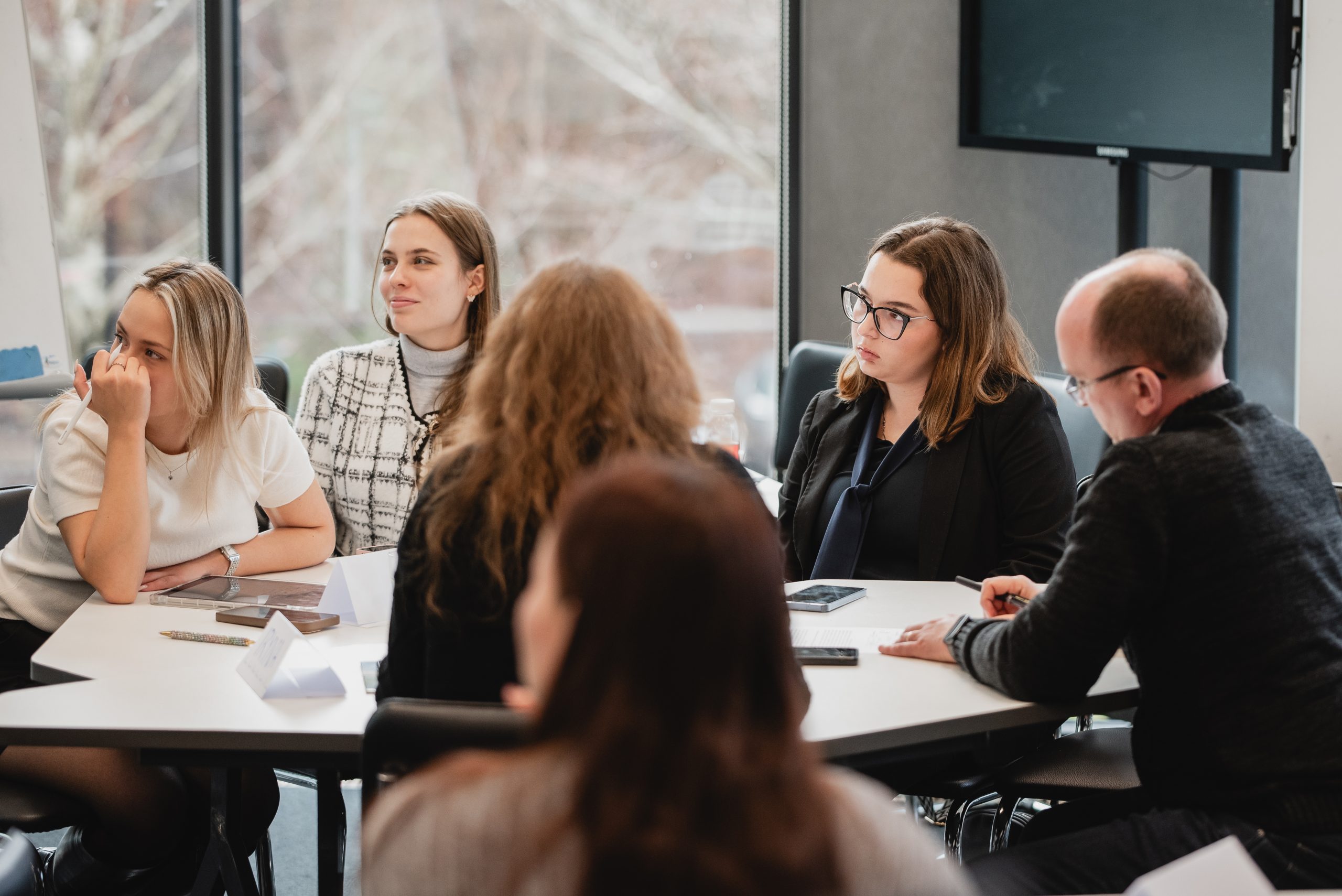
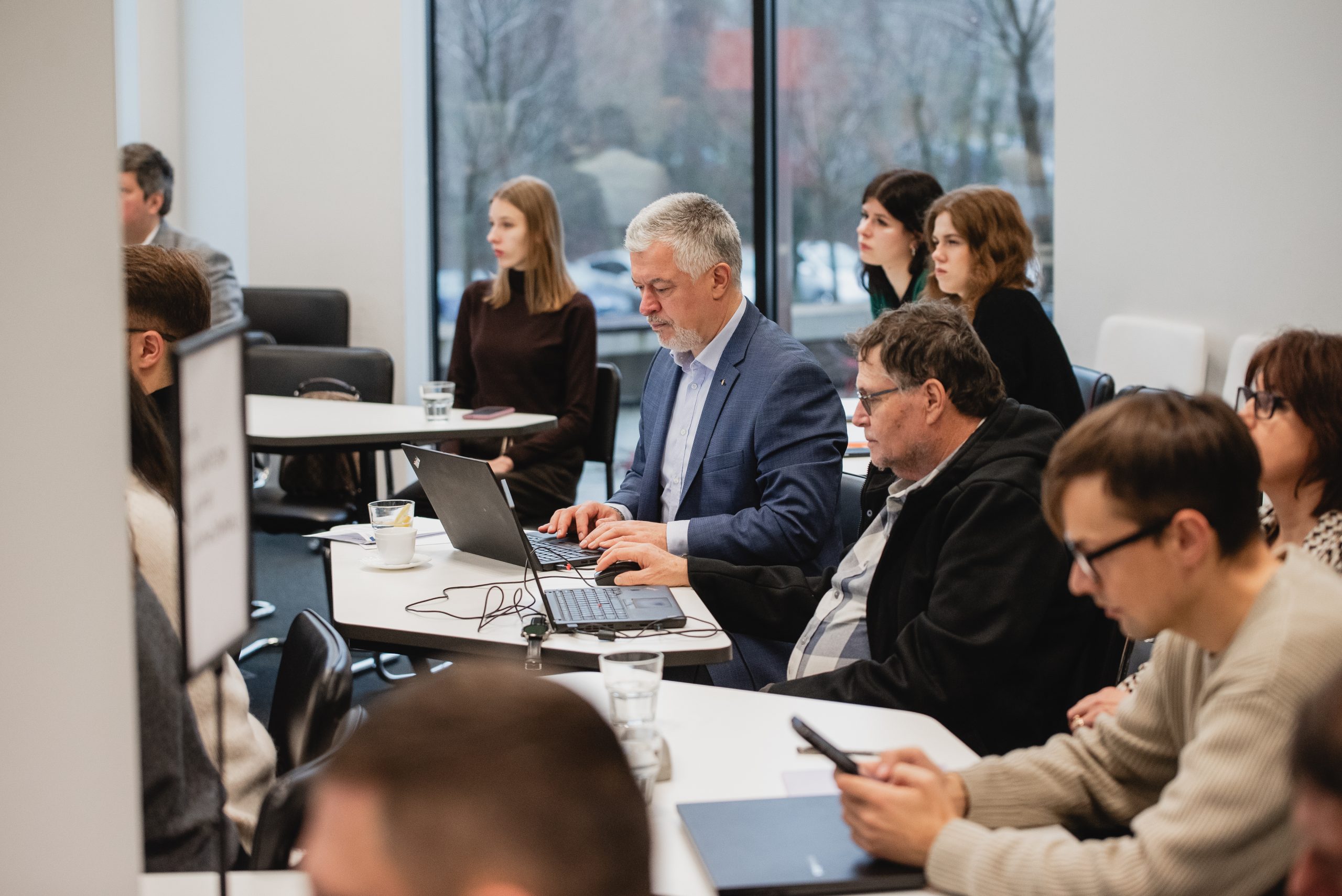
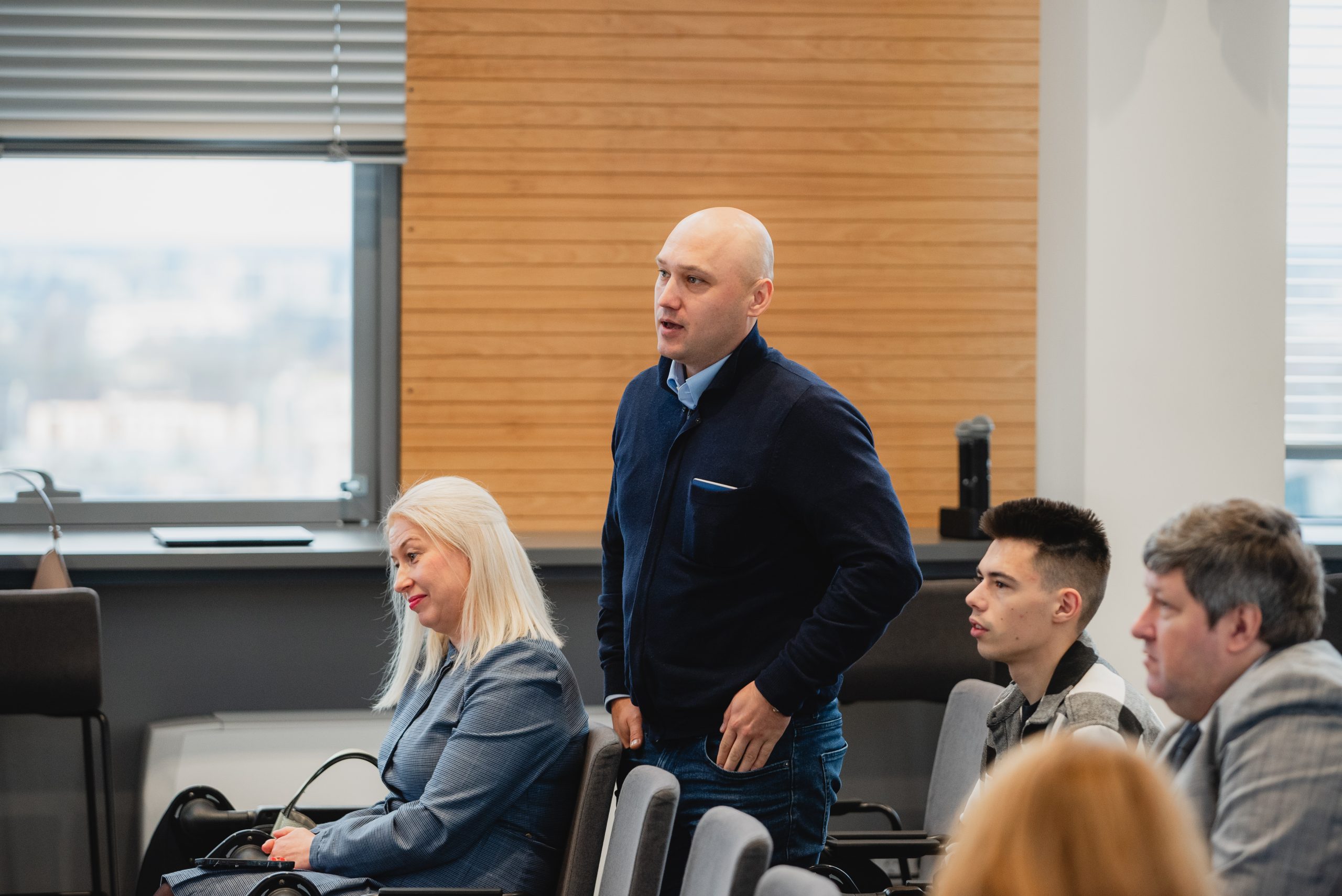
Alongside the lectures, interactive workshops offered hands-on learning experiences. Teachers were introduced to modern, innovative teaching methods designed to enhance engagement in sustainability-related studies. Students took part in practical case-study sessions, addressing real-world challenges through creative and collaborative learning approaches.
Bridging Education and the Labour Market
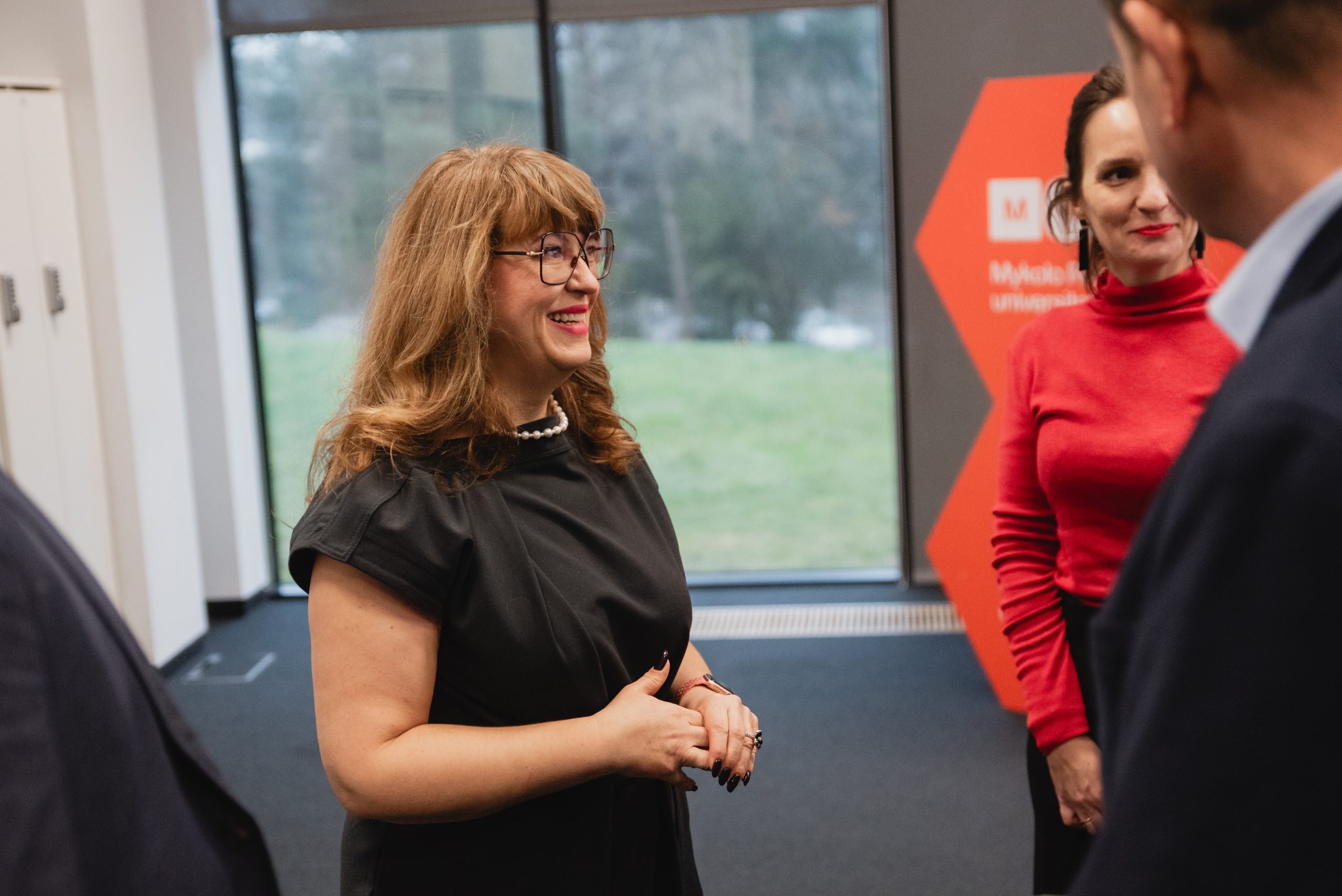
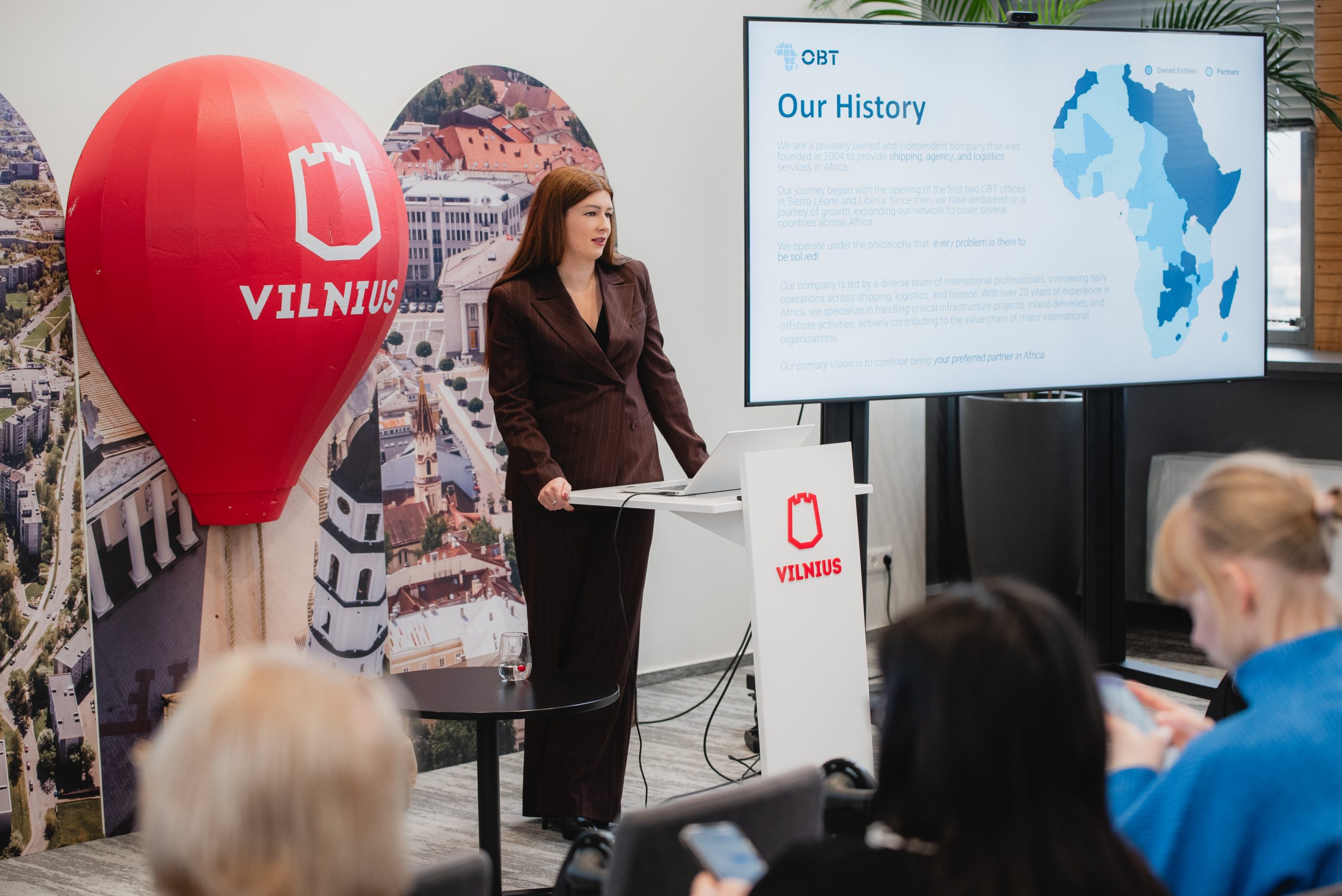
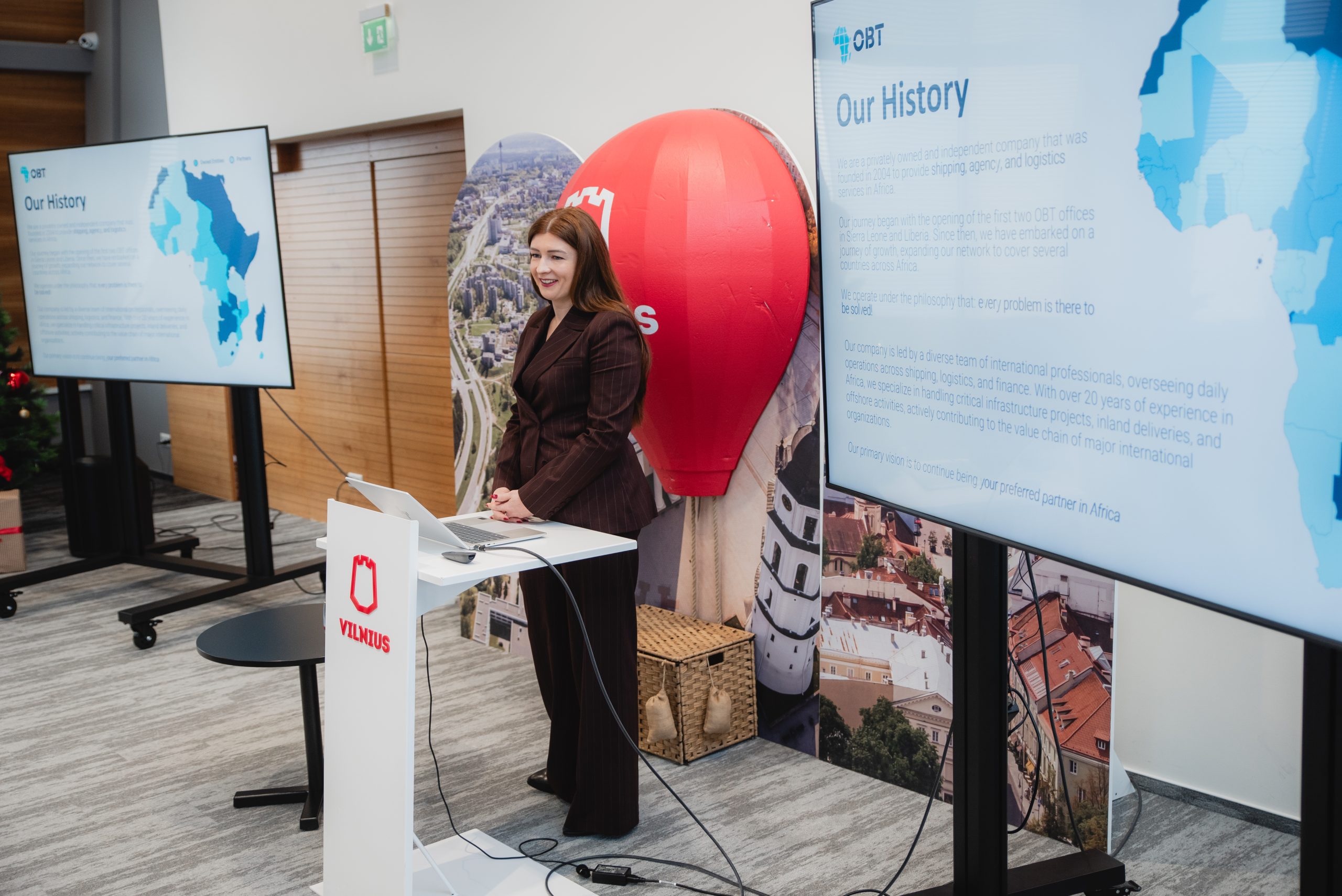
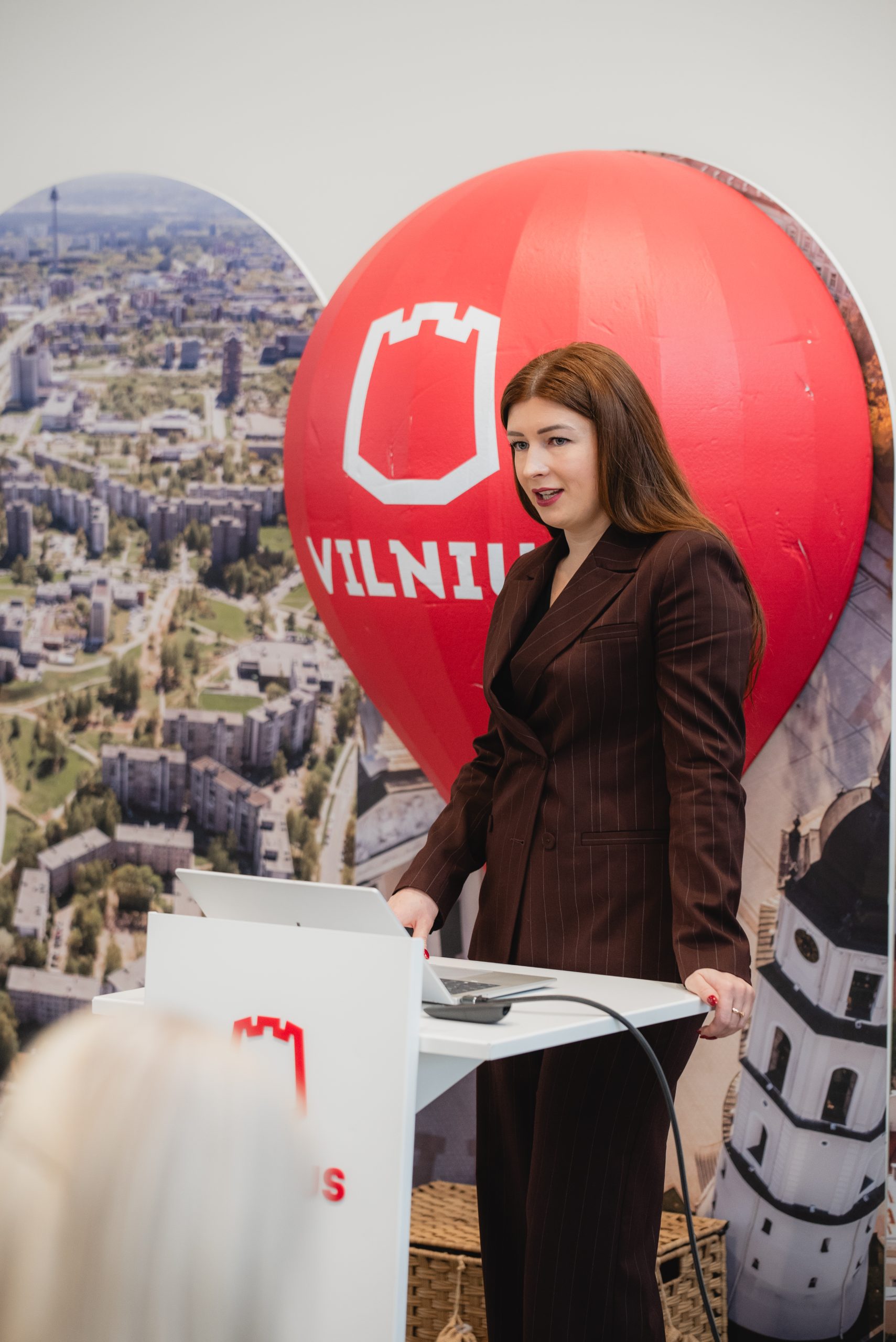
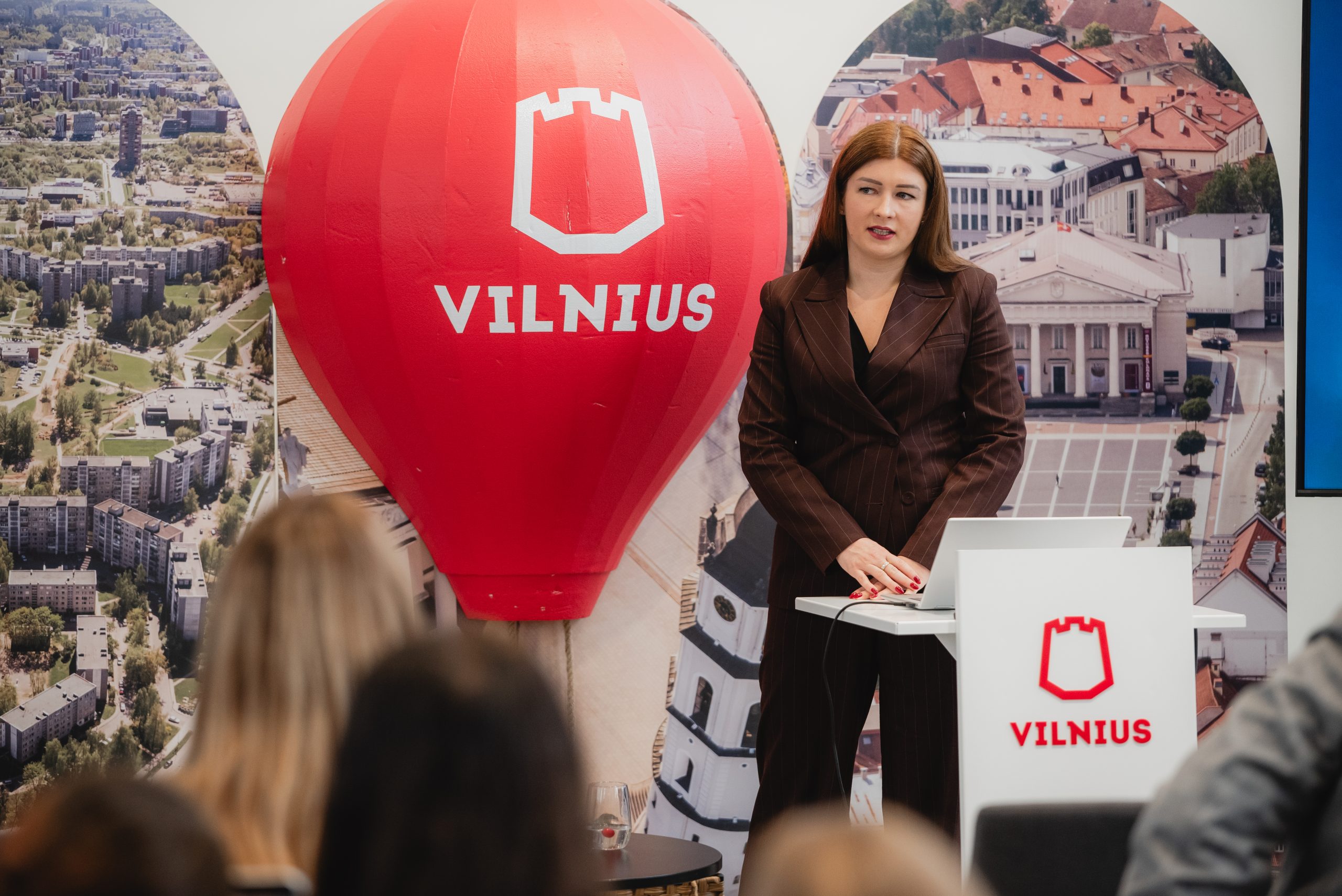
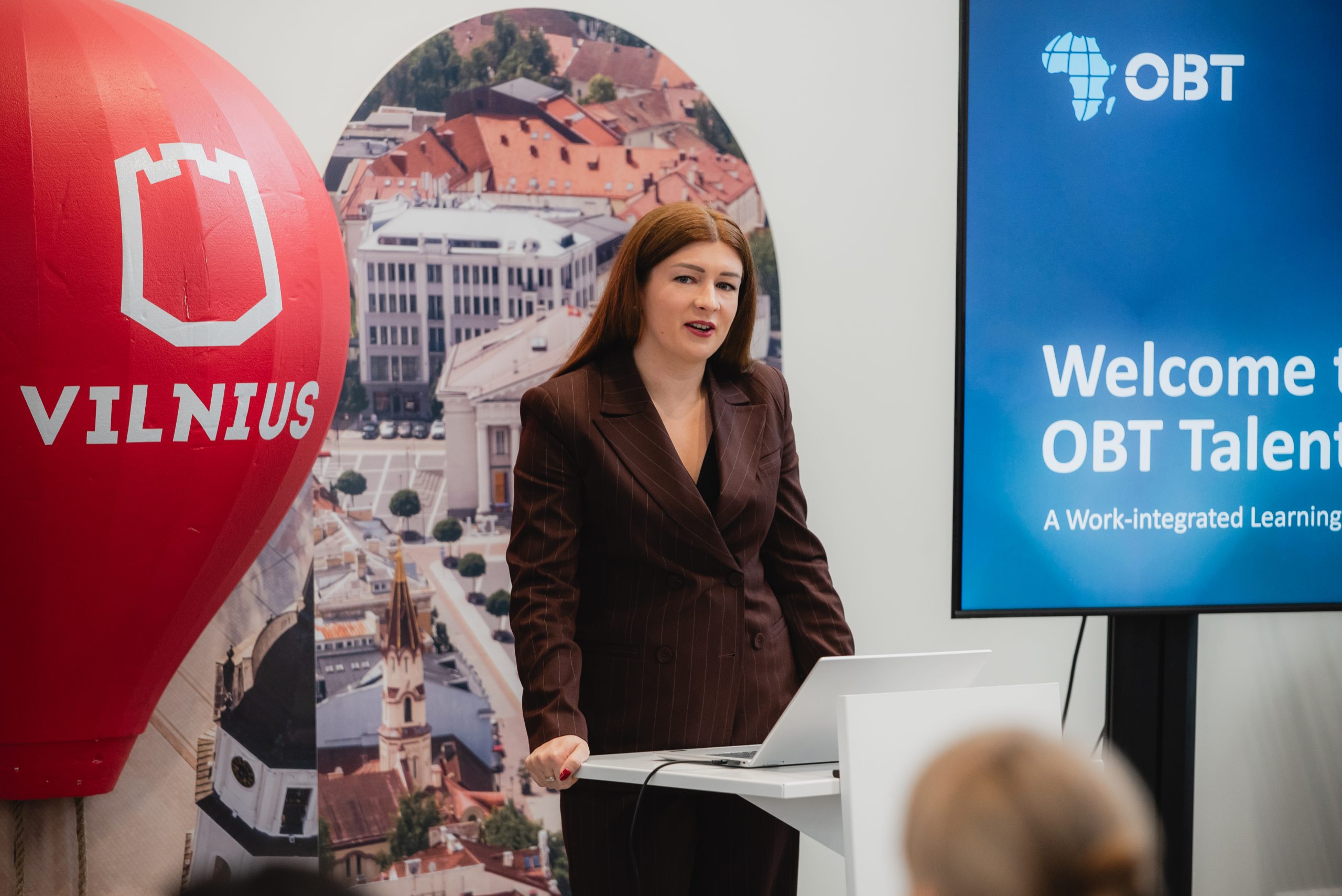
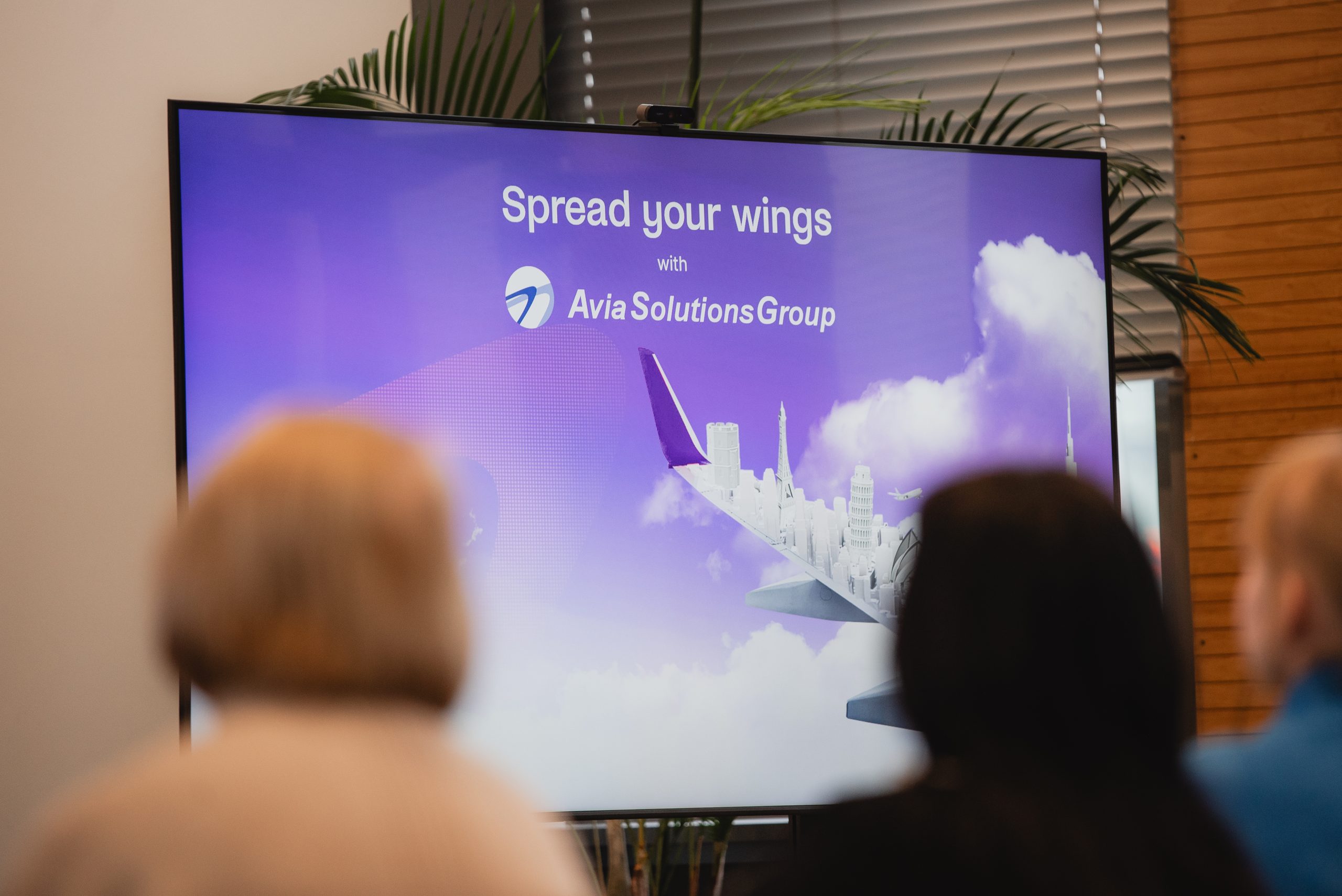
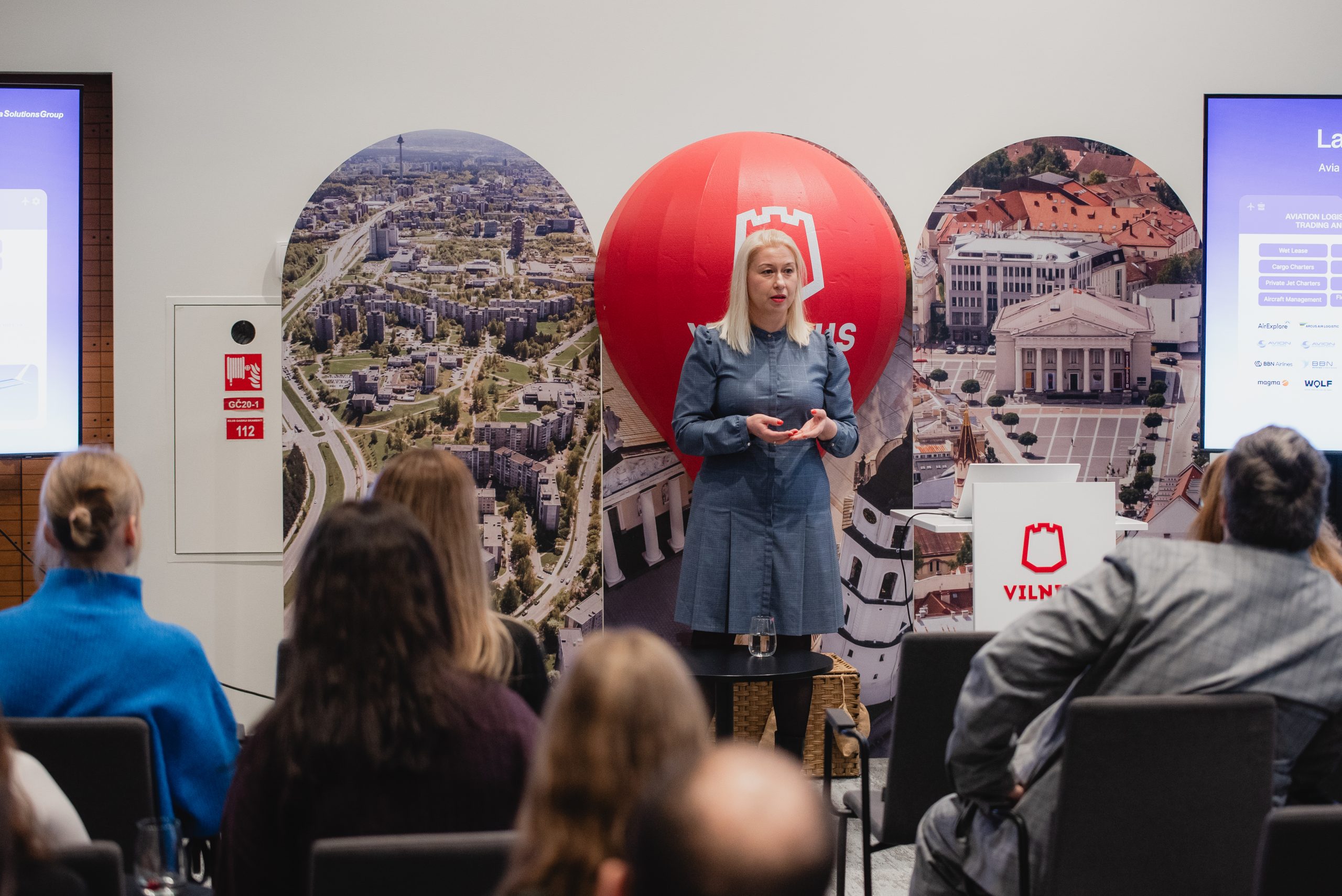
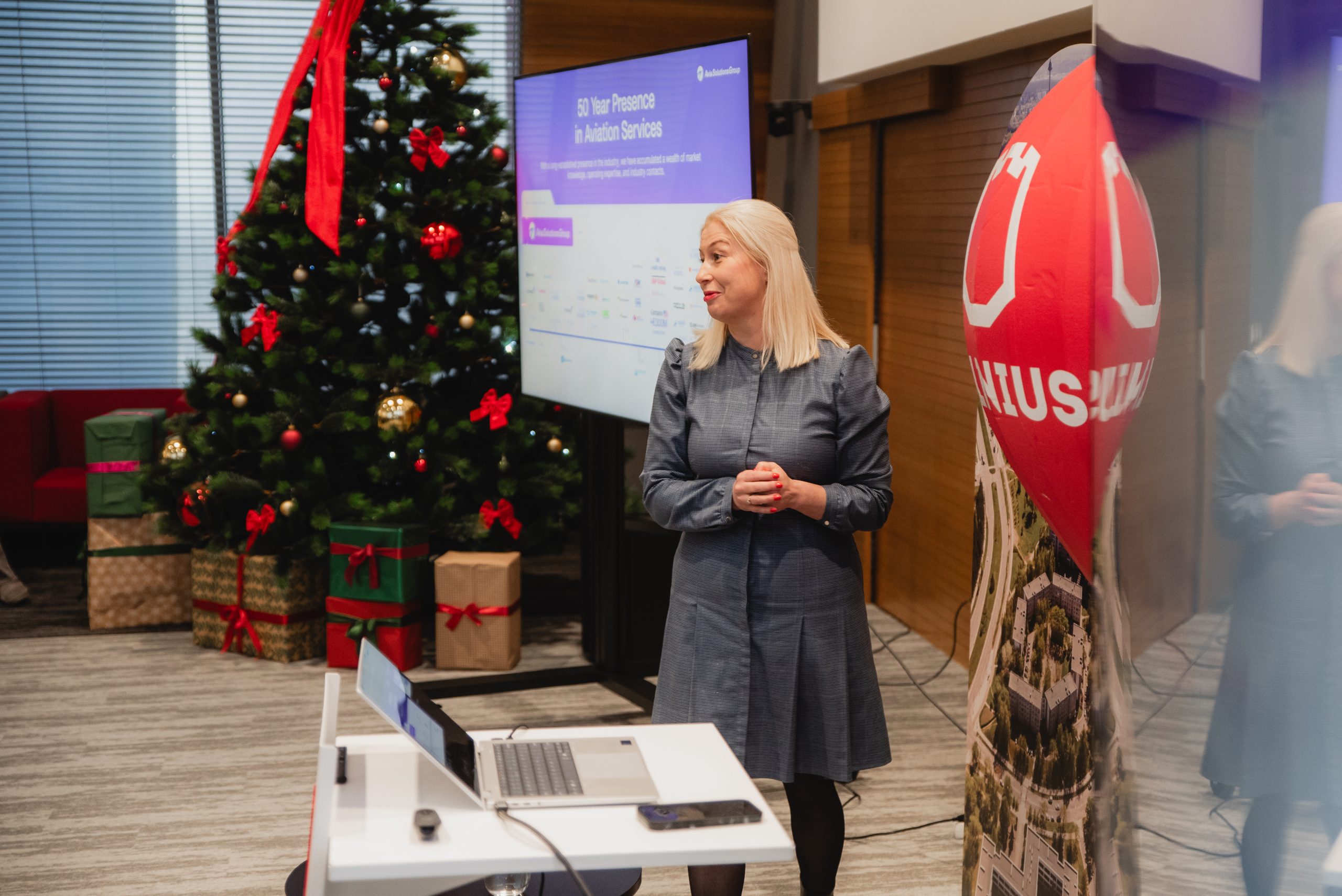
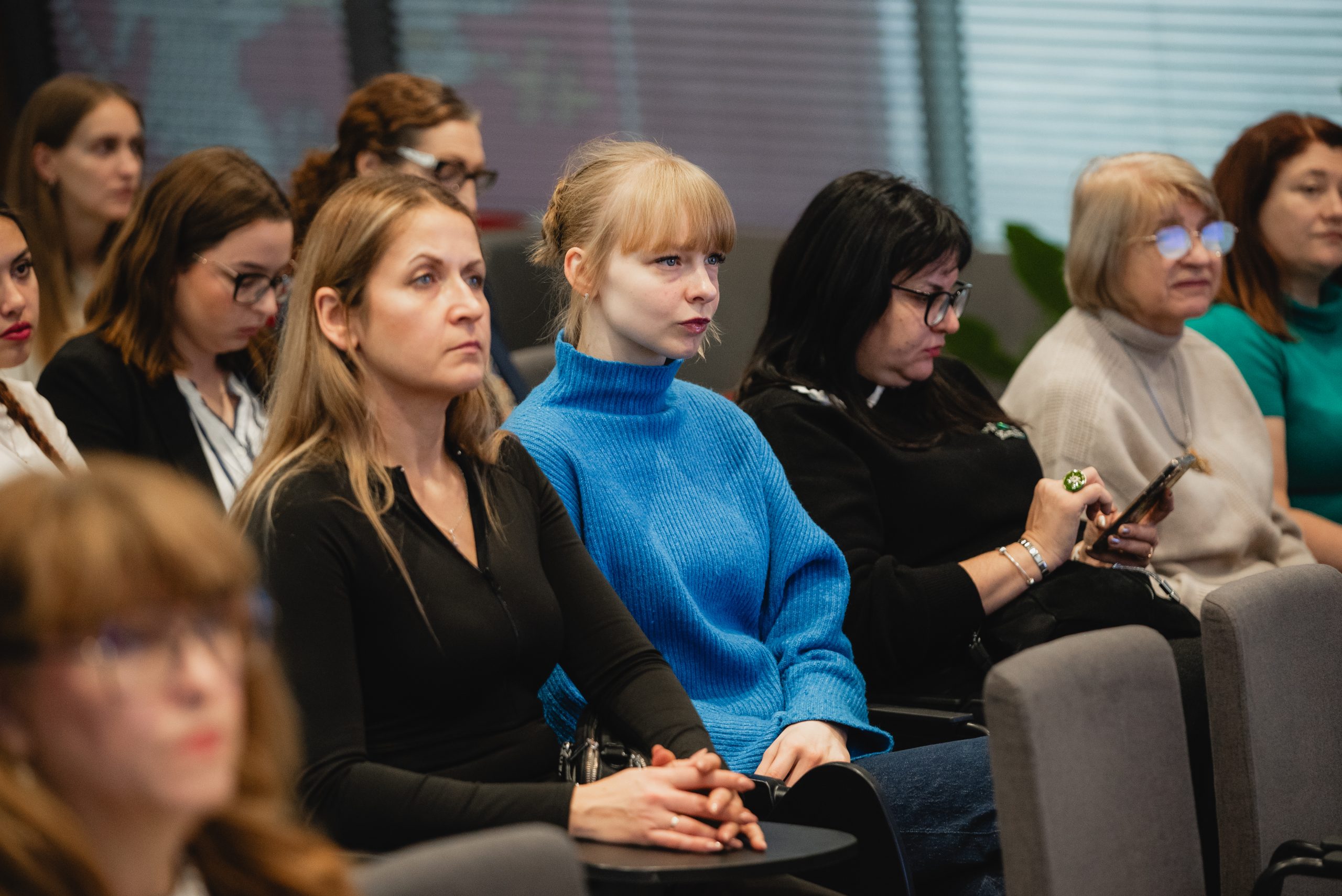
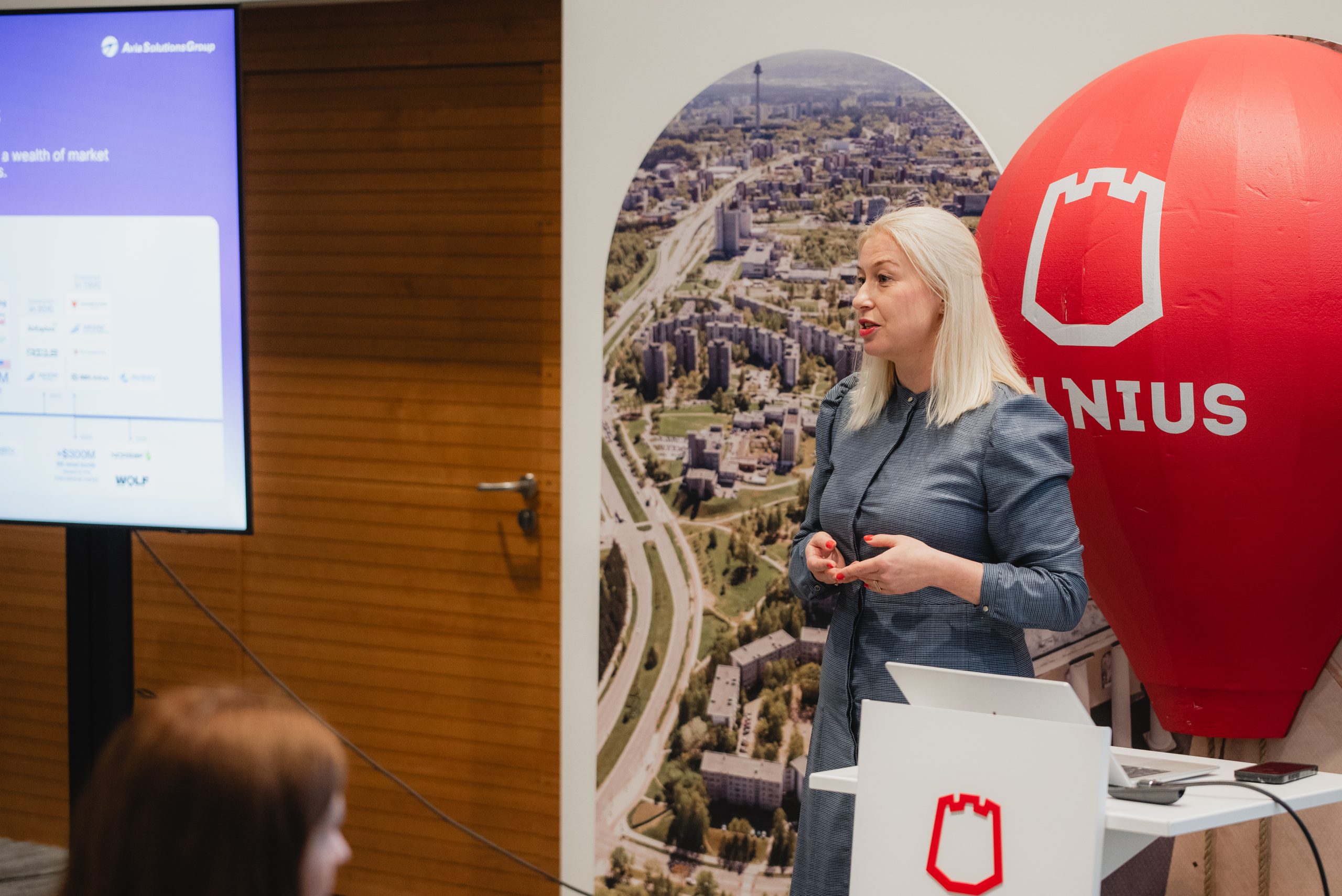
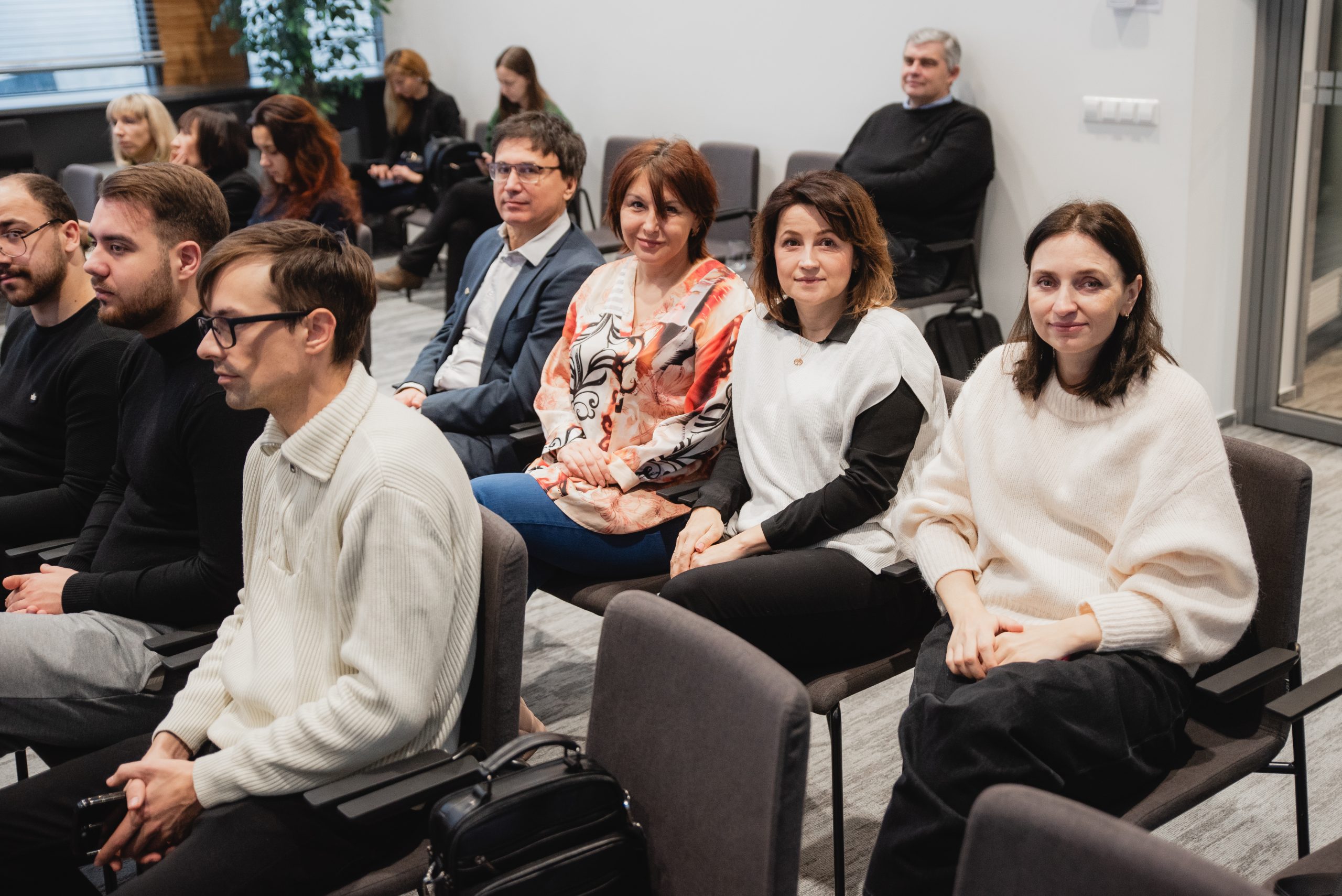
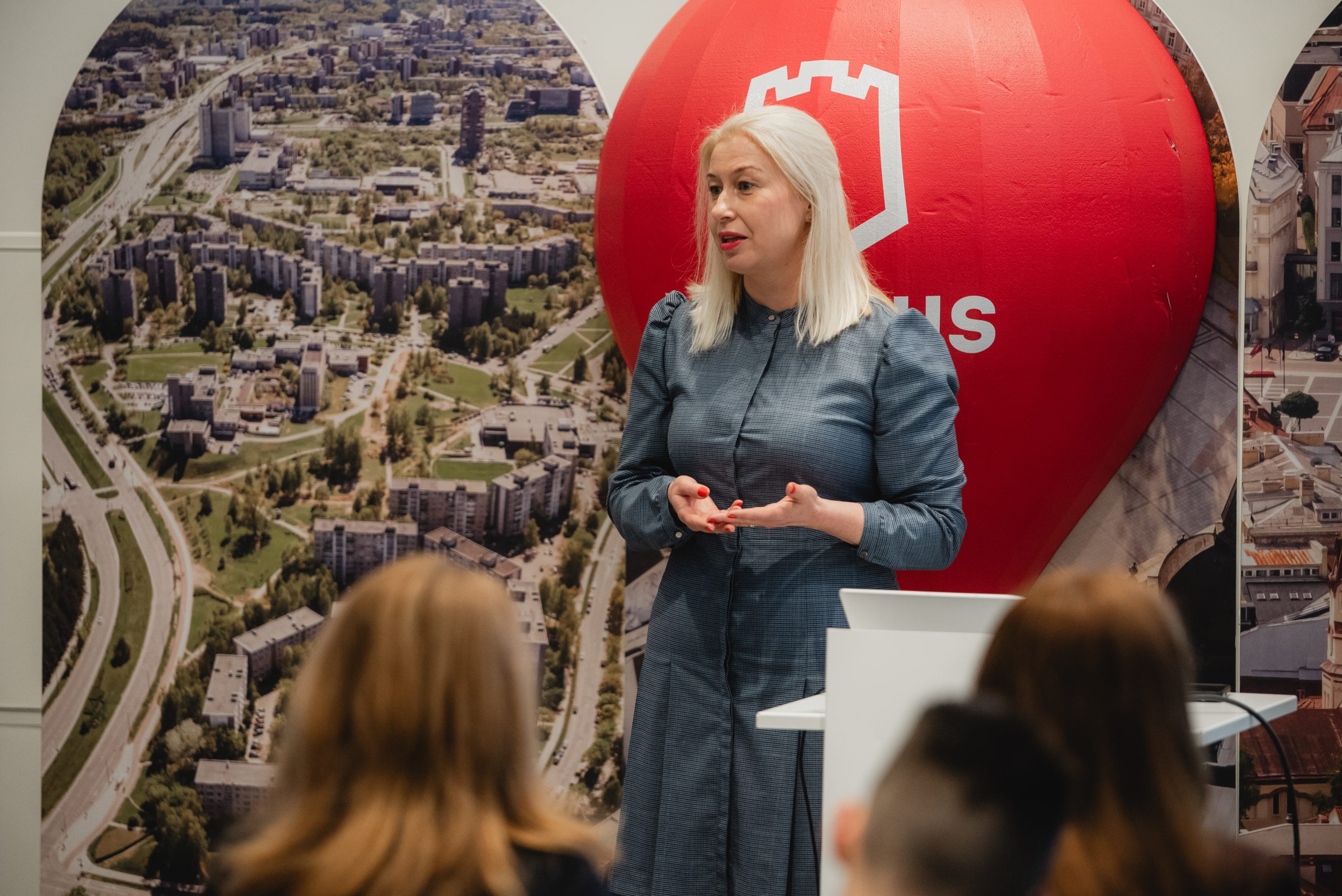
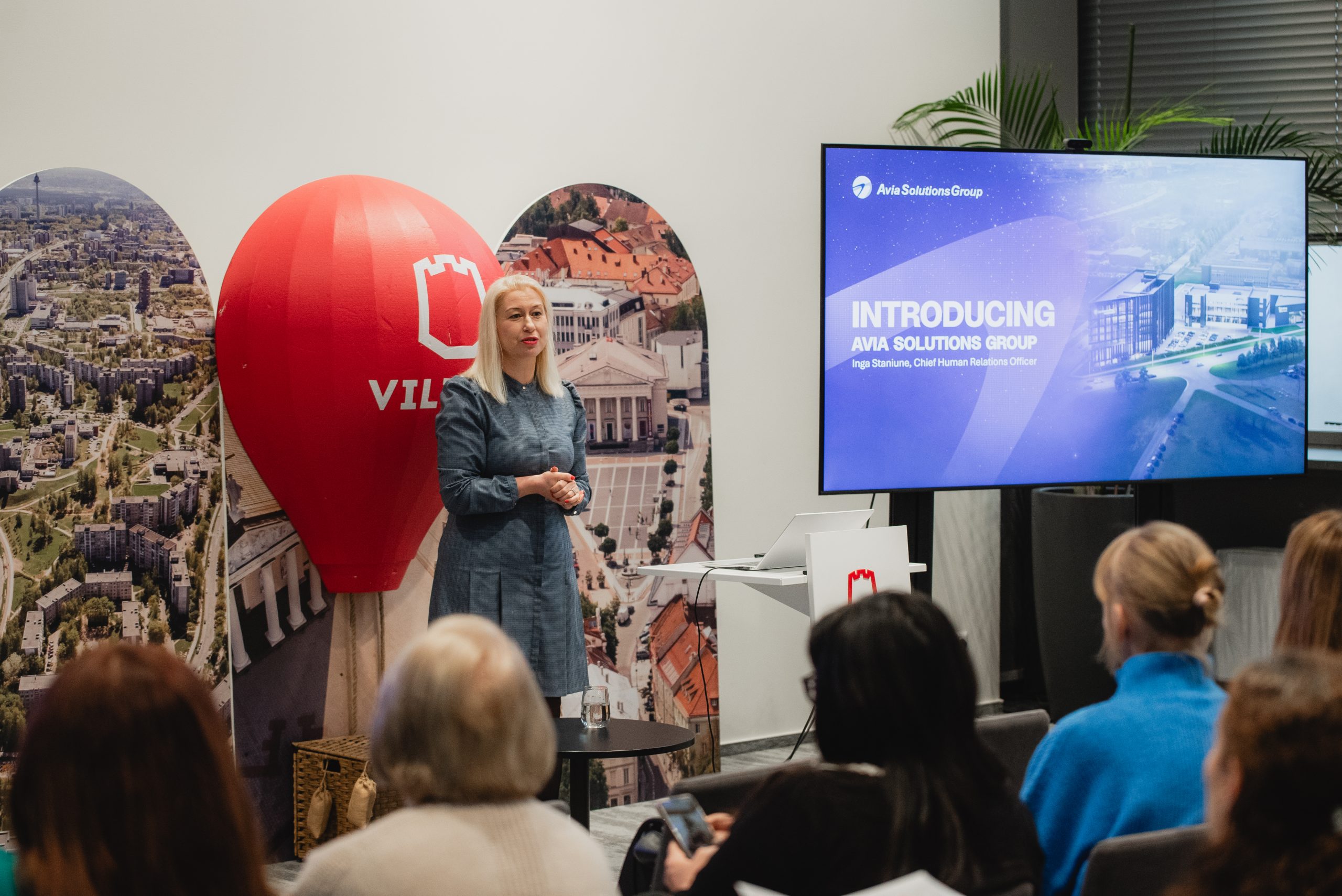
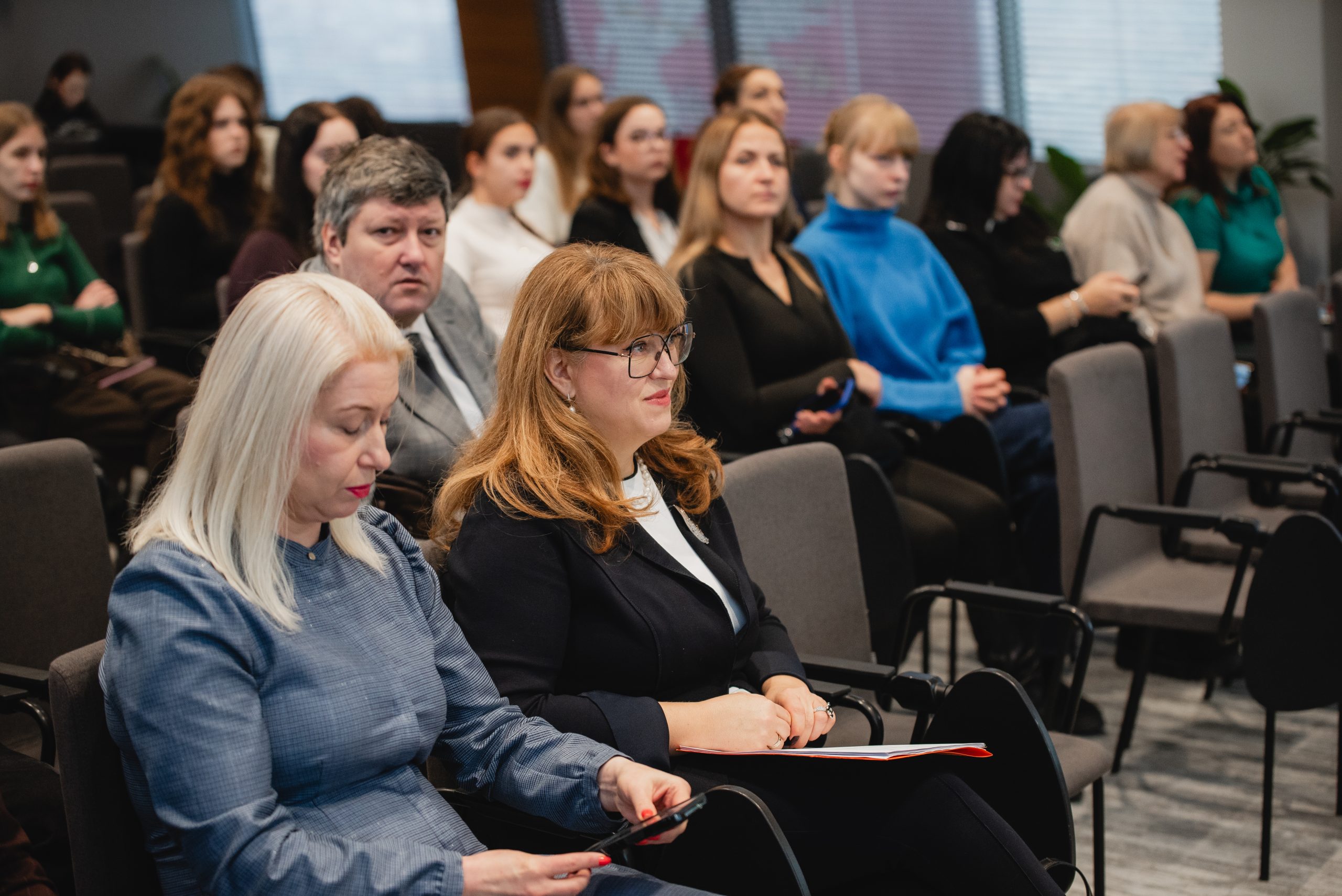
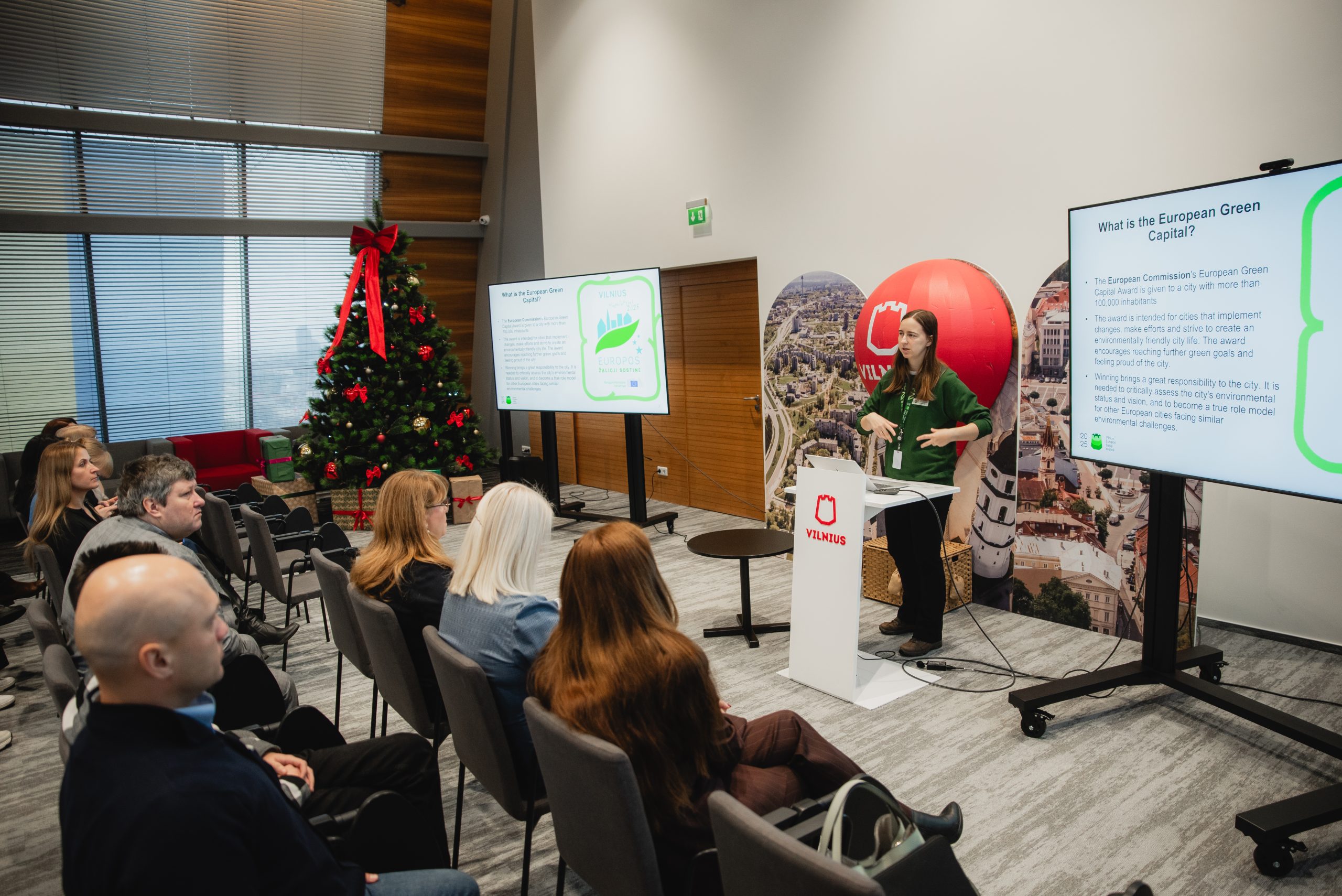
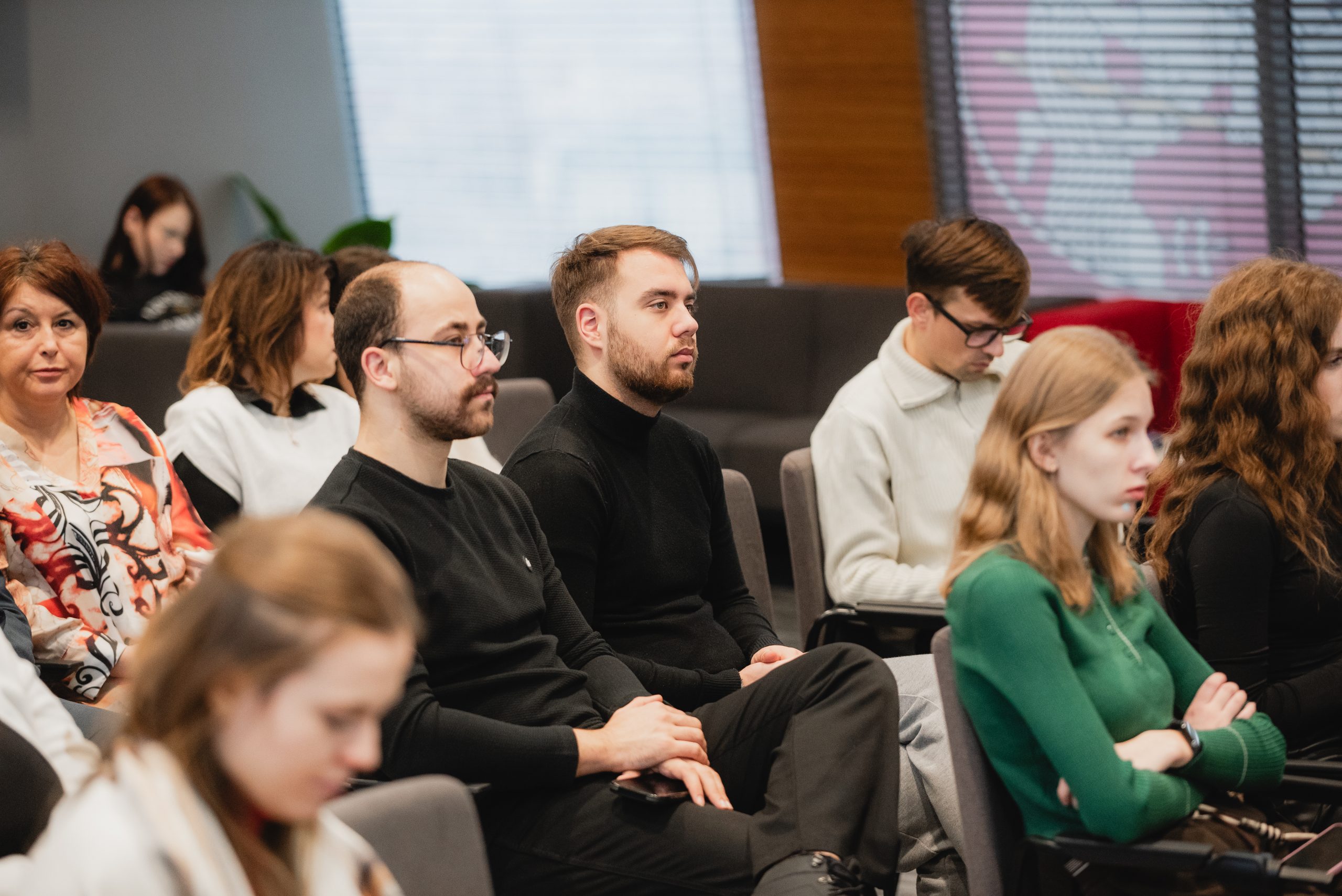
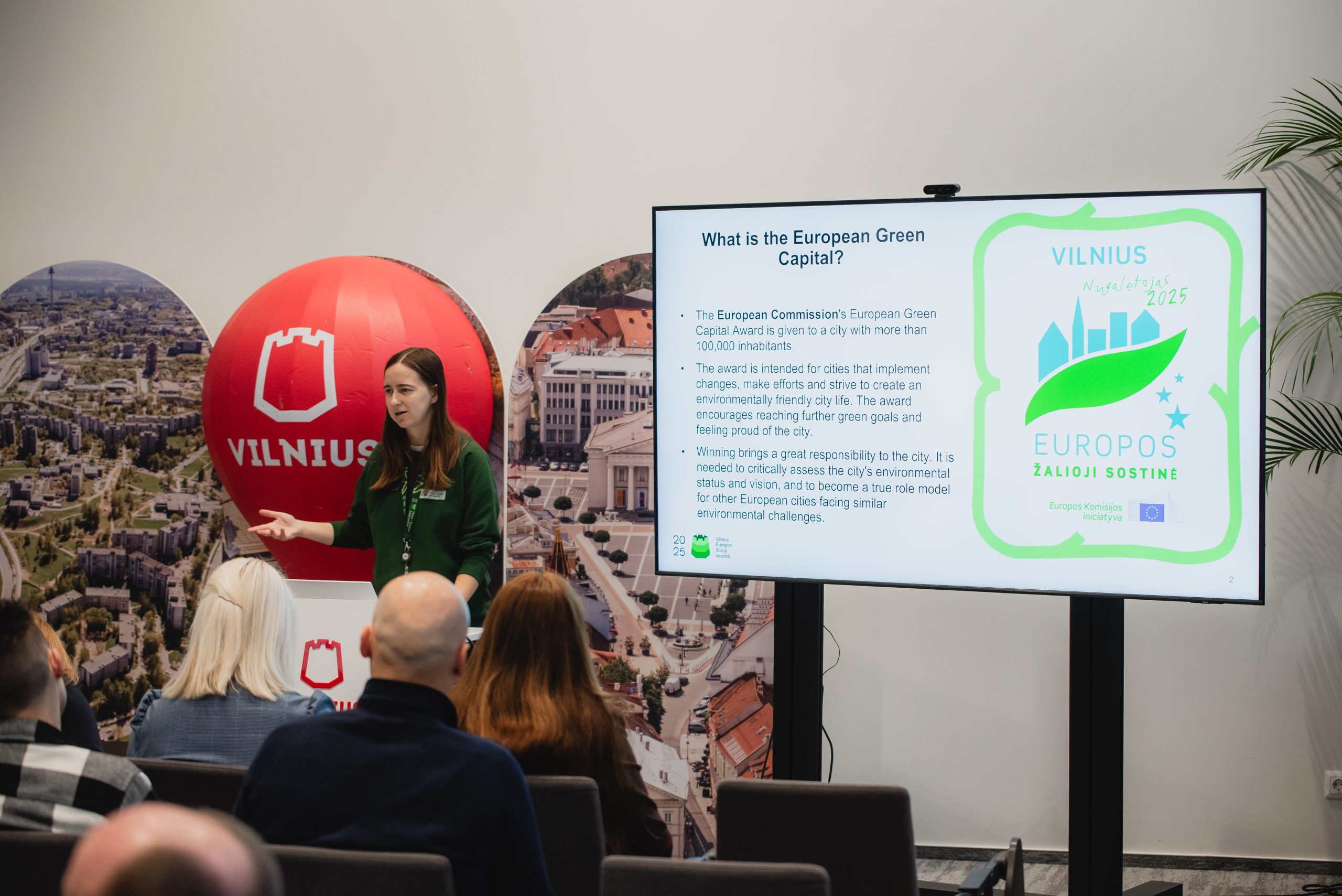
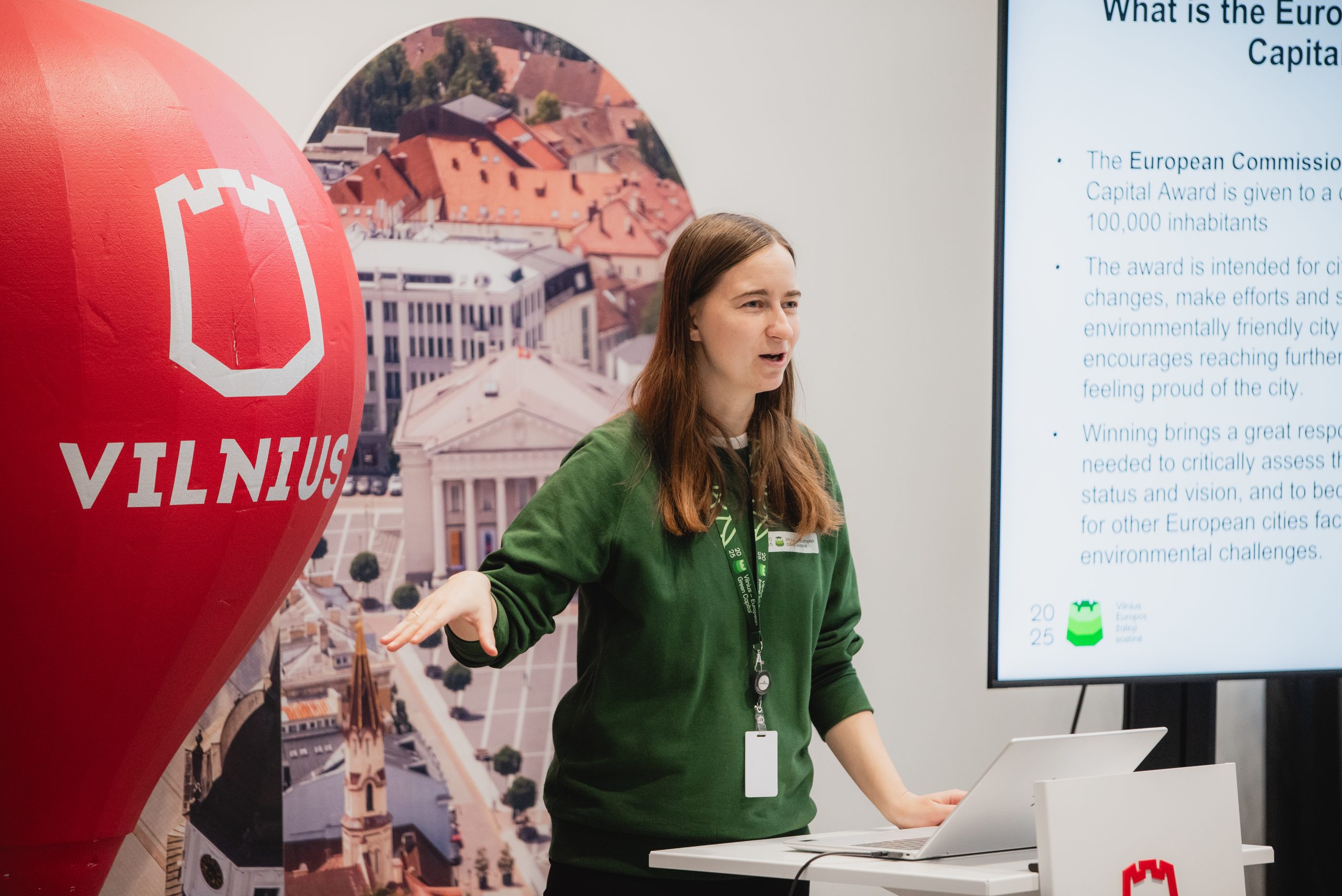
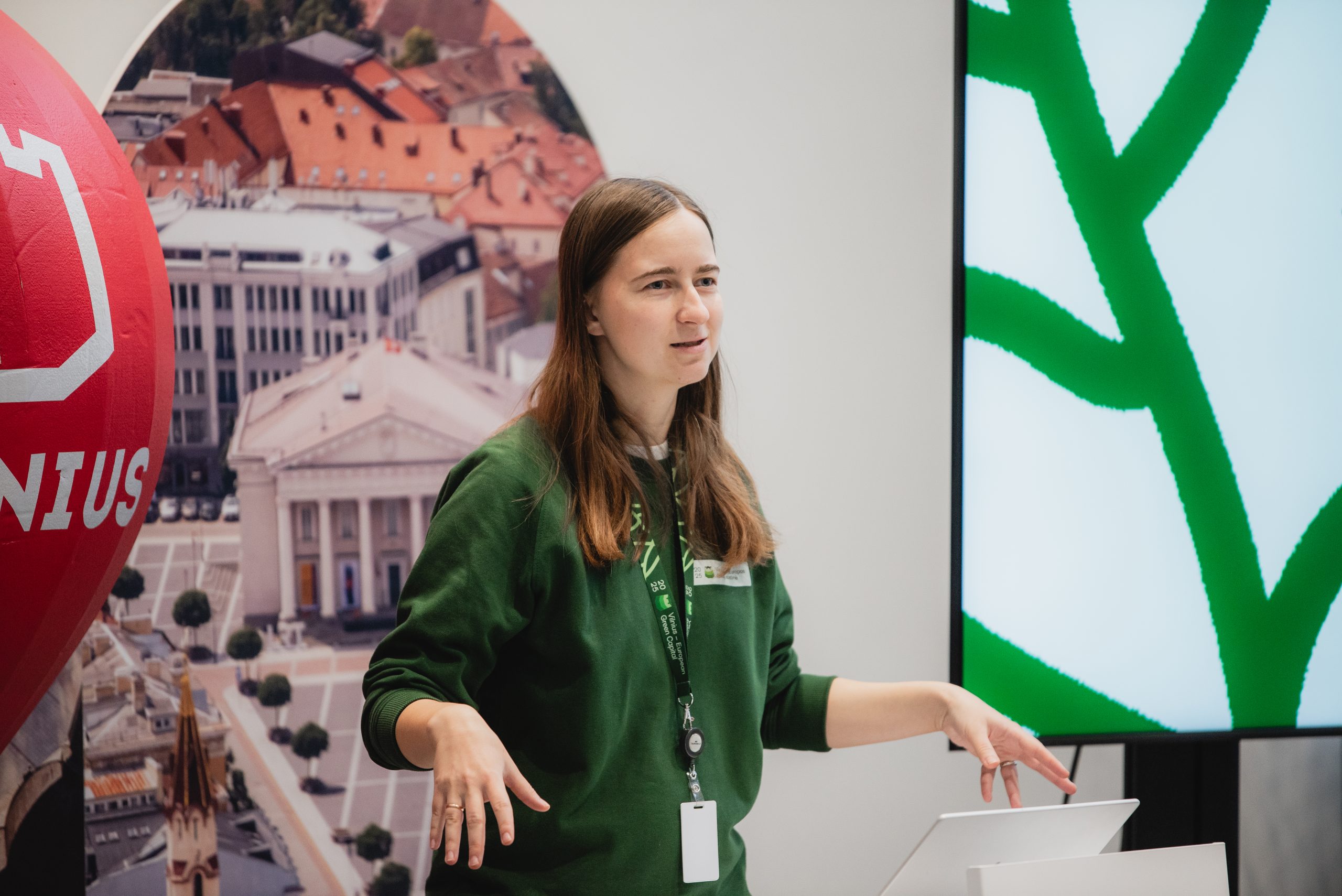
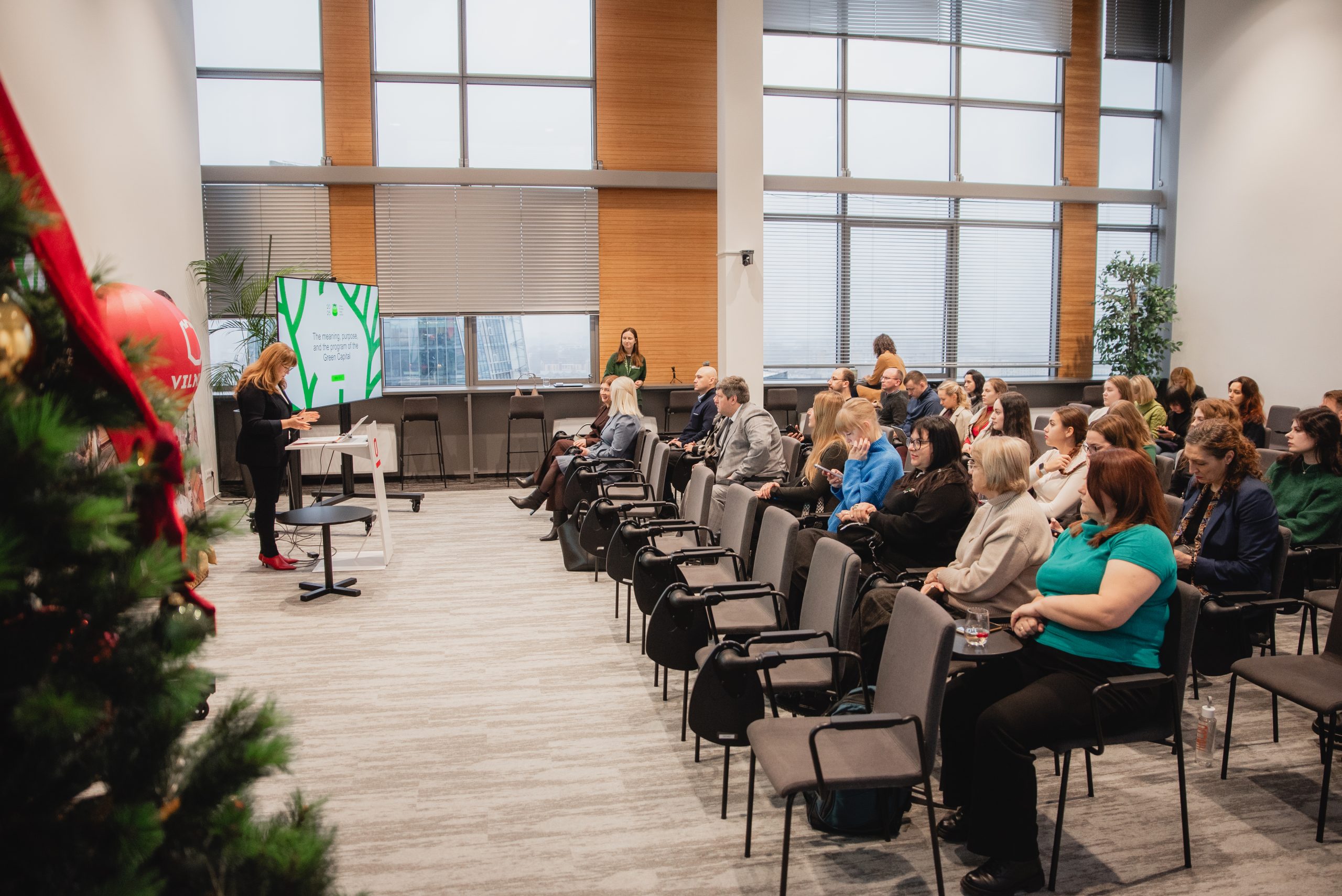
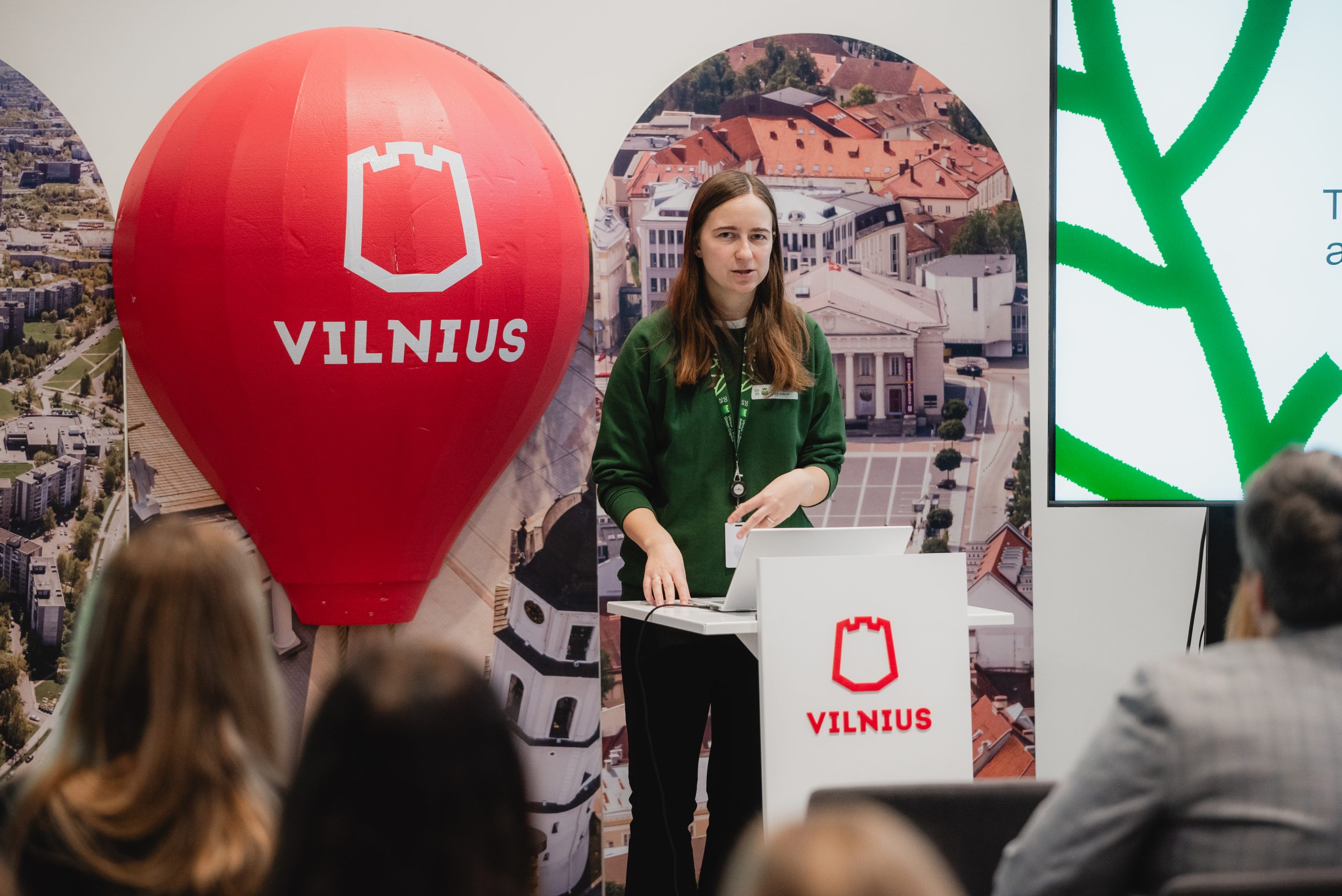
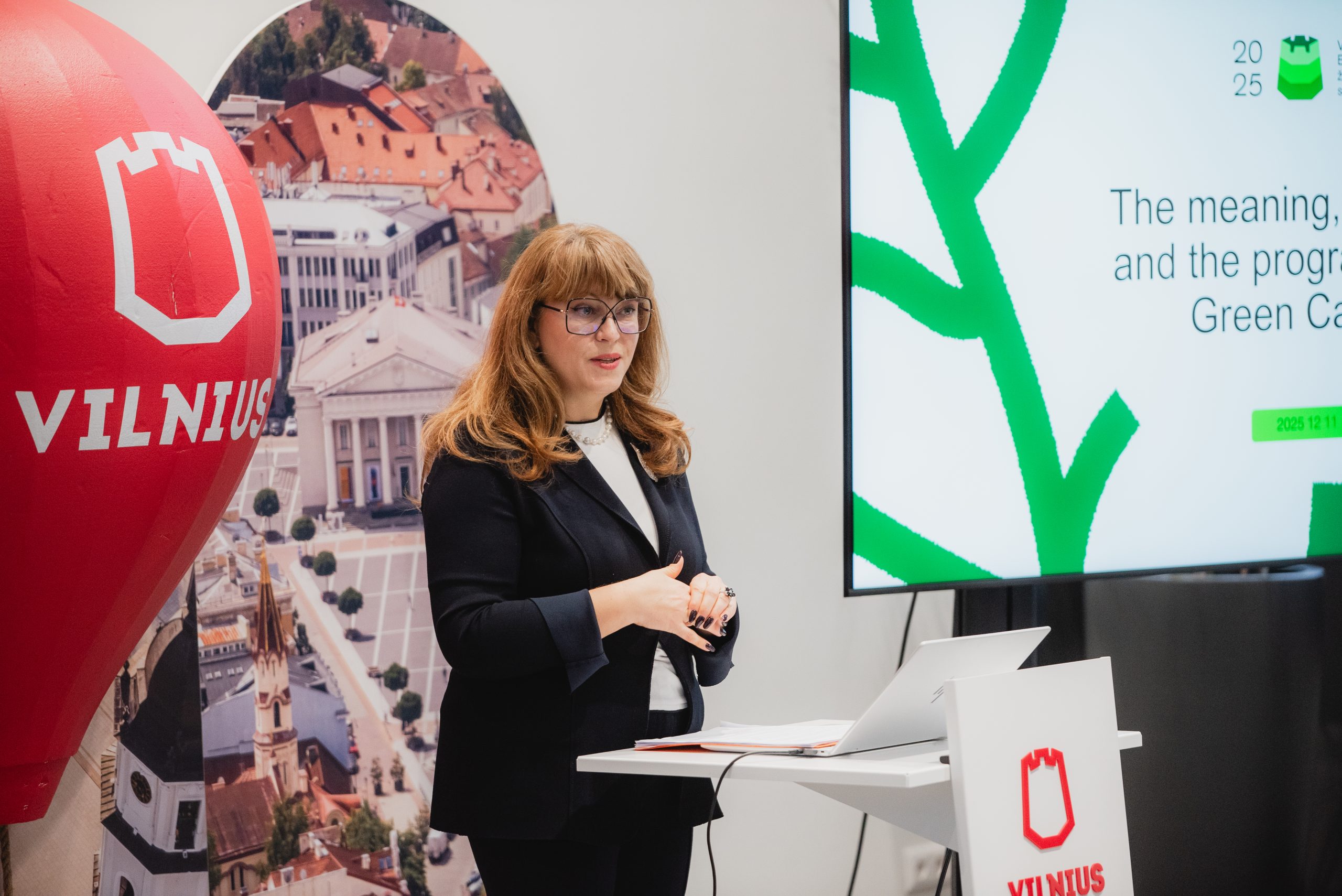
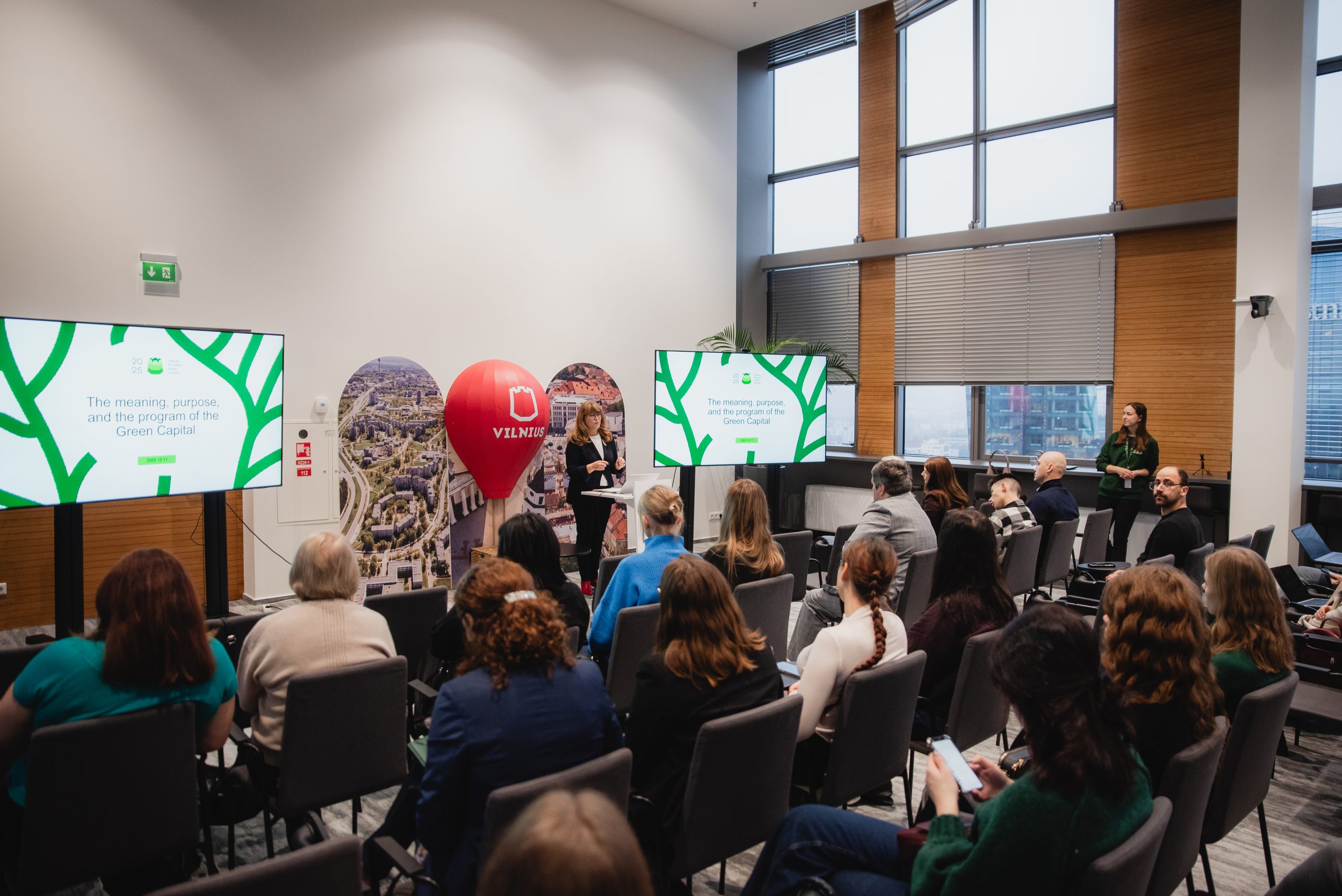
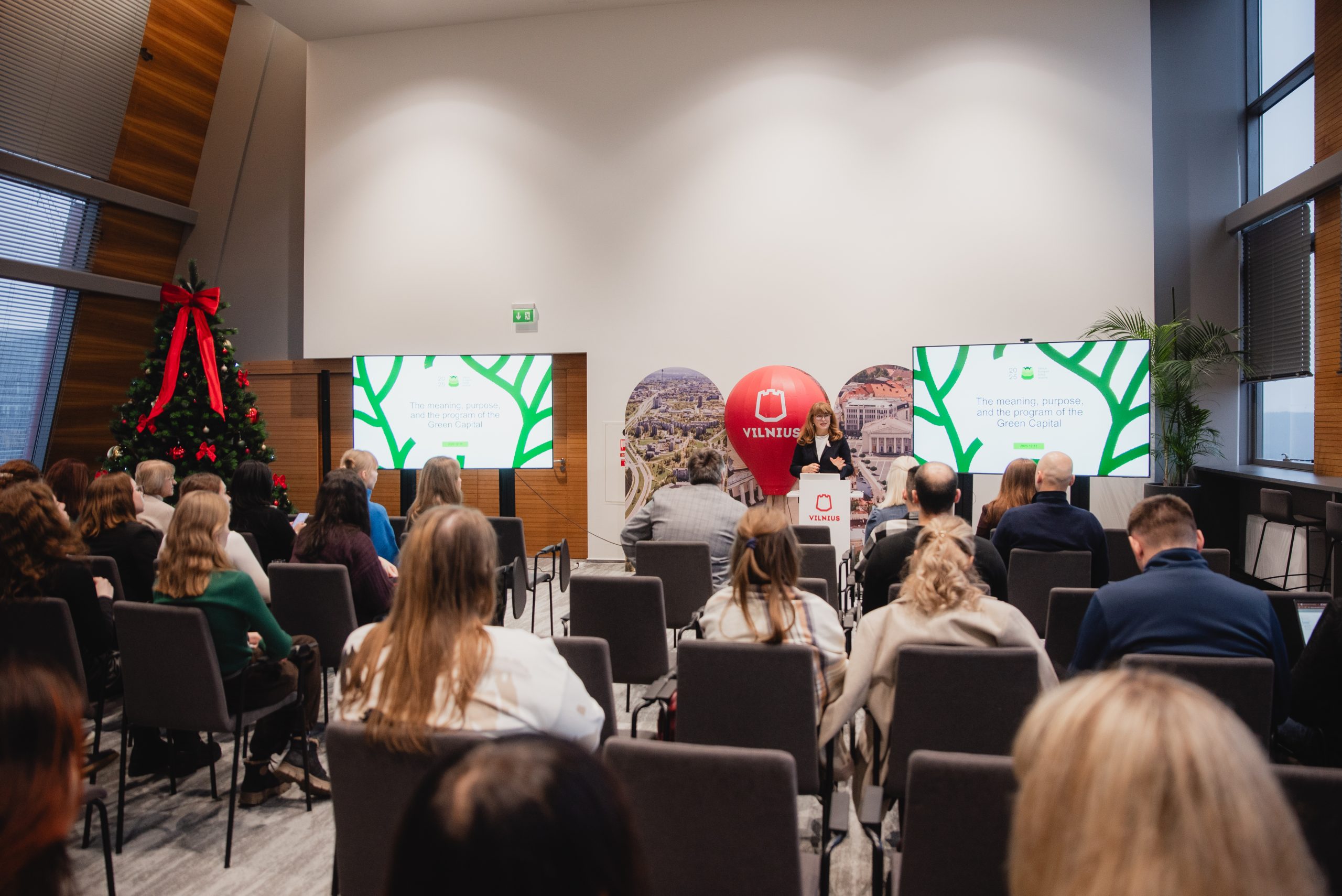
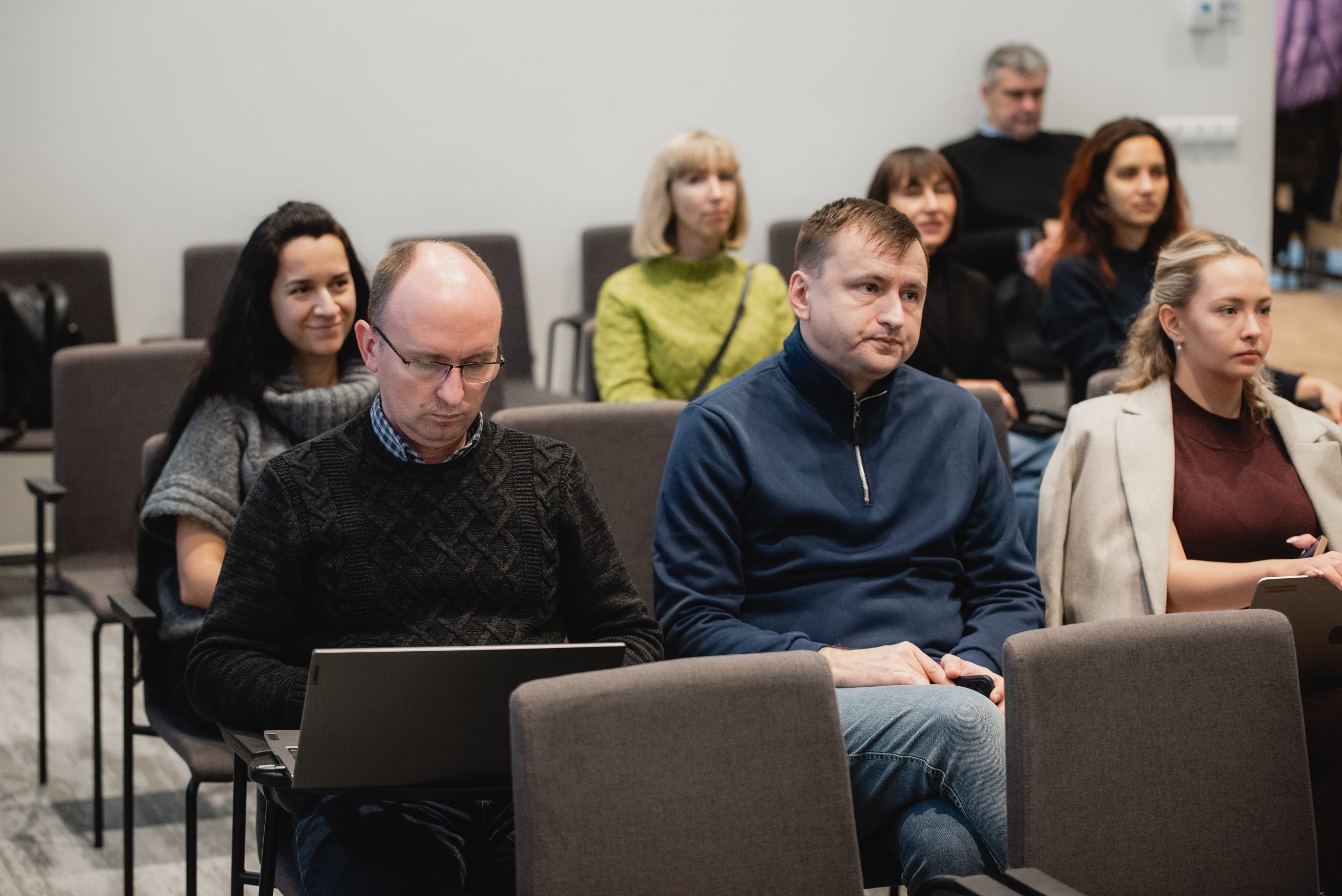
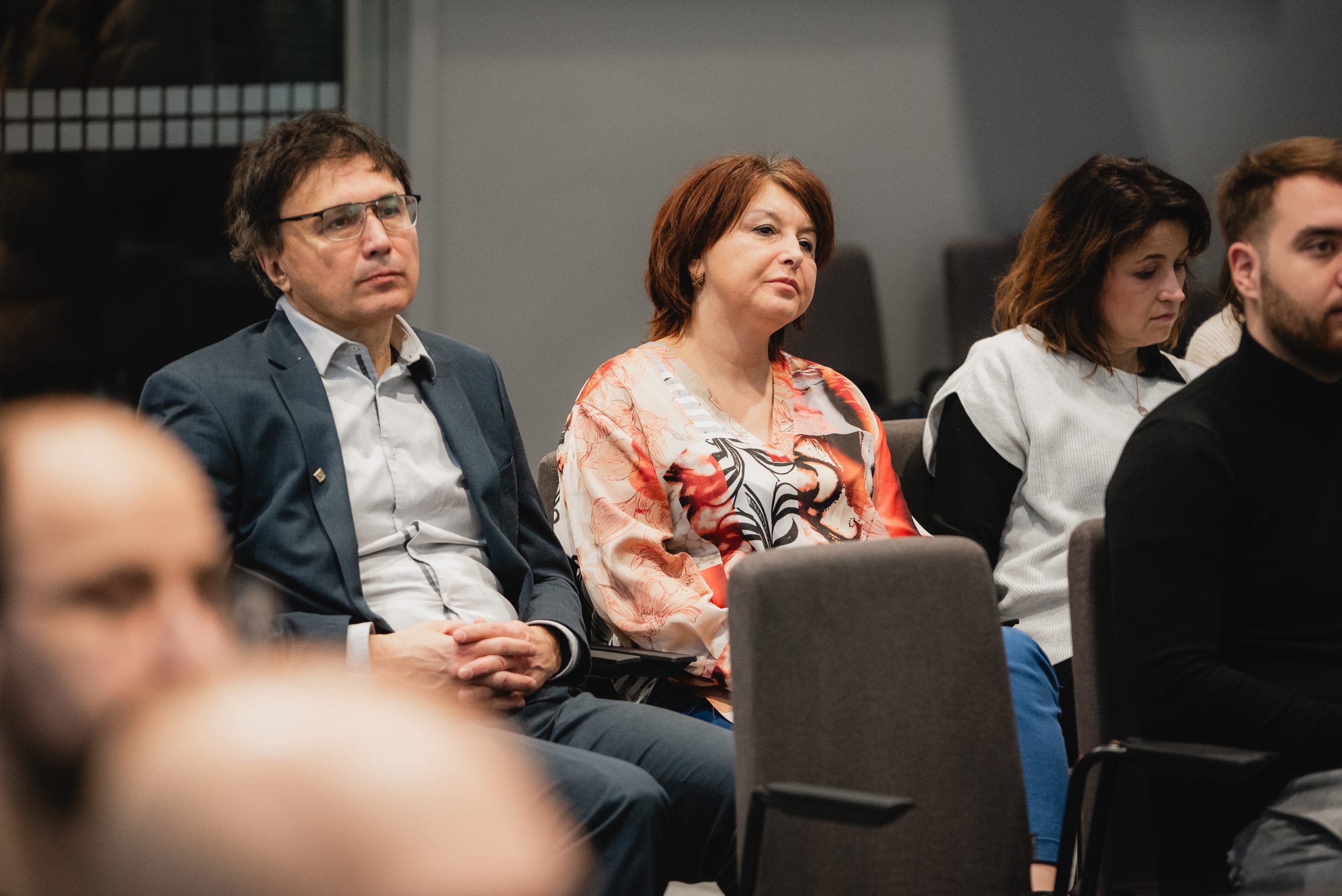
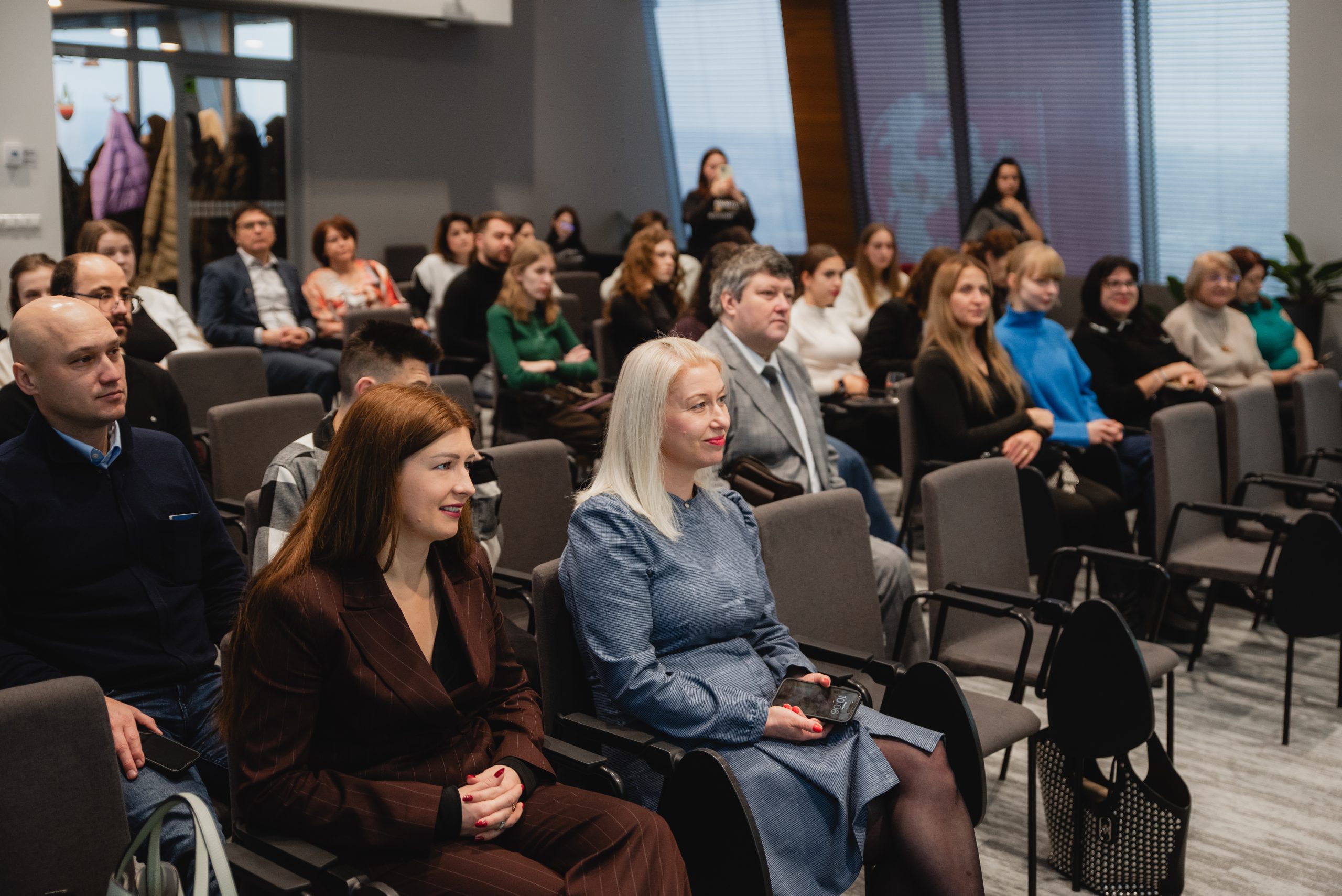
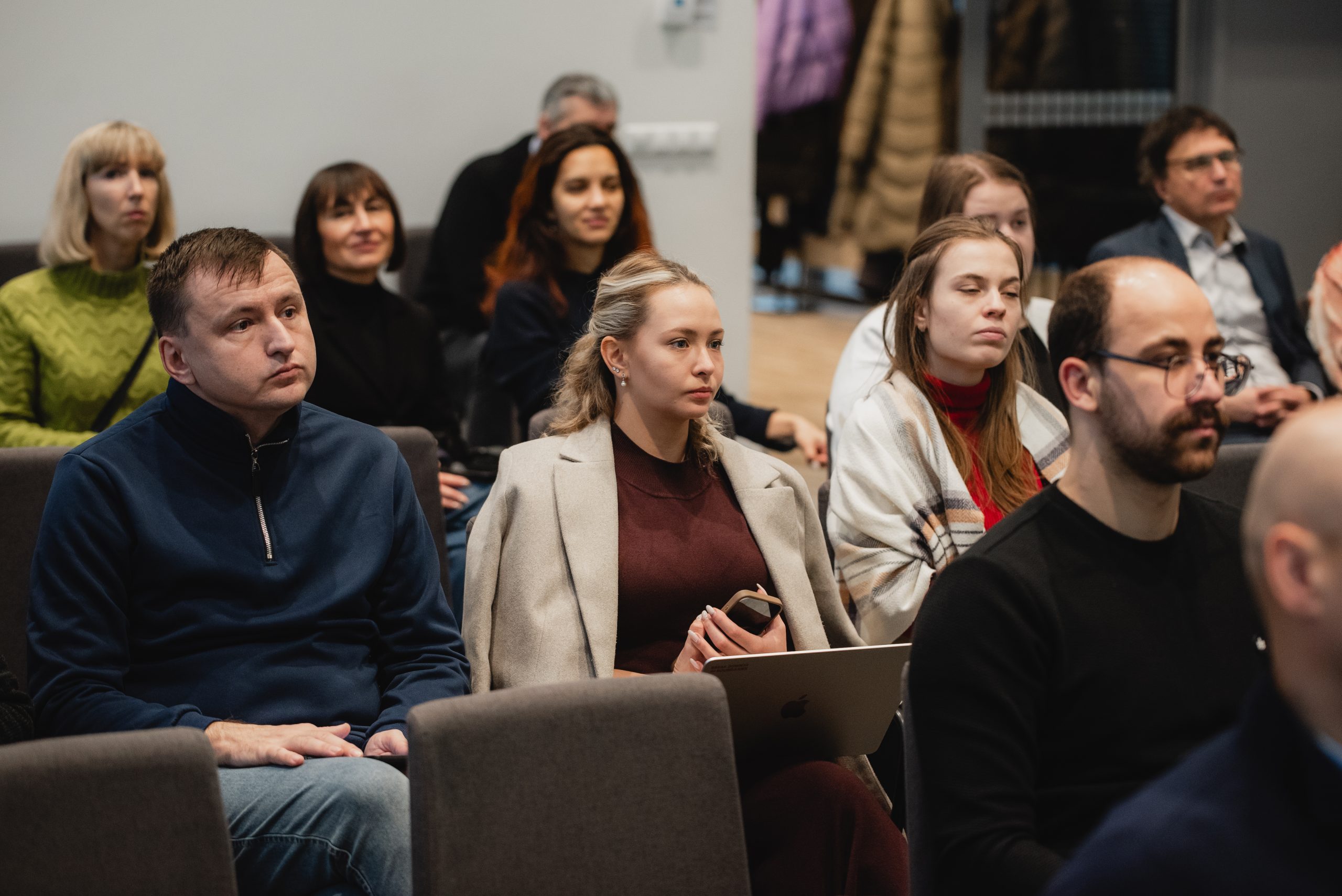
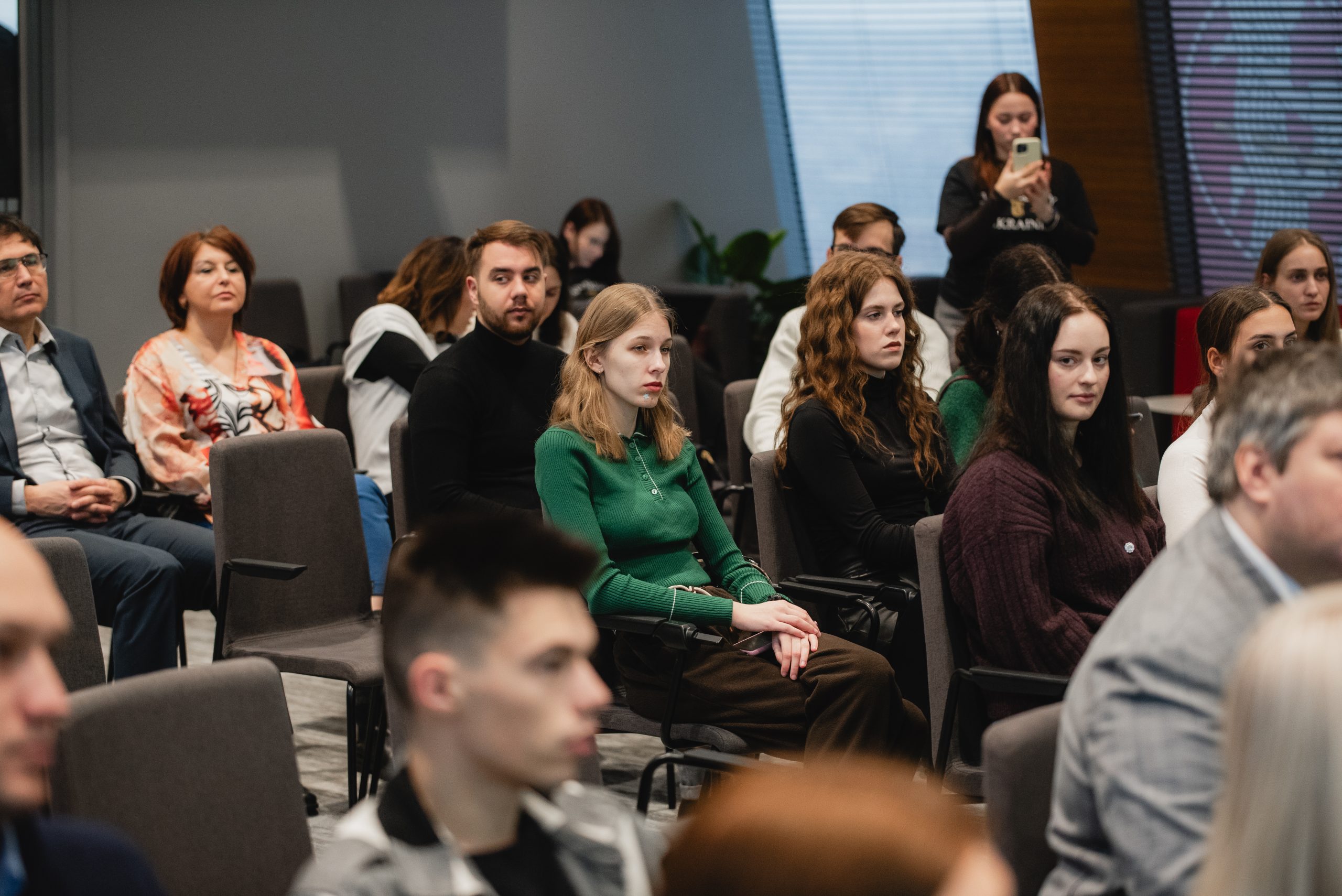
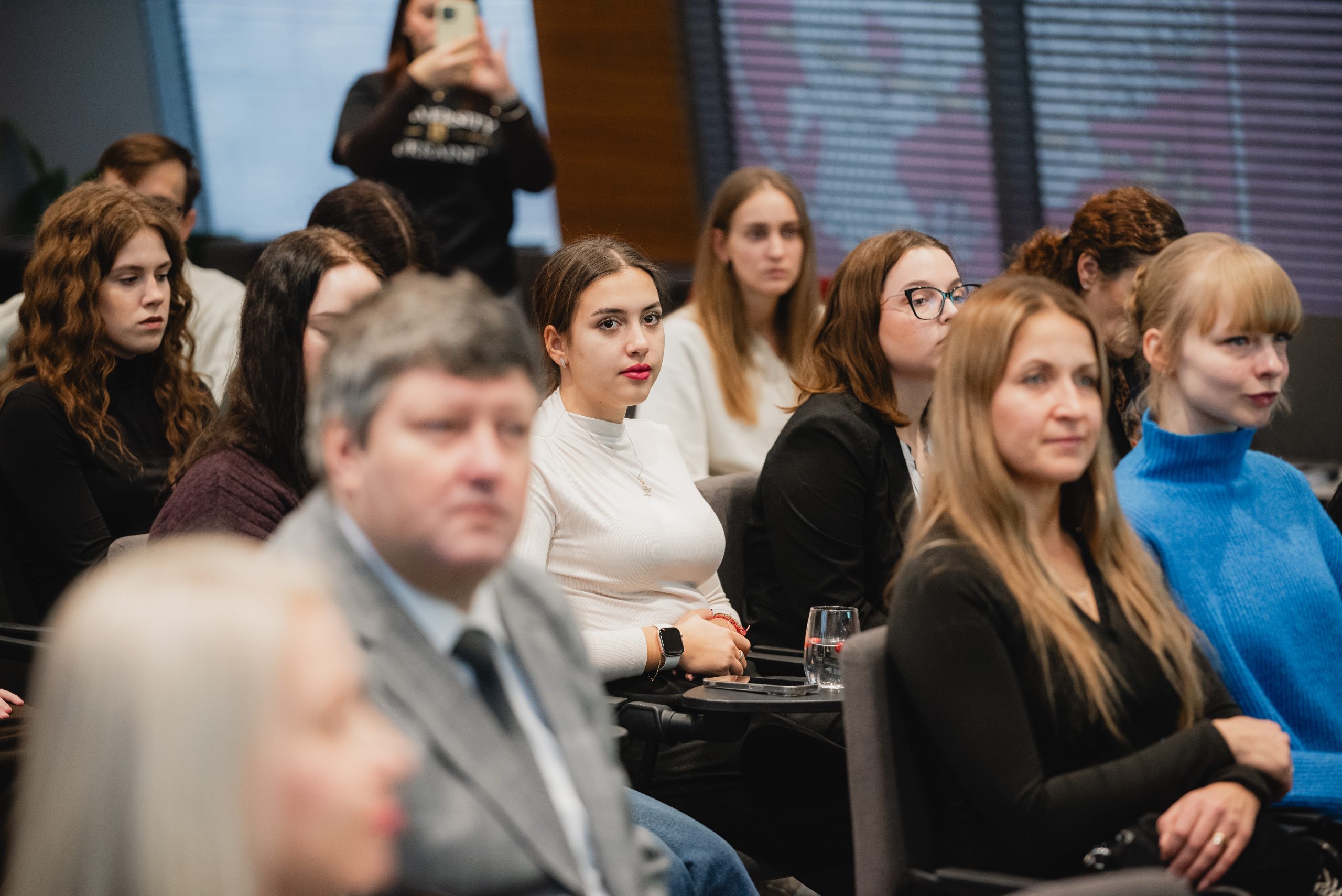
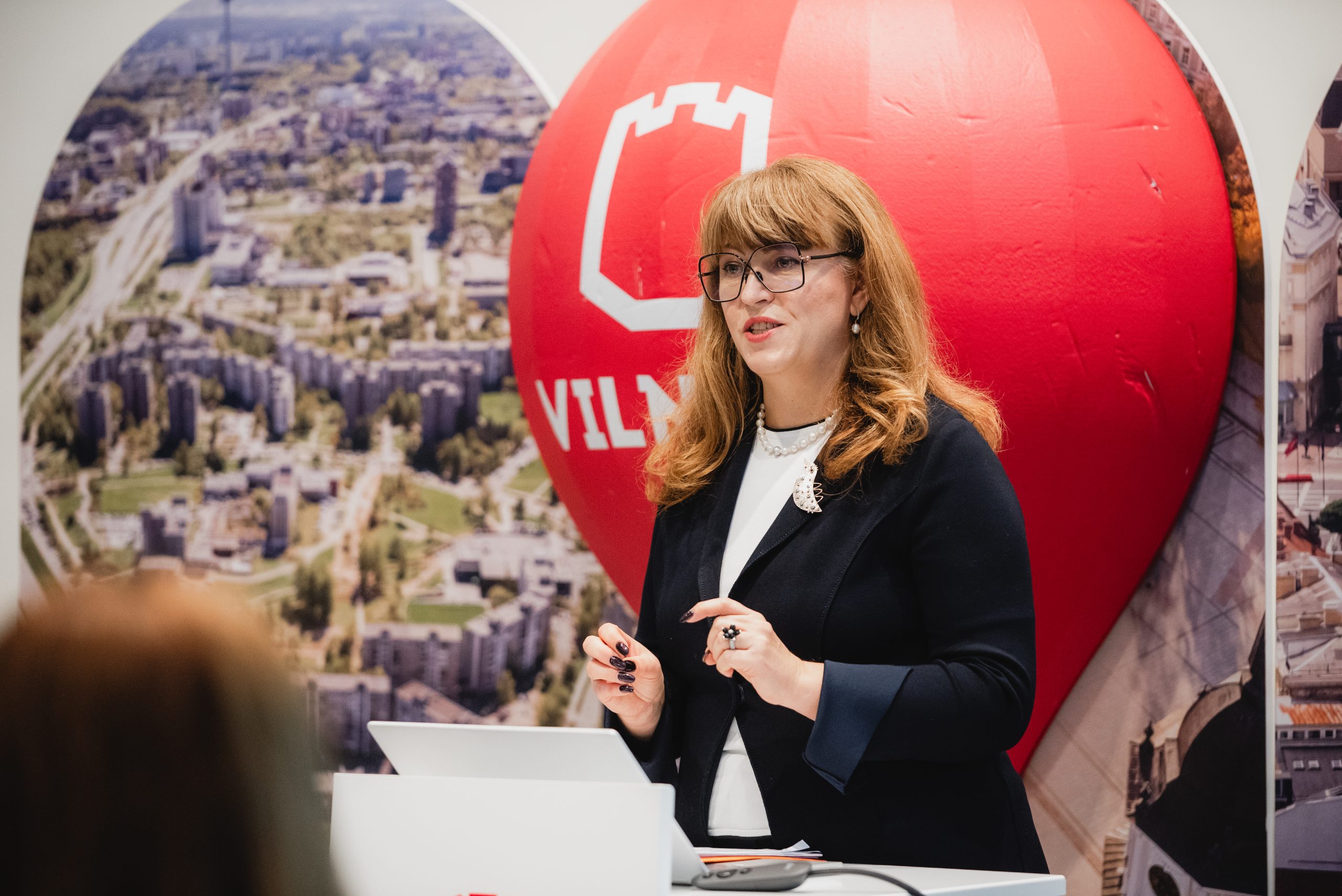
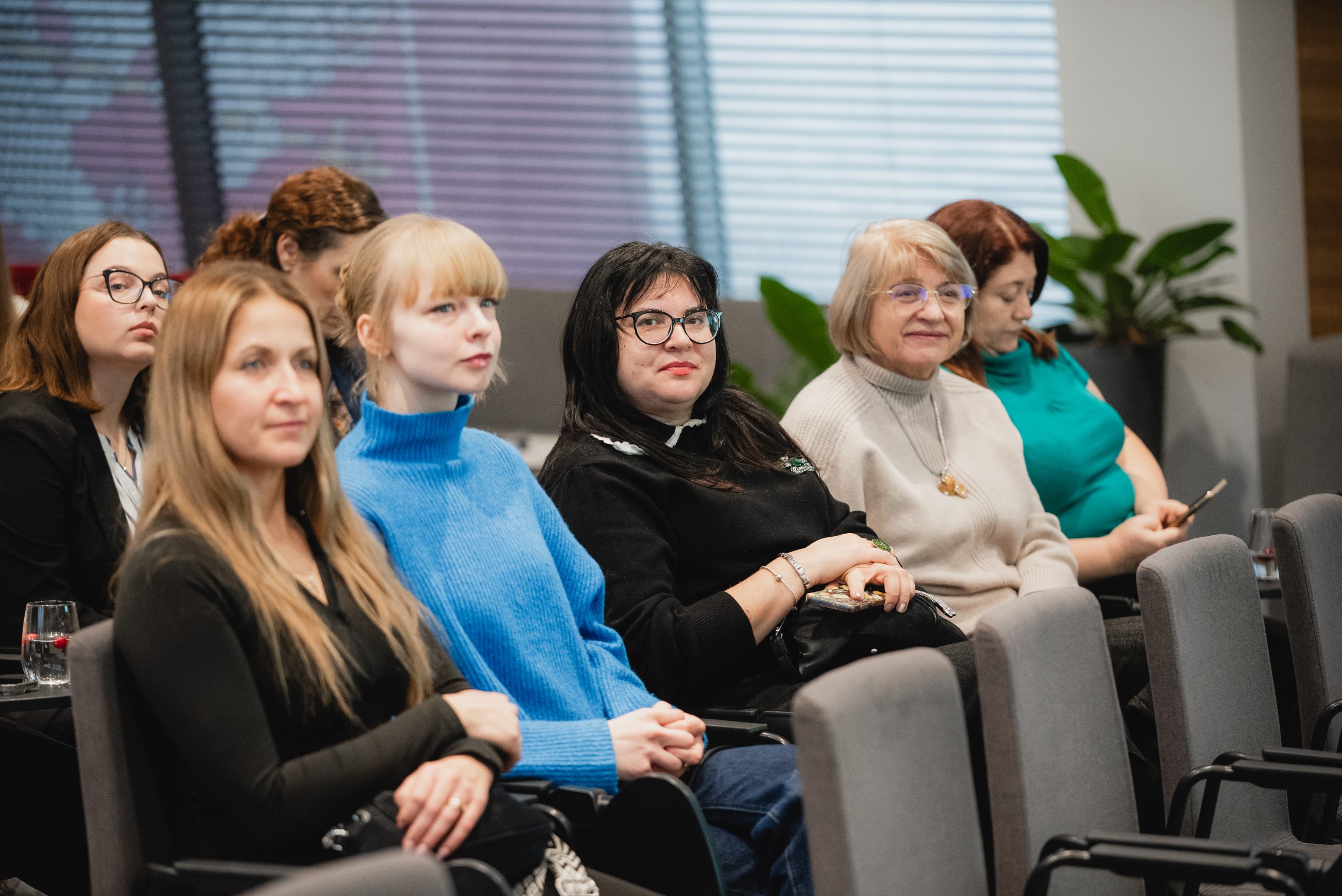
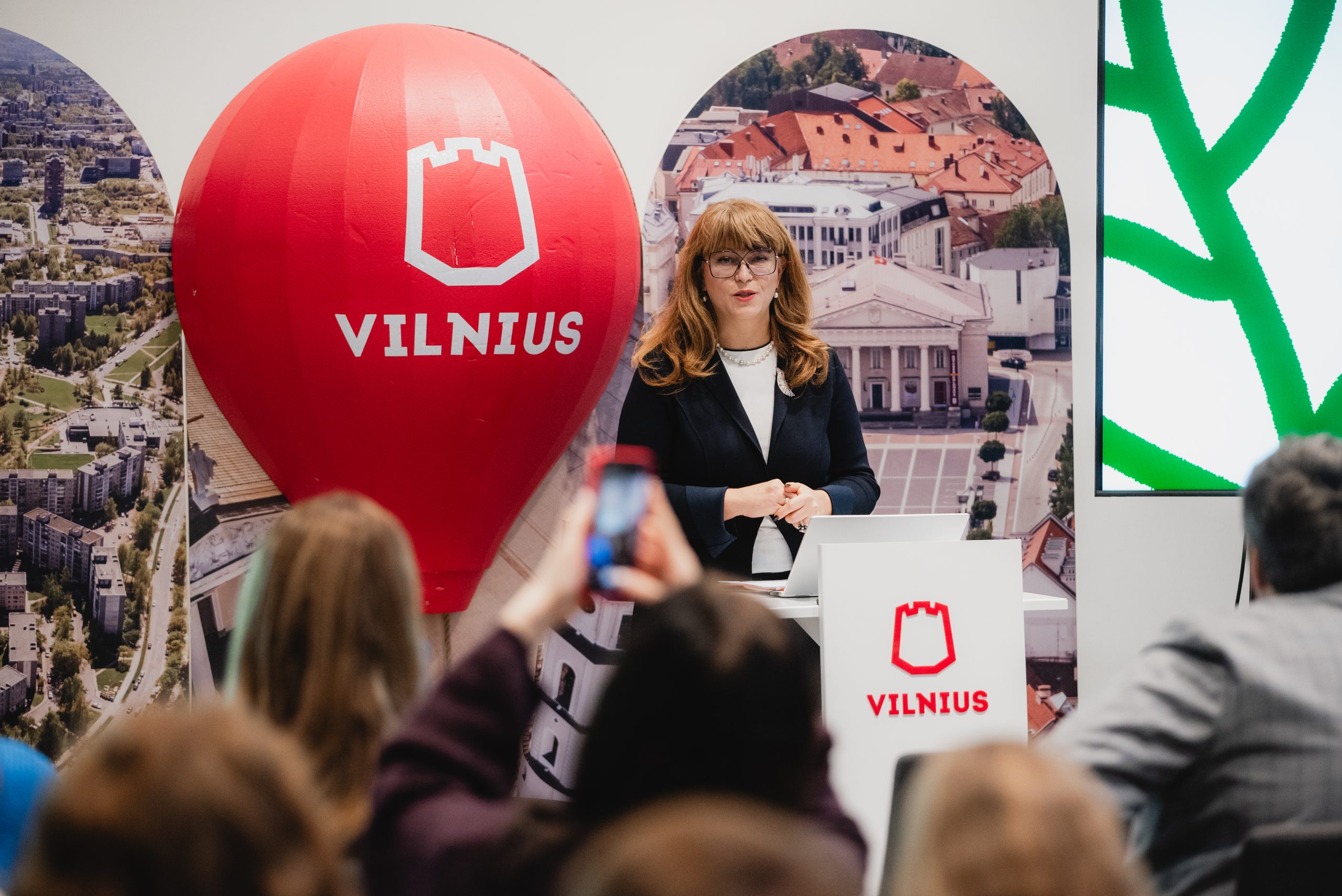
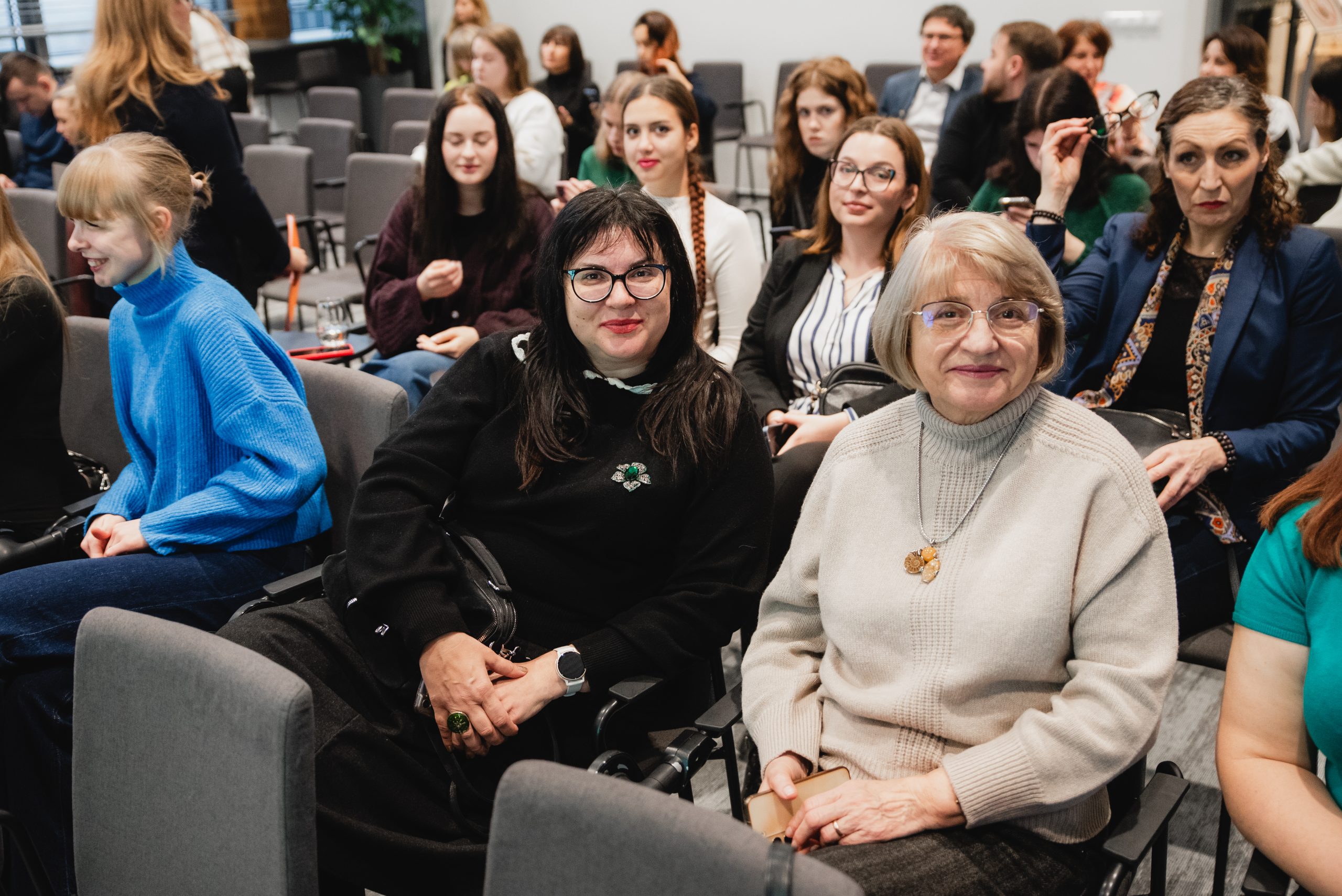
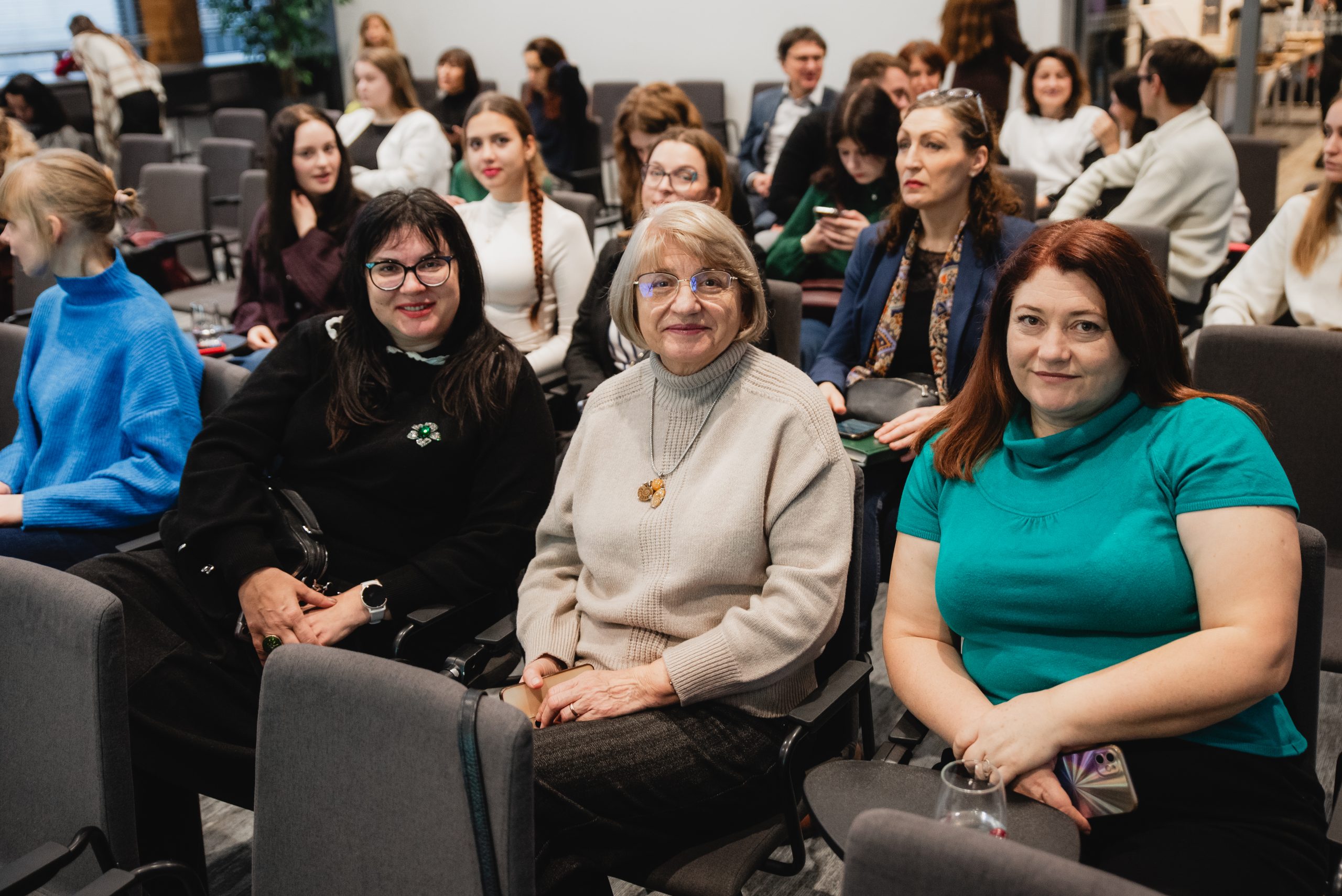
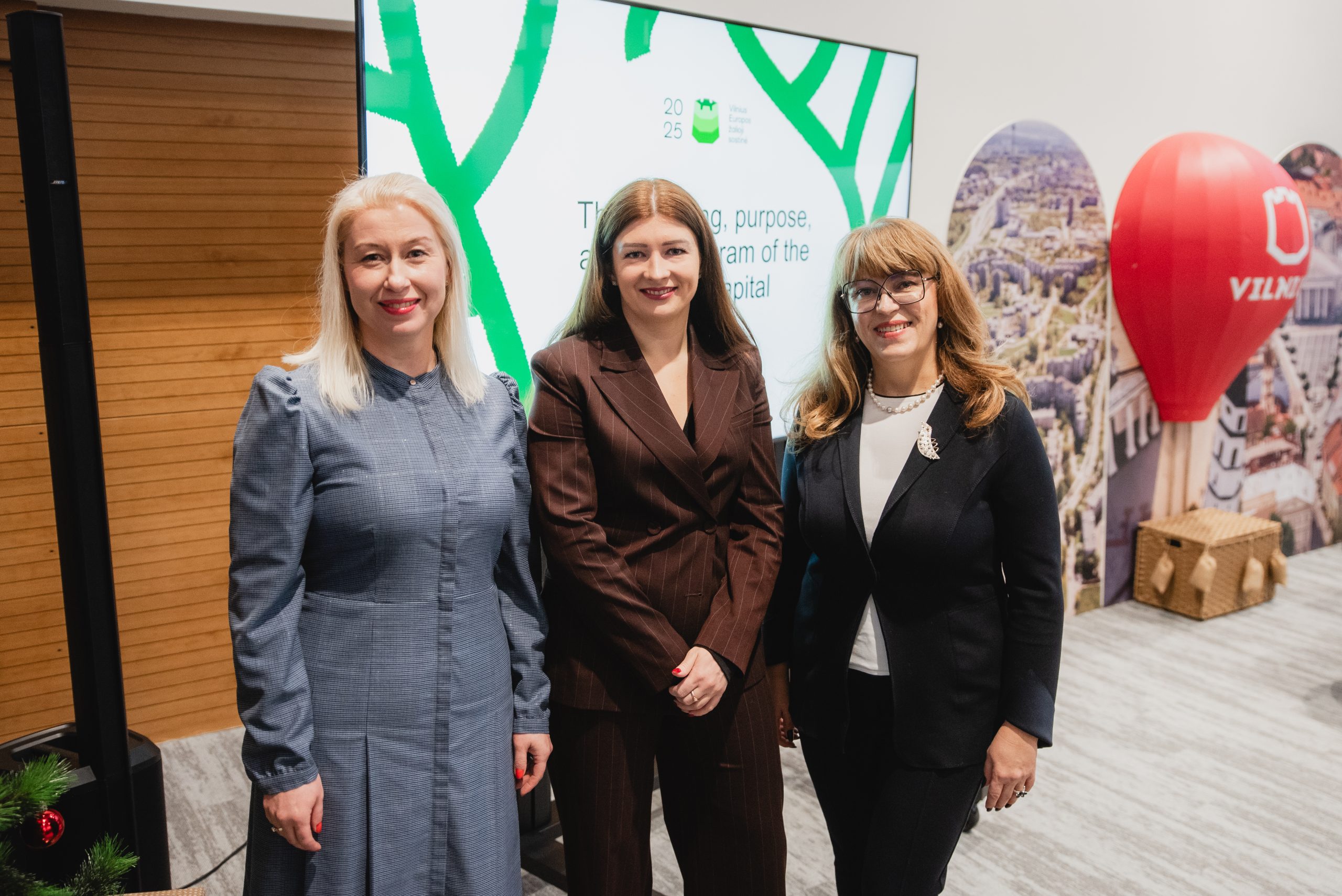
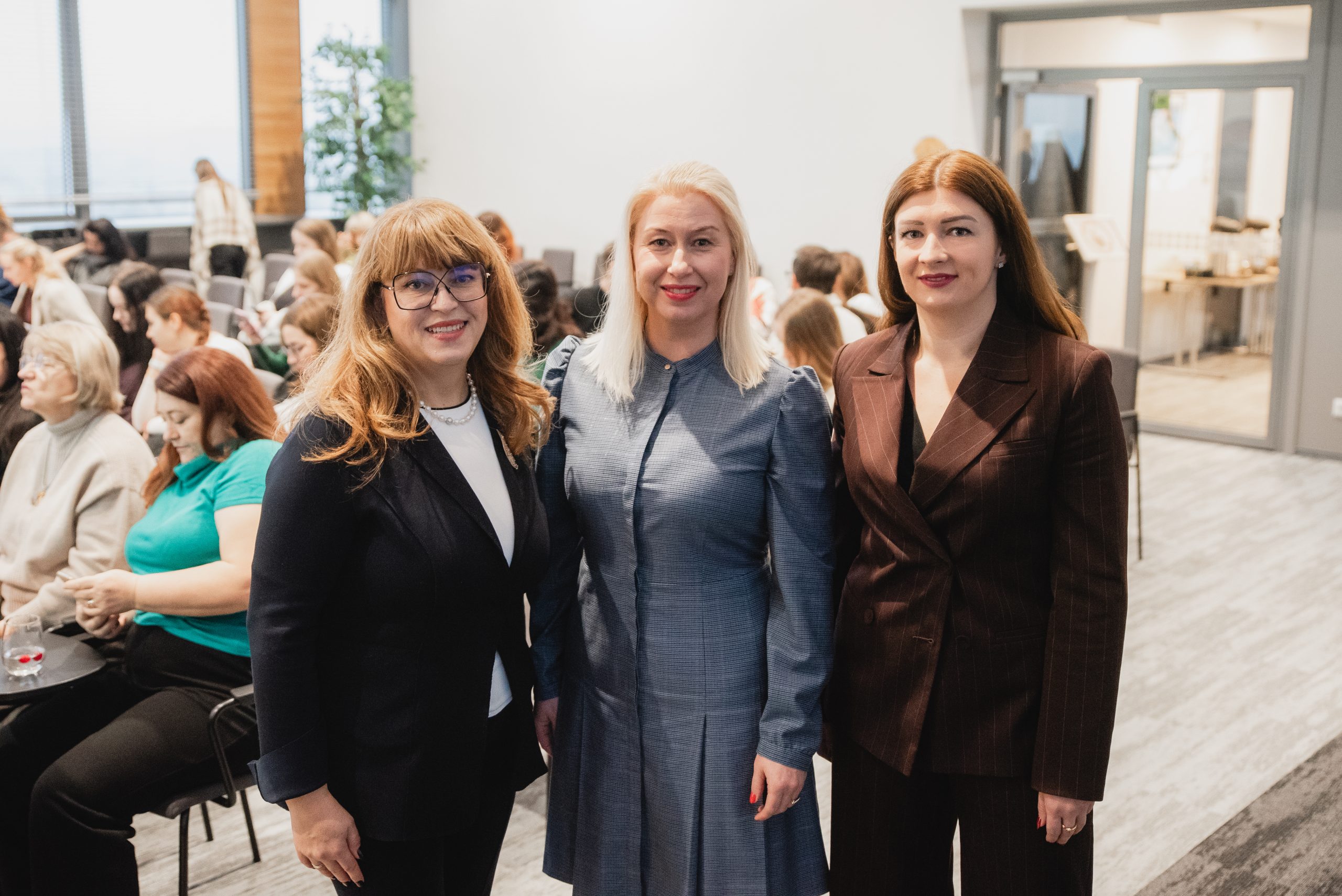
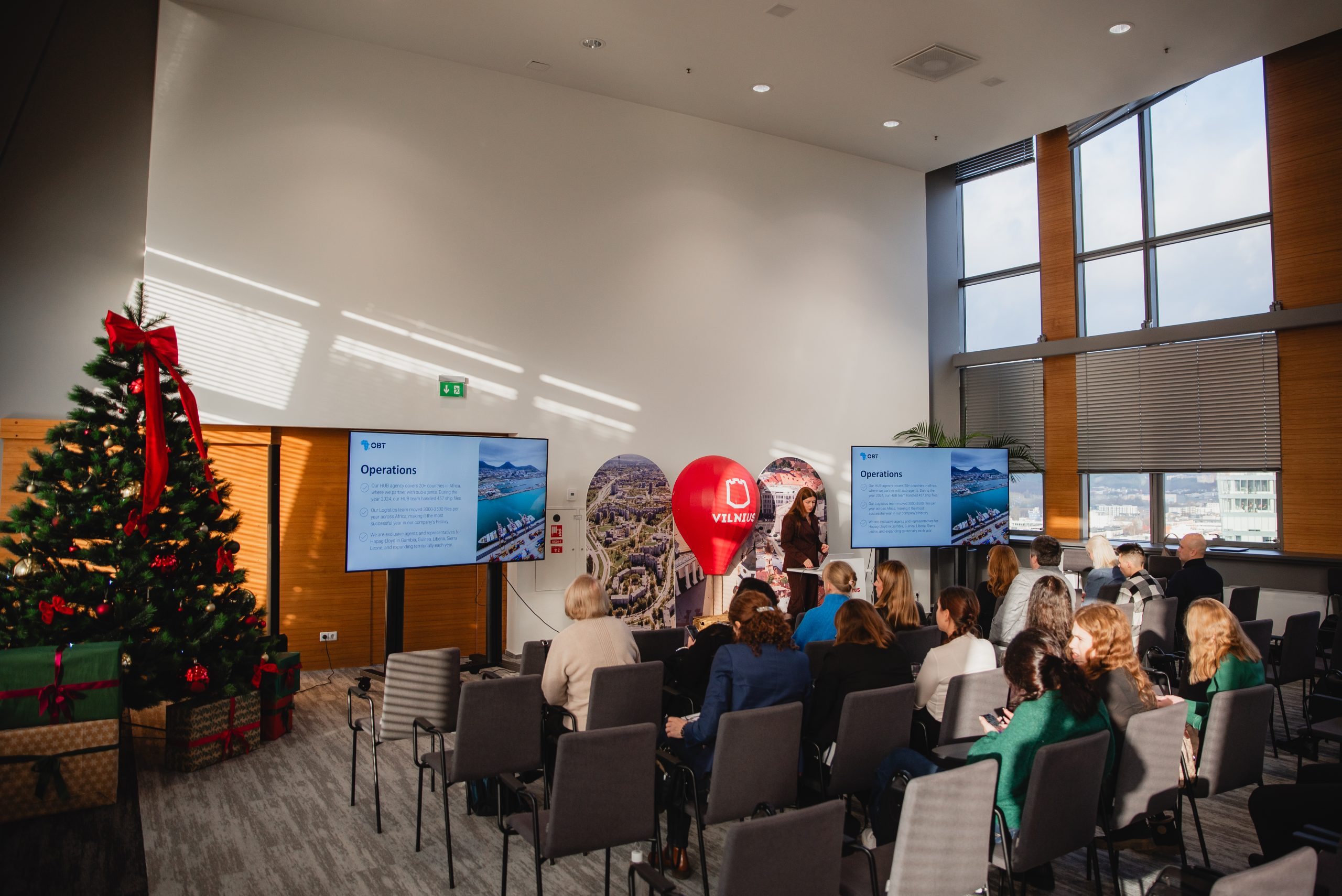
Recognising the relevance of the training topics to a wide range of organisations and stakeholders, the final day of the programme included a public event hosted at Vilnius City Municipality. The event aimed to strengthen links with the labour market, introduce students to essential skills and mindsets for professional and personal development, and promote future employment opportunities.
According to Inga Staniūnė, Chief HR Officer at Avia Solutions Group, green skills are becoming increasingly important in today’s labour market:
“As organisations shift towards sustainable practices and climate-conscious strategies, green skills are becoming essential. Future employees will need a strong understanding of environmental responsibility and the ability to integrate sustainable thinking into everyday decisions,” she emphasised.
This view was echoed by Eliza Romanovska, CEO of OBT, who stressed the growing importance of flexibility and creativity in the workforce:
“Employee flexibility, the ability to adapt to change, and creative problem-solving are becoming key competitive advantages in the market. In our company, we strive to create positive change by nurturing new talent and engaging with students in an international environment. This not only helps us attract new team members but also contributes to the goals of sustainability and sustainable growth,” she noted.
The initiative reaffirmed the critical importance of preparing future professionals to contribute to Europe’s sustainable transformation and highlighted the strong commitment of academia, industry, and public institutions to building a greener future.