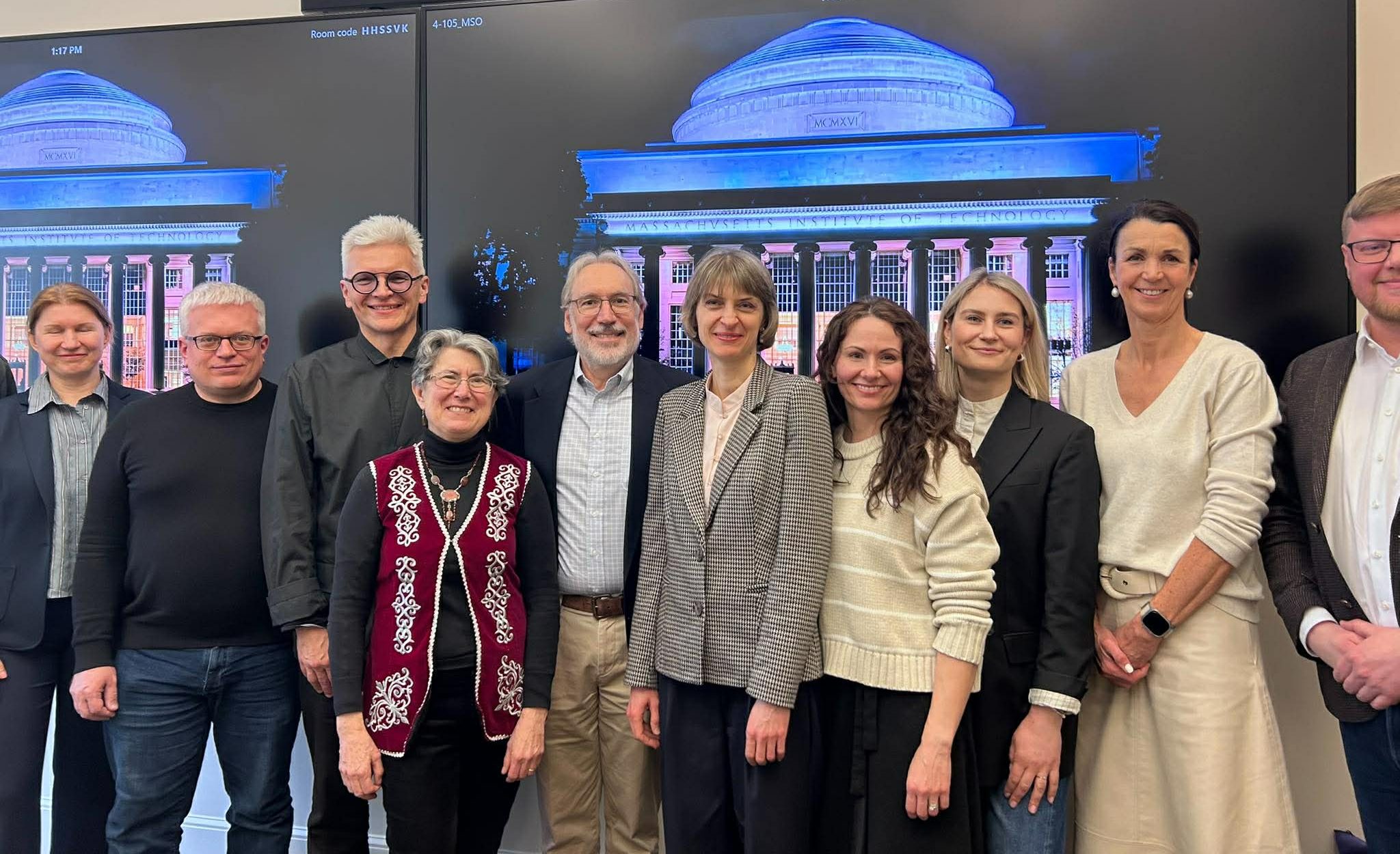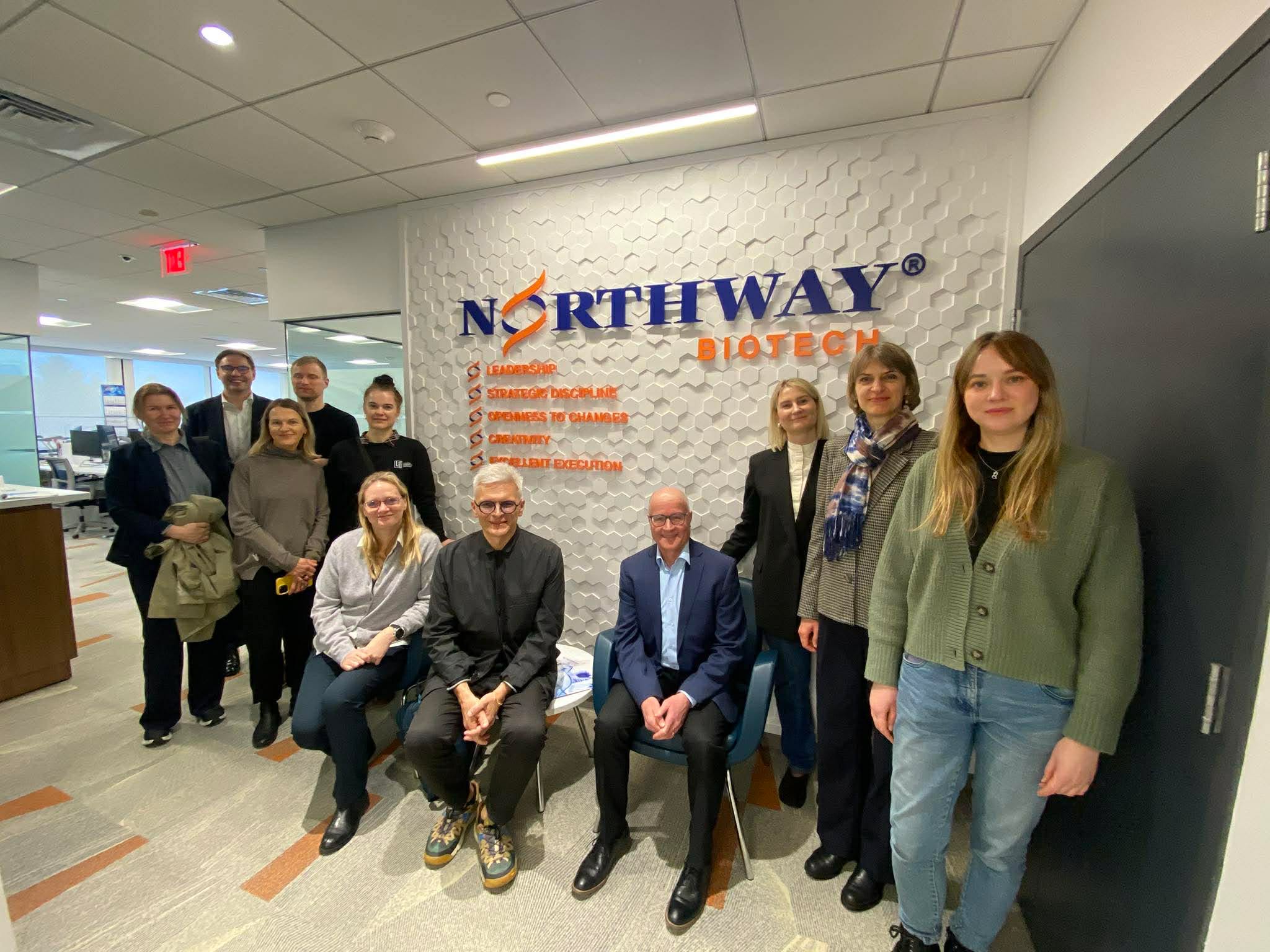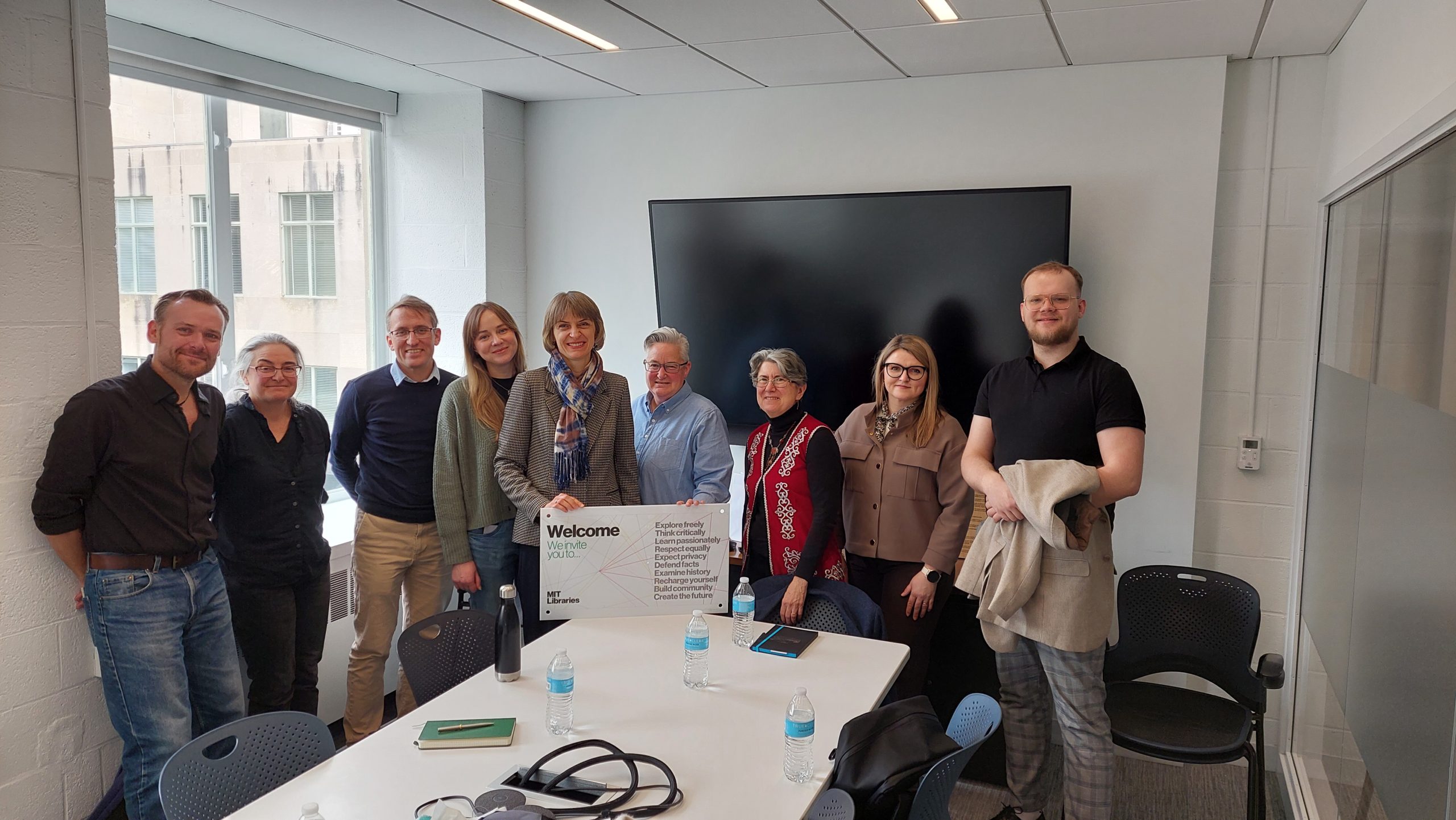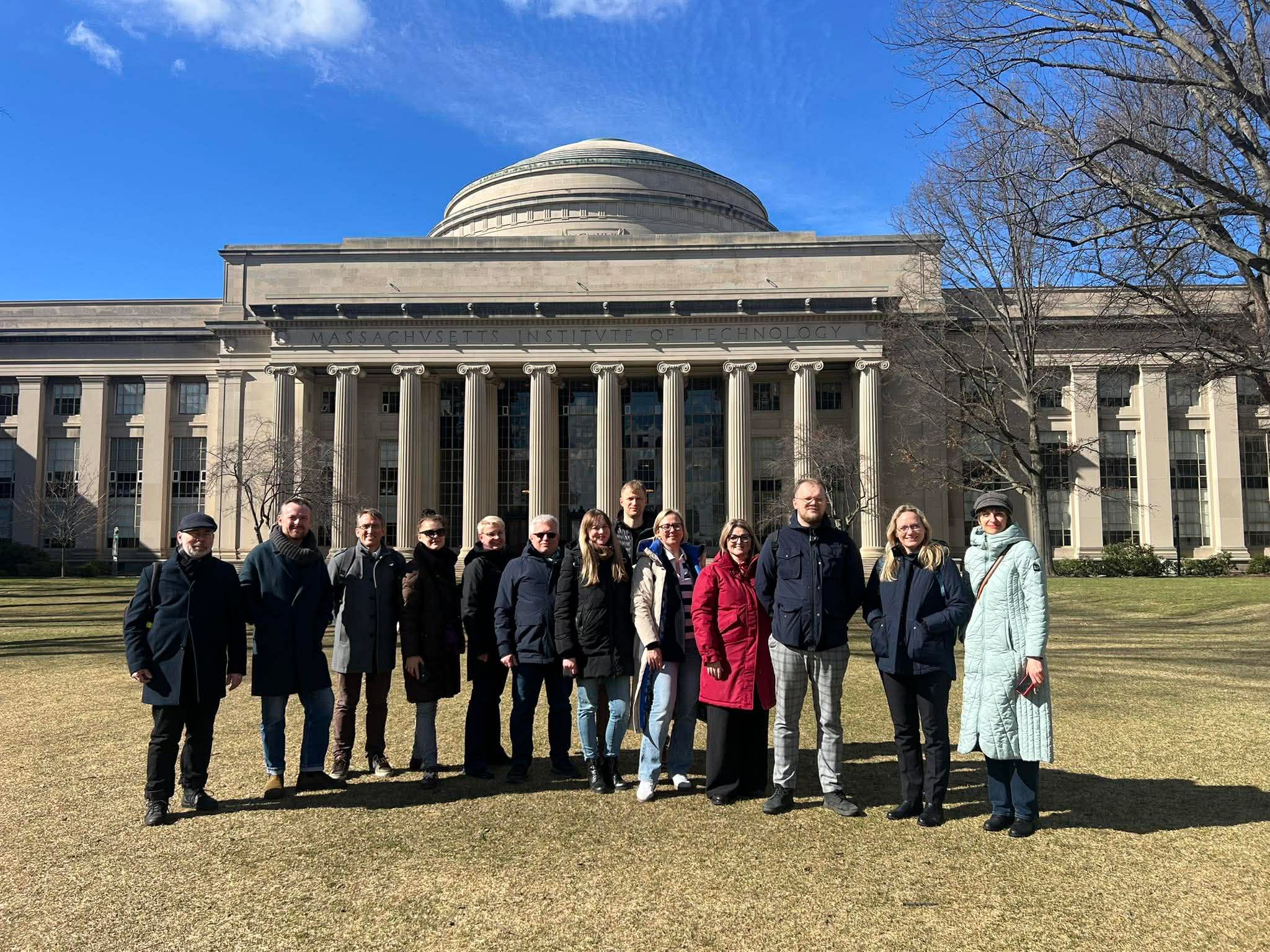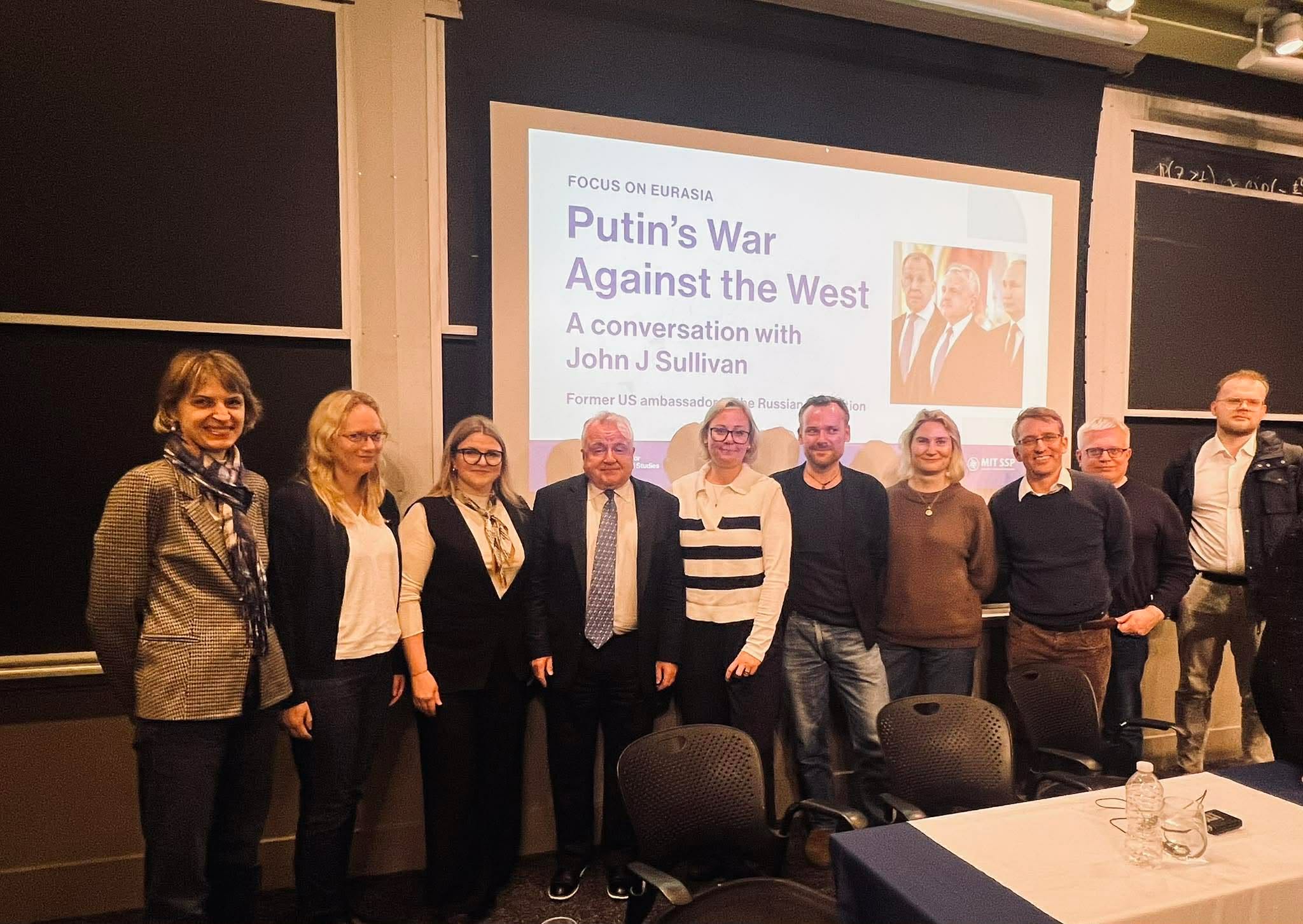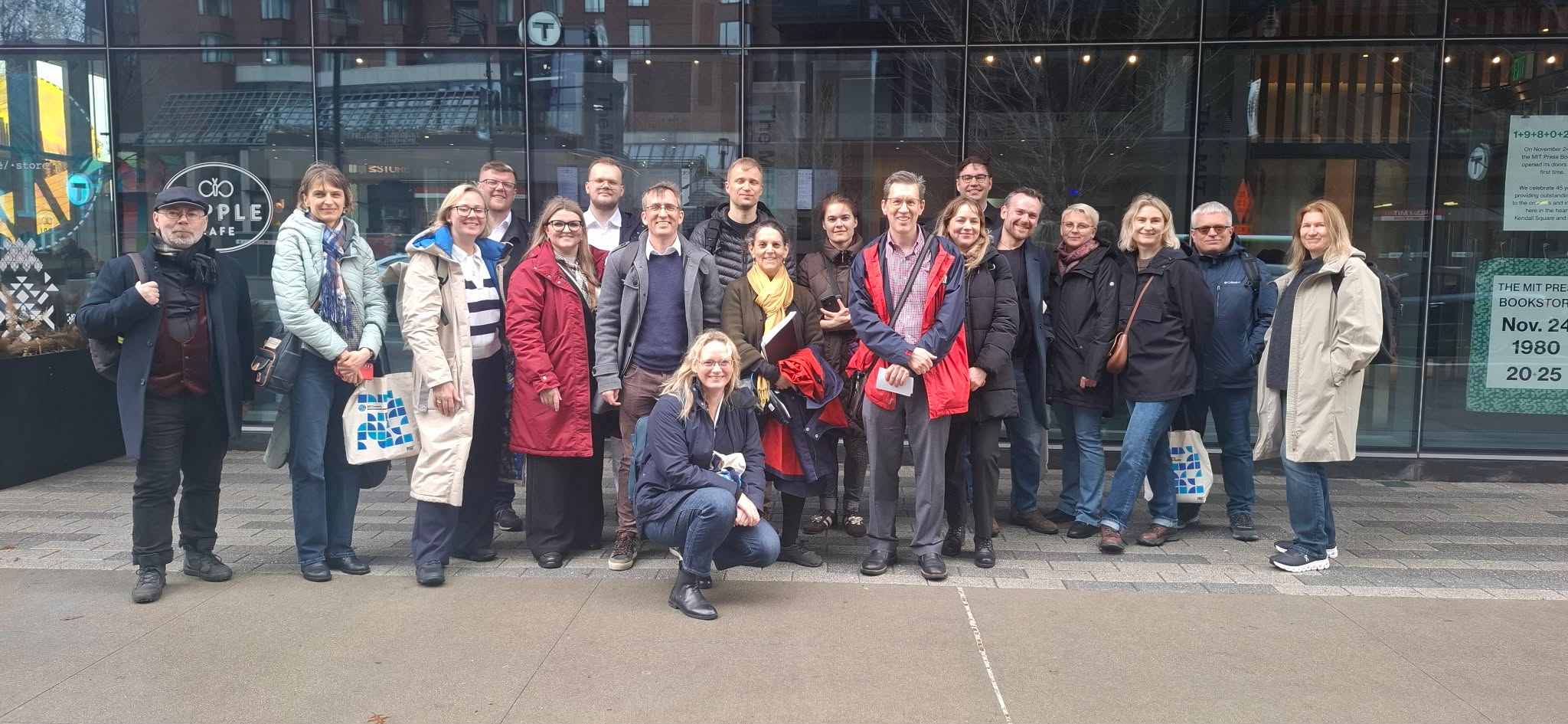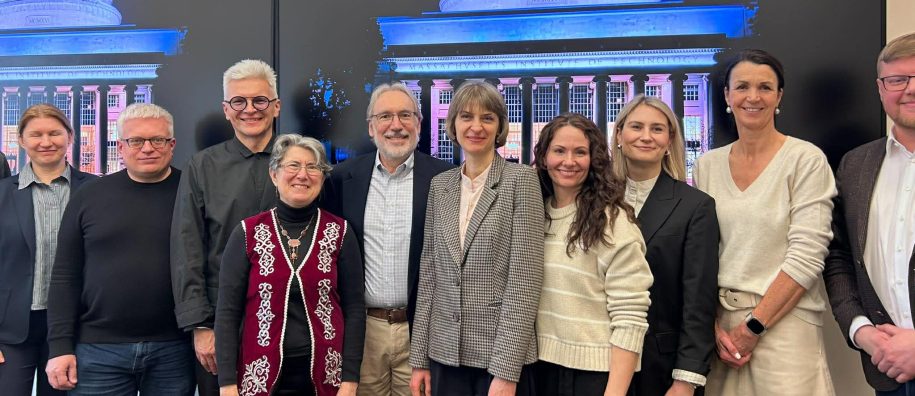
On March 16–20, Vice-Rector for Research and Innovation at Mykolas Romeris University (MRU), Dr. Eglė Malinauskienė, together with representatives of Lithuanian universities, research institutes, and businesses, visited one of the world’s most prestigious universities—the Massachusetts Institute of Technology (MIT) in the United States. The visit took place in the context of the growing partnership between the Lithuanian consortium and MIT.
Strategic Lithuania–MIT partnership
The Lithuanian consortium for cooperation with MIT brings together national research and business organizations as well as MIT units—the MIT Center for International Studies and the MIT International Science and Technology Initiatives (MISTI) program.
With the agreement signed on January 28, 2025, a transatlantic initiative was officially launched, aiming to create a sustainable, innovation-driven ecosystem of research, studies, and business, strengthen joint research, academic exchange, and the development of innovation.
During the visit, the Lithuanian delegation introduced new consortium members to the MIT community, met with MIT Vice Provost Prof. Duane S. Boning, responsible for international cooperation, and members of the MIT MISTI Lithuania program advisory board. The meetings discussed further directions for cooperation between MIT and Lithuania—from nurturing young researchers to strengthening science–business partnerships.
“The visit provided an opportunity to better understand the operating principles of one of the most advanced universities in the world, reflected in MIT’s motto ‘Mens et manus’—mind and hand. Guided by this motto, MIT has developed a unique system of studies and research, where students apply theoretical knowledge in practice from their very first days and participate in creating innovations that address pressing societal challenges. Another distinctive feature of MIT is interdisciplinarity. Although MIT is a technological university, arts, social sciences, and humanities are mandatory for every student, as they help evaluate developed technologies from the perspective of future users. Therefore, joining the MIT Lithuania consortium enables us to seek solutions for strengthening impact-oriented studies and research both at the university and across Lithuania,” says Dr. Eglė Malinauskienė, Vice-Rector for Research and Innovation at MRU.
Innovation ecosystem: from laboratory to market
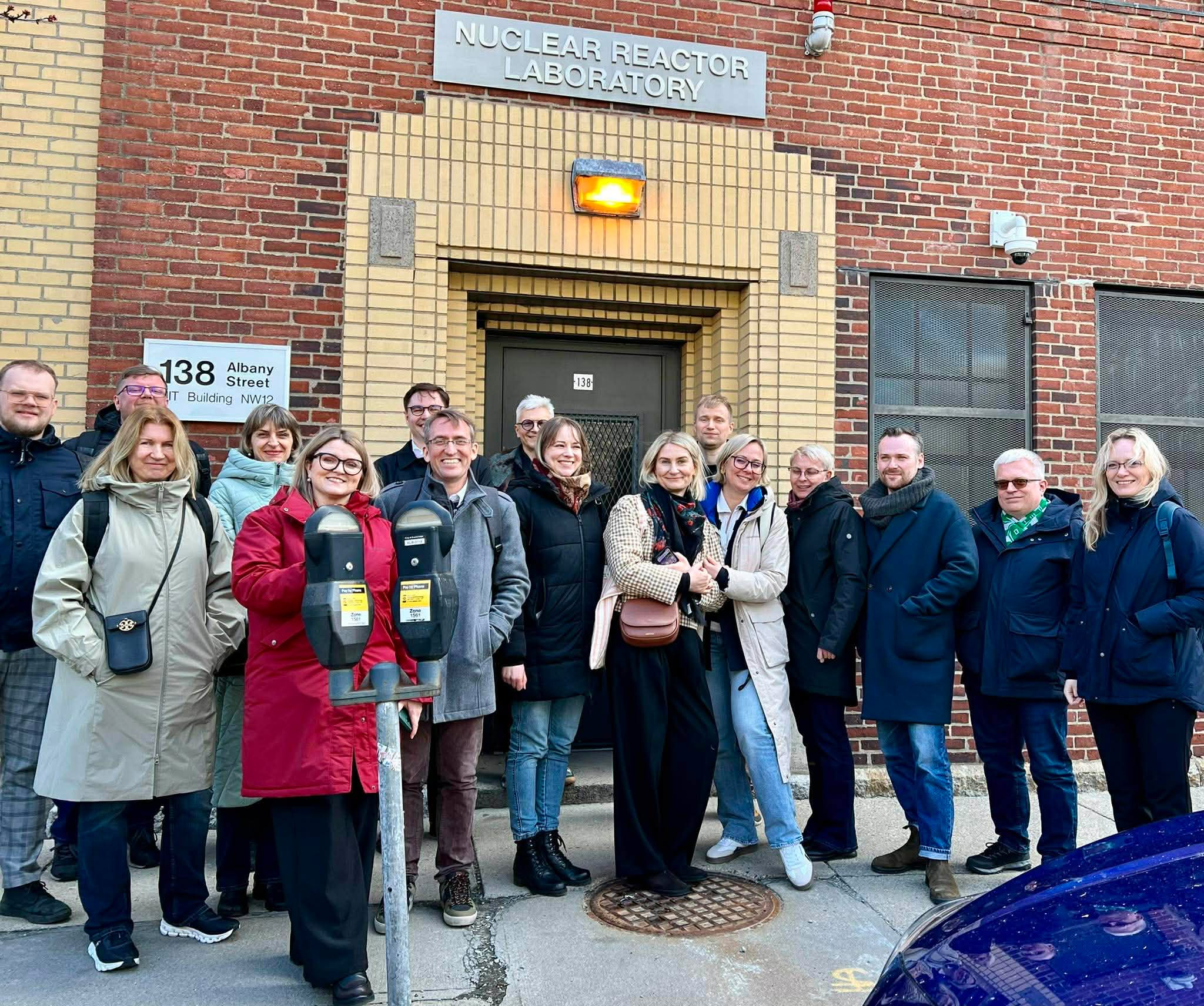
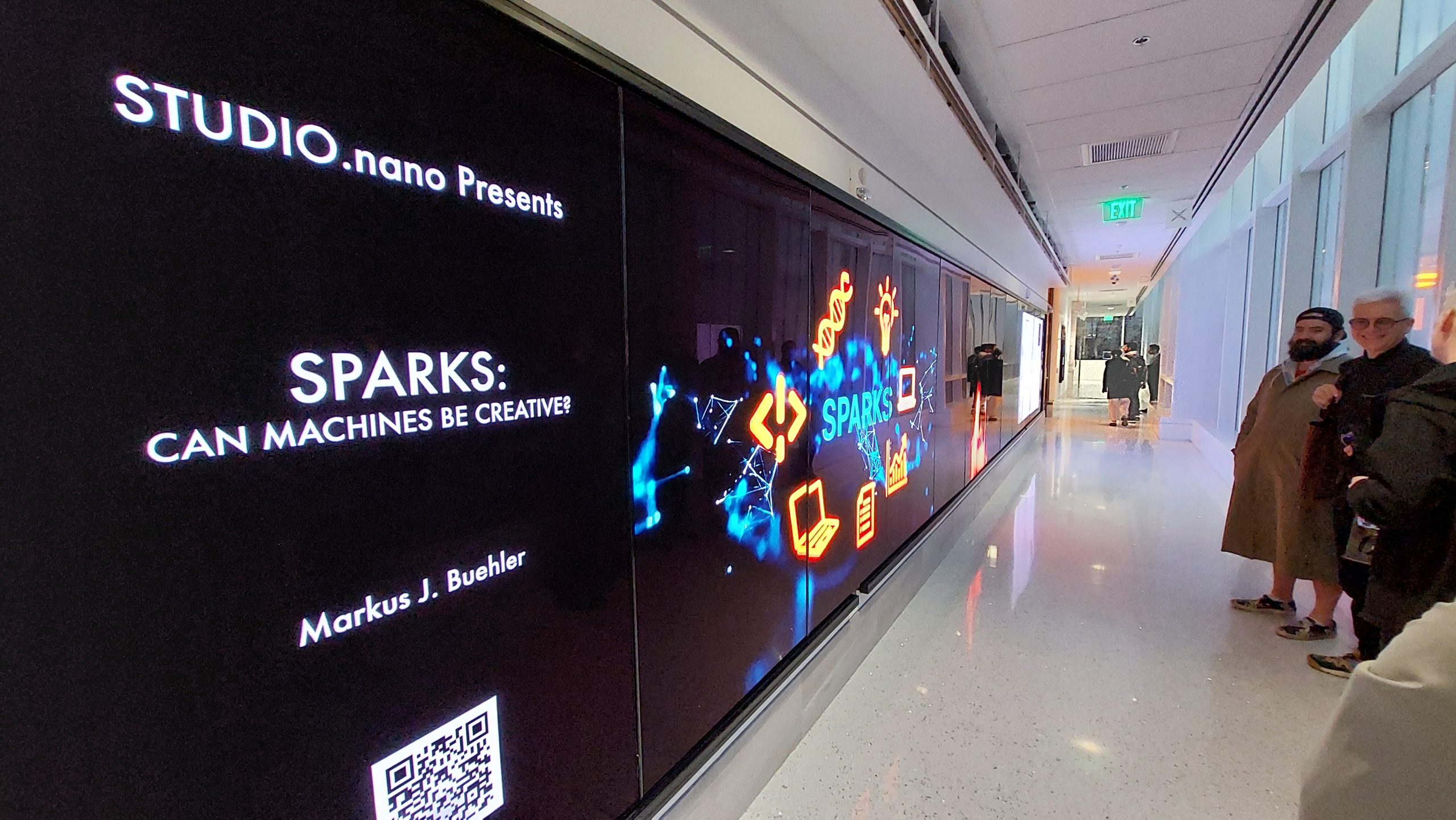
During the visit, the delegation explored the MIT campus, visited the MIT Nuclear Reactor Laboratory, and met with representatives of various MIT units.
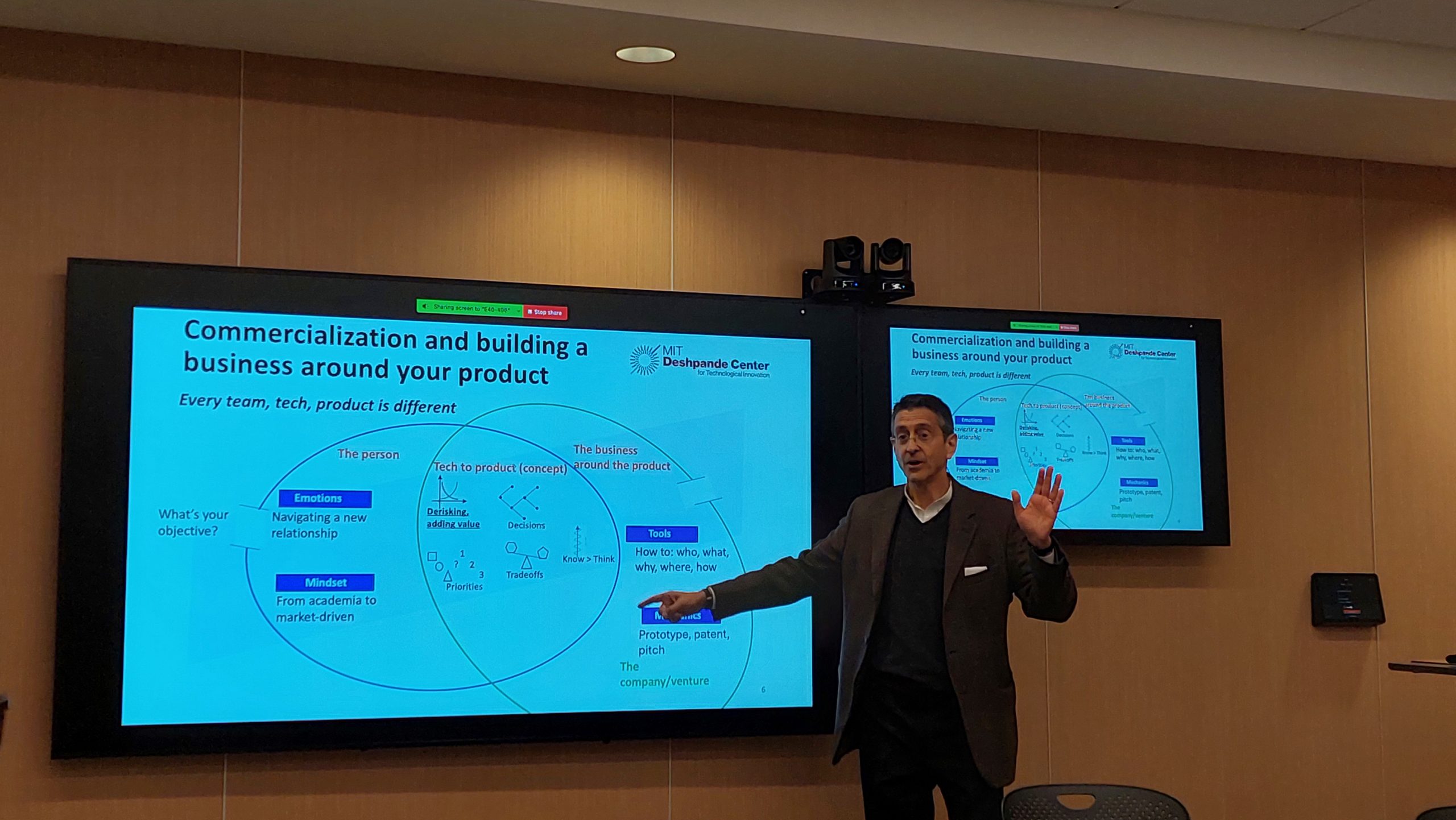
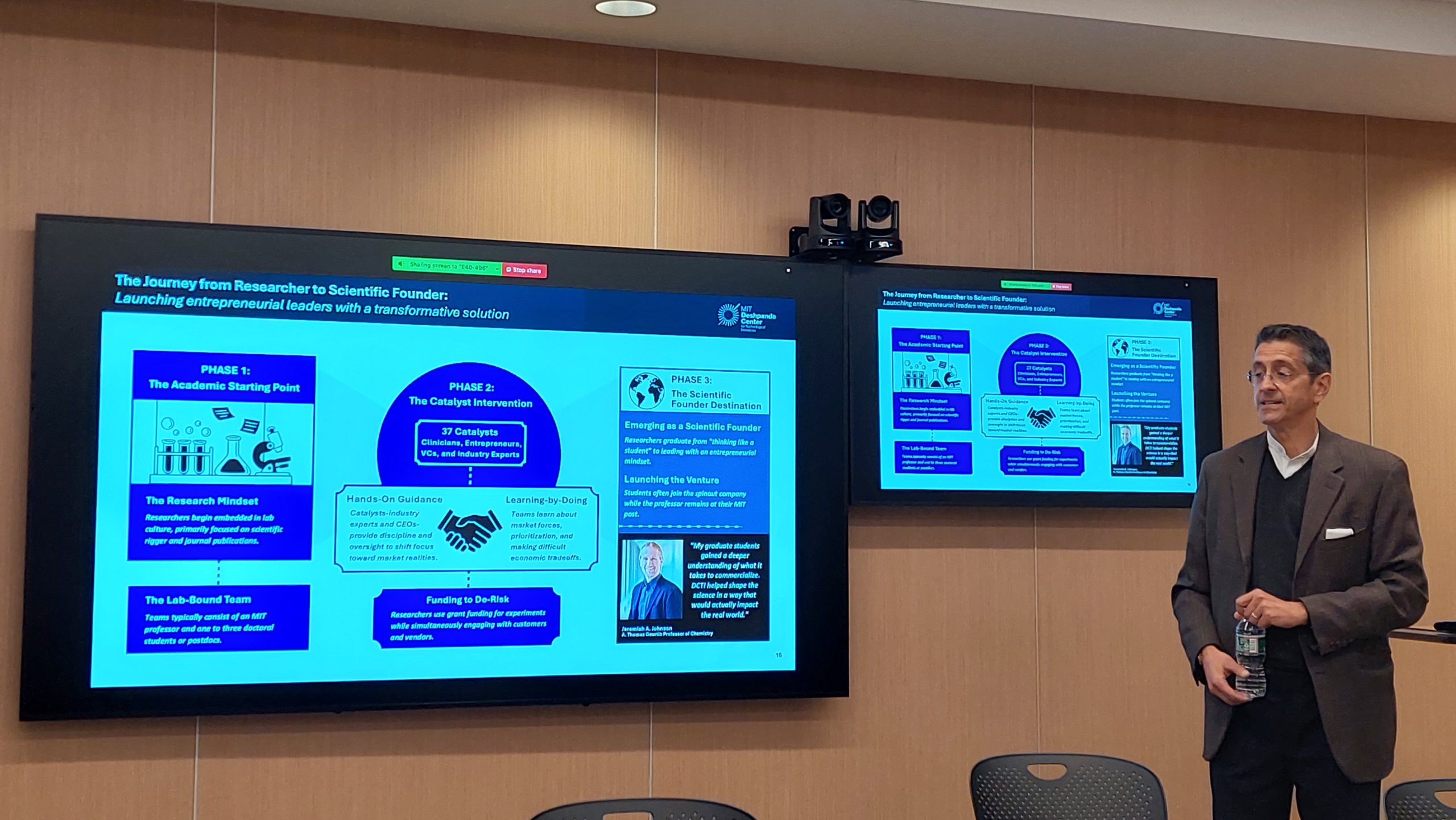
One of the meetings took place at the Deshpande Center for Technological Innovation, which helps researchers turn laboratory-developed technologies into profitable market products. The center presented a model for innovation commercialization that brings together scientists, business experts, and venture capital representatives, promoting technology transfer from labs to the market. A distinctive feature of this model is that practitioners (entrepreneurs, venture capital funds, industry experts, etc.)—who must have experience working with scientists or have worked in academia themselves—mentor researchers in adapting their innovations for the market and launching their own businesses.
The delegation also visited the MIT Teaching and Learning Lab, where a support system for faculty was presented, focused on improving teaching skills and evaluating the effectiveness of teaching methods used in classrooms. A key principle at MIT is “learning by doing,” where students are involved in research from the first year of studies to apply theoretical knowledge in practice. Interestingly, participation in the Teaching and Learning Lab’s training is not mandatory; however, faculty members voluntarily seek consultations to improve the quality of their teaching.
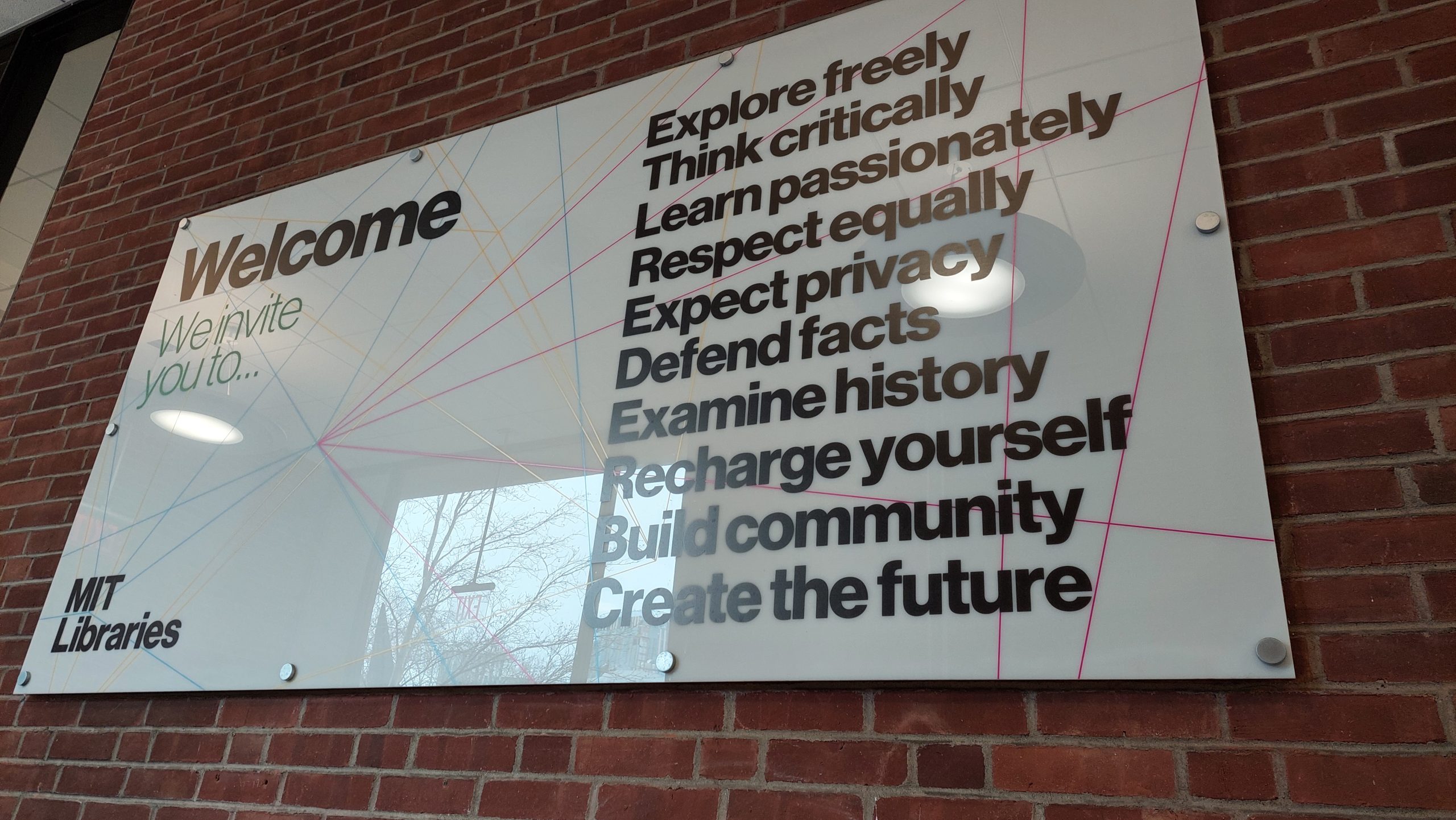
The delegation also met with MIT Libraries Director Chris Bourg to discuss the role of libraries in the 21st century, effective management of information resources, and differences between technological and social sciences libraries. Particularly noteworthy was the MIT Geographic Information System (GIS) library, which is highly valuable for geography studies—programs that MRU is planning to offer soon in cooperation with Klaipėda University.
New directions for cooperation
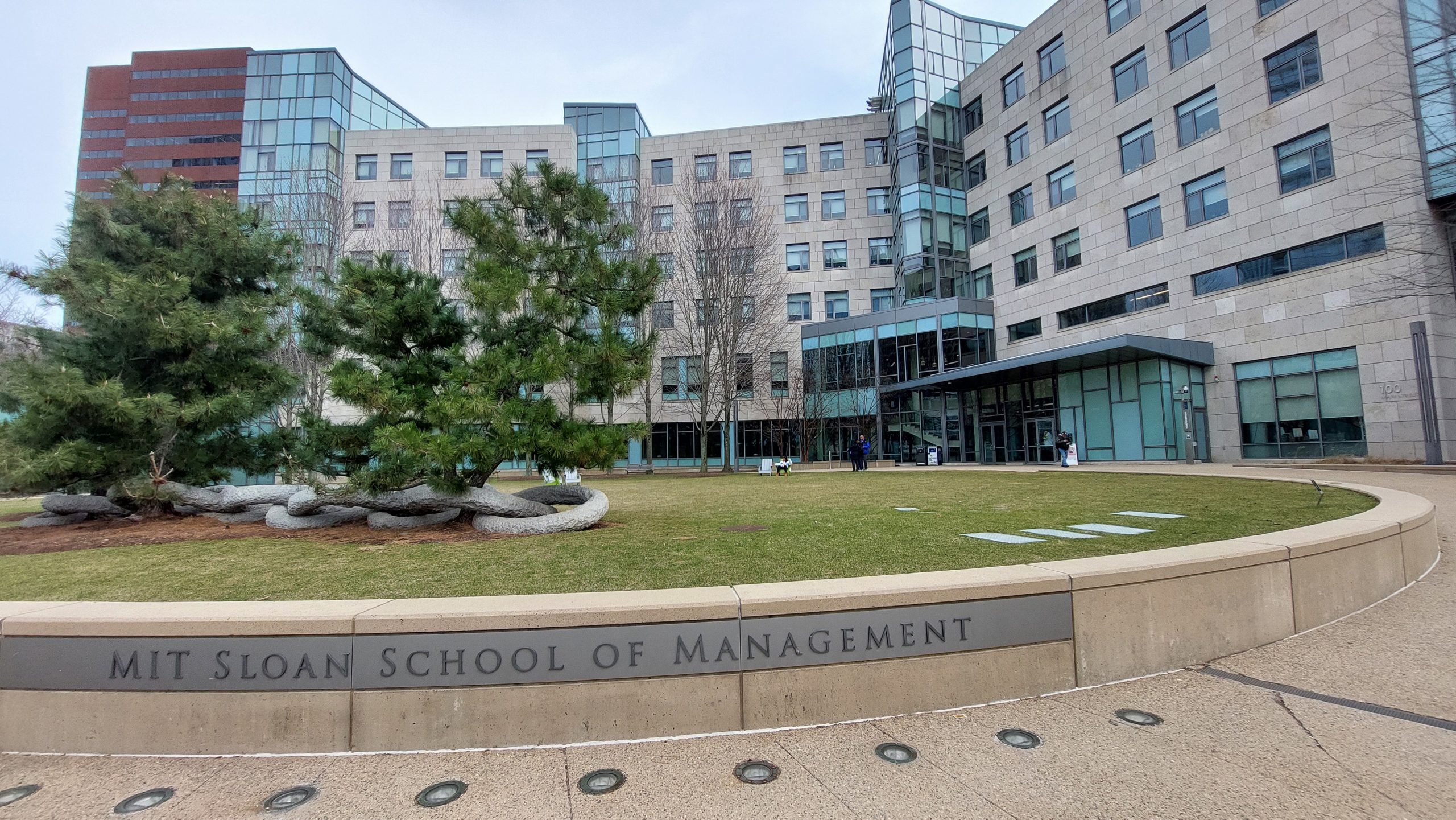
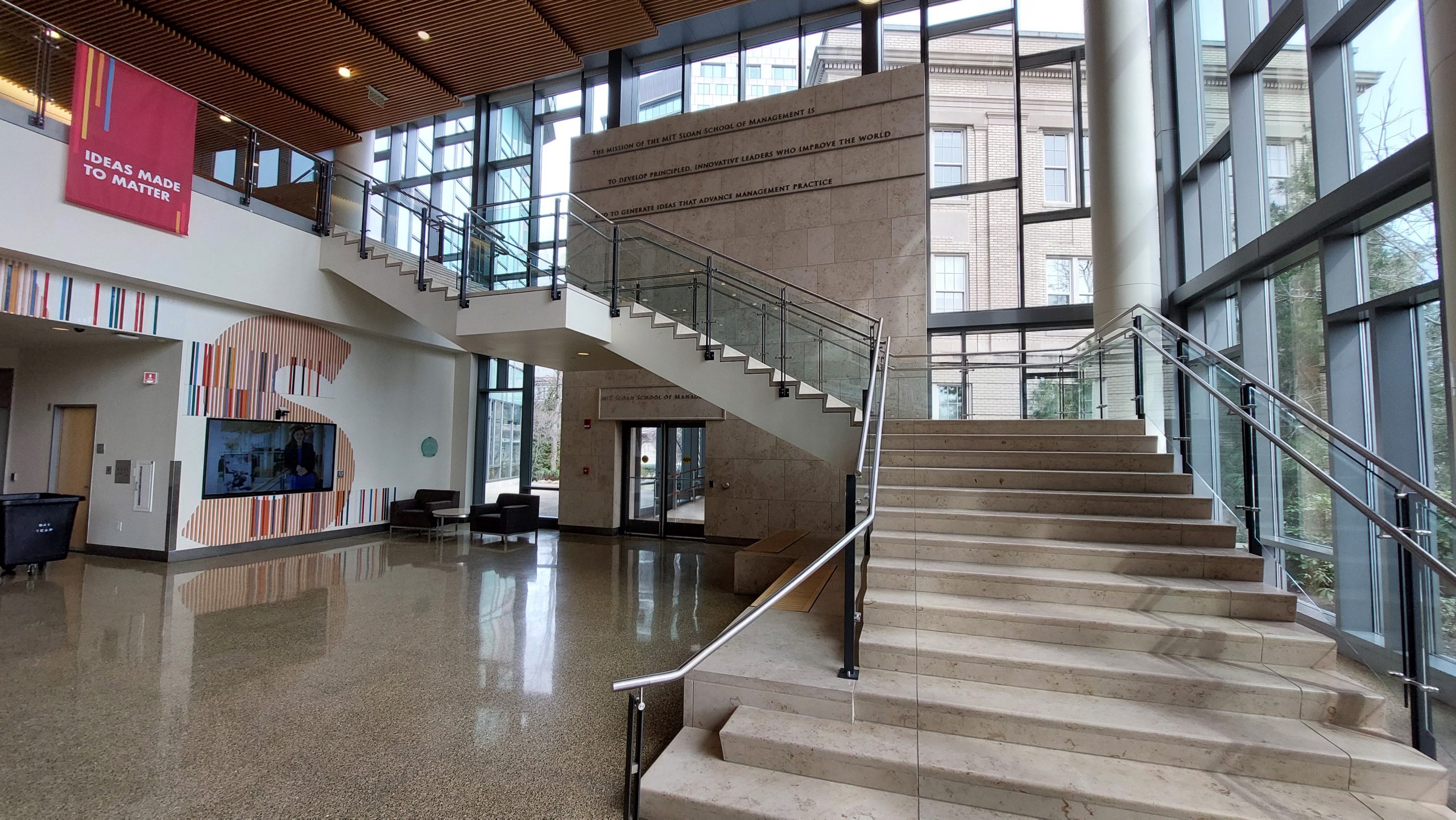
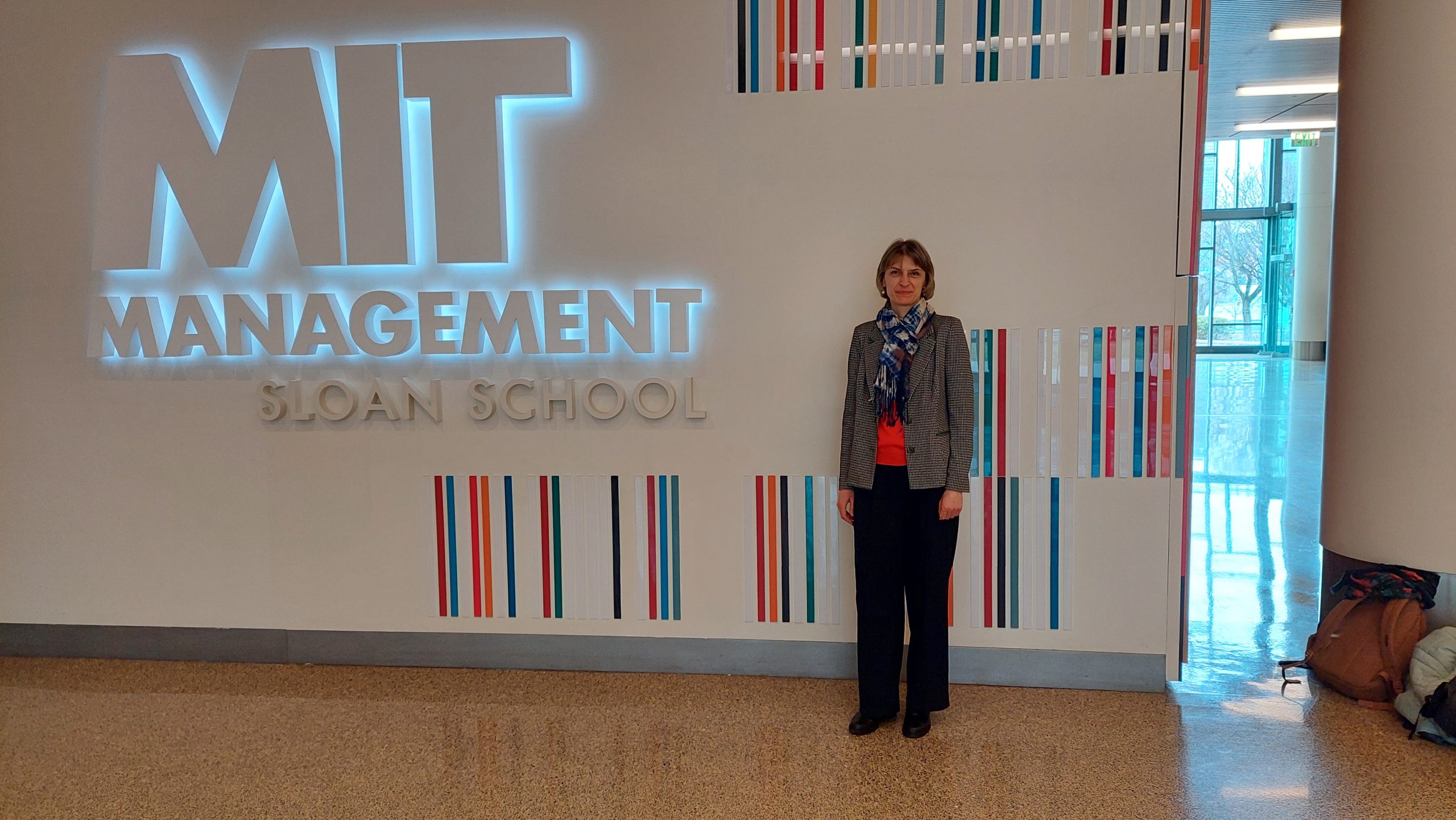
Meetings with academics from the MIT Sloan School of Management explored opportunities for collaboration in entrepreneurship, leadership, economic security, and innovation.
According to Dr. Malinauskienė, MIT’s experience provides clearer insight into how universities can contribute to innovation and regional development.
“At MIT, the most important aspect is the impact of research on society and the economy. This direction is becoming increasingly important for European universities as well. The Lithuania–MIT partnership is a unique opportunity to enable our young researchers to work with the world’s leading scientists in their fields, creating innovations for both Lithuania and the global community. At the same time, it allows us to adopt best practices from MIT to improve our study organization and research processes, adapting them to the Lithuanian context and the unique history and mission of each university,” notes the MRU Vice-Rector for Research and Innovation.