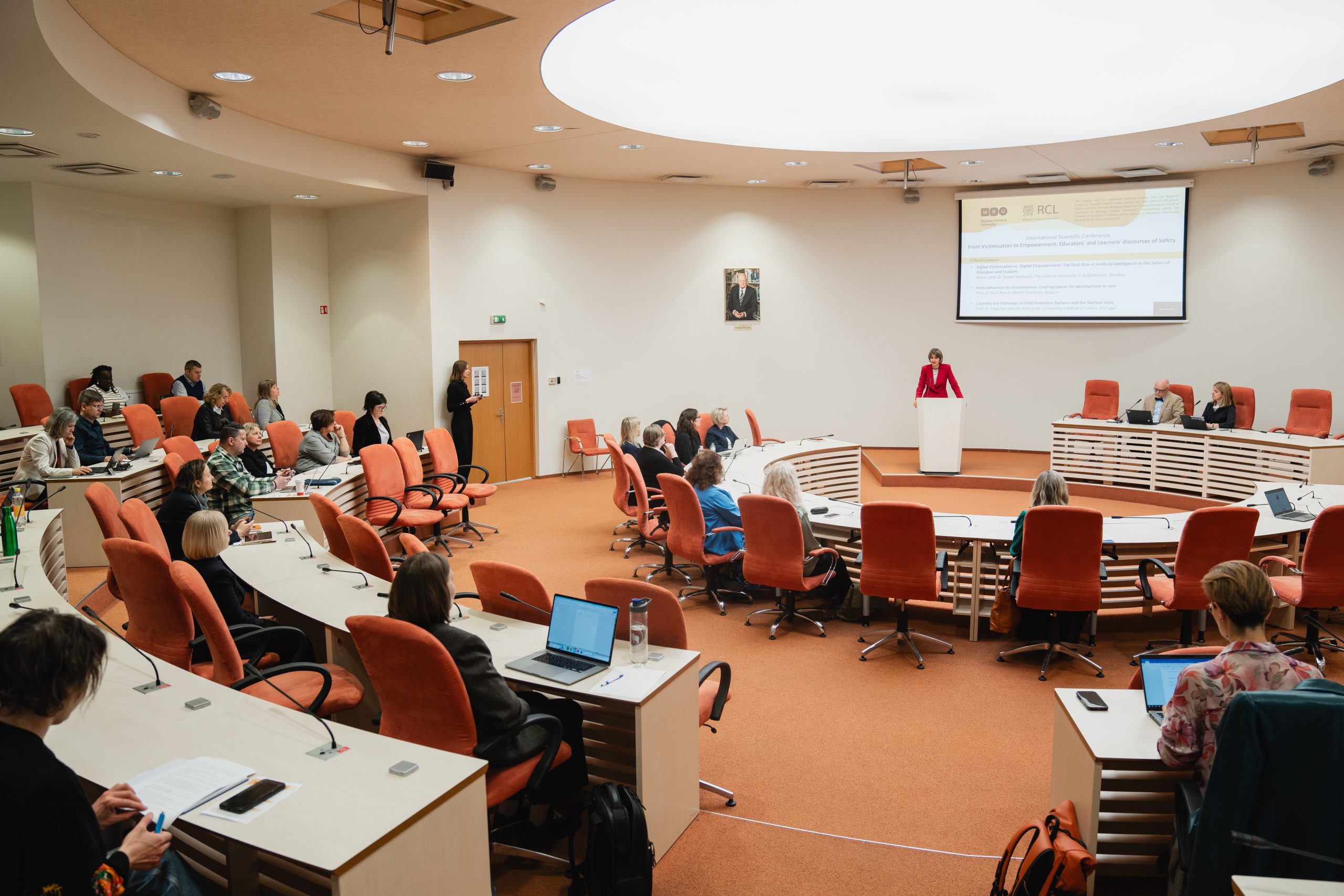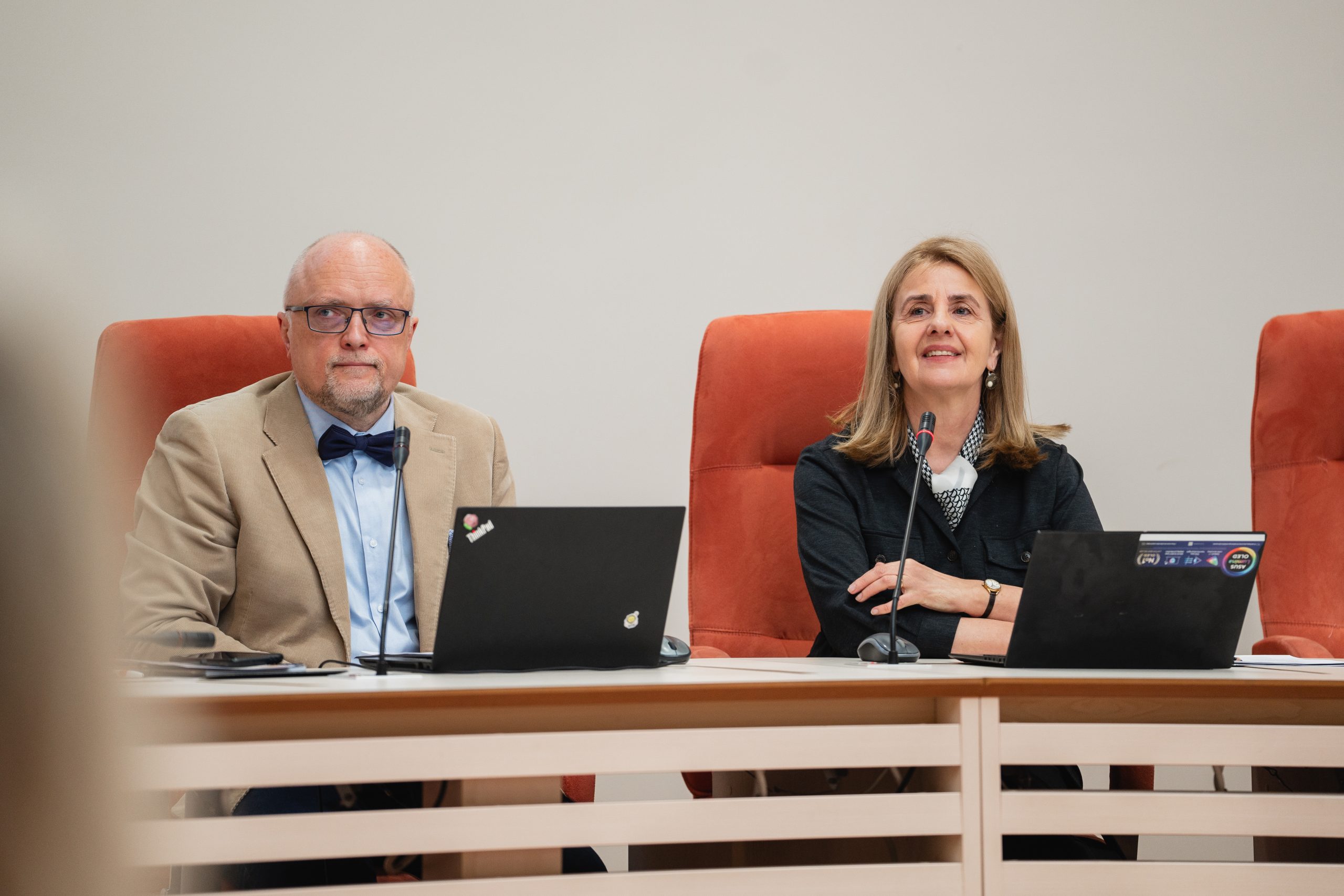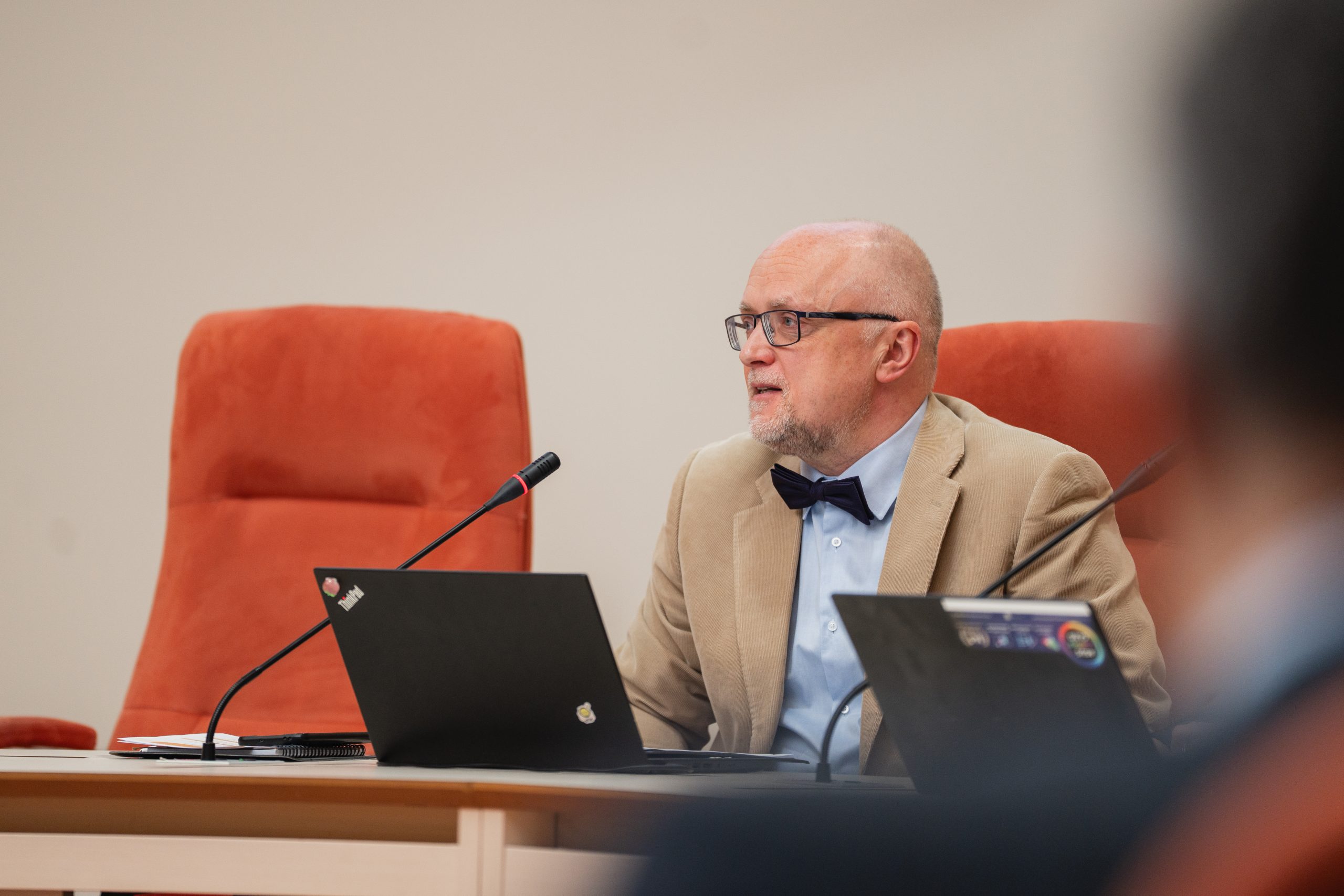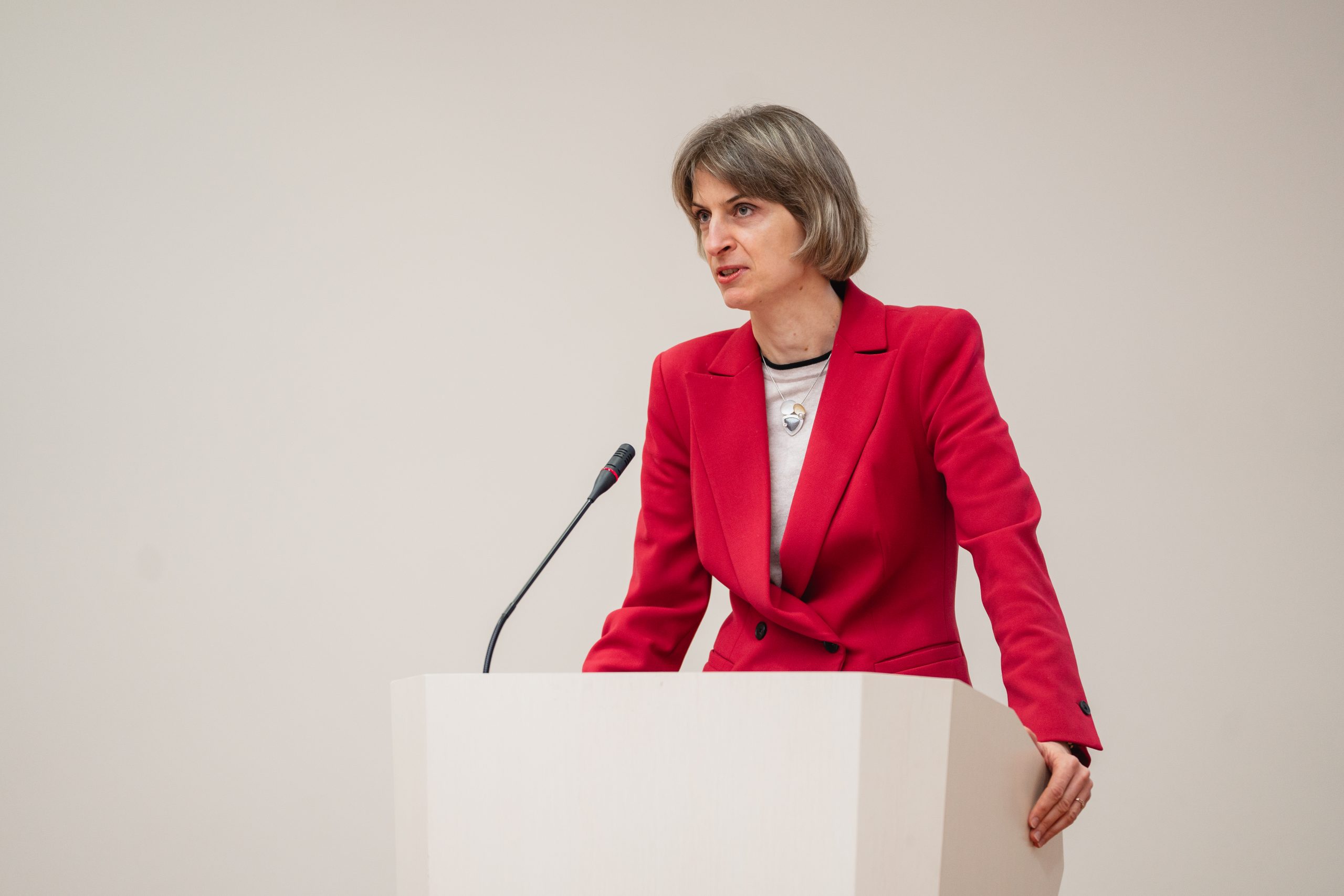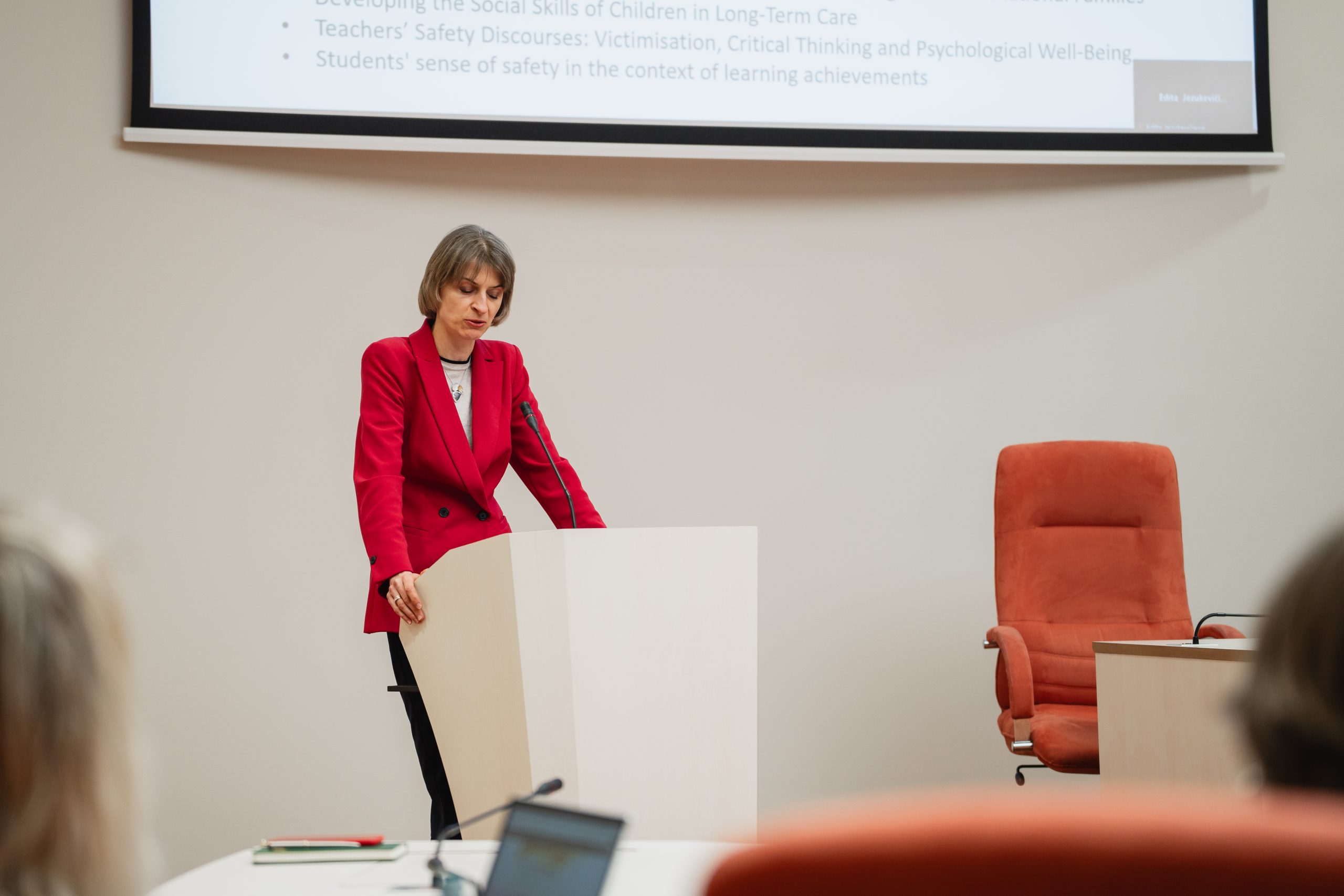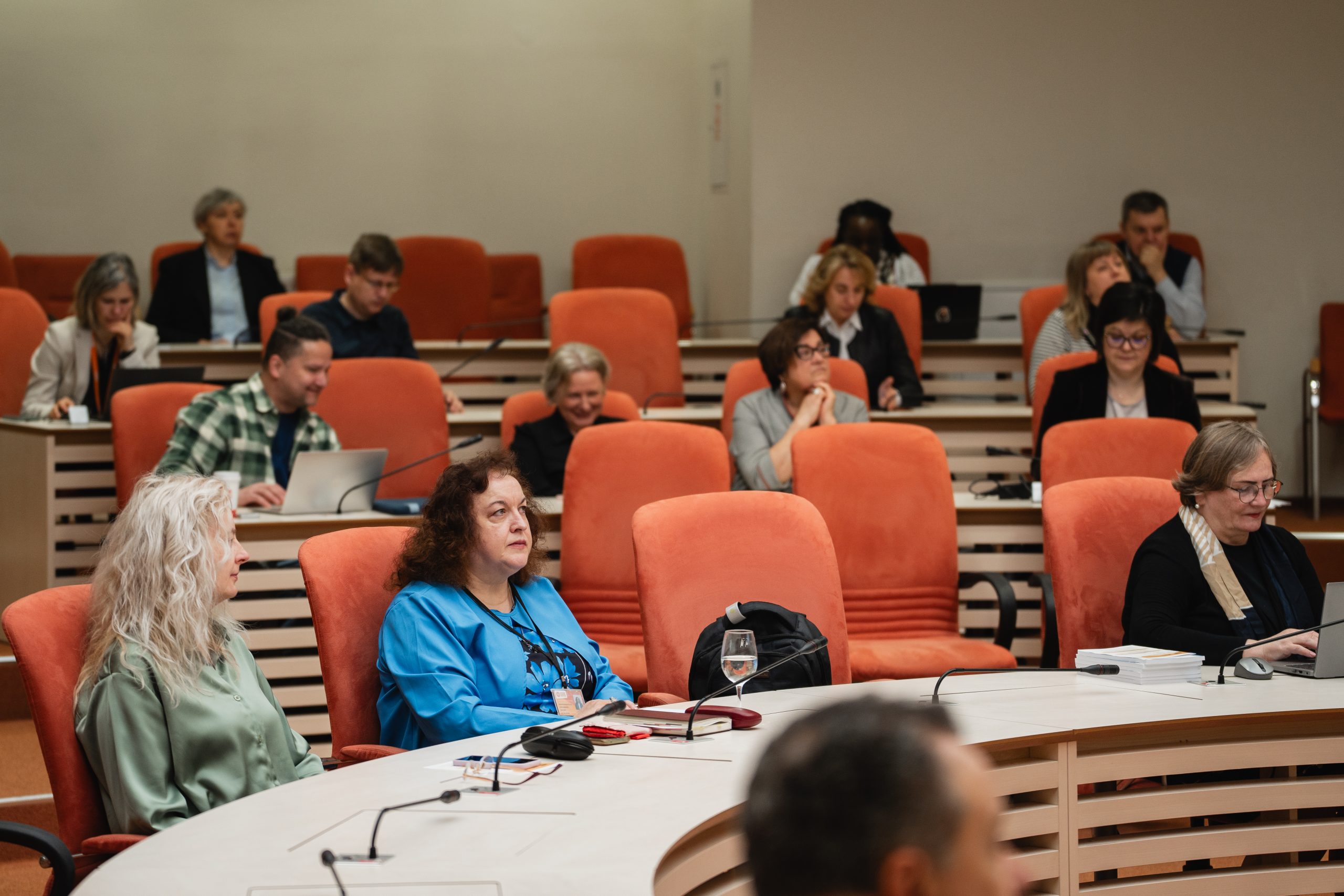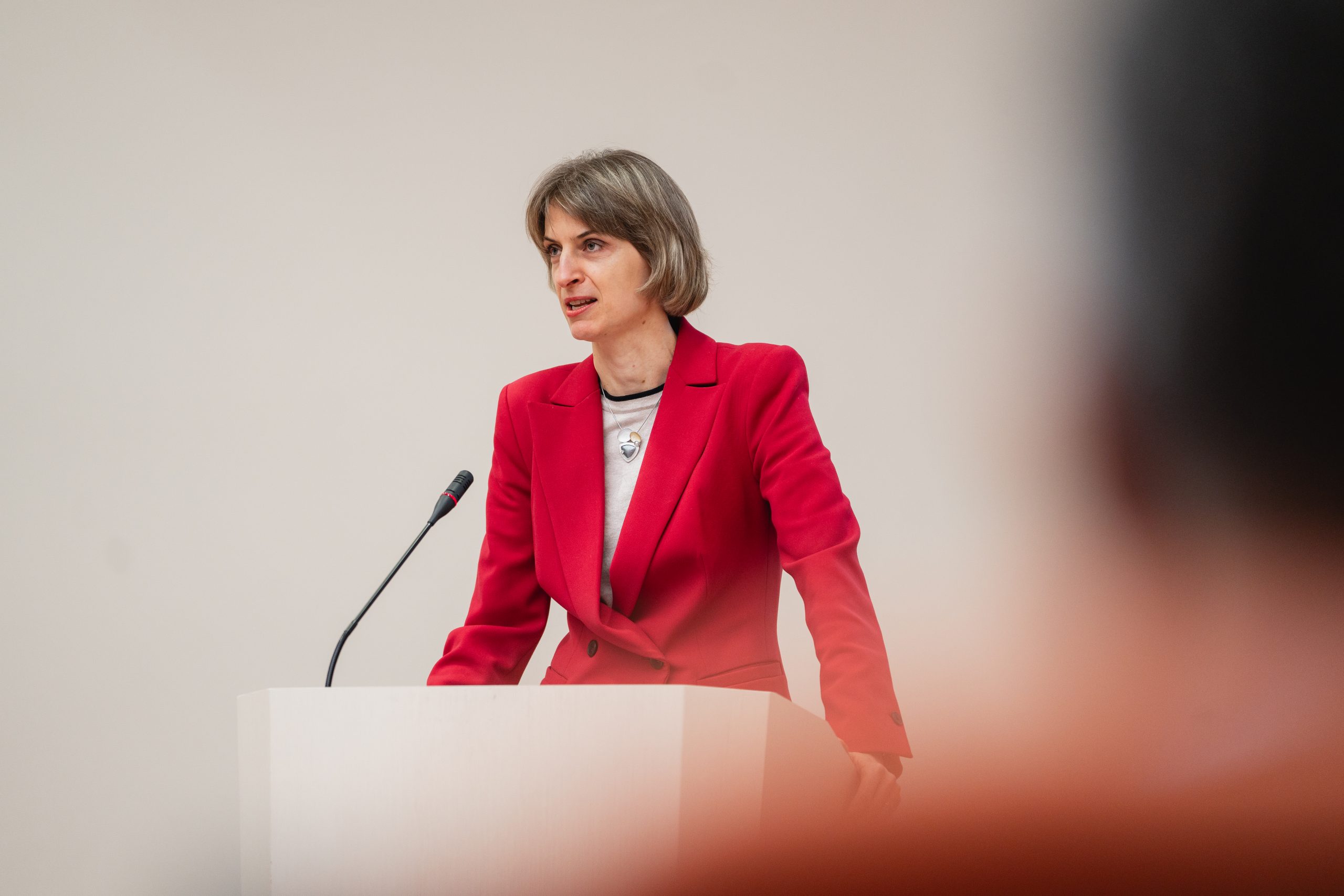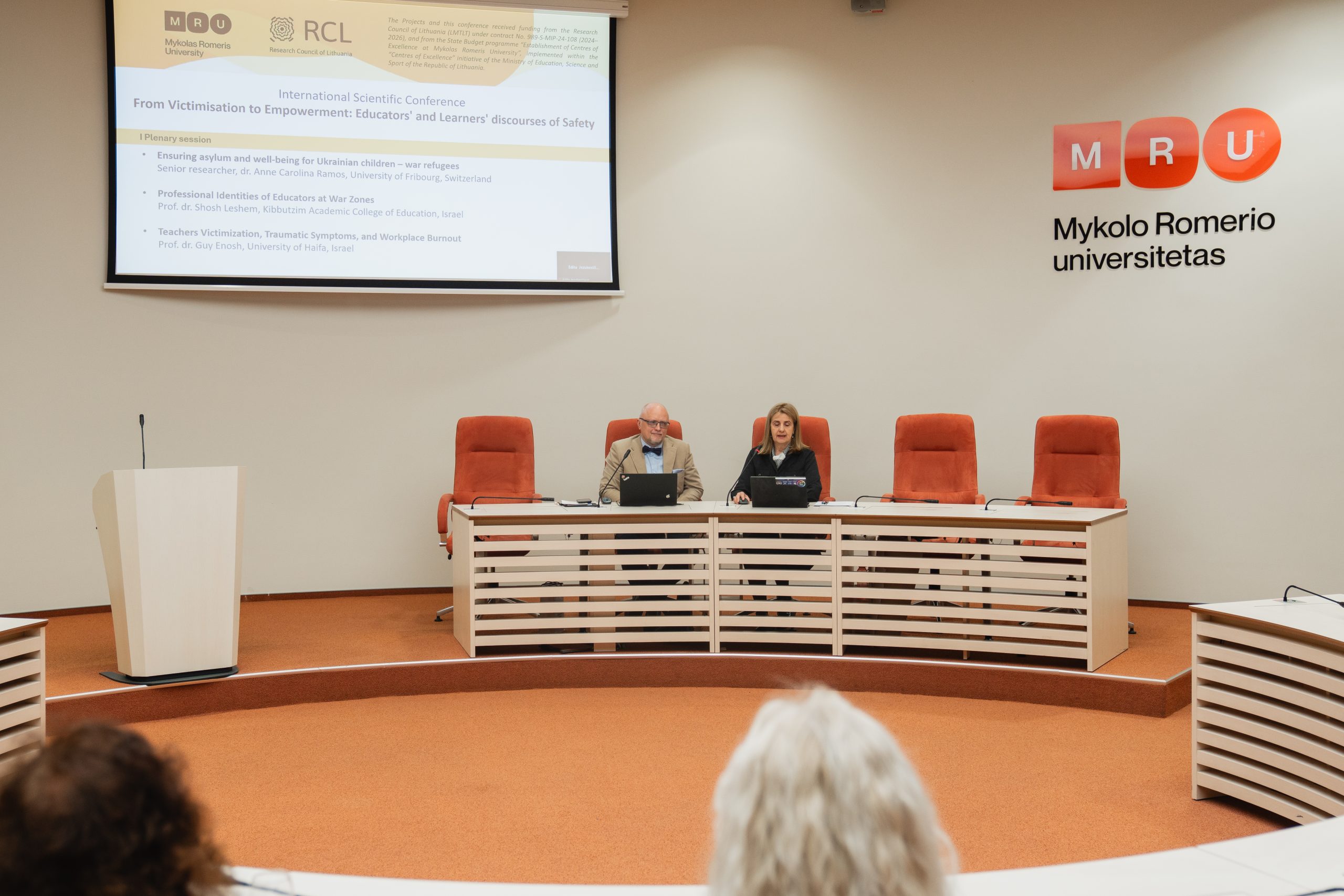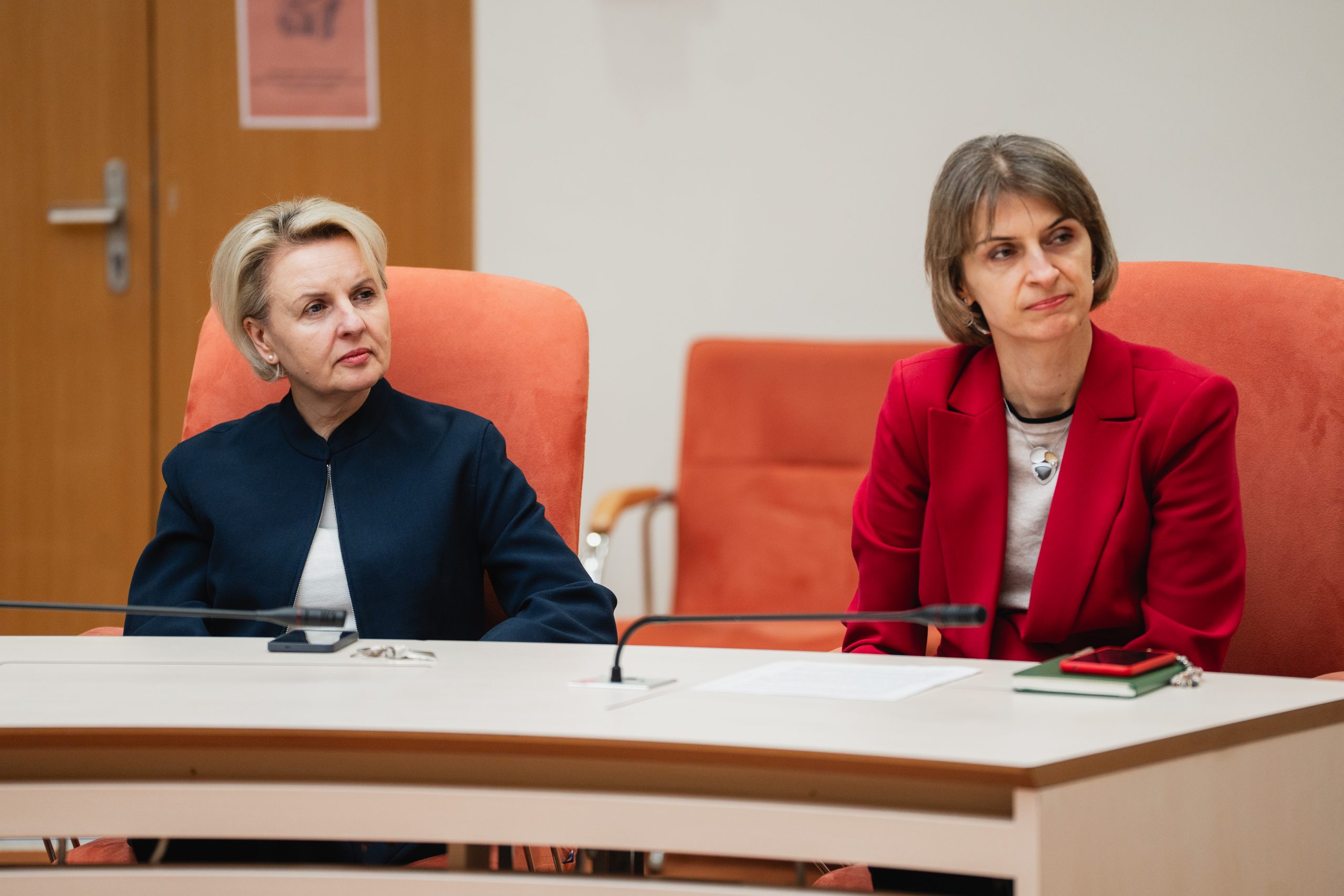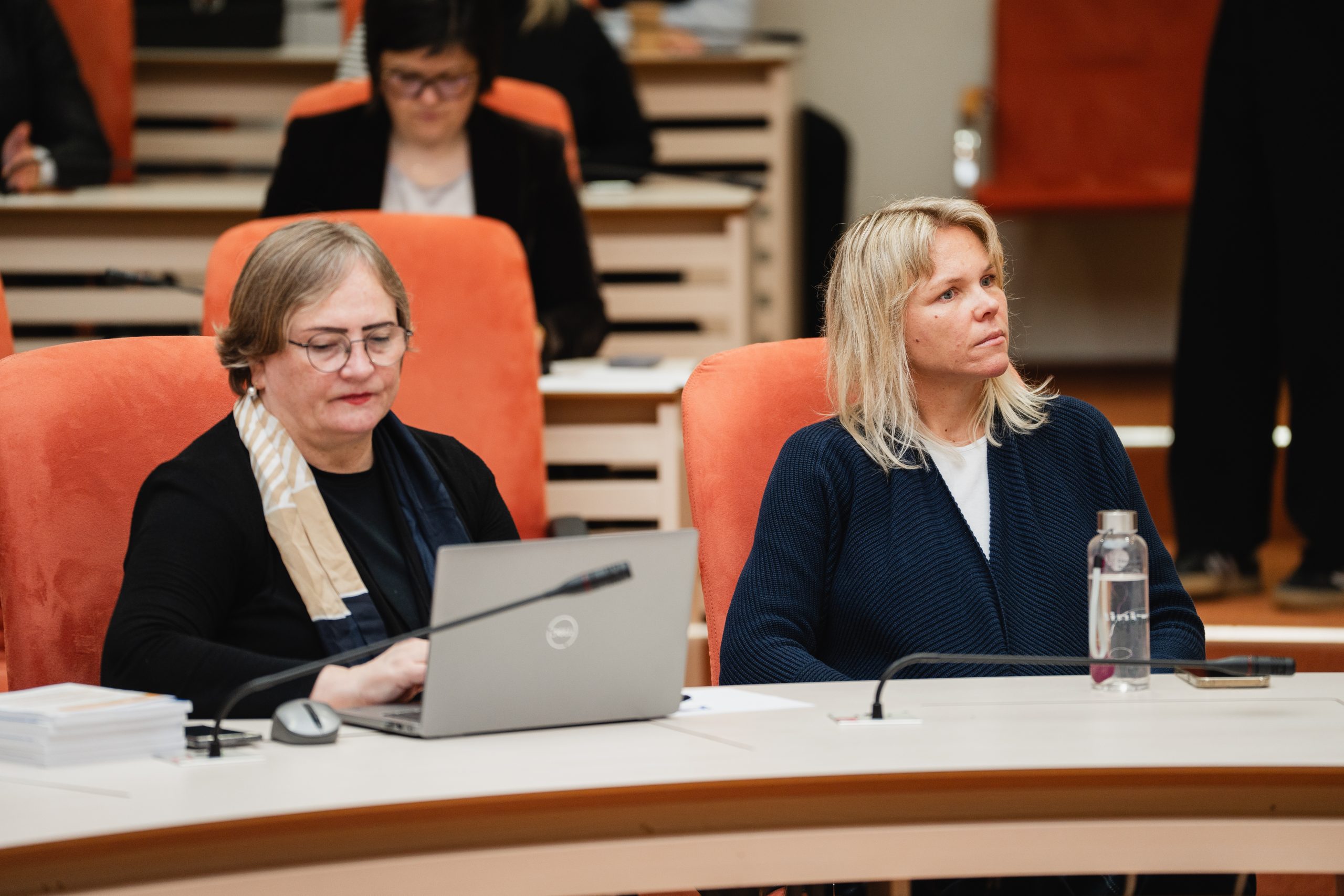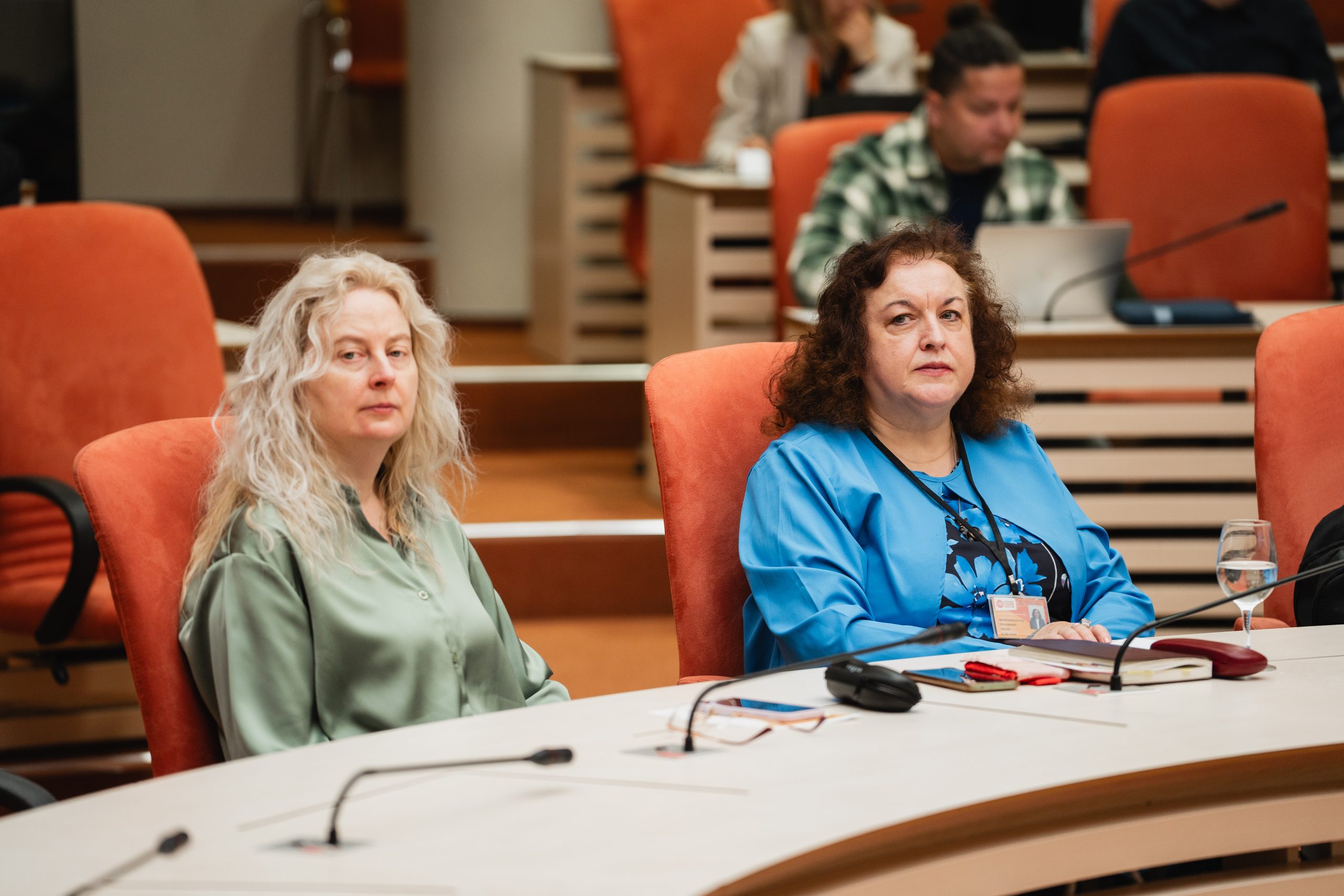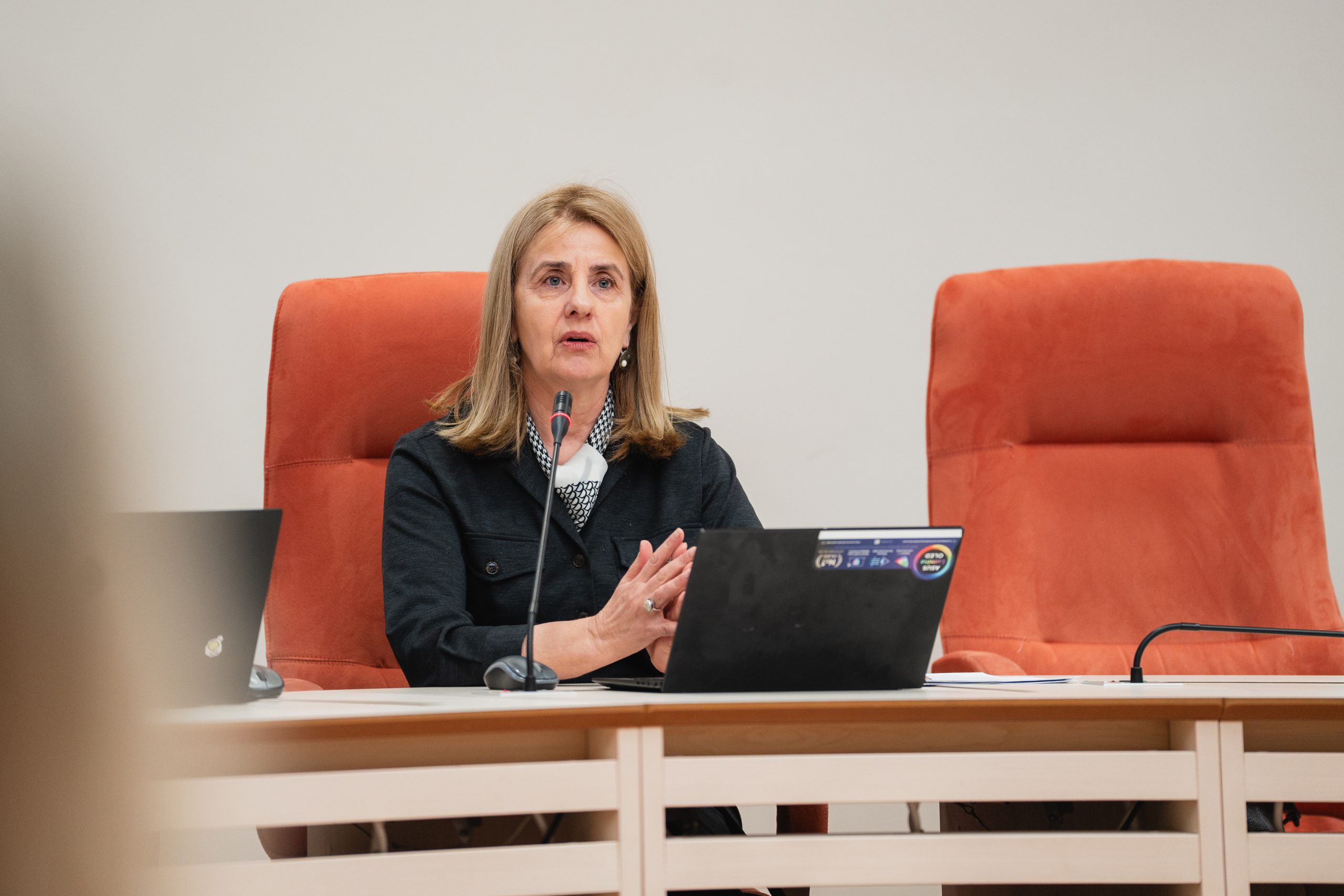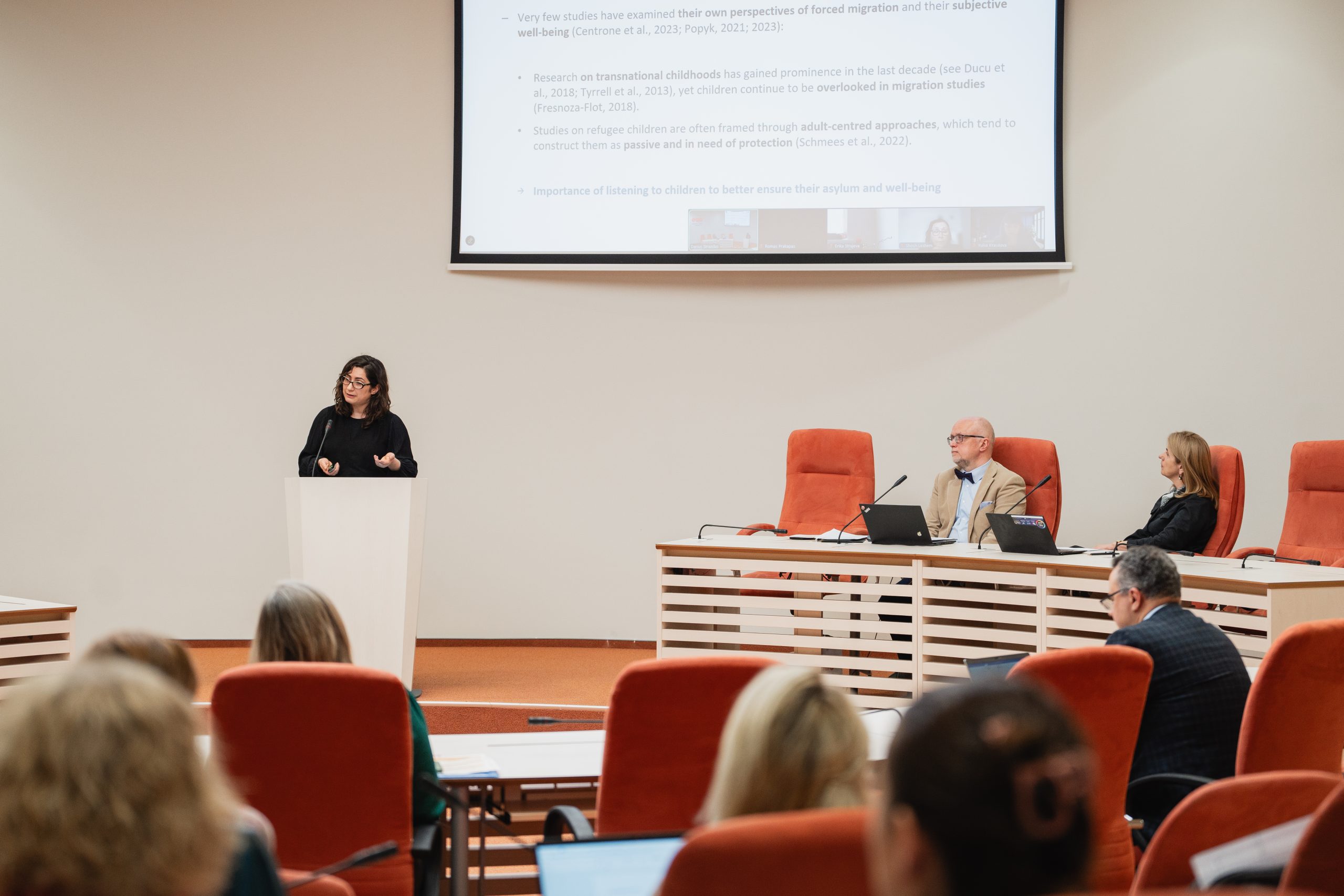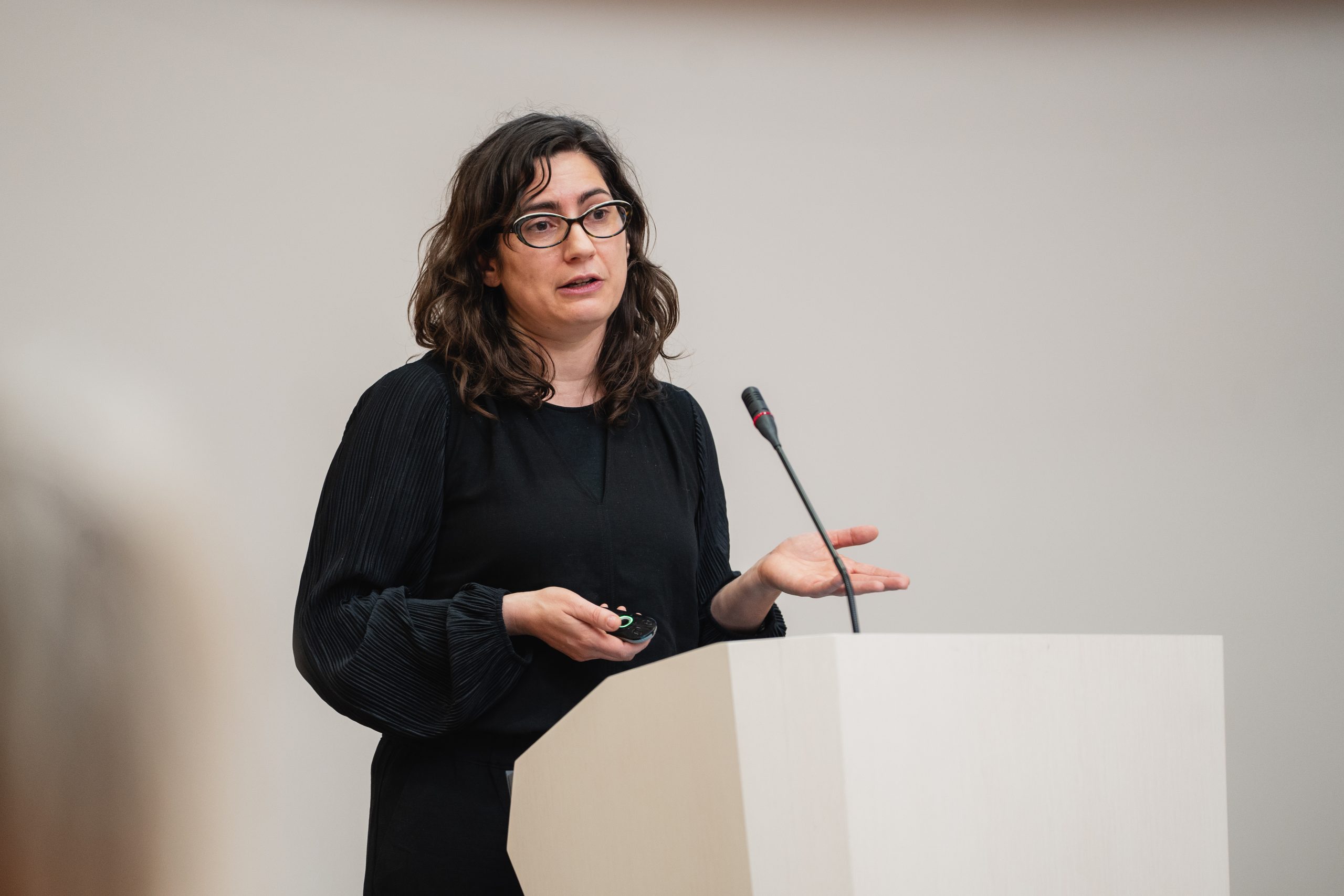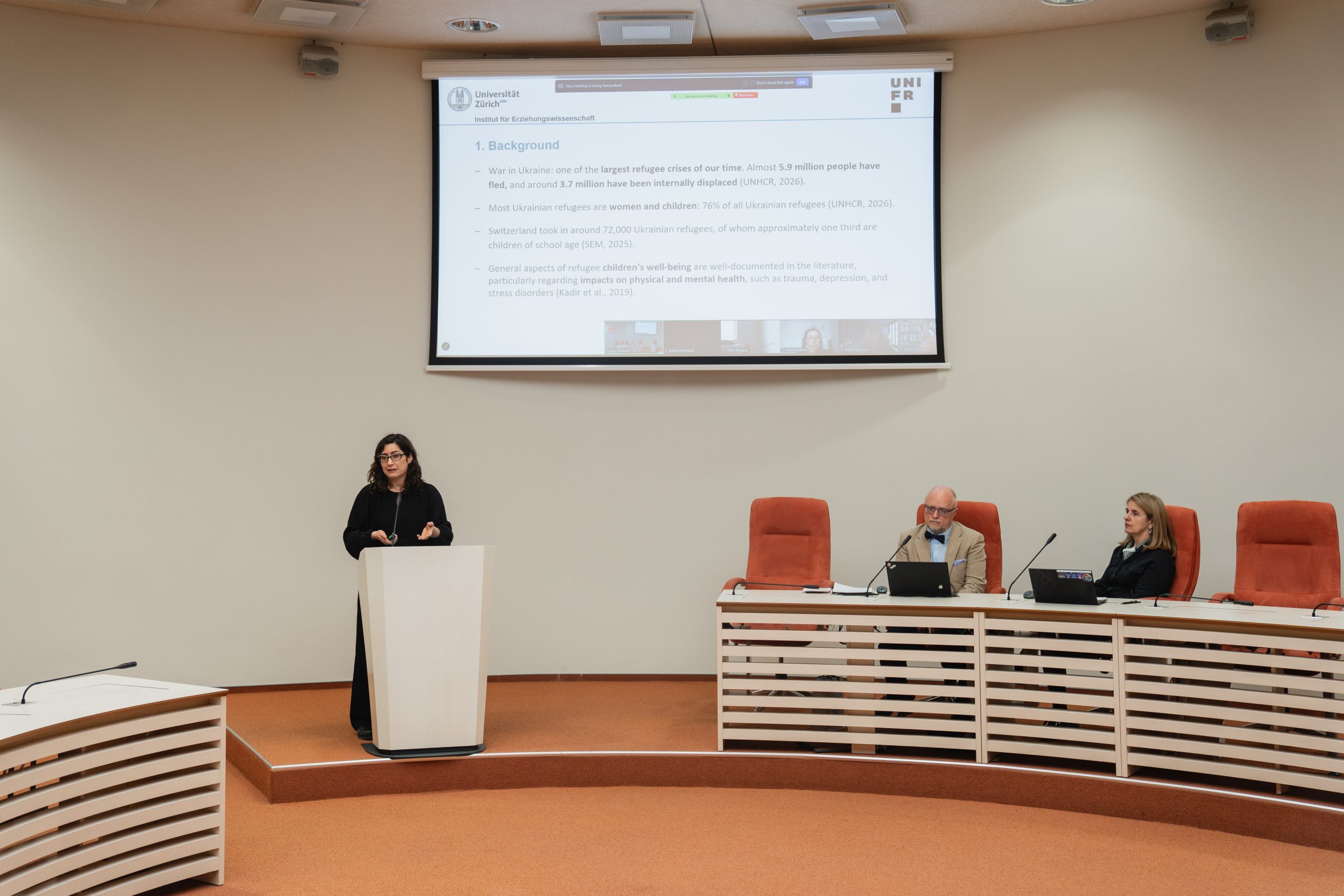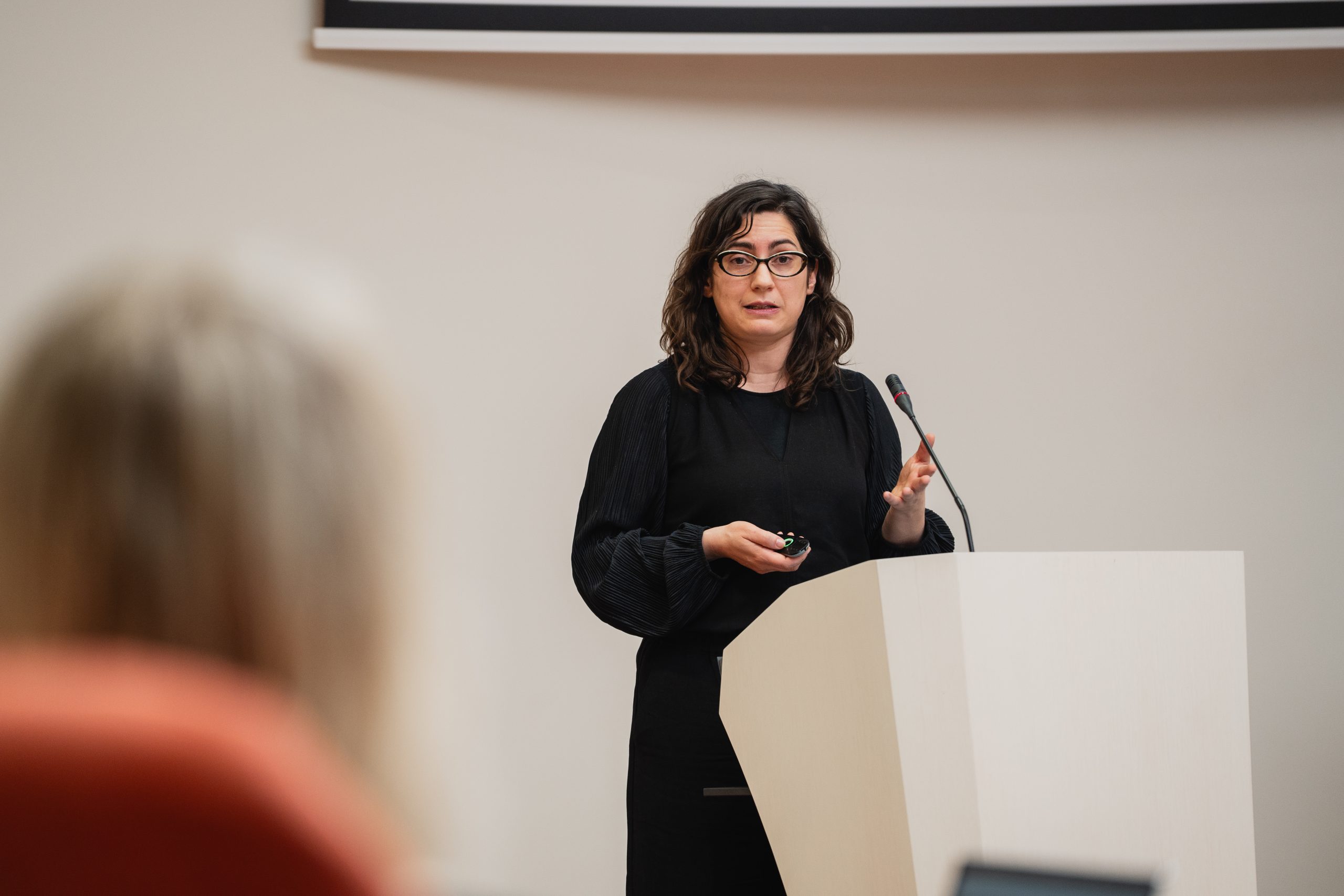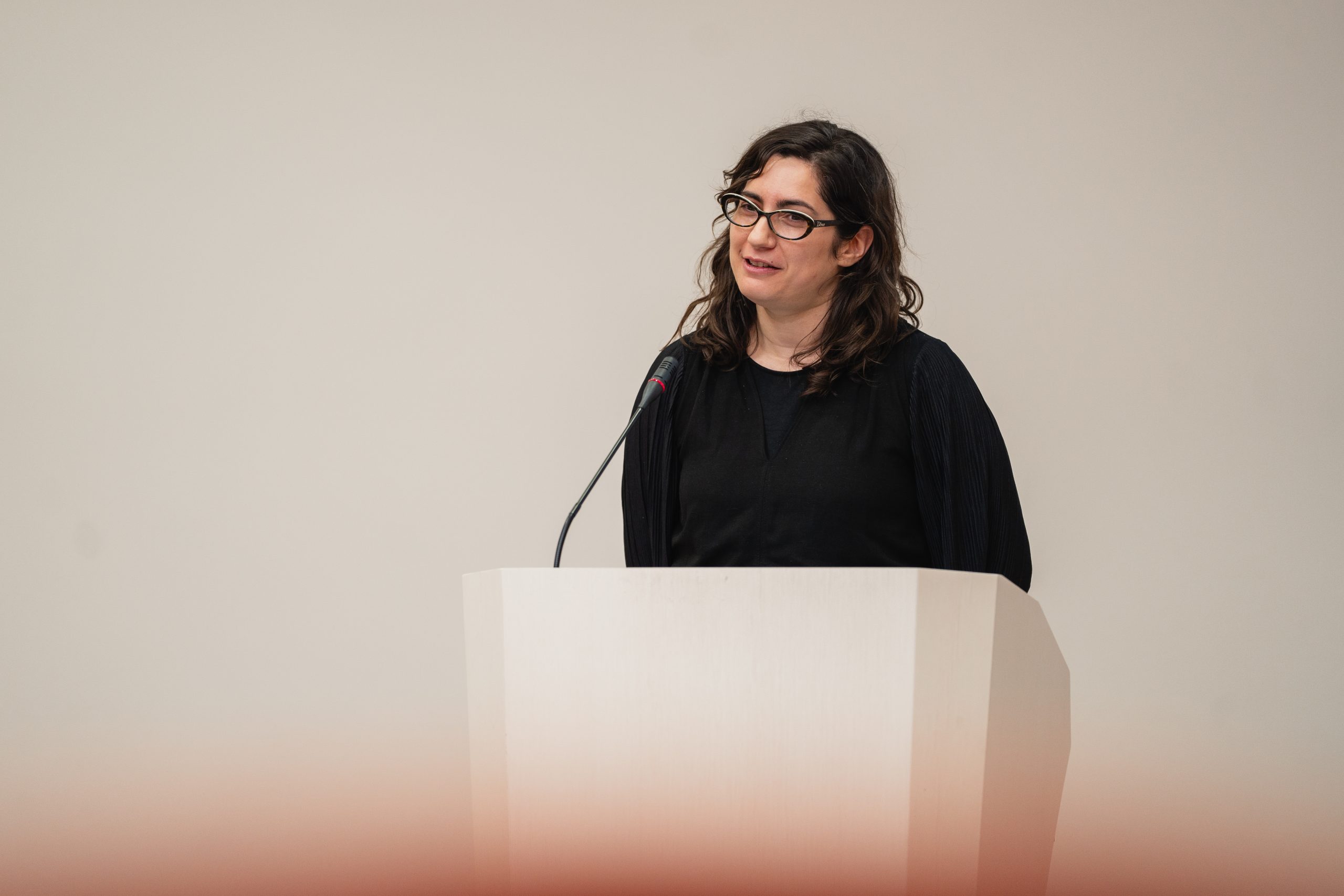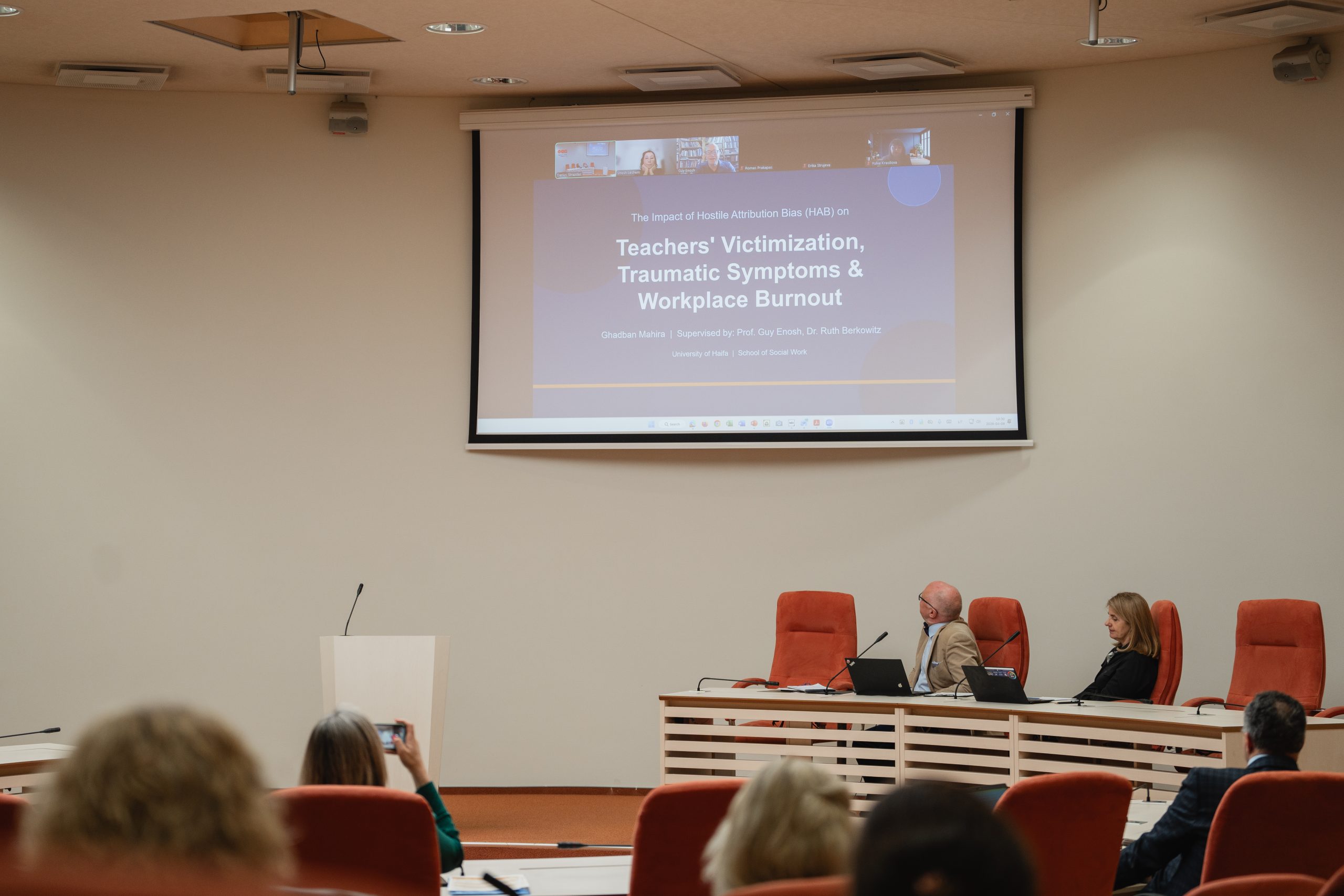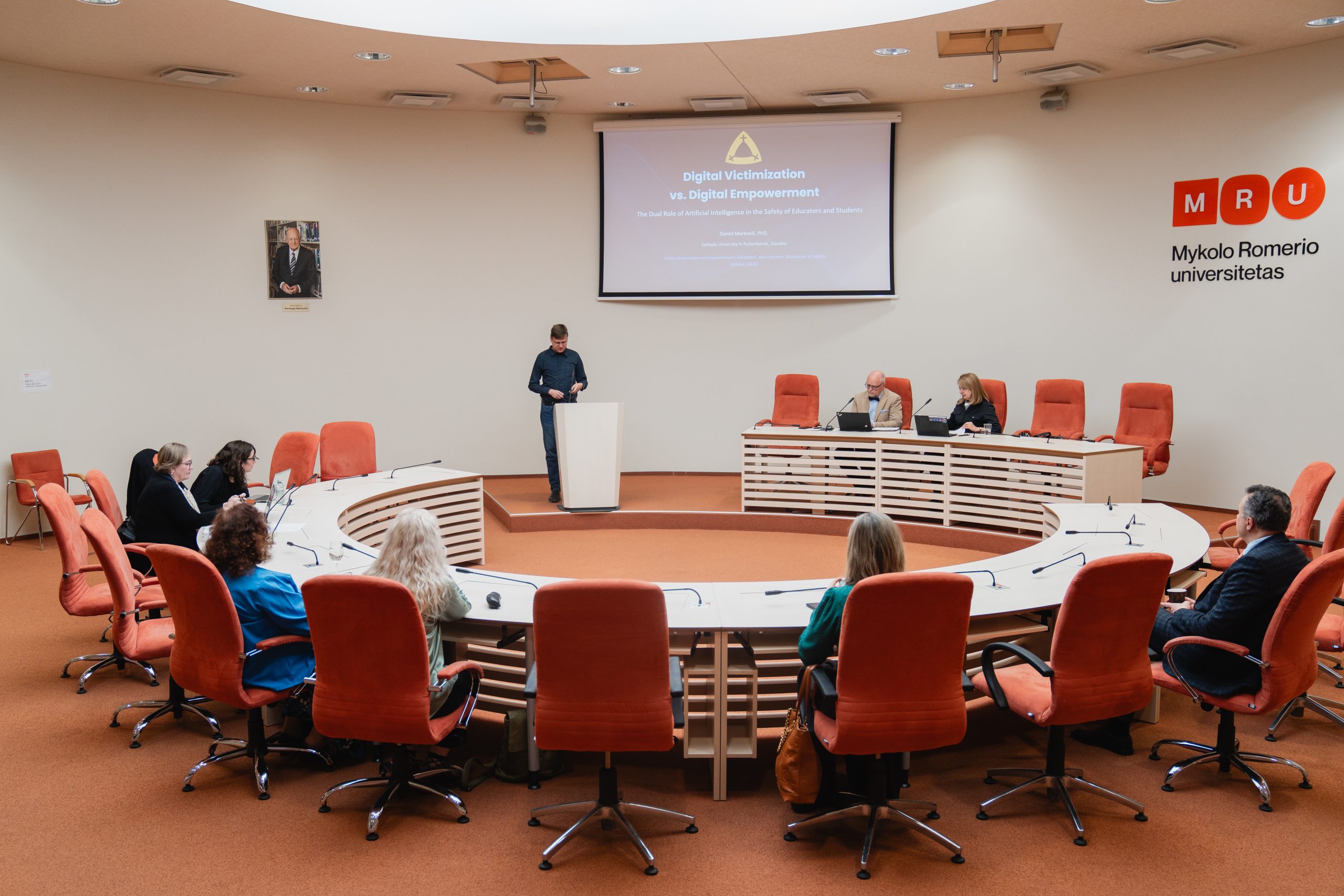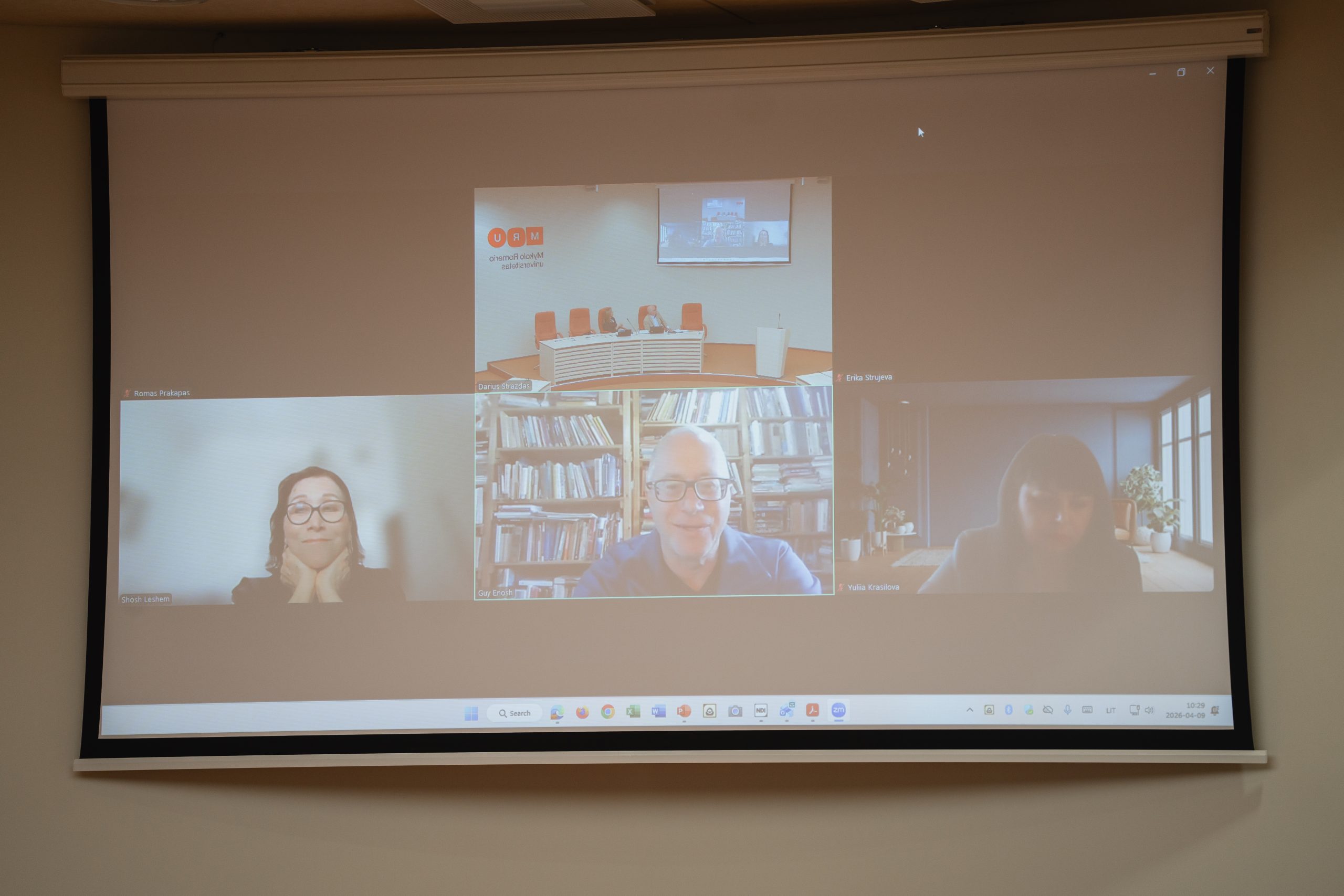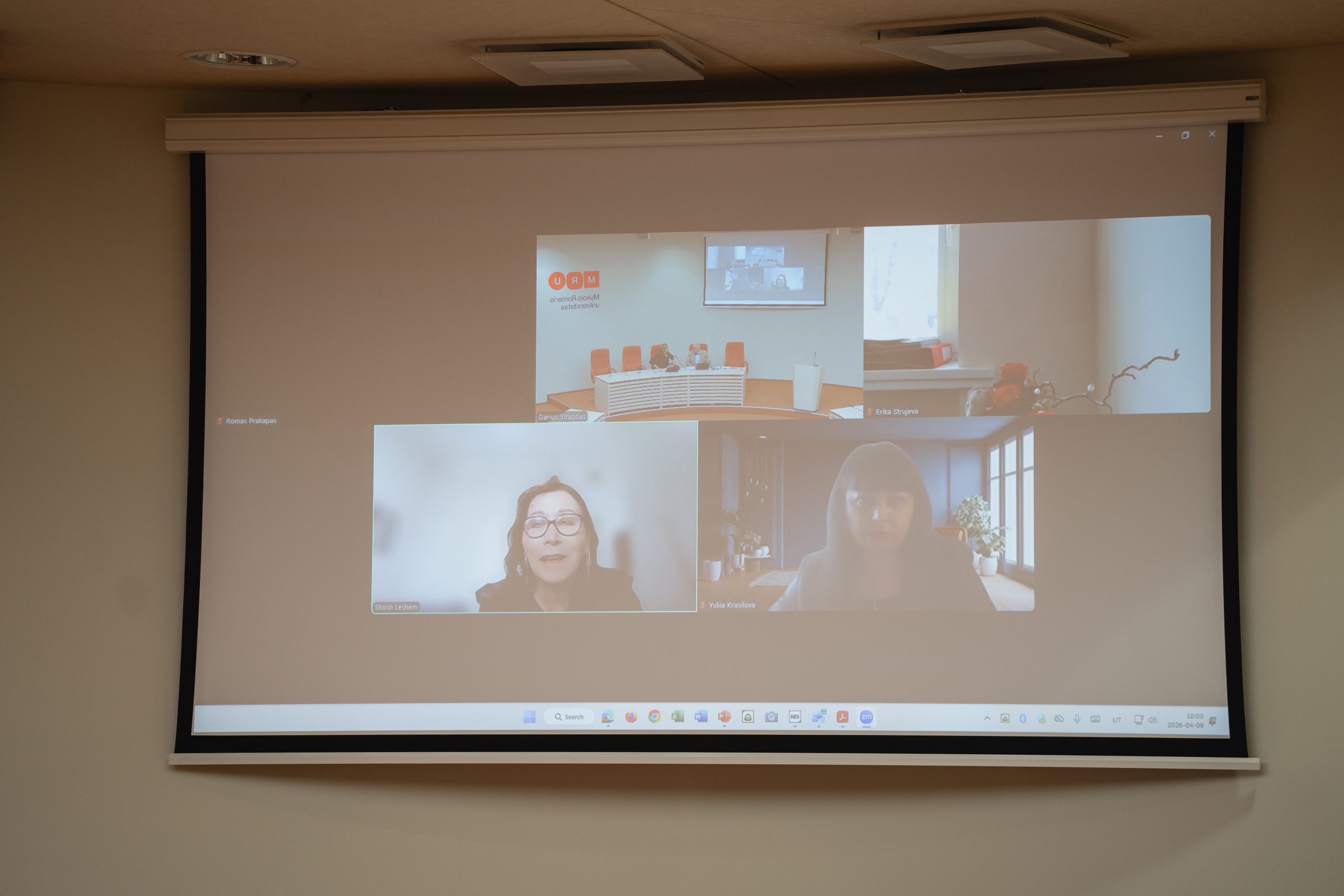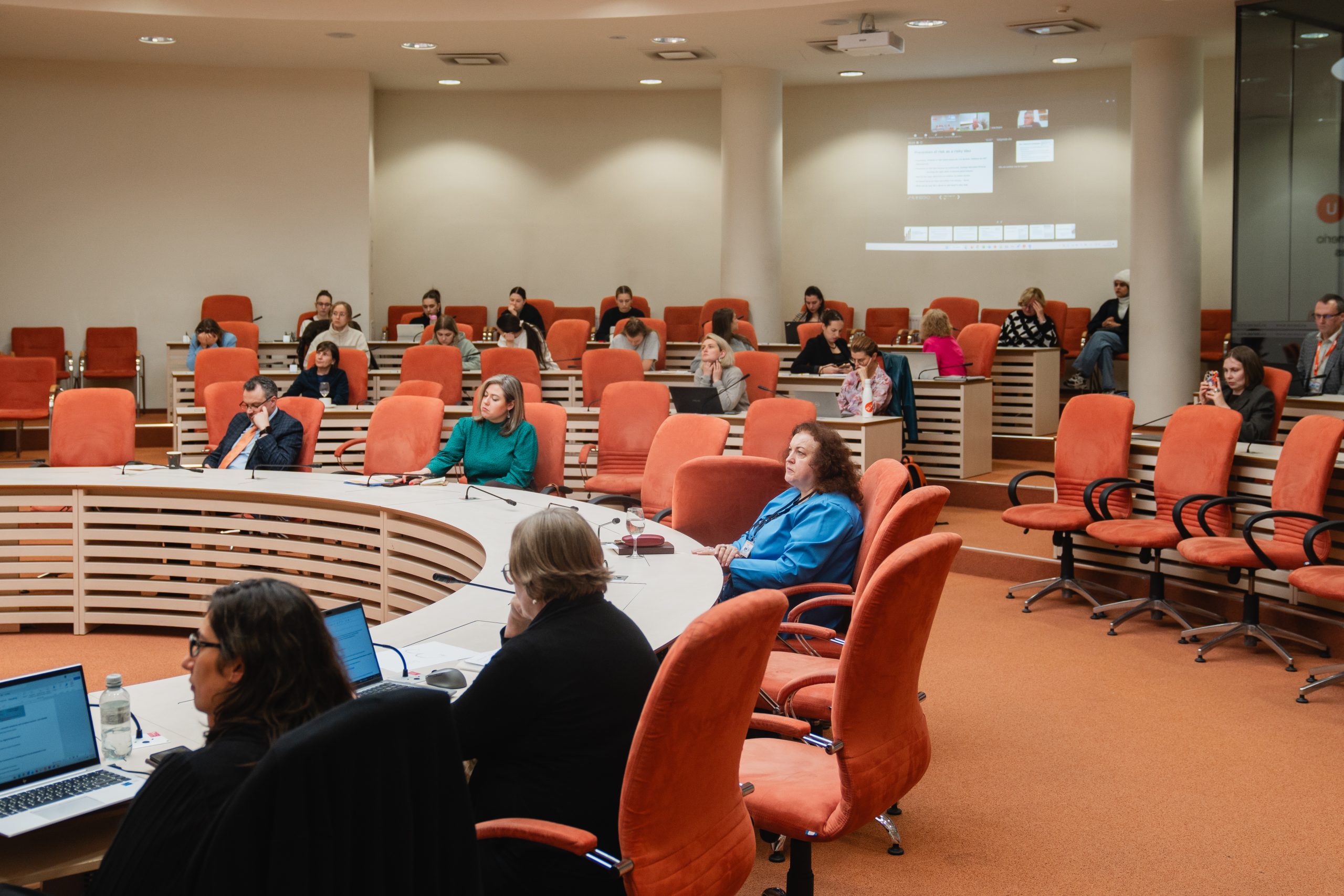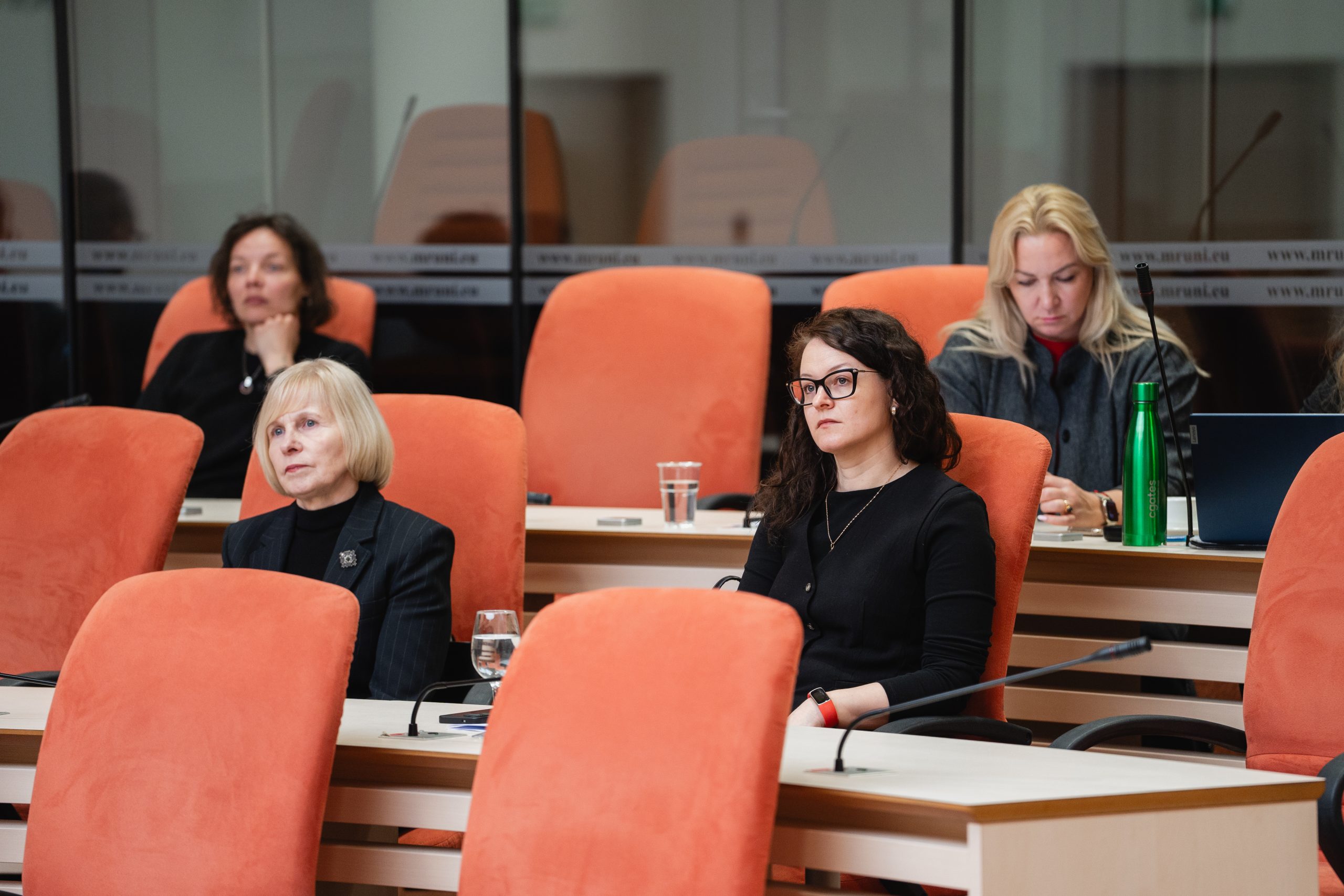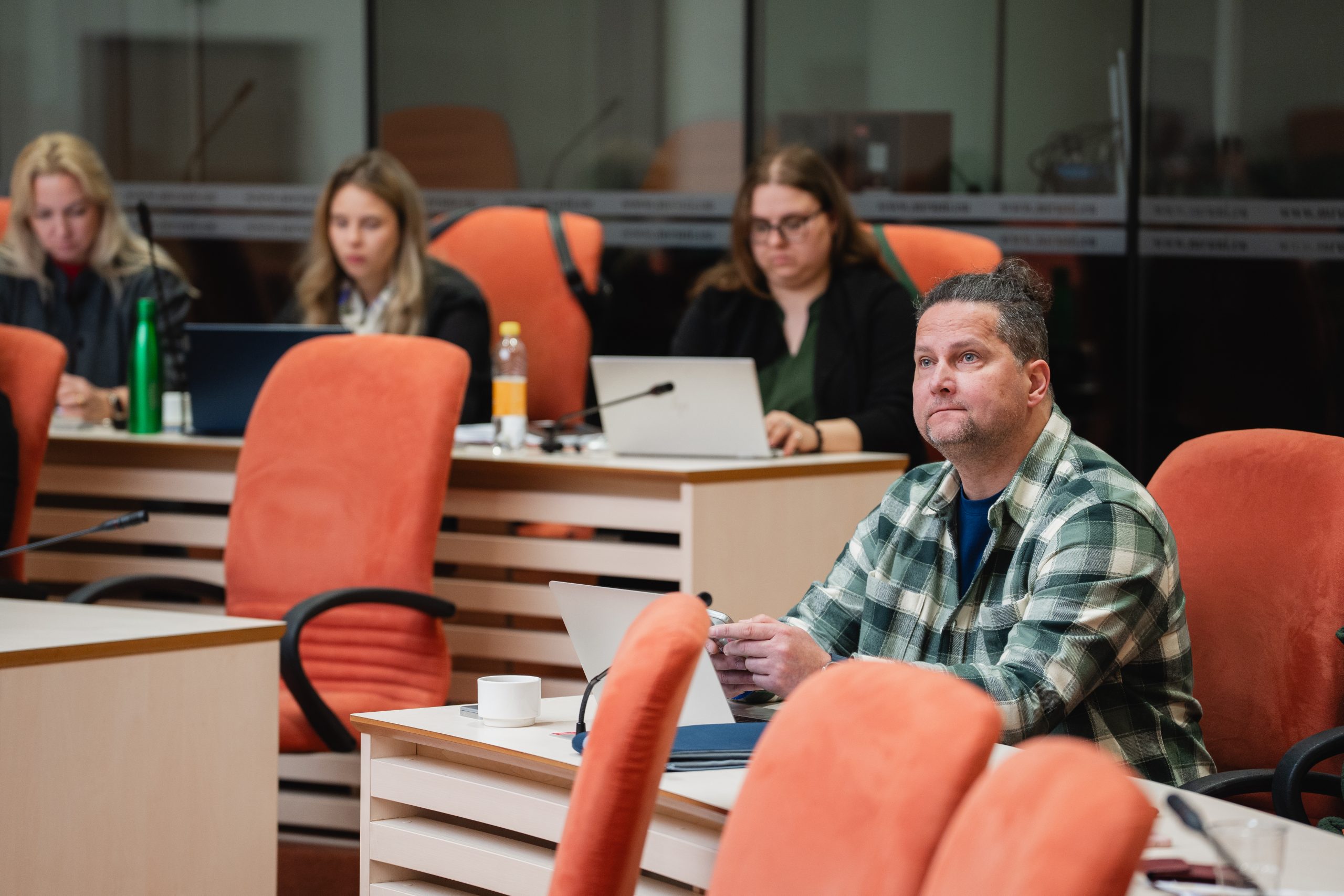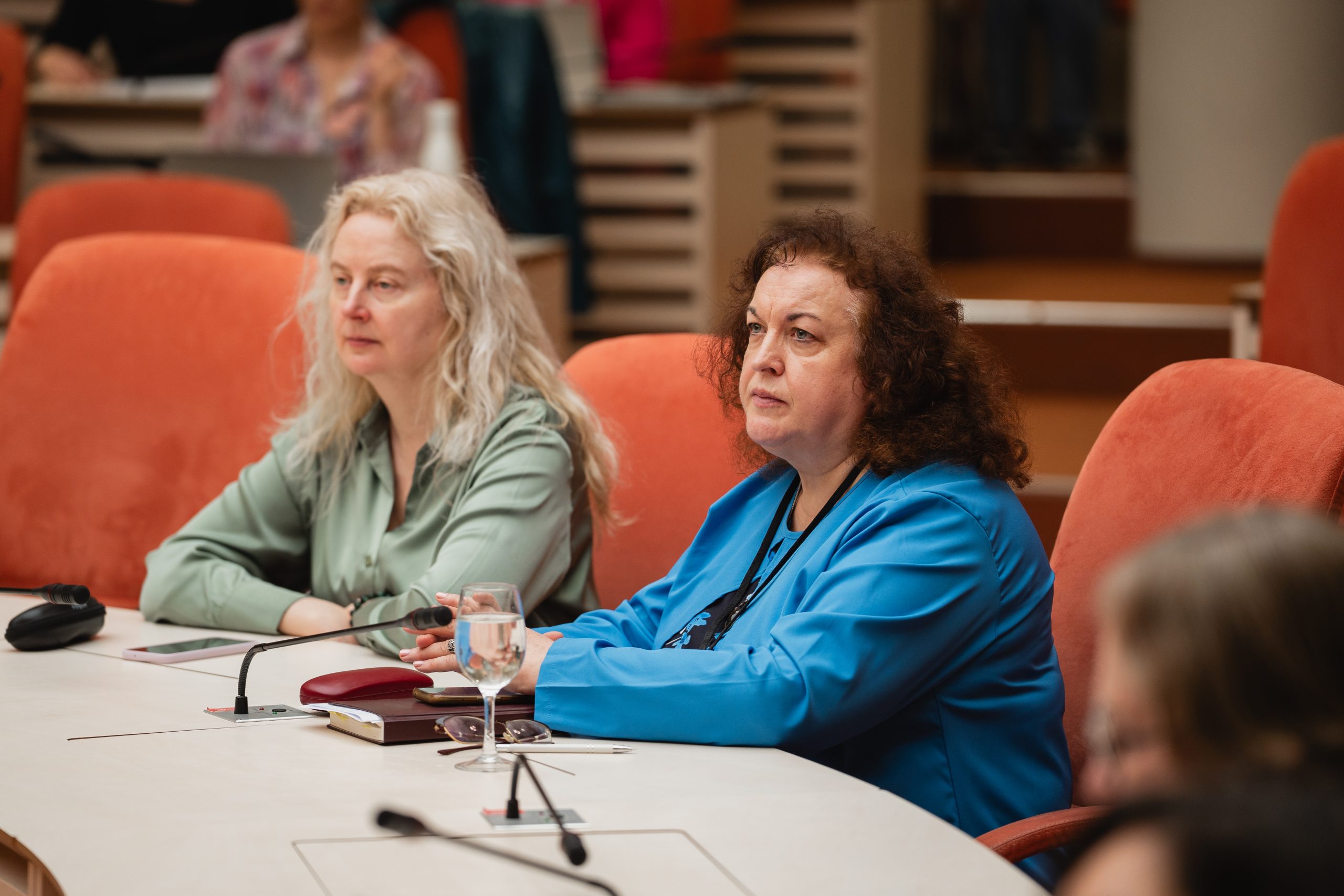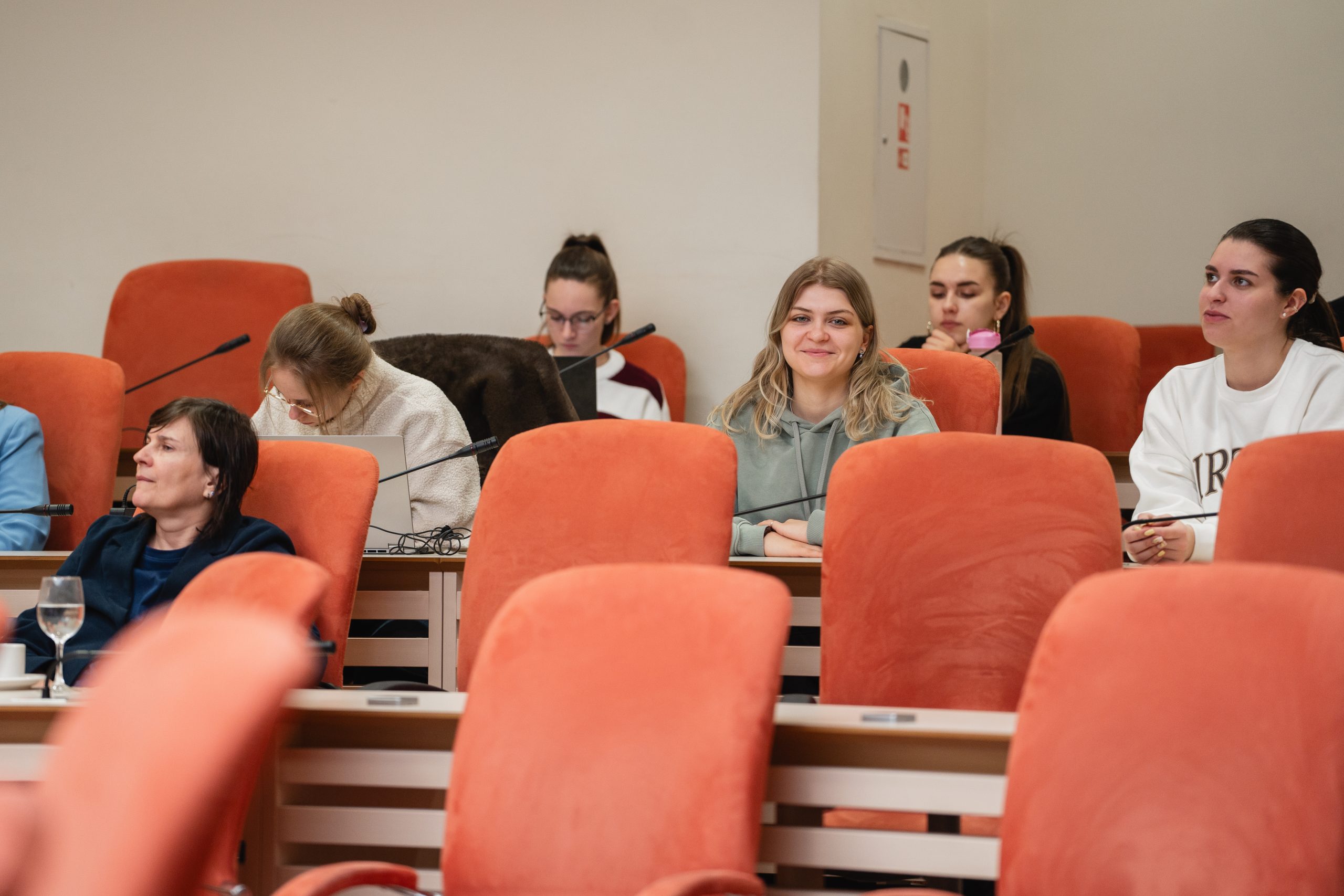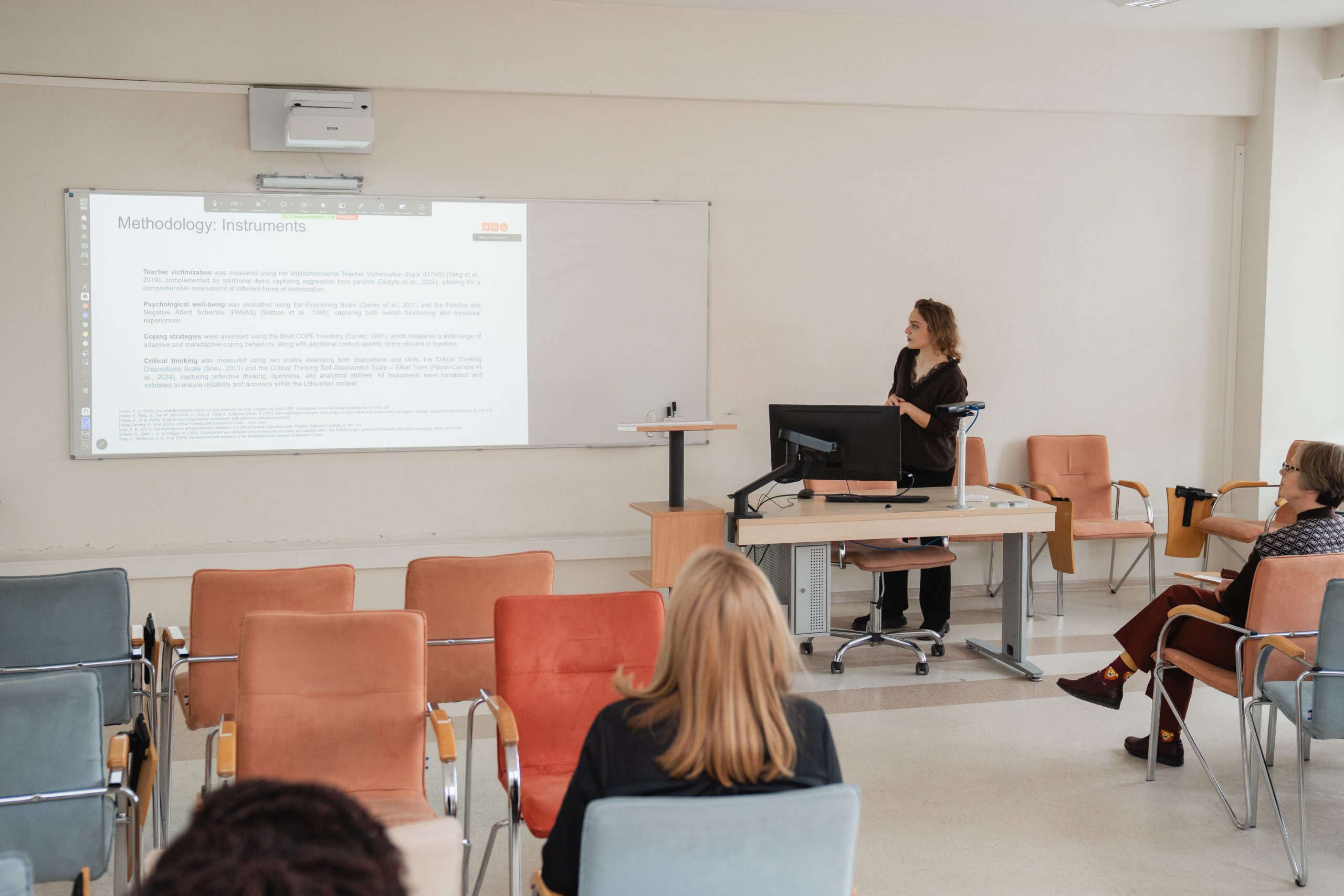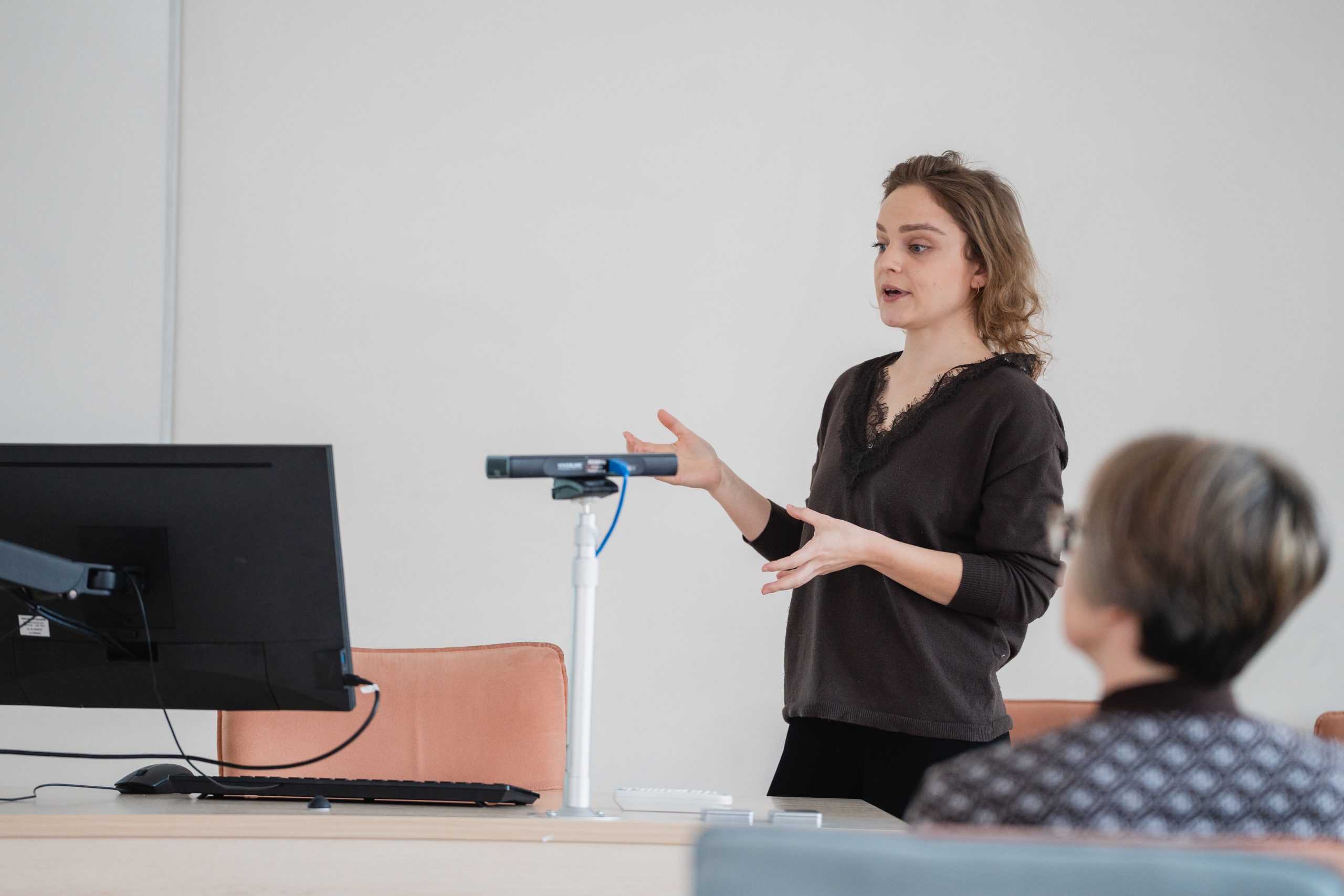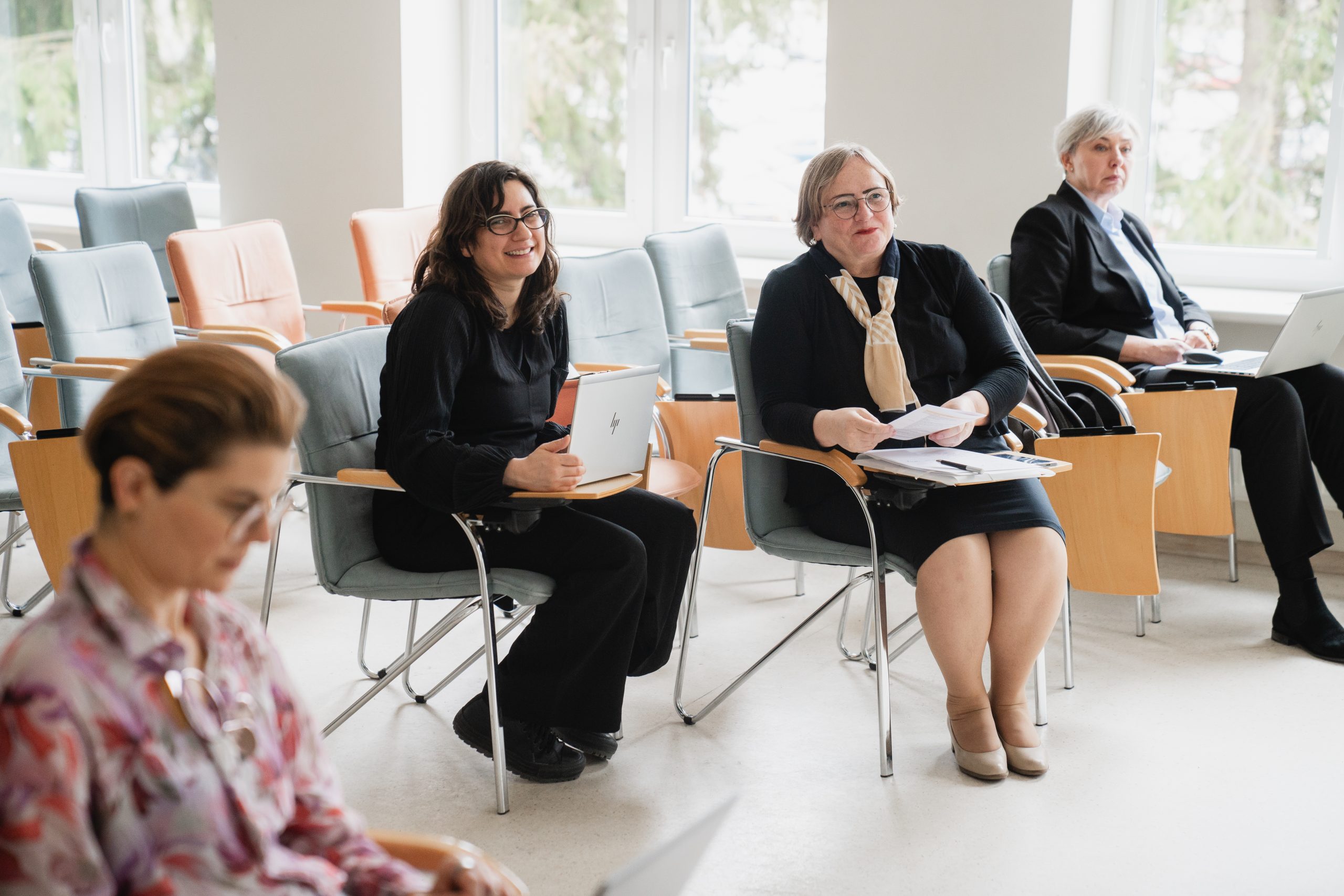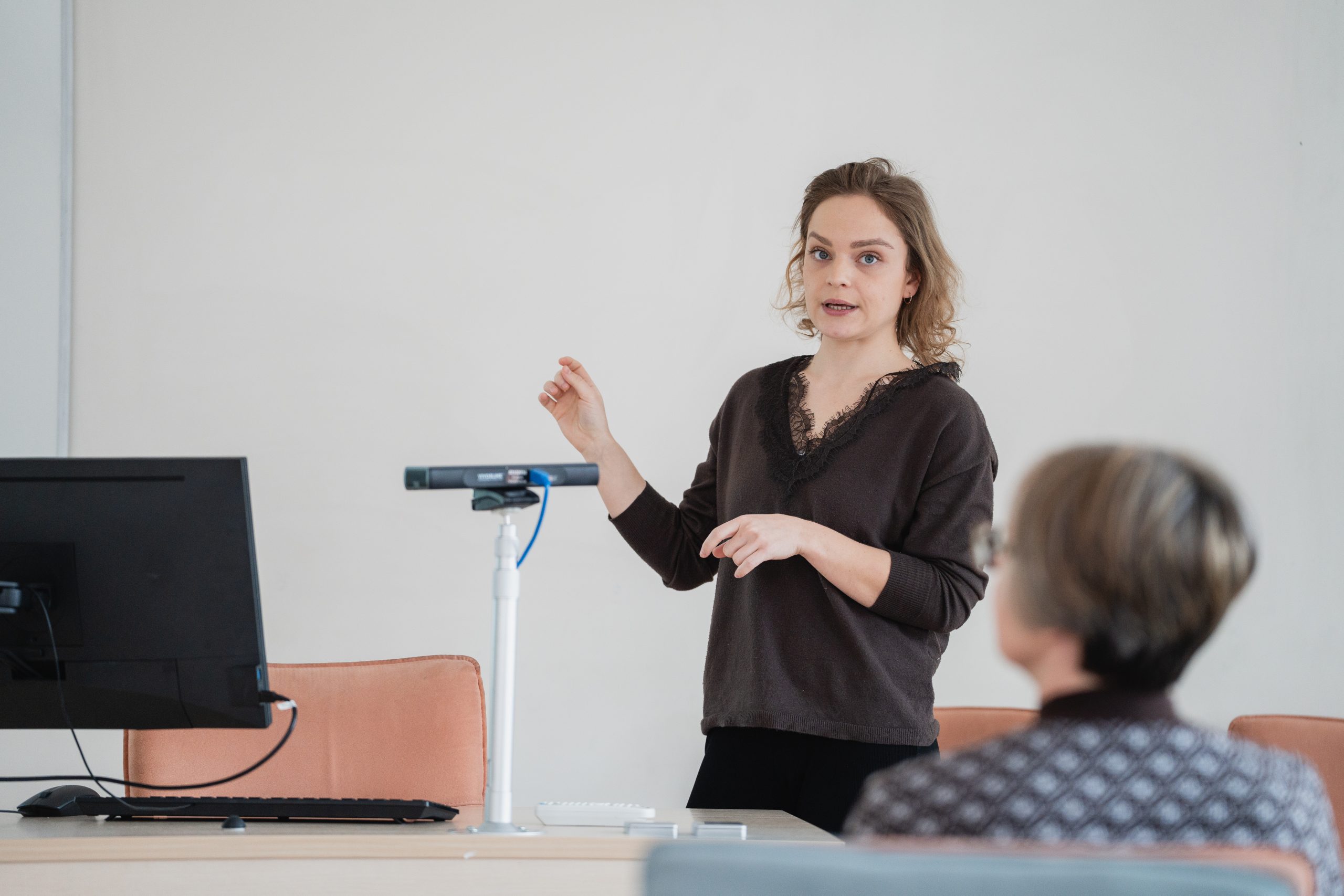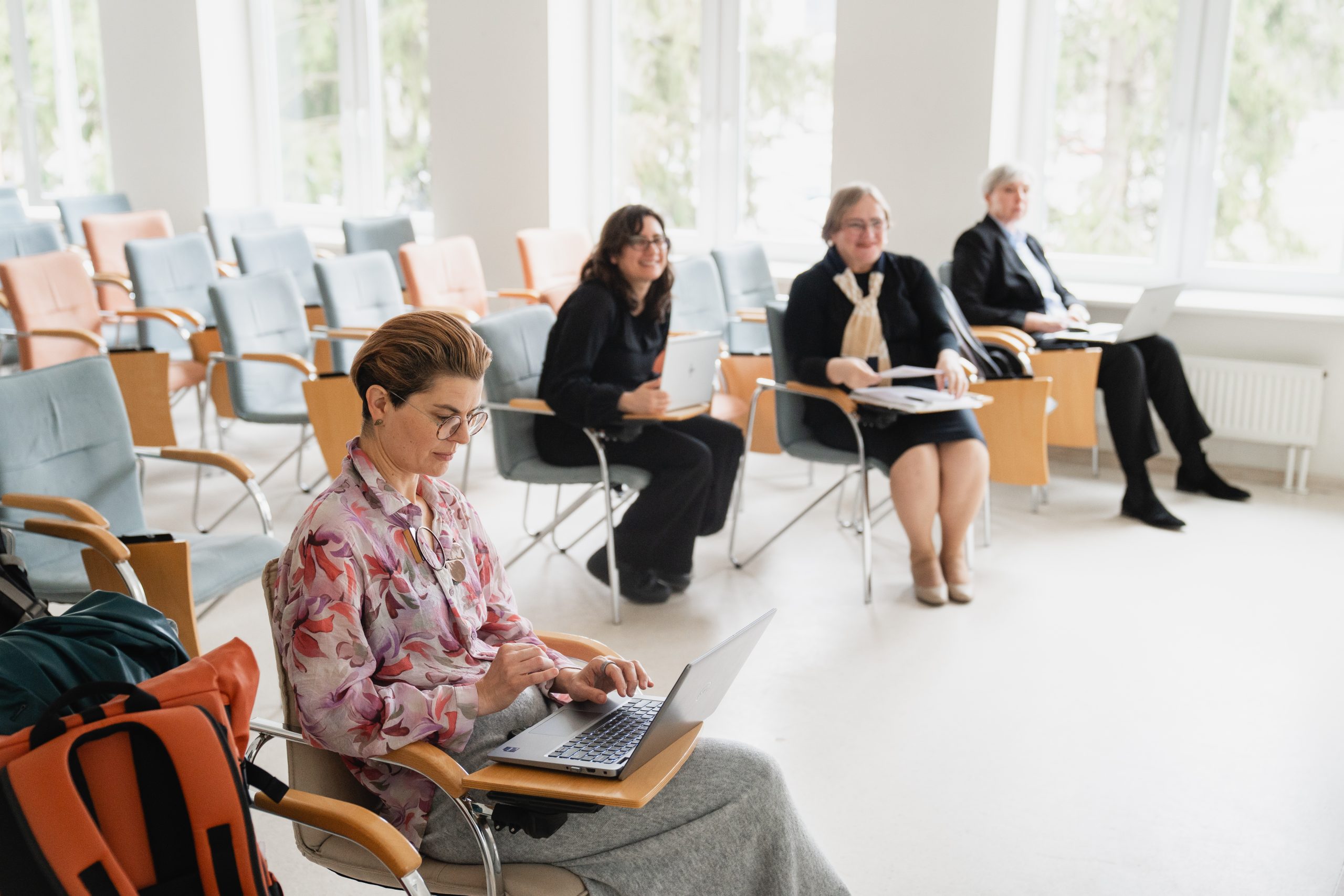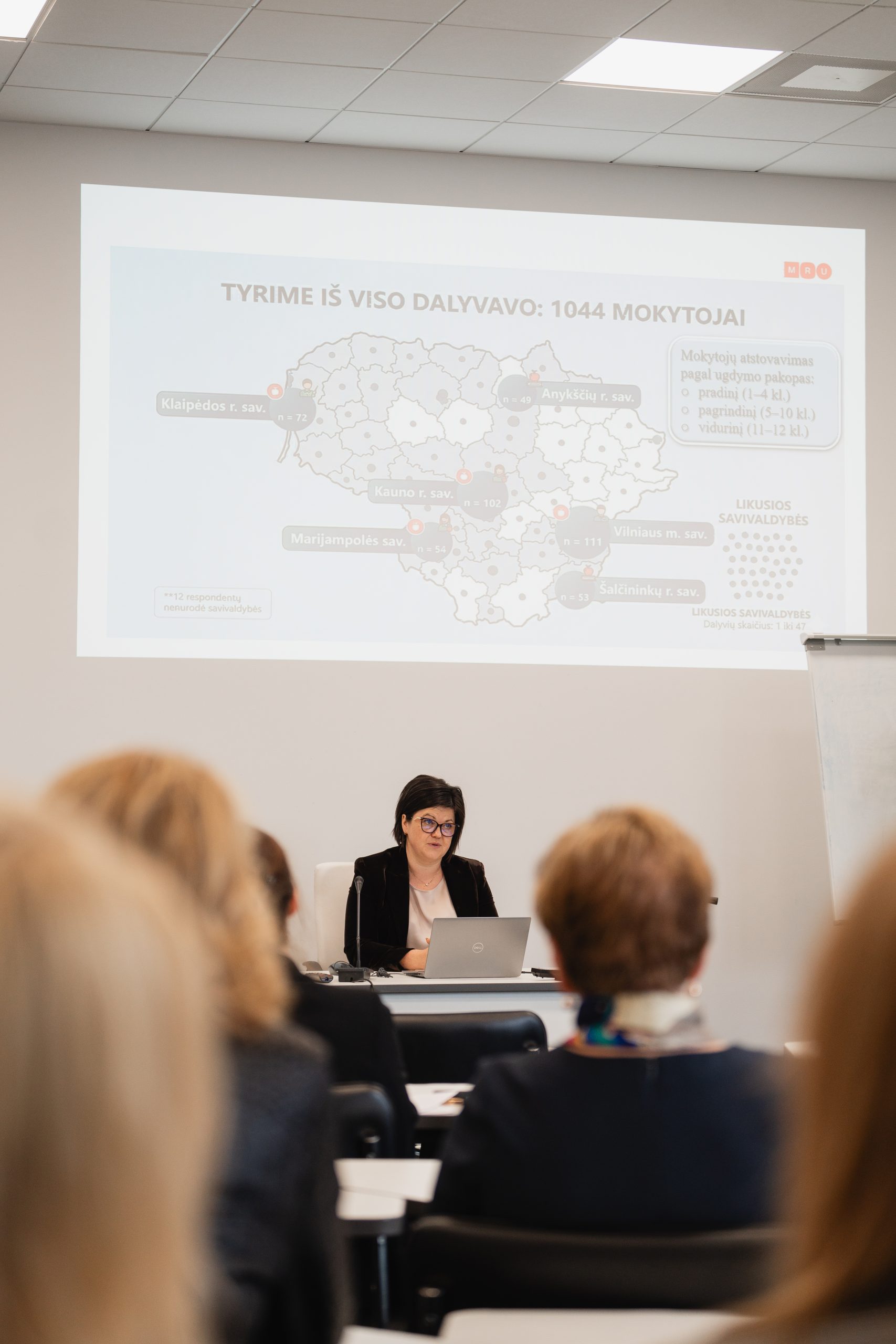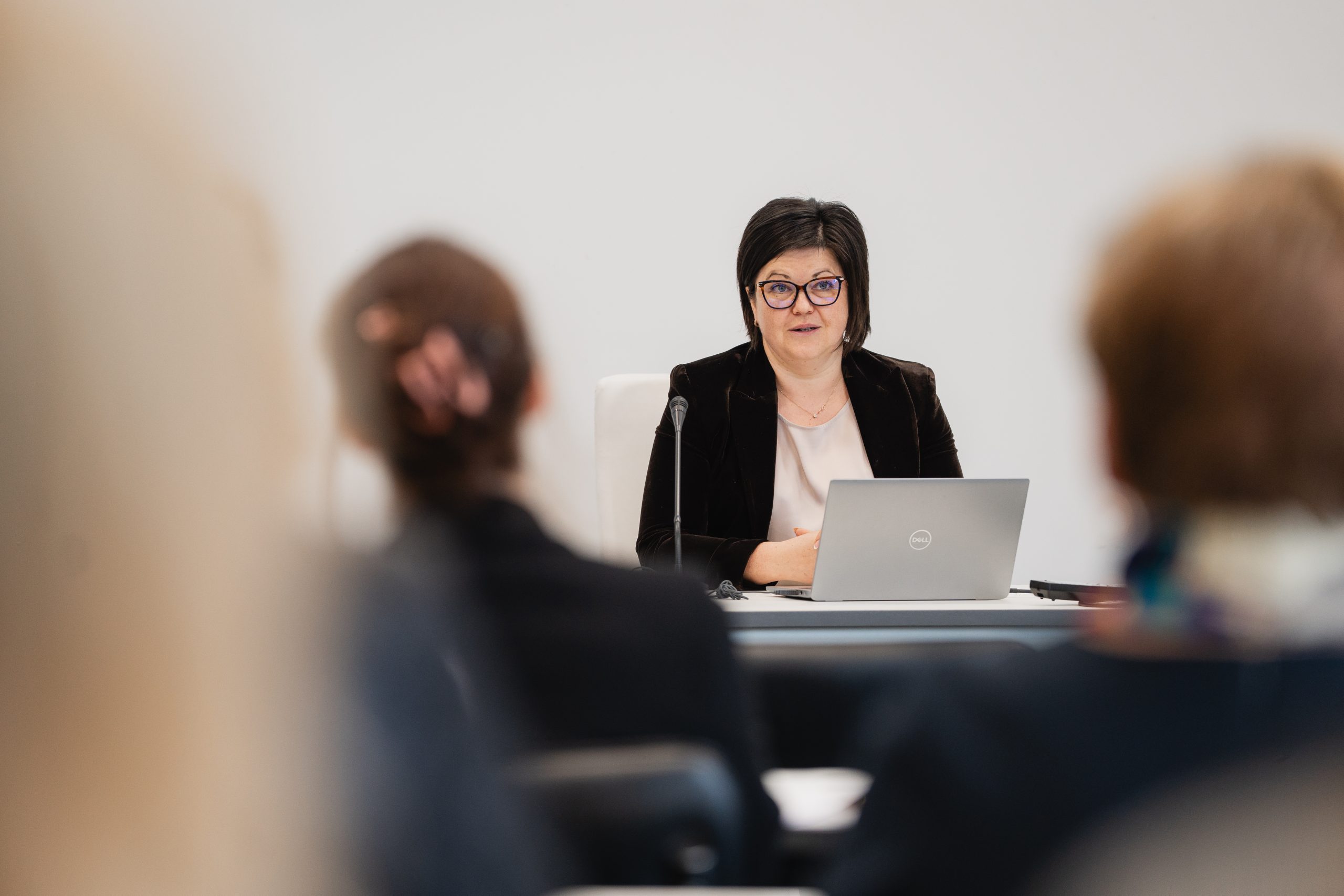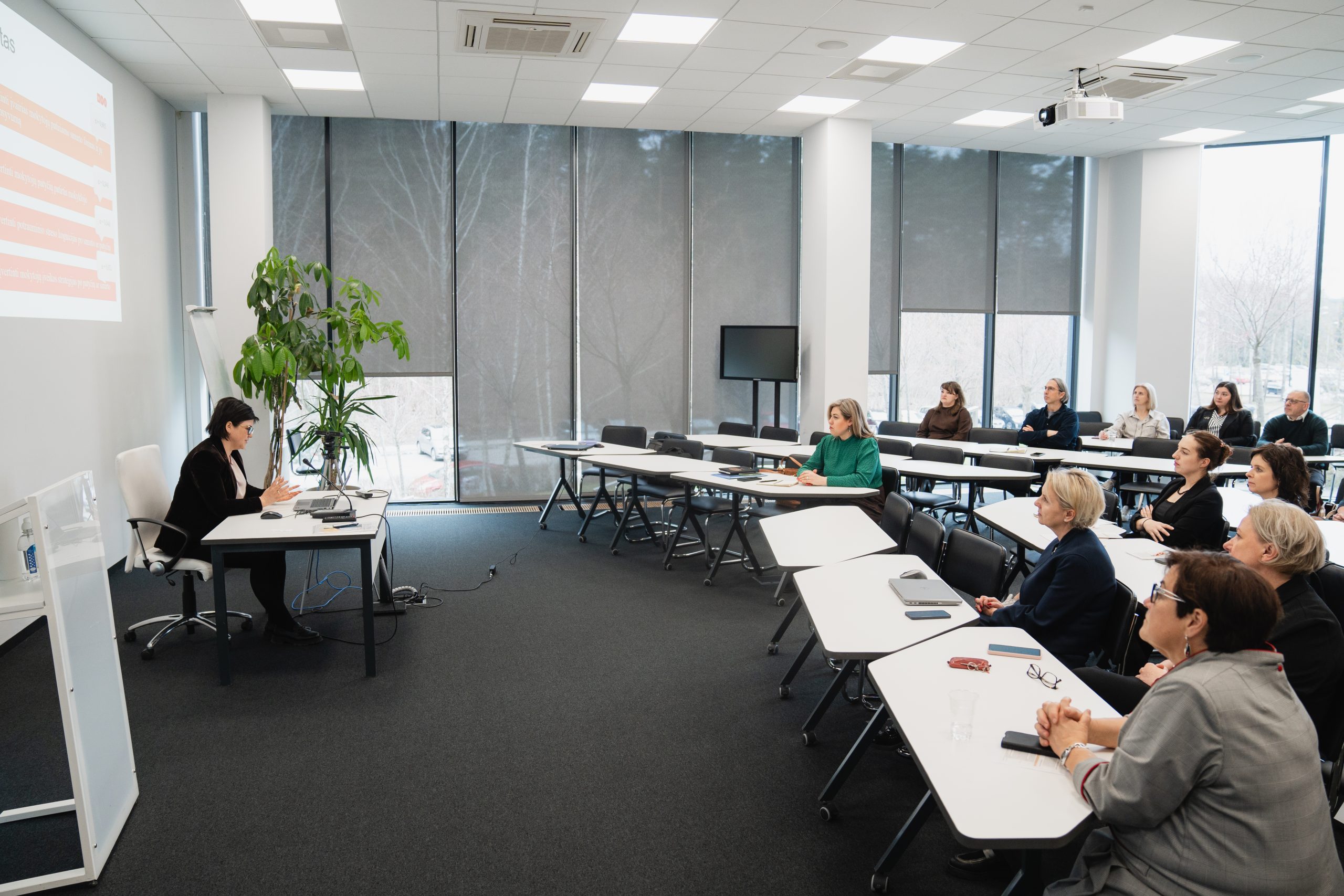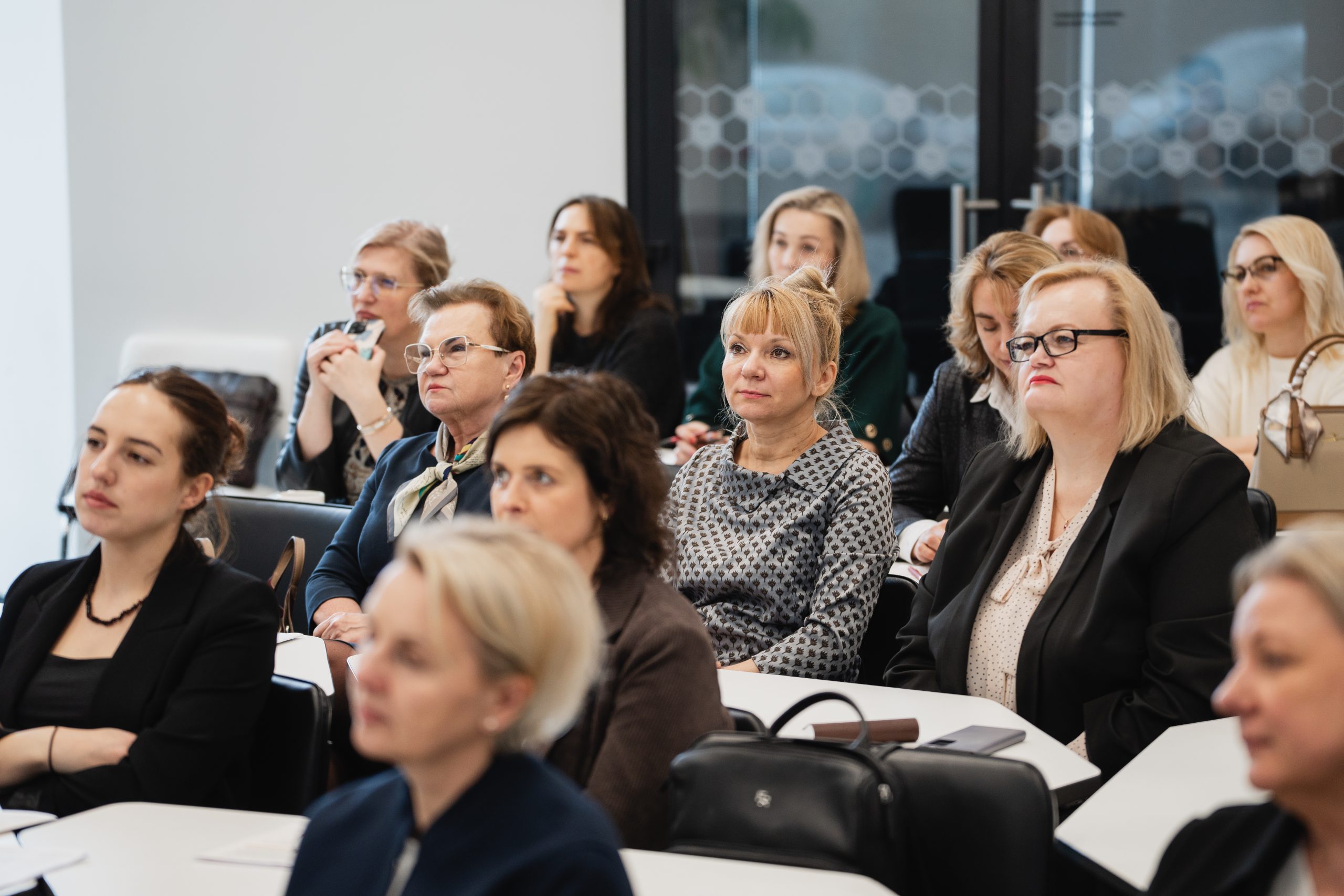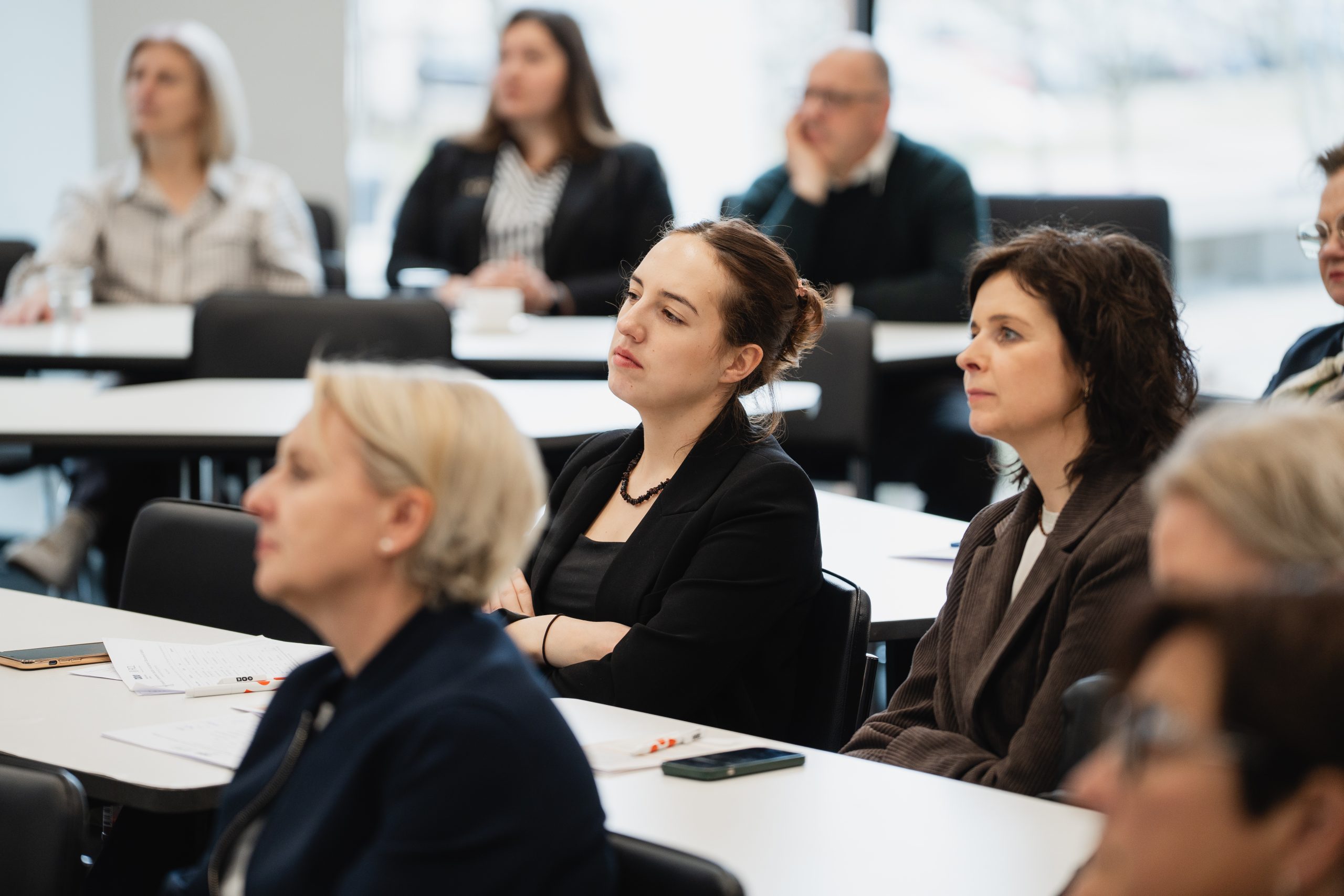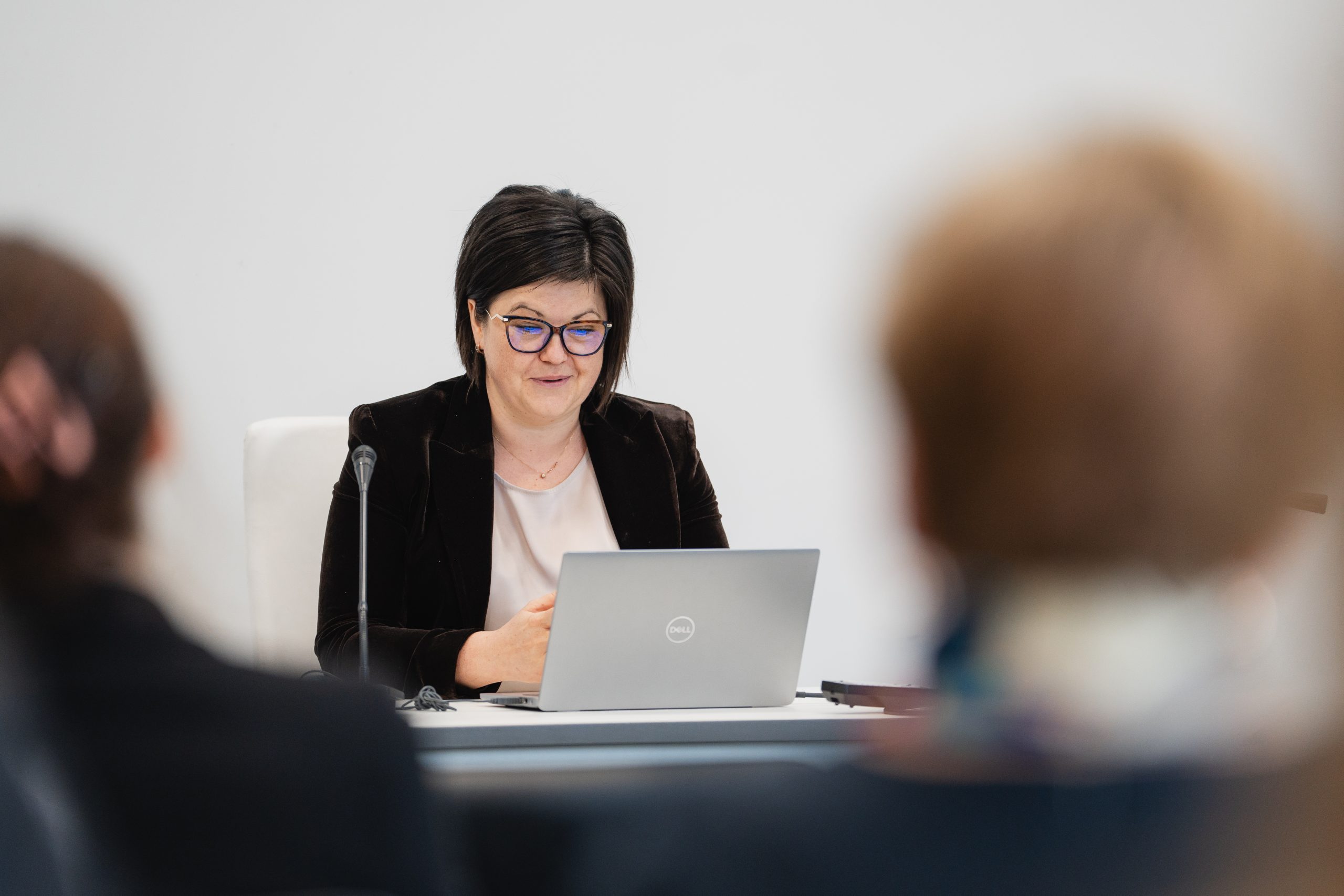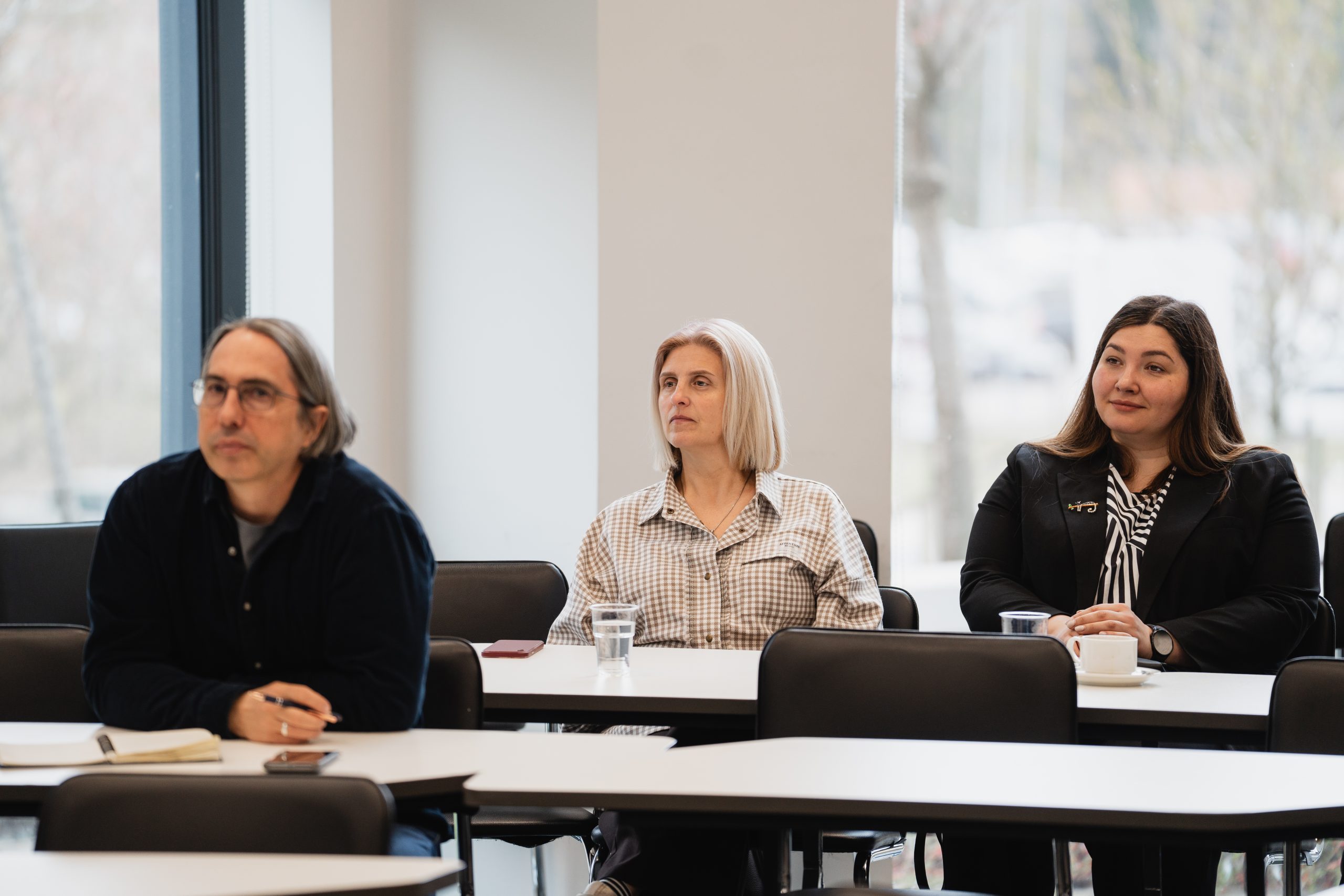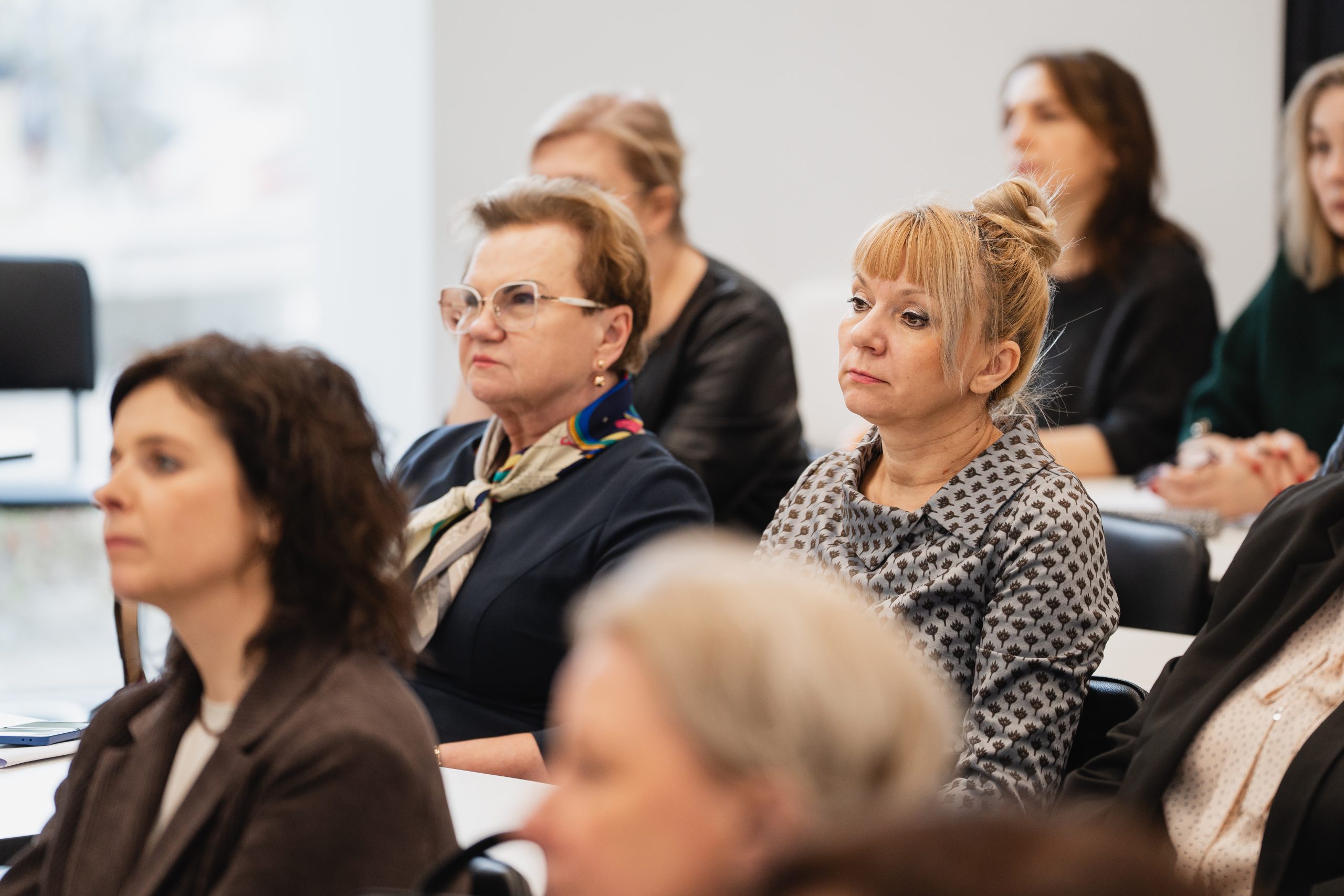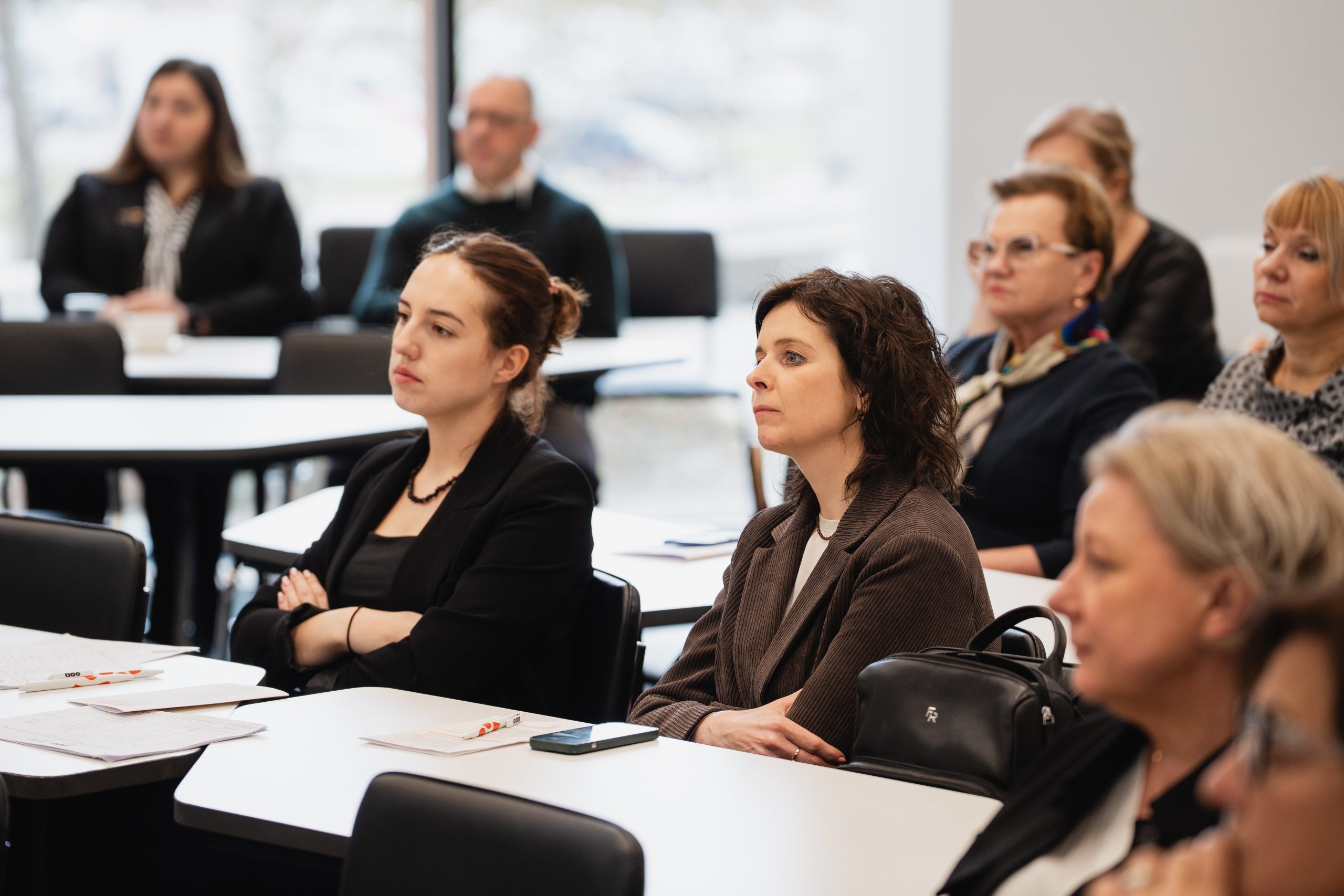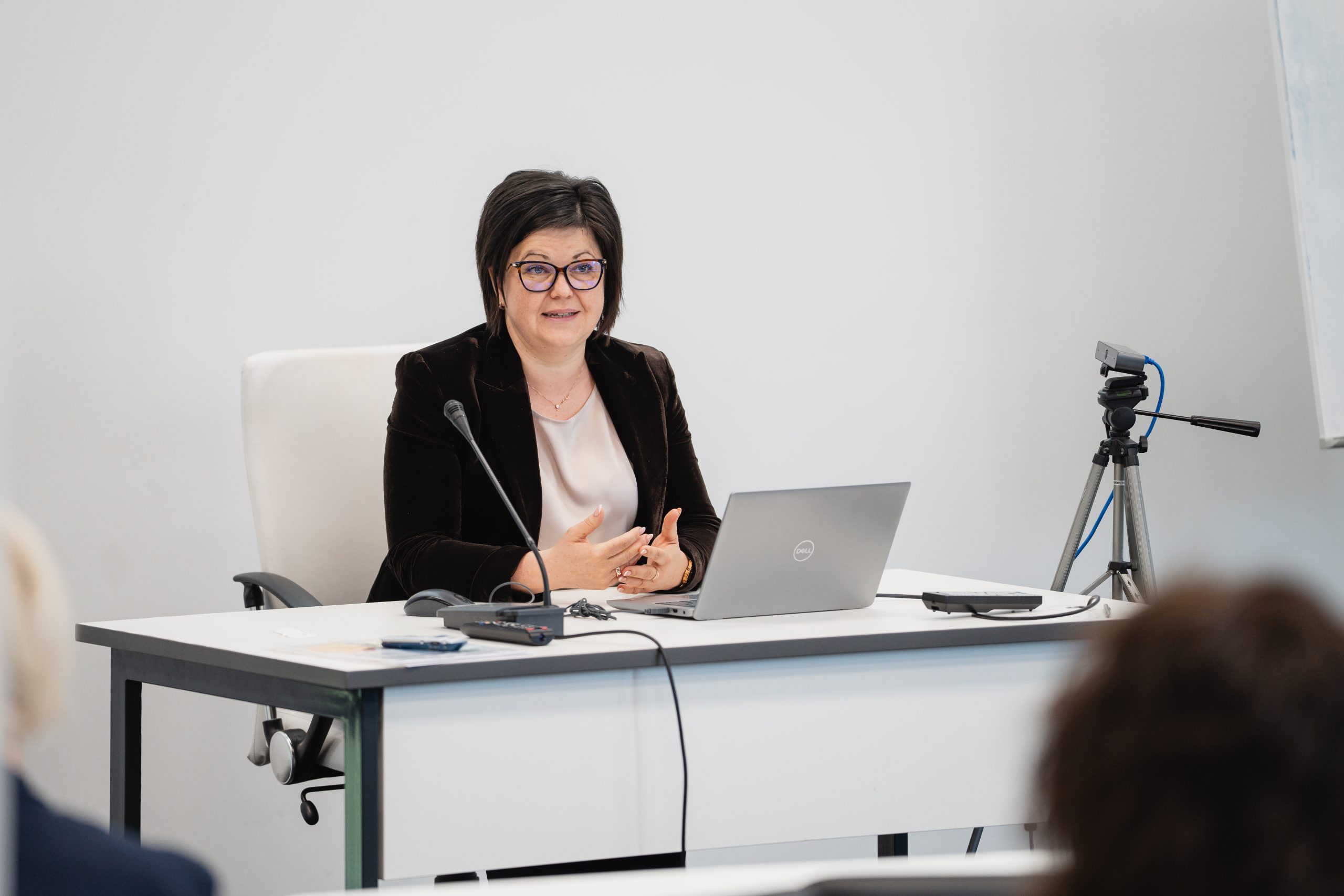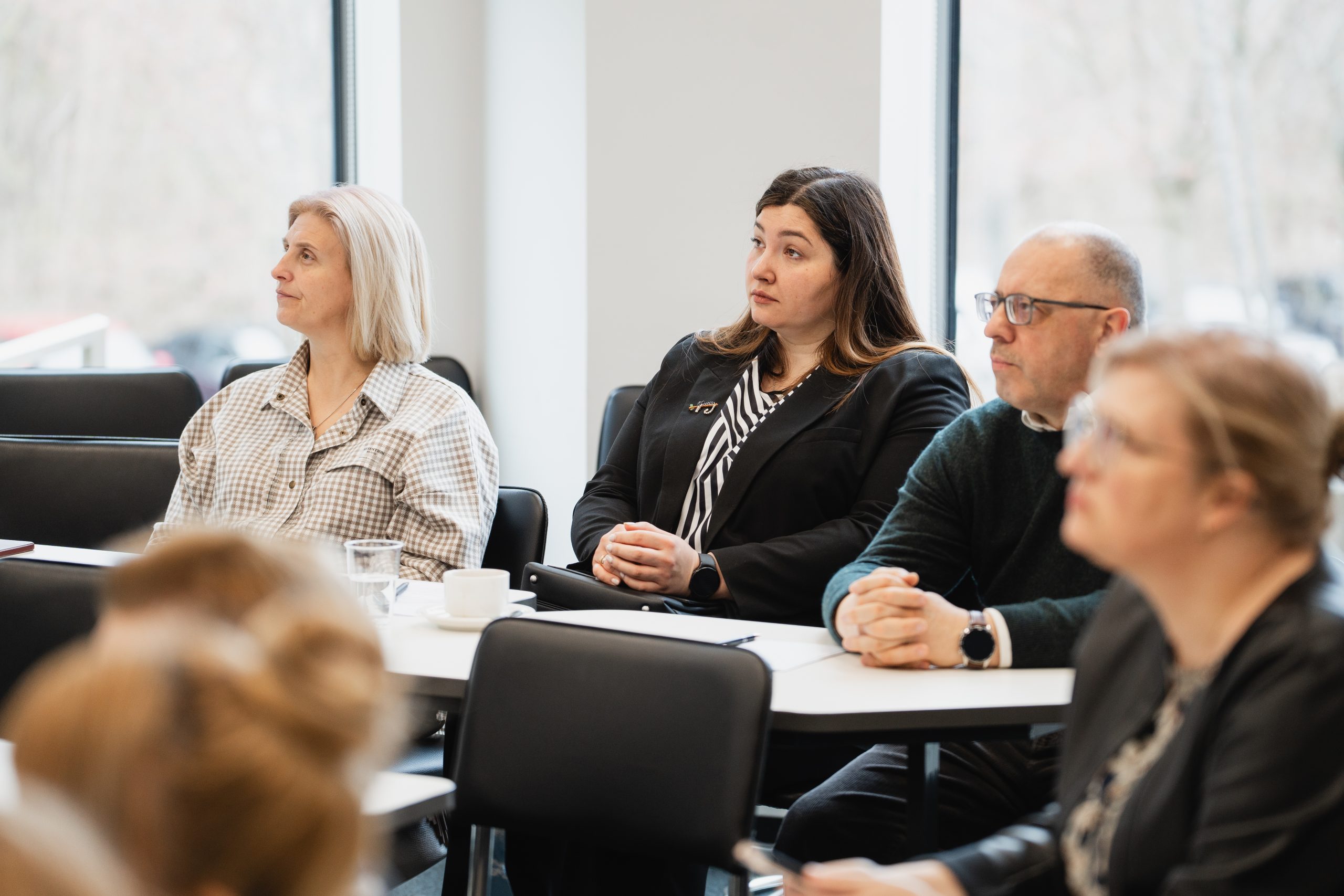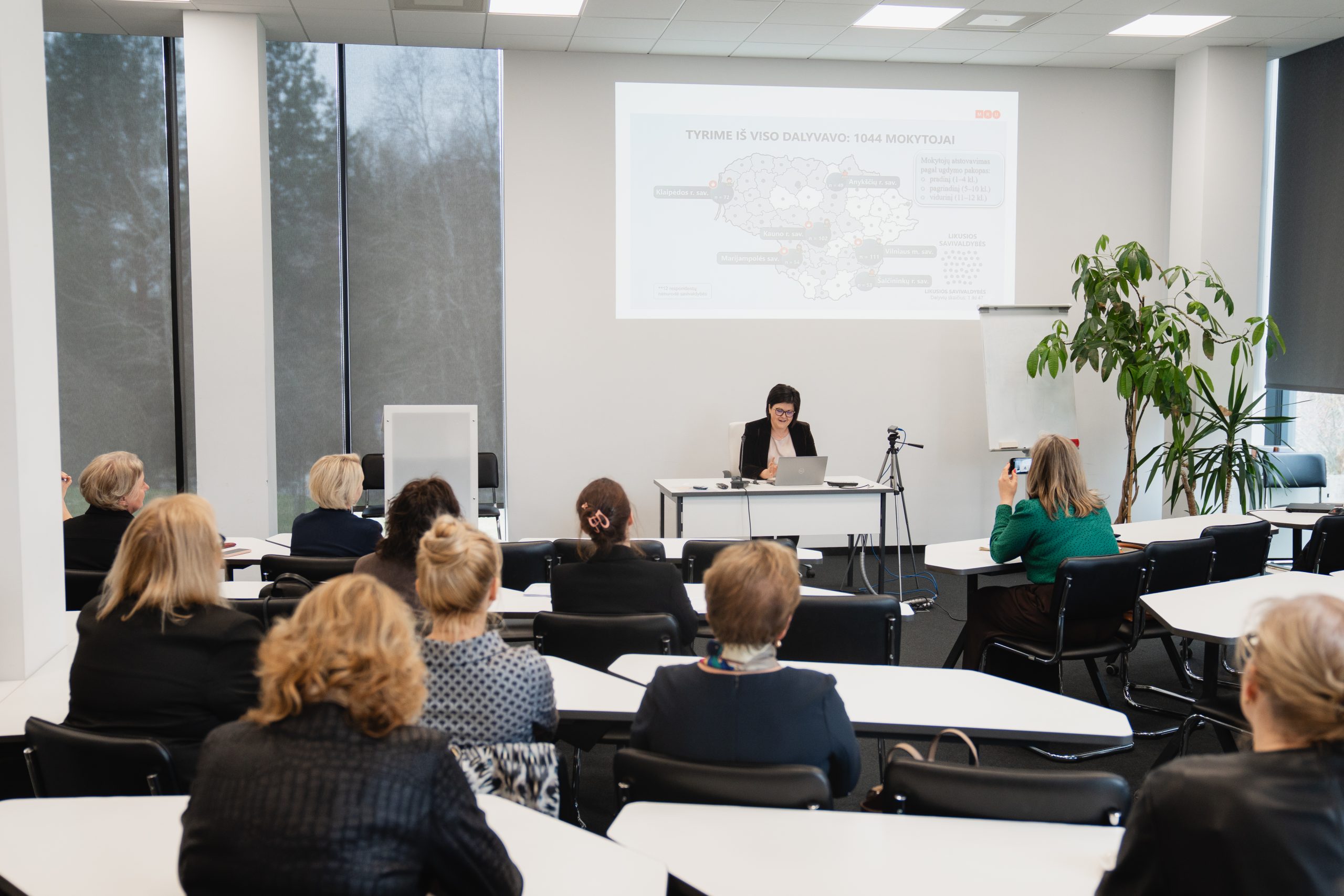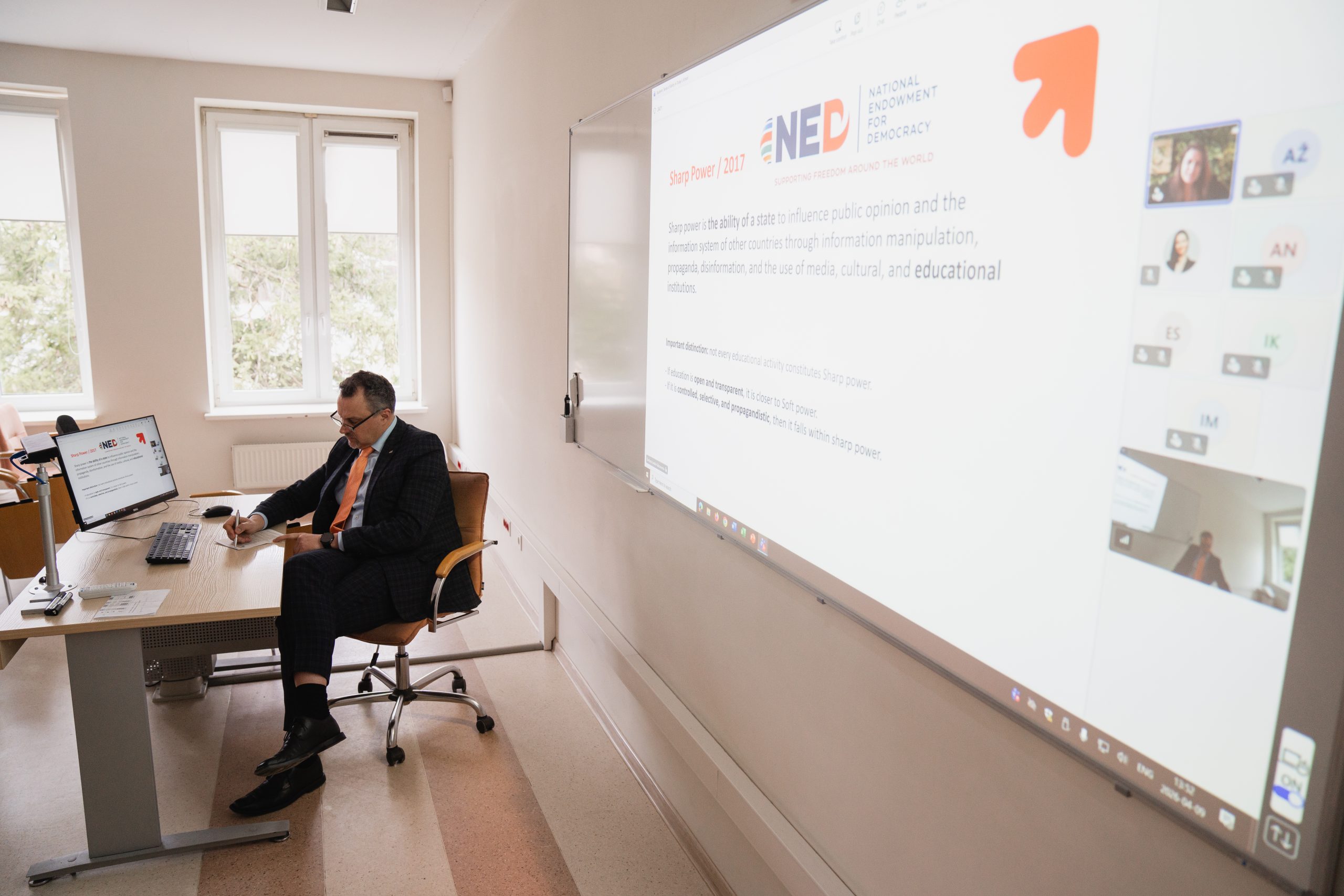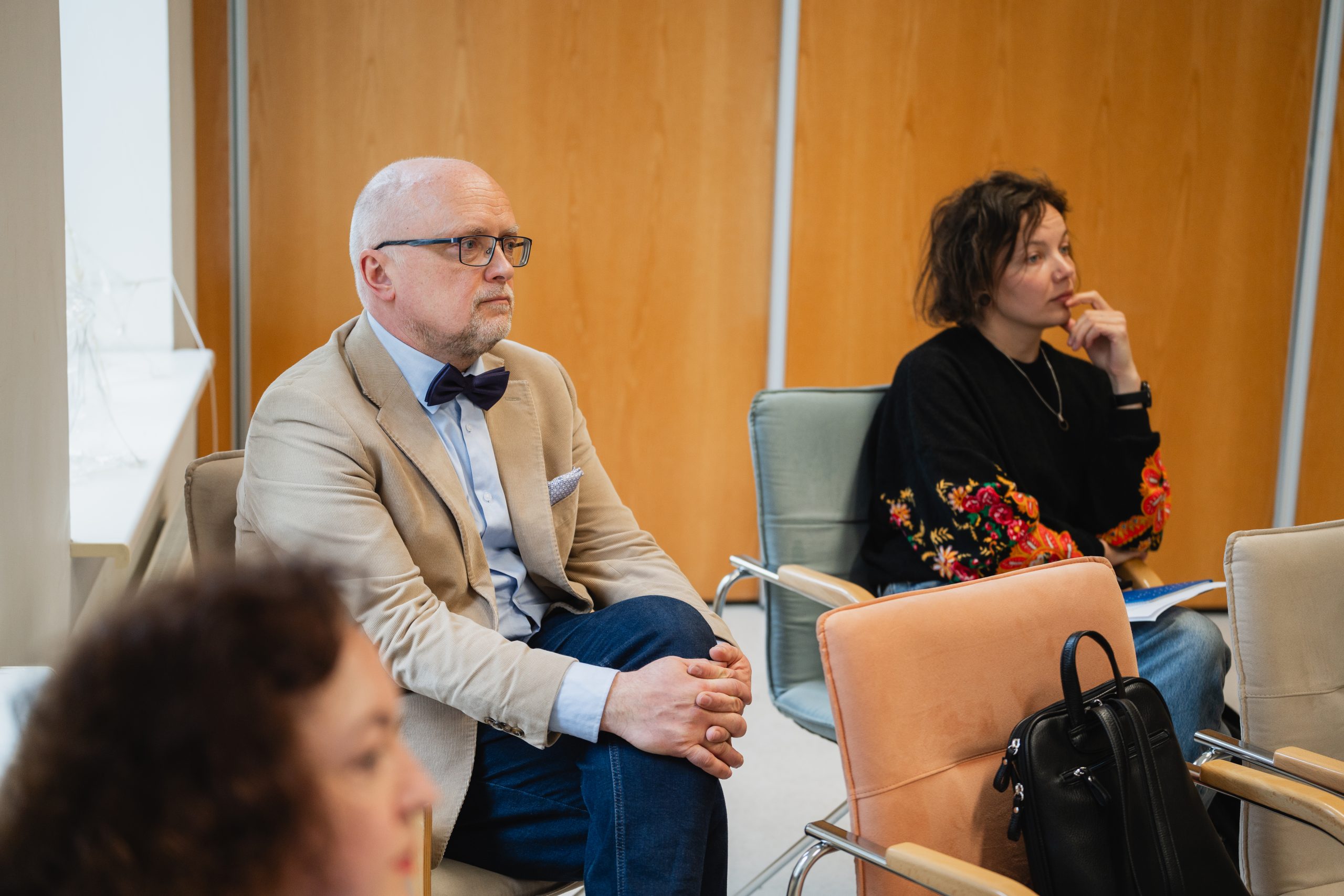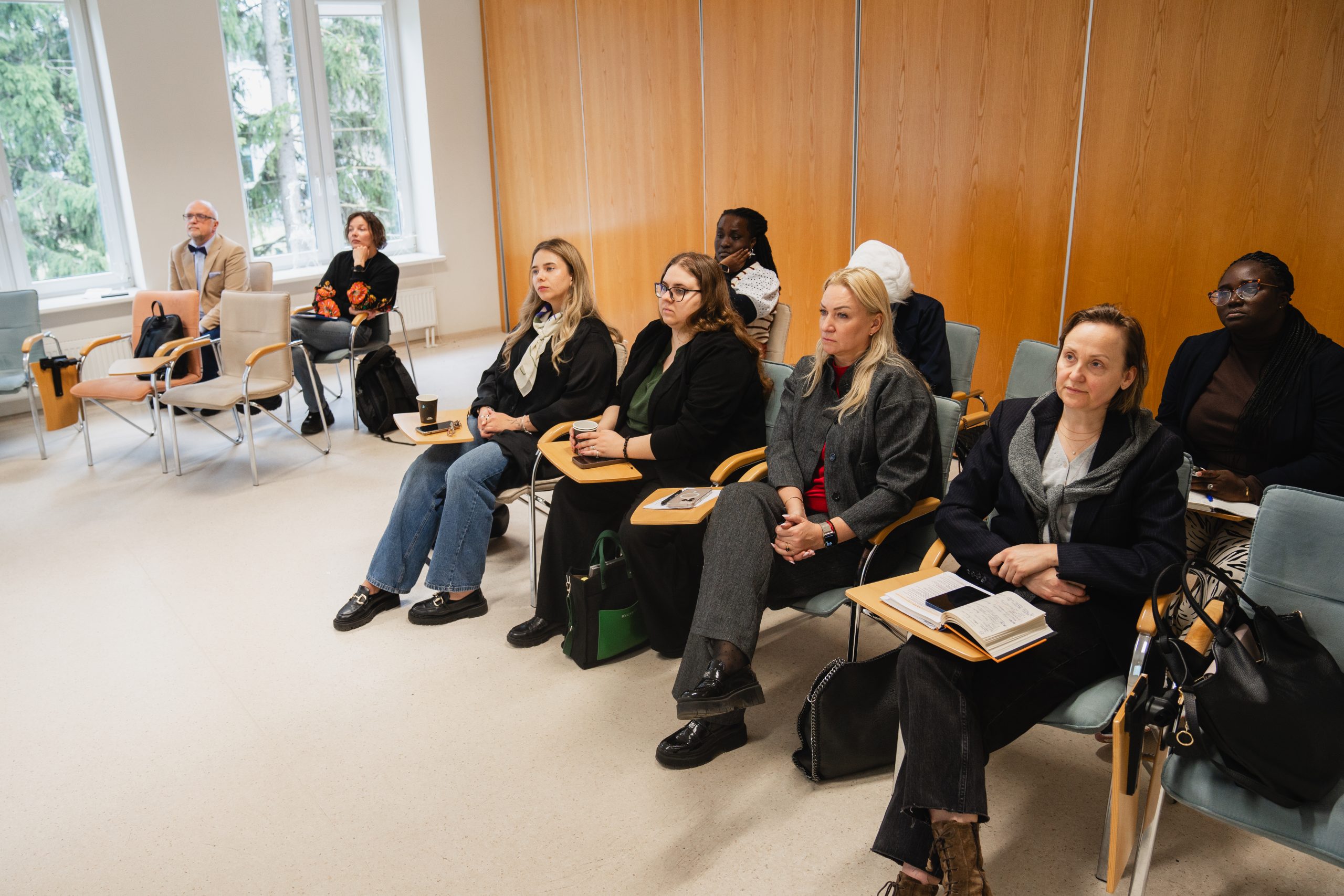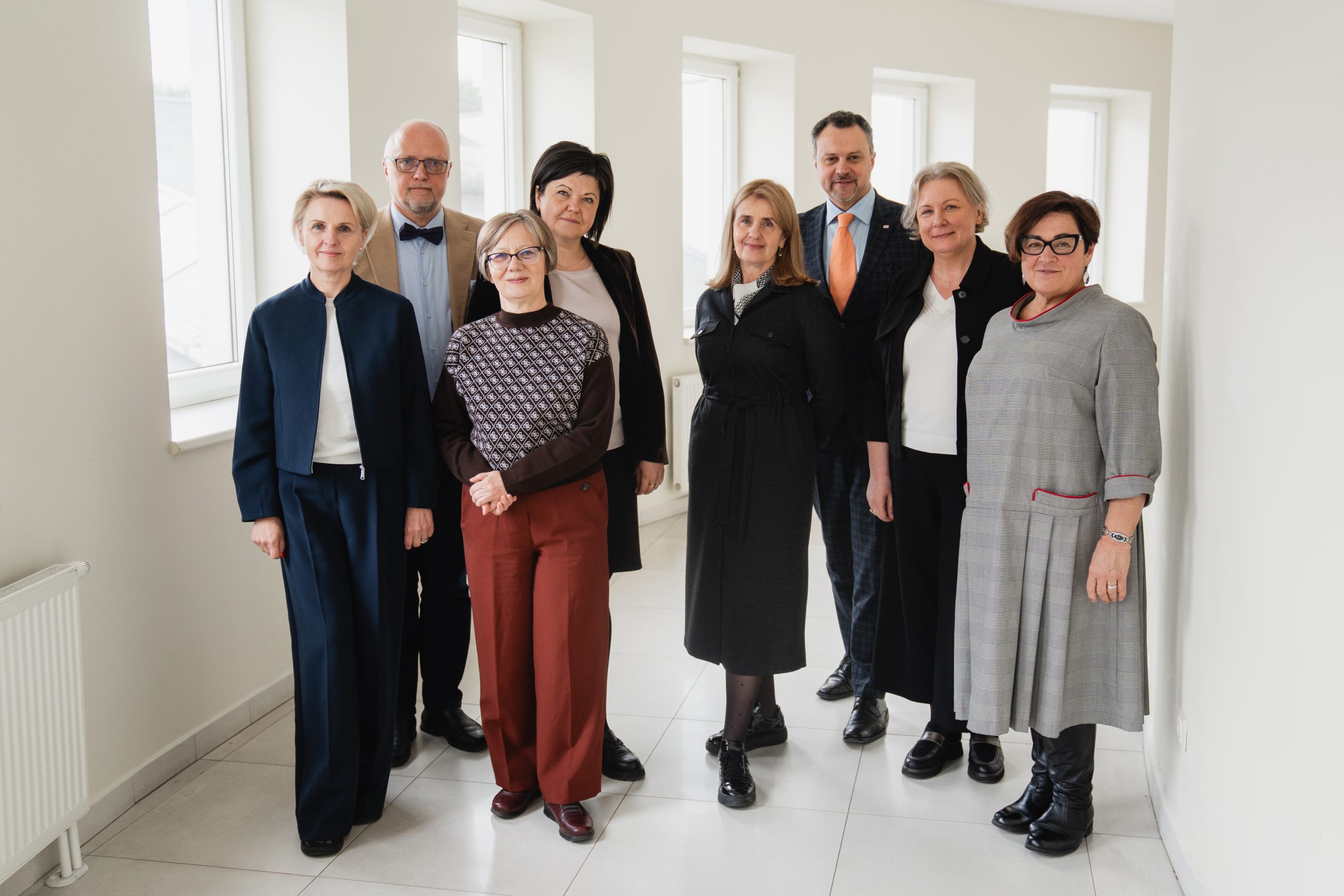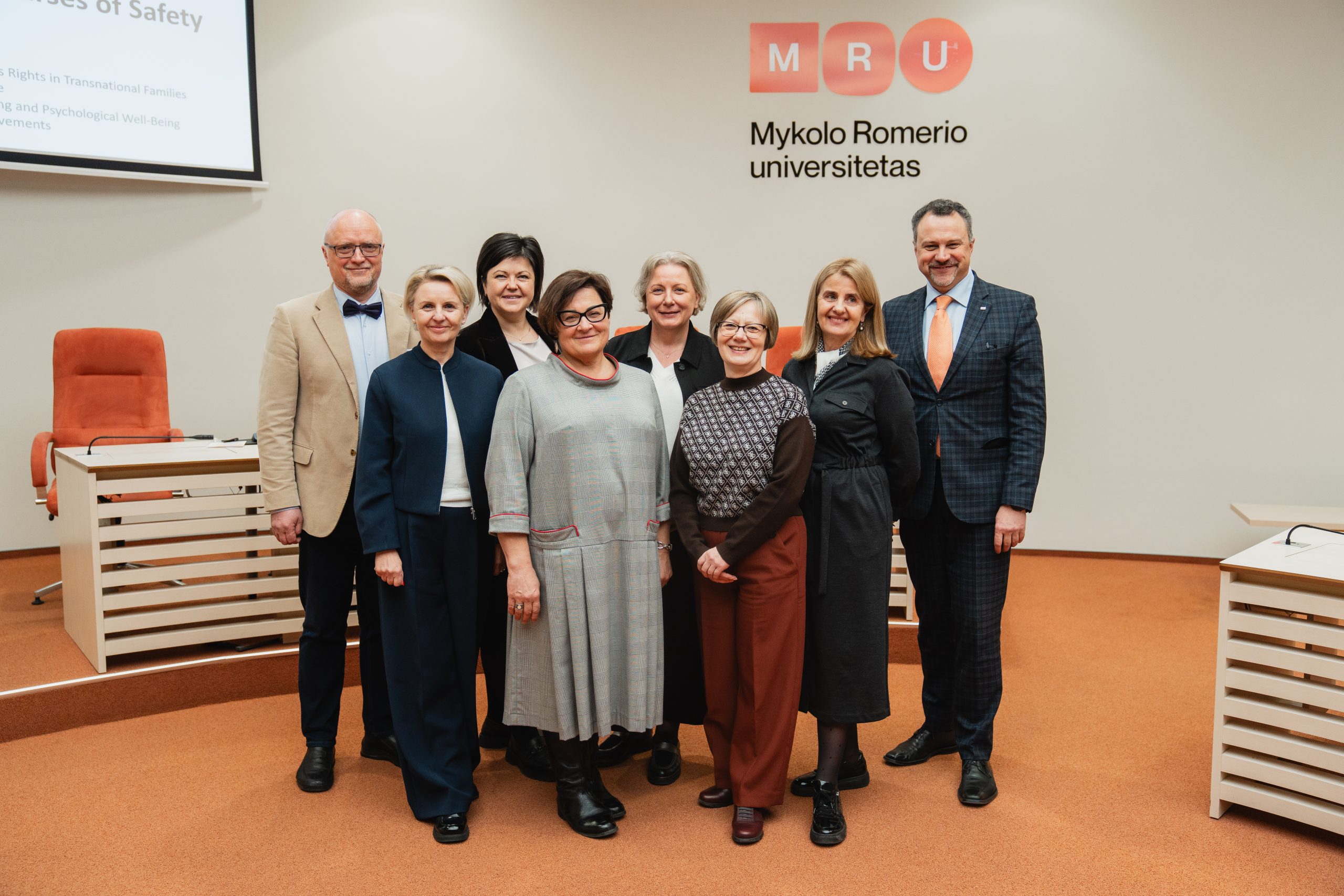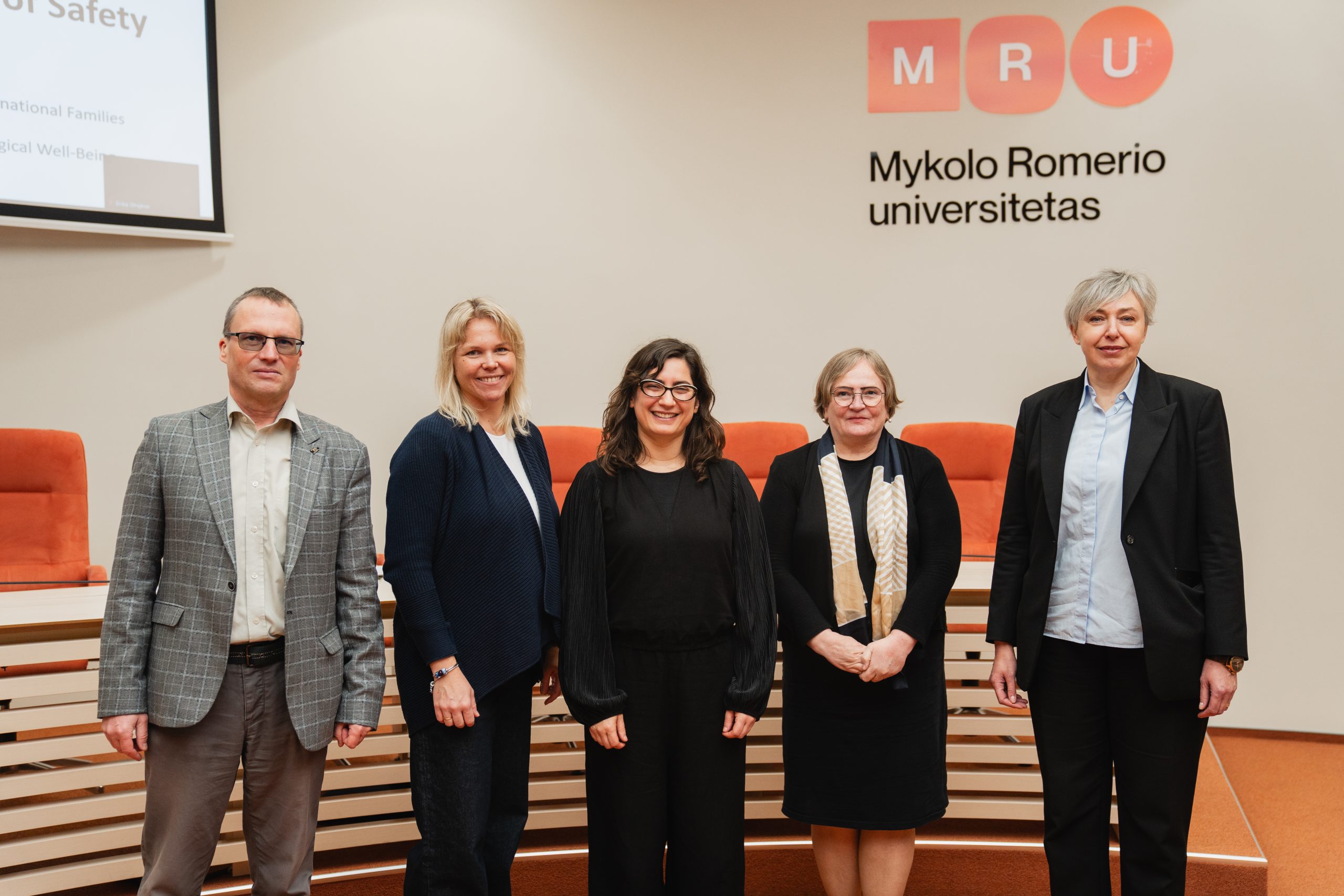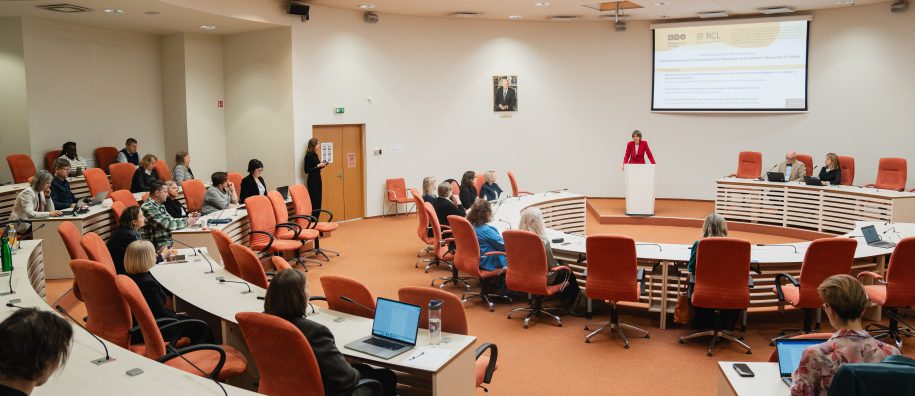
On April 9, an international scientific conference “From Victimisation to Empowerment: Educators’ and Learners’ Discourses of Safety” was held at Mykolas Romeris University (MRU). Lithuanian and foreign scientists, researchers and educational practitioners from Poland, Israel, Slovakia, Belgium and Portugal presented the latest research and discussed one of the most relevant topics of today – the safety of students, teachers, their well-being and empowerment in educational environment.
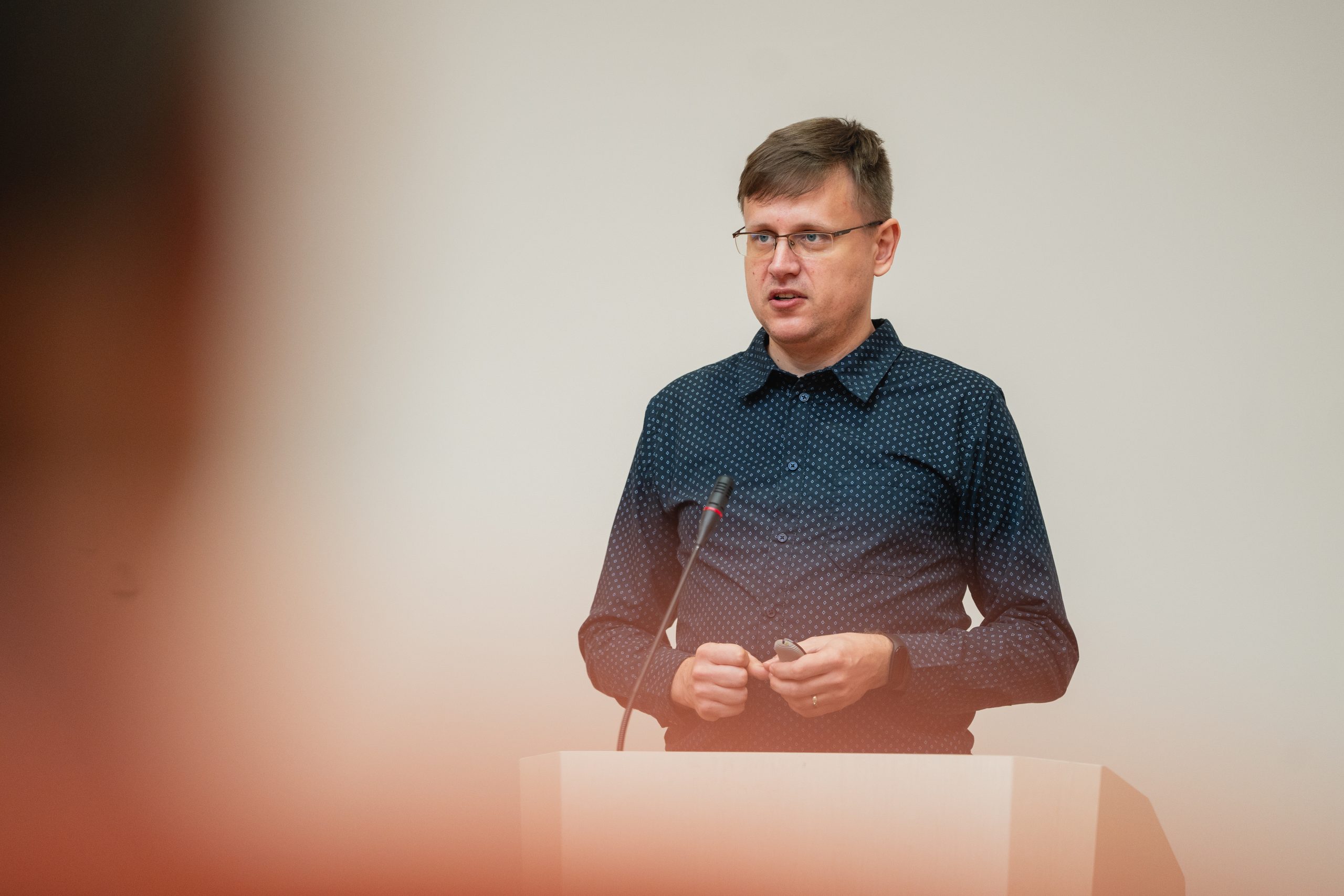
“Today, we have gathered here not only to present the latest research or to share professional insights. We have come together to address one of the most sensitive and important issues in contemporary education: the question of human safety in the educational environment. We are here to reflect on safety that begins with the right to be heard, respected, and seen. Safety without which neither high-quality learning, nor meaningful education, nor a respectful academic and social community can truly exist,” said MRU Vice-Rector for Science and Innovation Dr. Eglė Malinauskienė.
It is highly symbolic that the title of this conference reflects a journey — from victimization to empowerment. These are not merely academic concepts. They represent a value-based perspective. They invite us not to stop at identifying problems, but to seek solutions, foster change, and strengthen both the individual and the community.
Dr. E. Malinauskienė also emphasized that in today’s world, where education is increasingly confronted with the challenges of war, migration, social exclusion, digital threats, and emotional strain, our responsibility is not only to analyse vulnerability, but also to cultivate resilience, solidarity, and trust. These are the issues that were examined in plenary presentations and thematic sessions.
The conference plenary sessions were focused on the analysis of the crossroads of education and security in the context of geopolitical challenges and on teachers’ professional identity in war zones. Scientists, researchers and educational practitioners also presented reports on Ukrainian children who are war refugees, victimization (its forms) experienced by teachers, their professional burnout, and discussed other relevant topics regarding digital victimization, the dual role of artificial intelligence in the safety of educators and students, and child protection systems. At the same time, qualitative research data was presented during the event, which was collected from the perspectives of children, parents and educators regarding the rights of the child when participating in non-formal education activities and taking their opinion into account when making decisions related to education. Another important study was dedicated to the analysis of the links between teachers‘ safety discourses, victimization, critical thinking and psychological well-being. Attention is drawn to how teachers experience various forms of victimization from students, parents or colleagues, how these experiences affect their professional activities, emotional state and resilience. Such conducted and presented research does not speak in the abstract terms, but is in close connection with people's lives, everyday school experience, and the need for real solutions. Researchers and practitioners also analyzed the development of social skills in children growing up in permanent care during the conference – what skills are essential for children living in long-term care, and how educational and care institutions can contribute to strengthening their self-esteem, resilience, relationship building and a safe educational environment.
This conference brought together researchers and practitioners not only from Lithuanian universities and institutions, but also from abroad. An international perspective is particularly important today, because safety in education is no longer the concern of a single school, a single country, or one particular system. It is a matter of global responsibility.
“For MRU, this conference is both meaningful and deeply aligned with our values. We are a University that values not only academic knowledge, but also its impact on society. We believe that research must contribute to building a fairer, more sensitive, and safer environment for every person. That is why we particularly value conferences that bring together scholarship, practice, and social responsibility,” emphasized Dr. E. Malinauskienė.
A safe educational environment is not a matter of chance – it is created through shared effort, respect, responsibility, and courage to act. This conference inspires us to encourage changes and build an education system in which every child, every educator and every member of the community can feel safe, dignified and empowered.