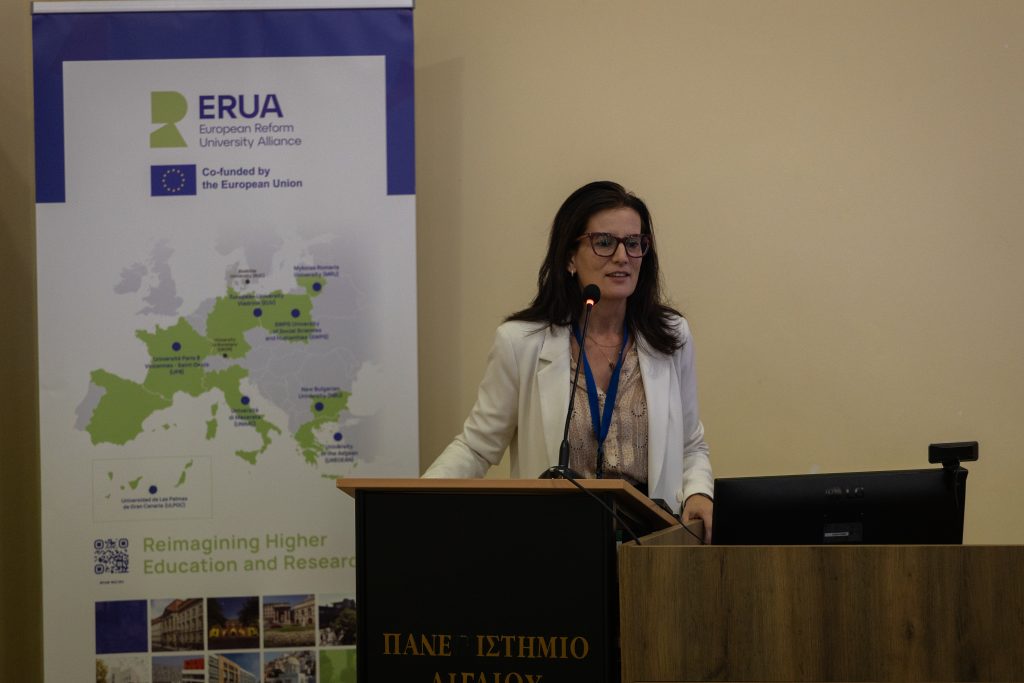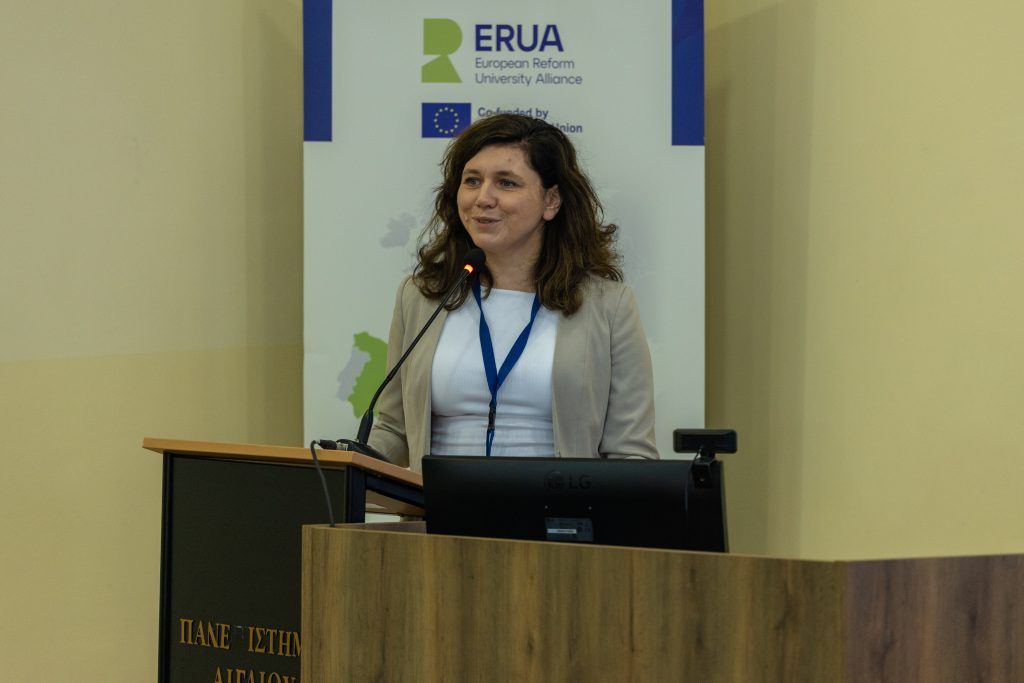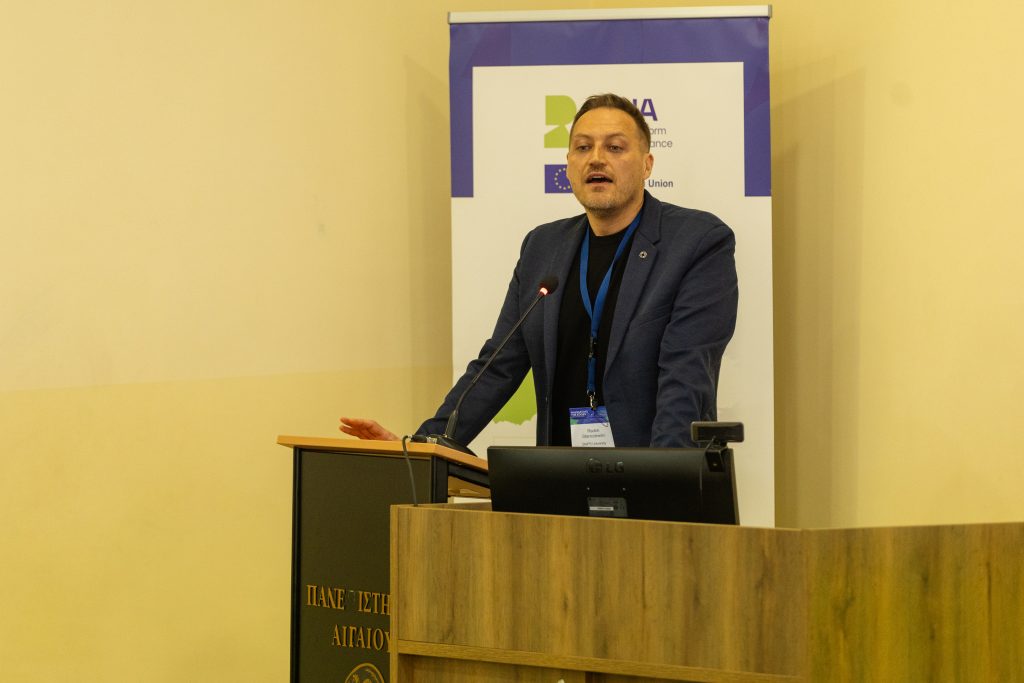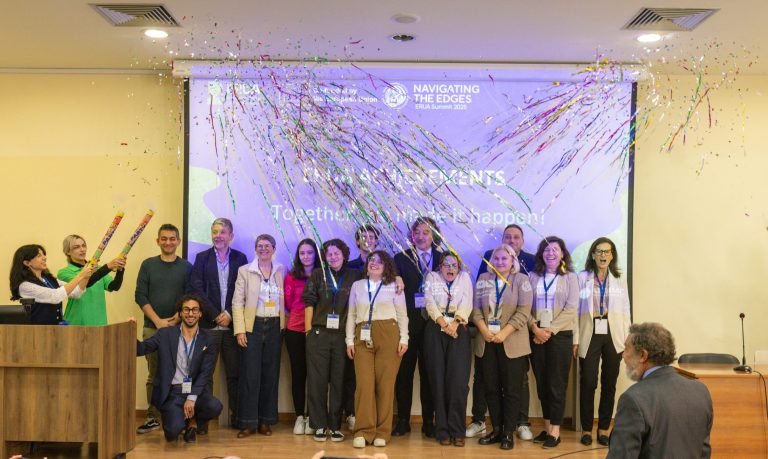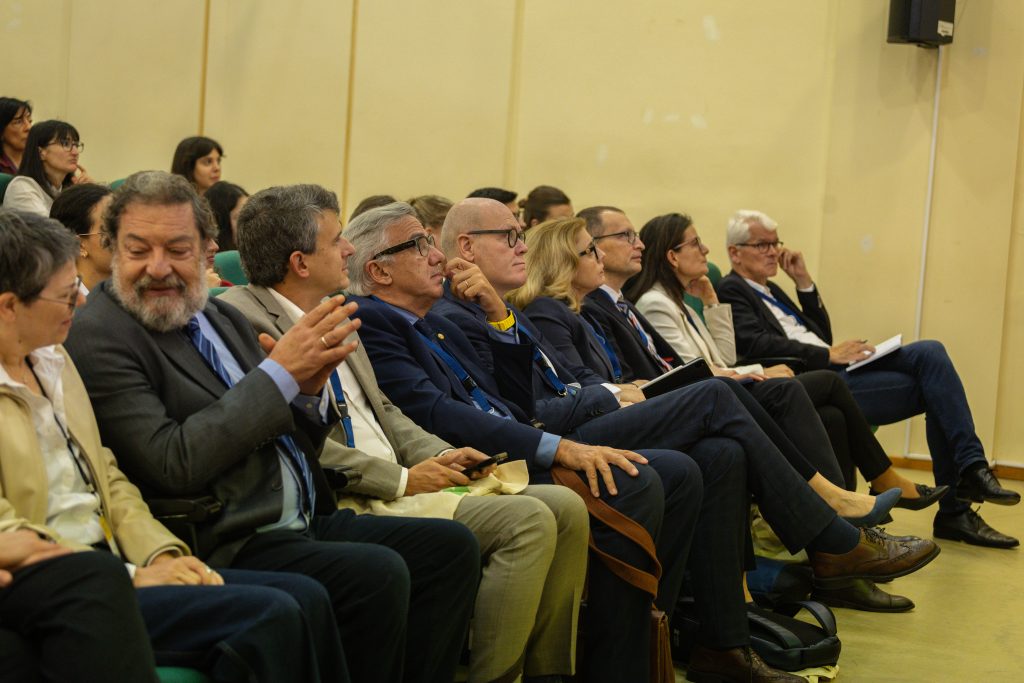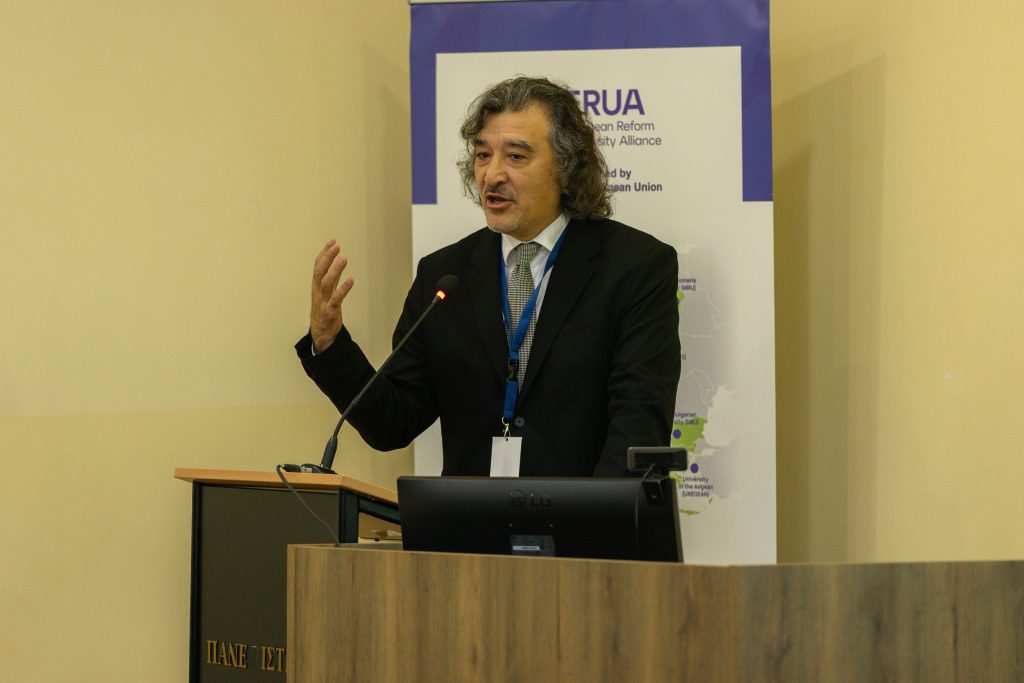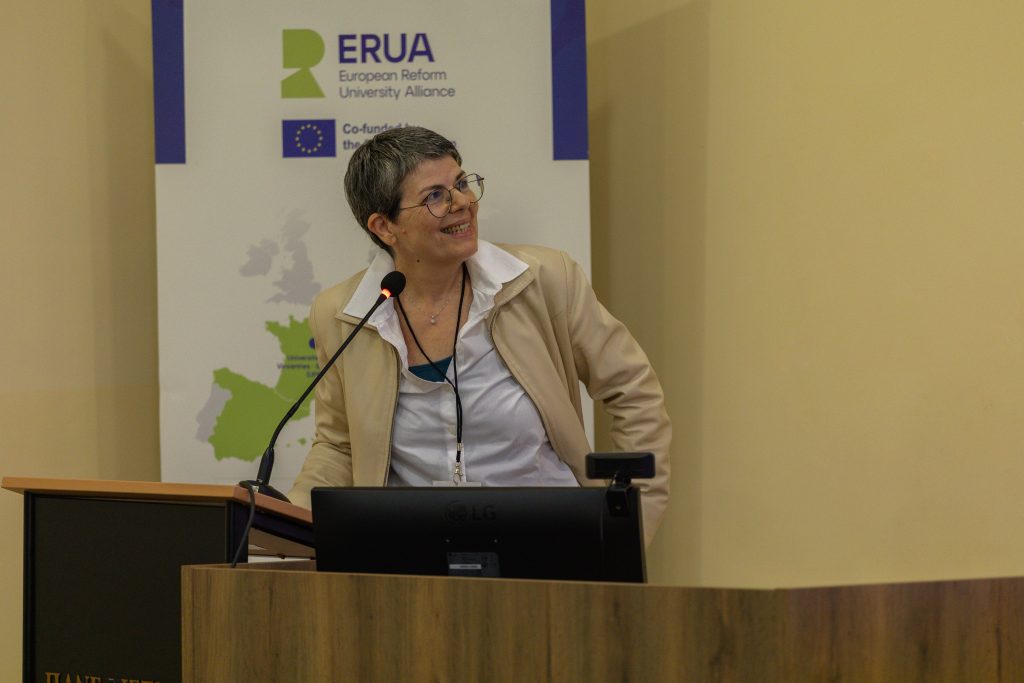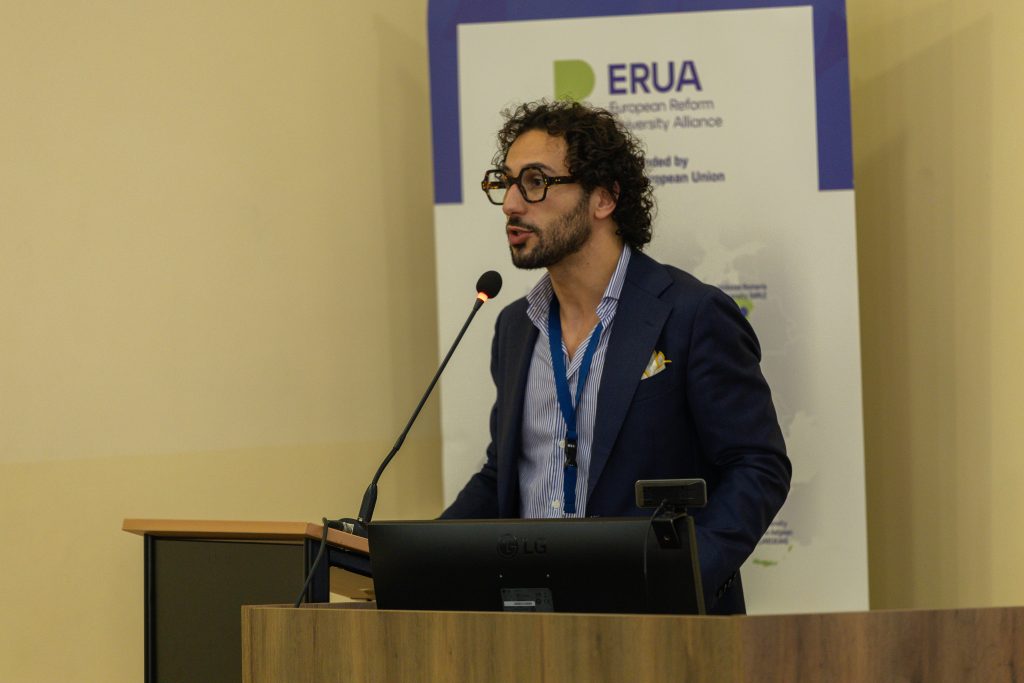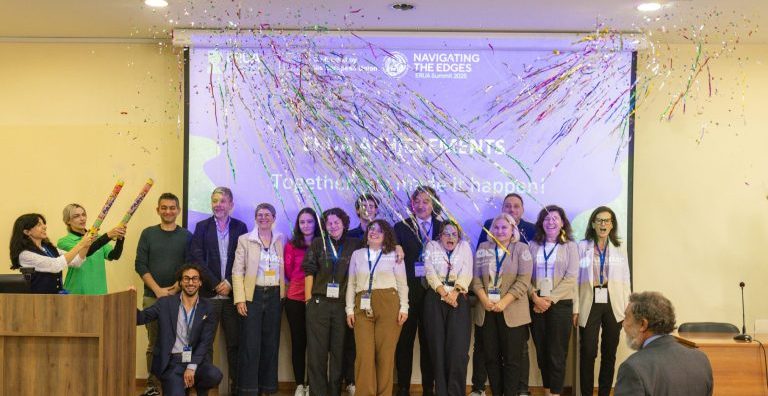
From November 4–7, the European Reform University Alliance (ERUA) held its 2025 Summit on the island of Lesvos, Greece. The event showcased the alliance’s major achievements over the past two years — from innovative study formats and joint degree programmes to student engagement initiatives and long-term sustainability strategies.
Representatives from all eight ERUA member universities took part in the discussions, including Mykolas Romeris University (MRU), which actively contributes to the alliance’s work in education, research, mobility, and sustainability.
Innovation in Learning and Mobility
ERUA continues to make significant progress in developing new mobility and learning initiatives. Between 2023 and 2024, the number of travelling seminars increased from 9 to 29, engaging nearly 300 students. In total, around 800 students participated in ERUA mobility activities during the past year — among them, members of the MRU academic community.
By implementing inclusive mobility formats and hybrid teaching models, the alliance contributes to the European Commission’s goal that by 2030, at least 23% of graduates will have experienced international mobility.
Joint Degree Programmes
One of the alliance’s most important academic milestones is the development of joint master’s programmes. Three new programmes are currently being prepared:
- Post-Migration in European and Global Contexts
- Psychology of Climate Action (Green Mundus)
- International Law and Governance
These programmes harmonize academic standards and administrative processes among partner universities and mark a major step toward the European Degree Initiative.
MRU’s academic staff actively participated in shaping these programmes, especially in the fields of law, public governance, and social sciences.
Research, Innovation, and Social Impact
In just two years, ERUA has established 21 interdisciplinary research clusters, bringing together more than 250 researchers from across Europe and the United States. MRU researchers are involved in several of these clusters, working collaboratively on projects focused on social innovation, democracy, sustainability, and the digital society.
The alliance also promotes social entrepreneurship, with more than 200 regional experts contributing to the development of training modules for sustainability-oriented and socially impactful start-ups. Initiatives such as the Ideas on Alternative Entrepreneurs Challenge and the Hack for Impact hackathon have connected young innovators committed to tackling social challenges through creativity and collaboration.
Student Voice at the Heart of Decision-Making
A key focus of ERUA’s growth is strengthening student engagement. The expanding ERUA Student Board now unites over 100 students from all member universities, including MRU representatives. The board plays an active role in governance, with students now holding seats on various committees, such as the Teaching Initiatives Approval Committee.
Major student-led projects include the ERUA Student Magazine, the Blue Commission on climate action, and the Bottom-up Project Funding scheme, which supports grassroots student initiatives.
Legal Framework and Sustainable Future
One of the alliance’s most strategic steps was the creation of a legal entity in Brussels — a non-profit association (Association Sans But Lucratif – ASBL). This structure ensures the alliance’s long-term sustainability, financial stability, and capacity to continue its cooperation beyond the Erasmus+ project cycle.
As stated MRU Rector Prof. Dr. Inga Žalėnienė, “The legal entity is not an end in itself but a means to deepen collaboration and secure ERUA’s long-term vision.”
Digital Identity and Sustainable Development Goals
ERUA also introduced the ERUA ID initiative — a decentralized digital identity system aligned with the European Digital Identity Wallet framework. It will allow students to securely access academic services across all partner universities, ensuring seamless and GDPR-compliant cross-border learning experiences.
At the same time, the alliance is mapping its contribution to the United Nations Sustainable Development Goals (SDGs), particularly Quality Education (SDG 4), Peace and Justice (SDG 16), and Good Health and Well-being (SDG 3).
MRU’s Role and Vision for the Future
Through its active involvement in ERUA, Mykolas Romeris University contributes to strengthening the European higher education area, fostering innovation, and expanding opportunities for students and researchers. MRU representatives participate in joint programmes, research projects, and governance structures, bringing valuable expertise in social sciences, law, and public governance.
“ERUA is not only a collaboration platform but also a space where we co-create a new European culture of education based on partnership, inclusion, and sustainability,” – noted Rector prof. dr. I. Žalėnienė.
ERUA continues to strengthen its position as a creative, inclusive, and forward-looking network of European universities. As an active member of the alliance, MRU contributes to building a new generation of European universities — open, sustainable, and student centered.