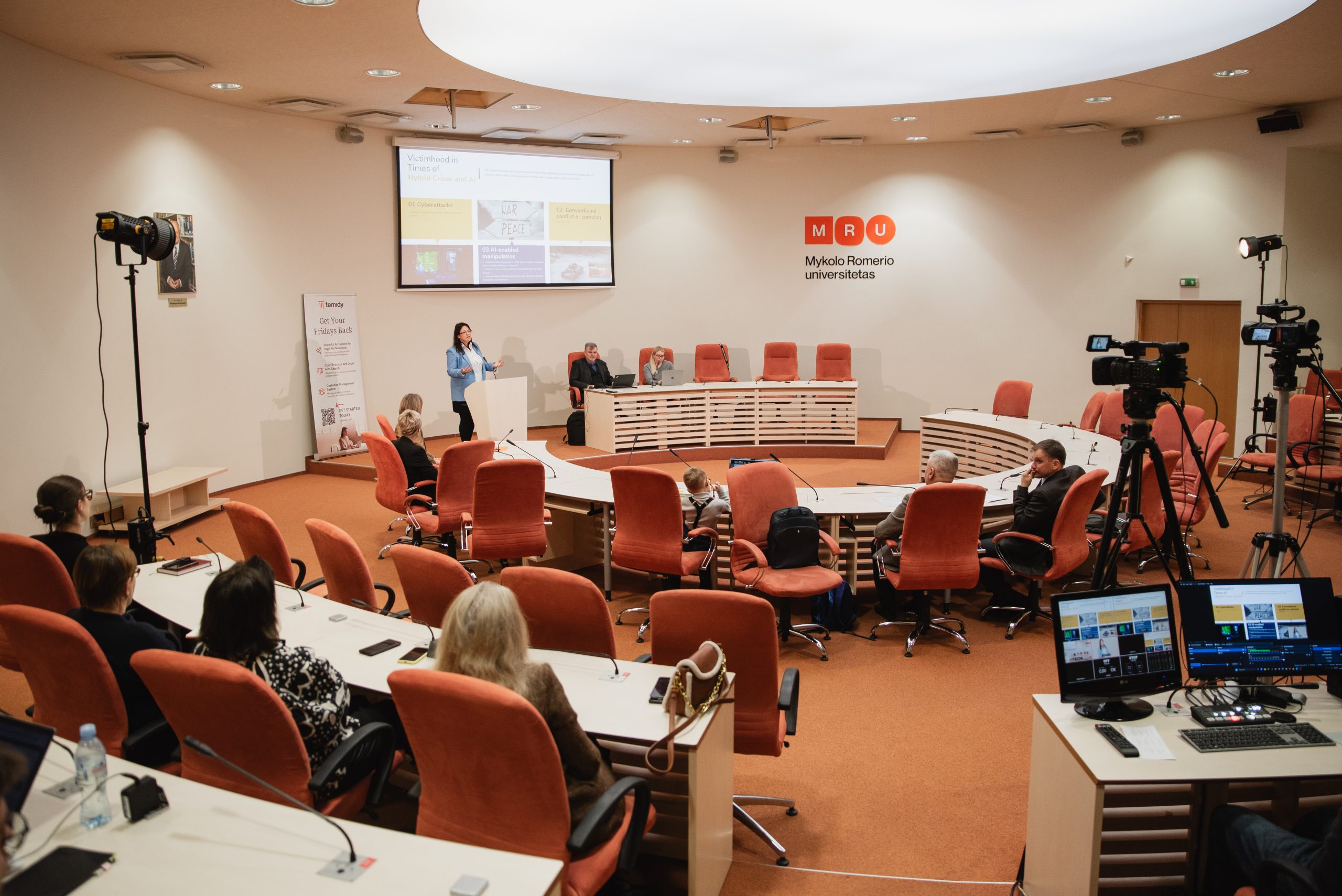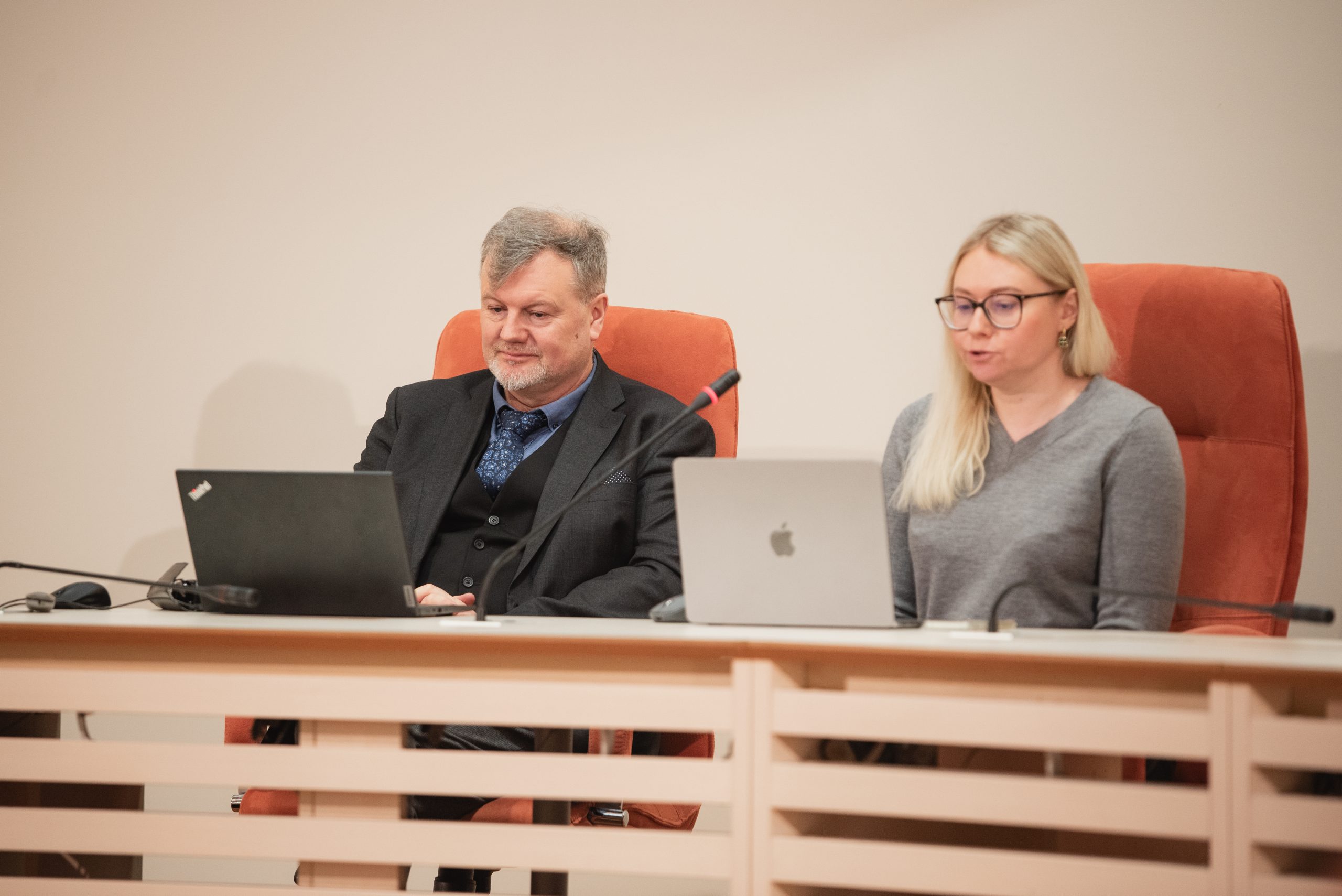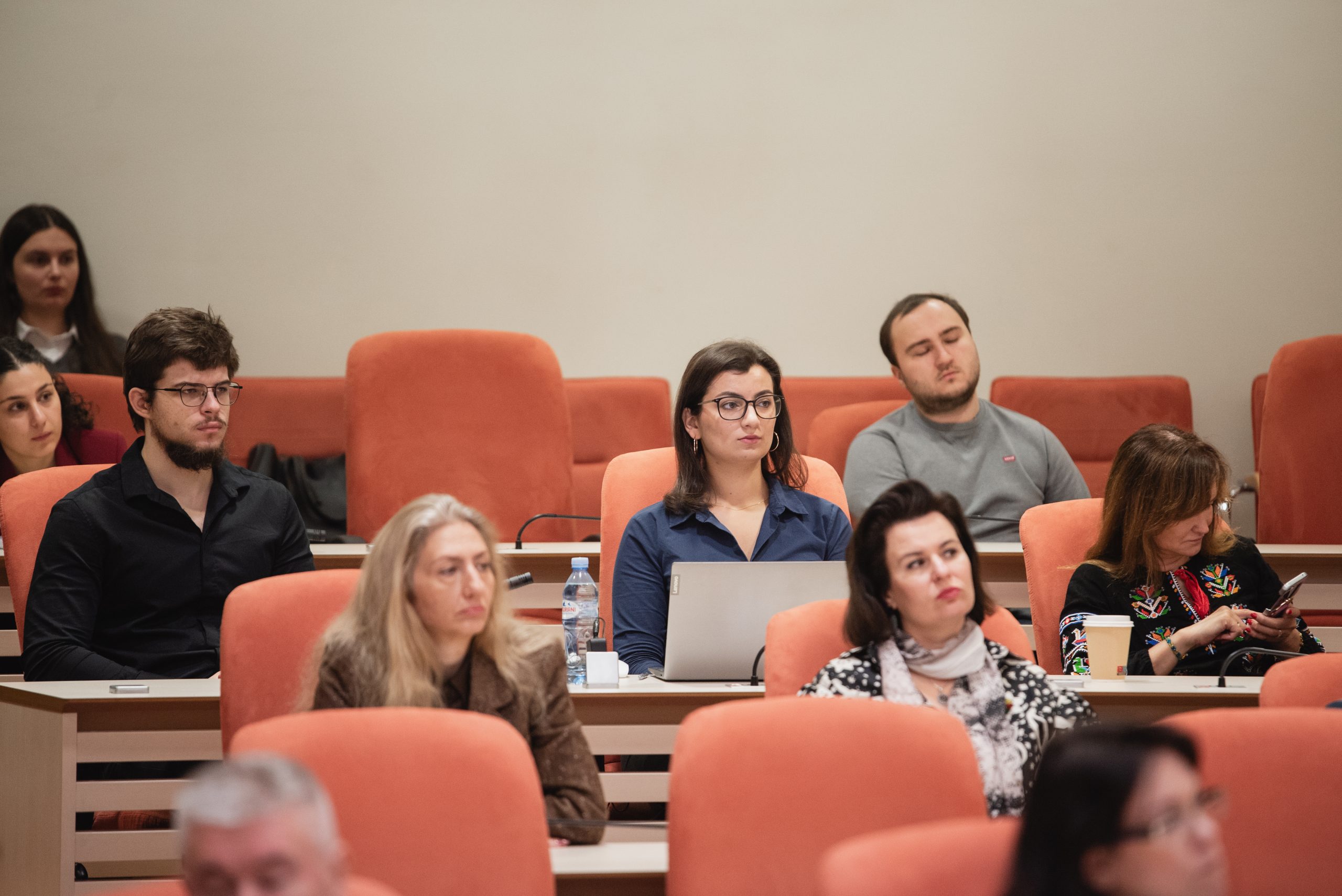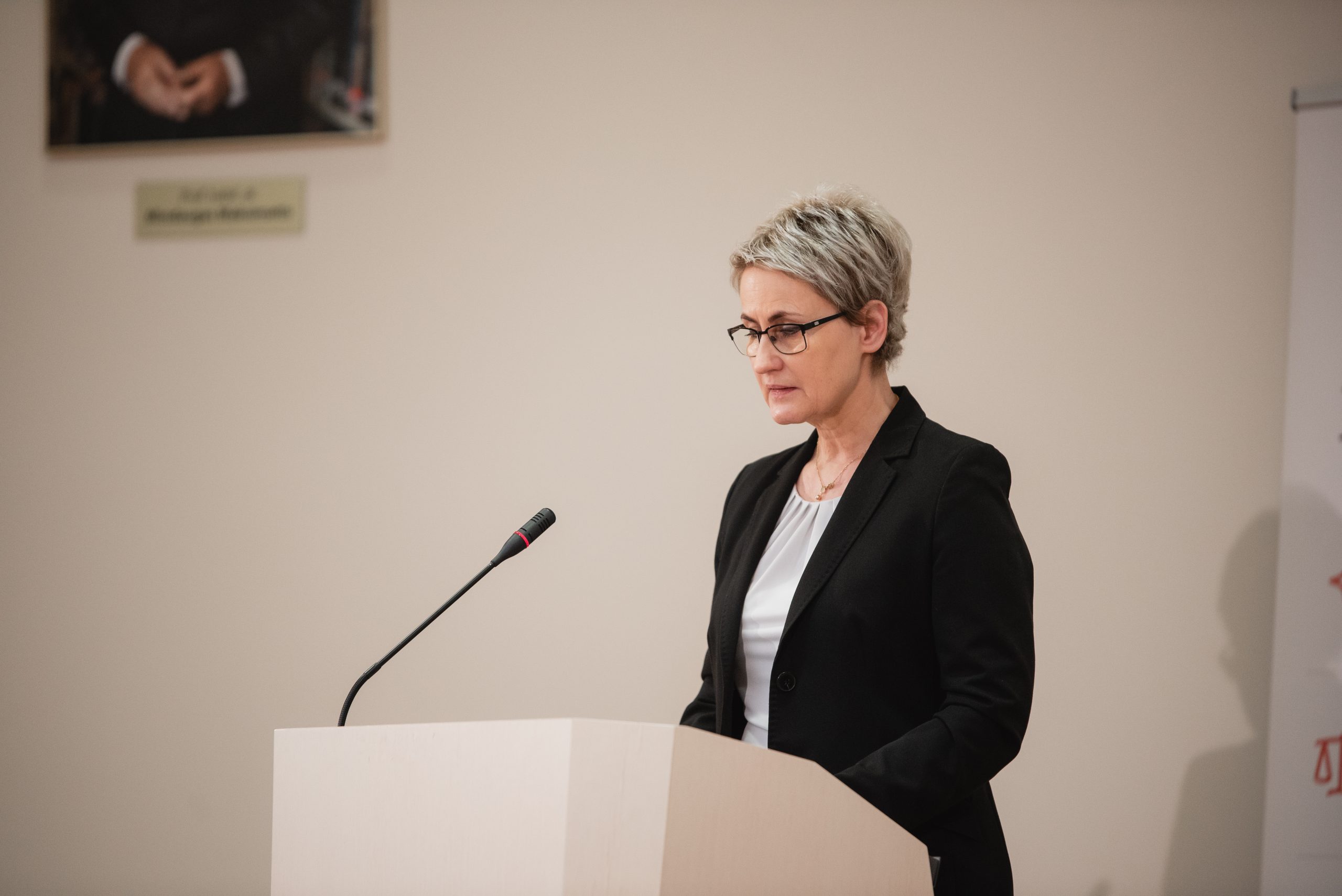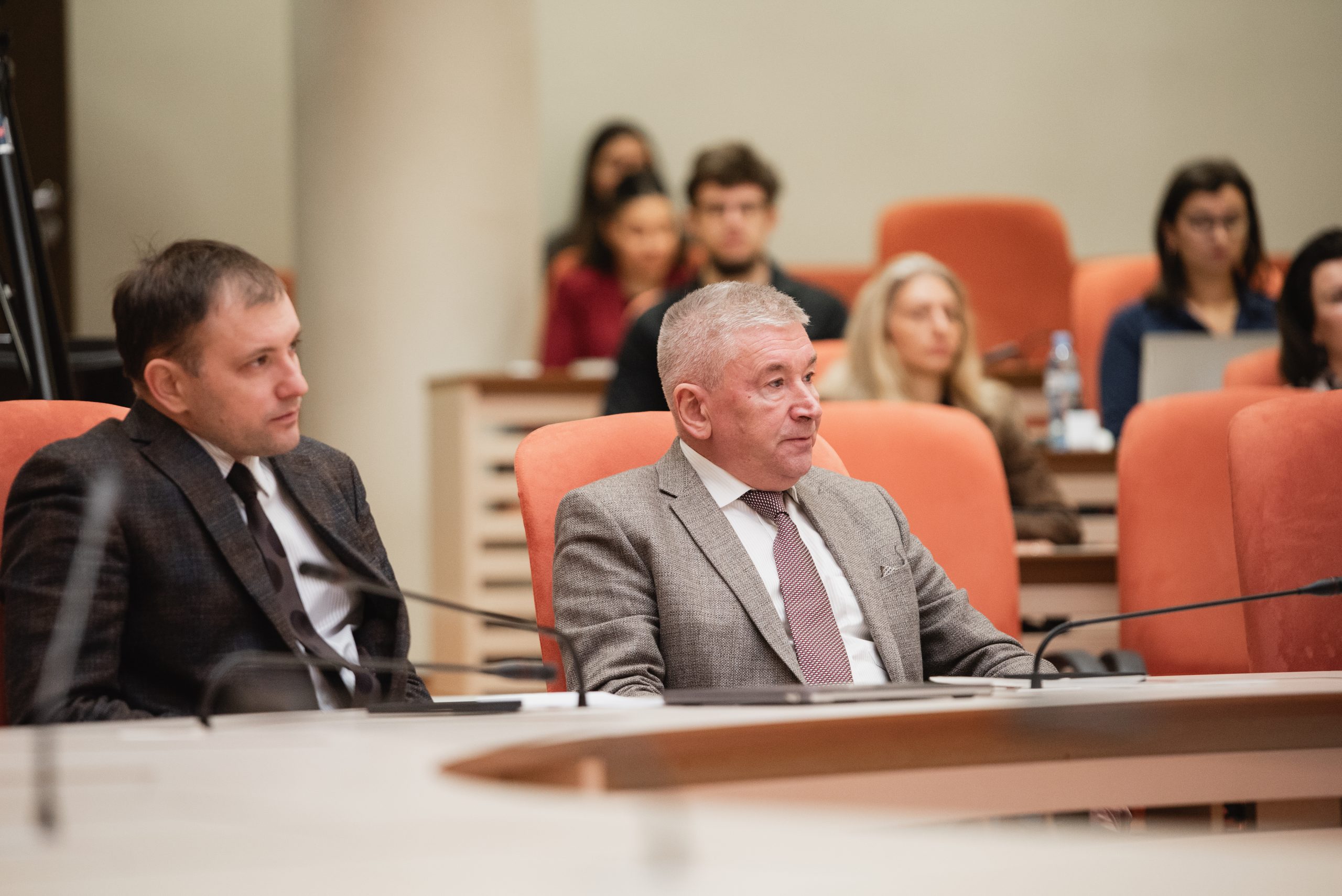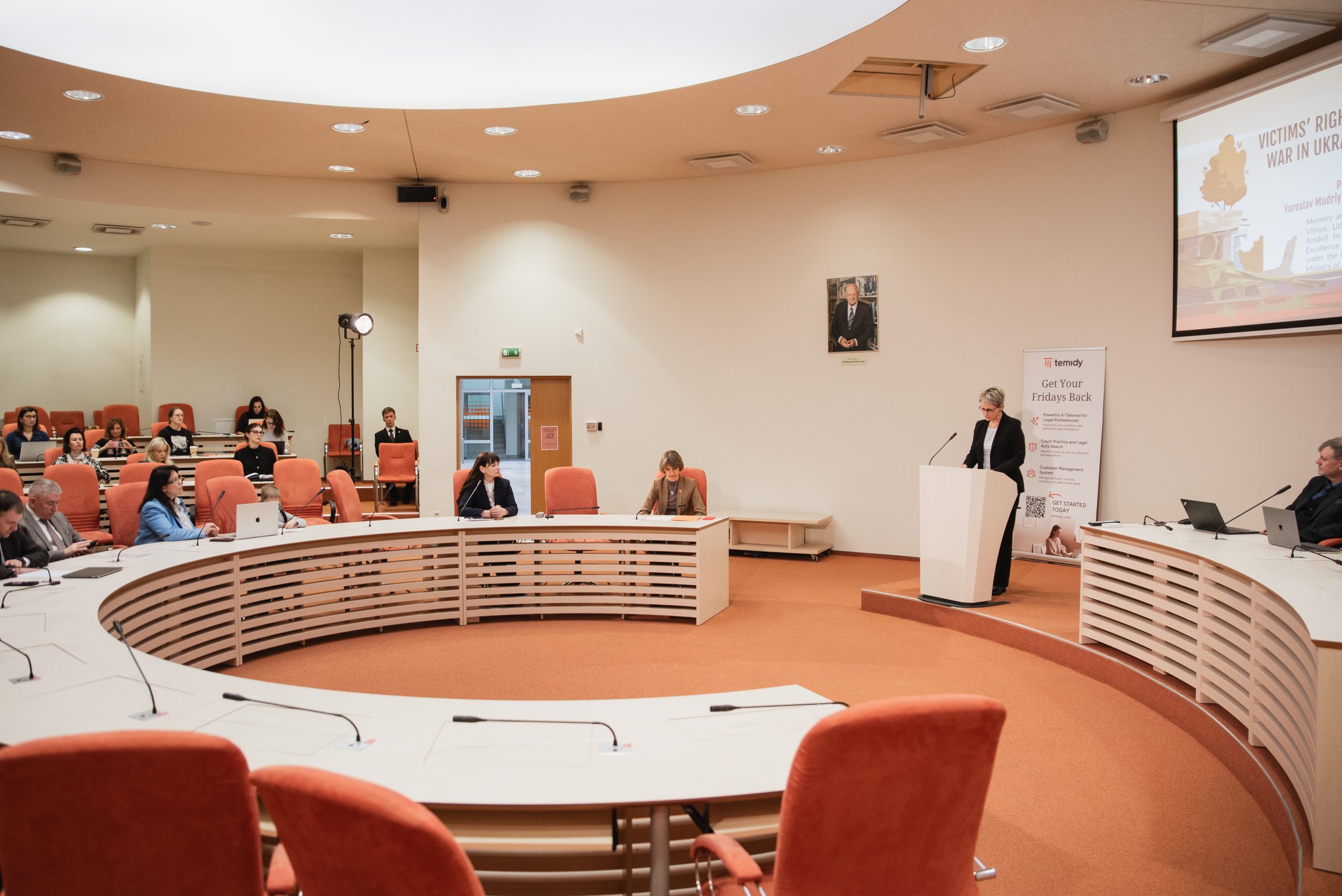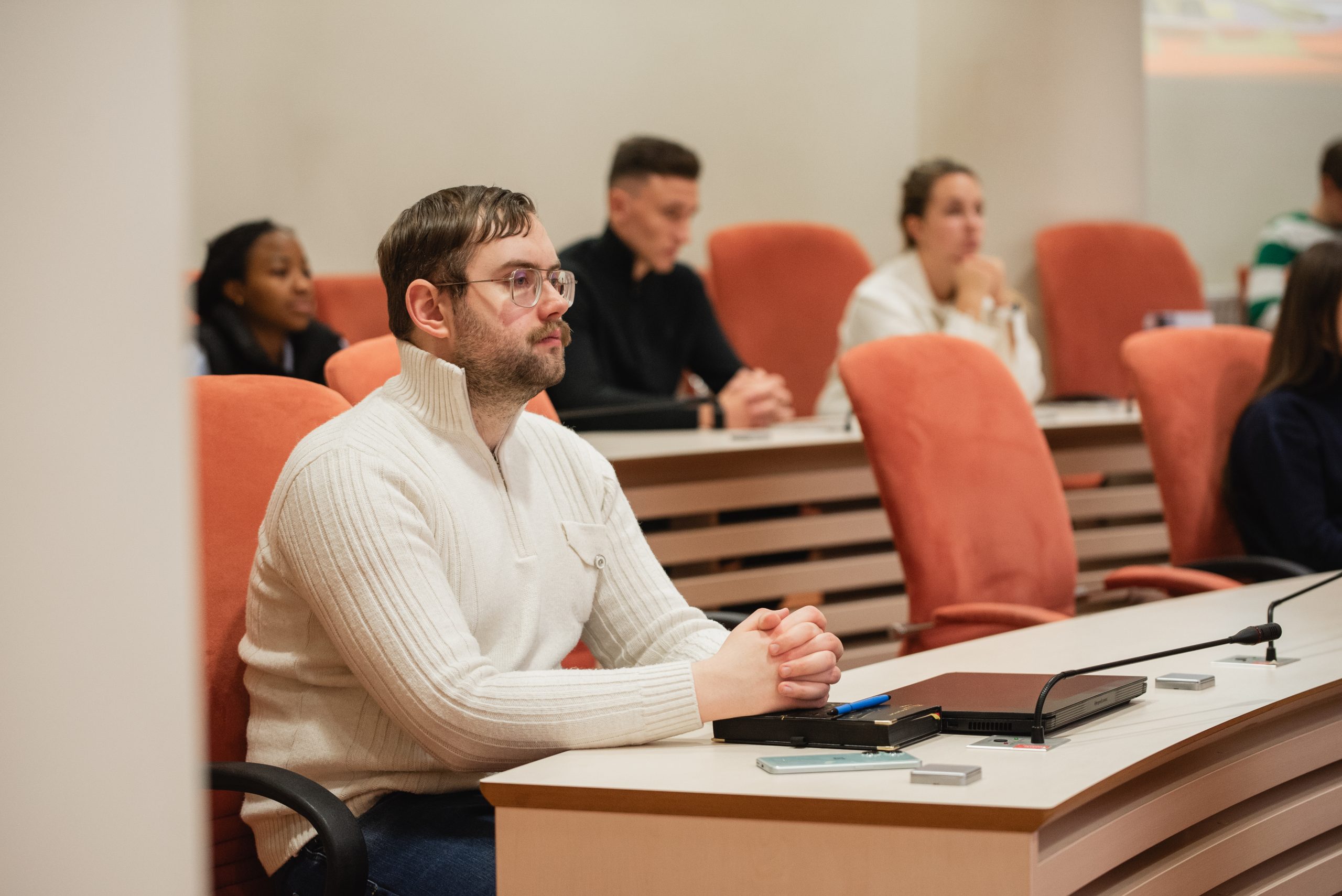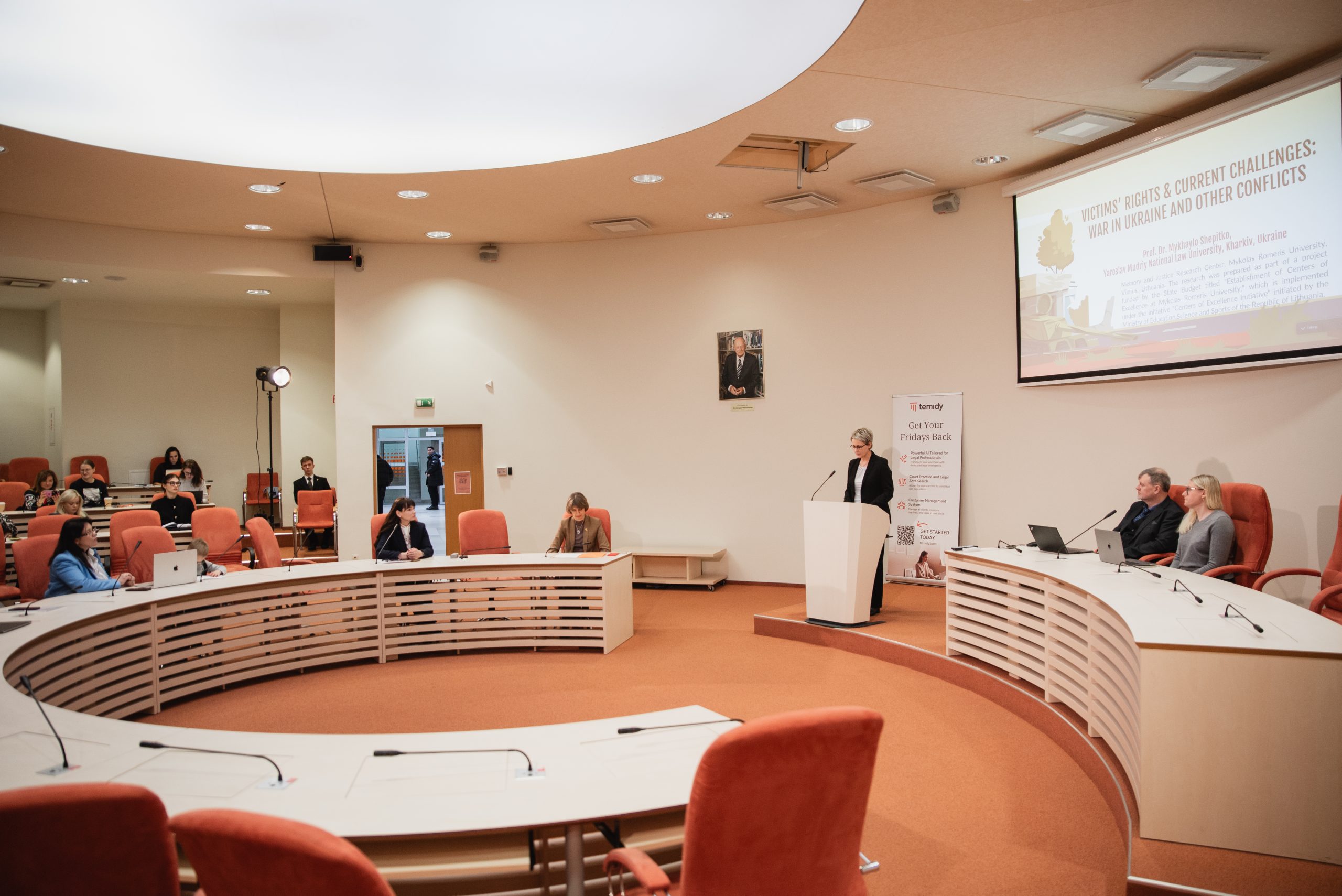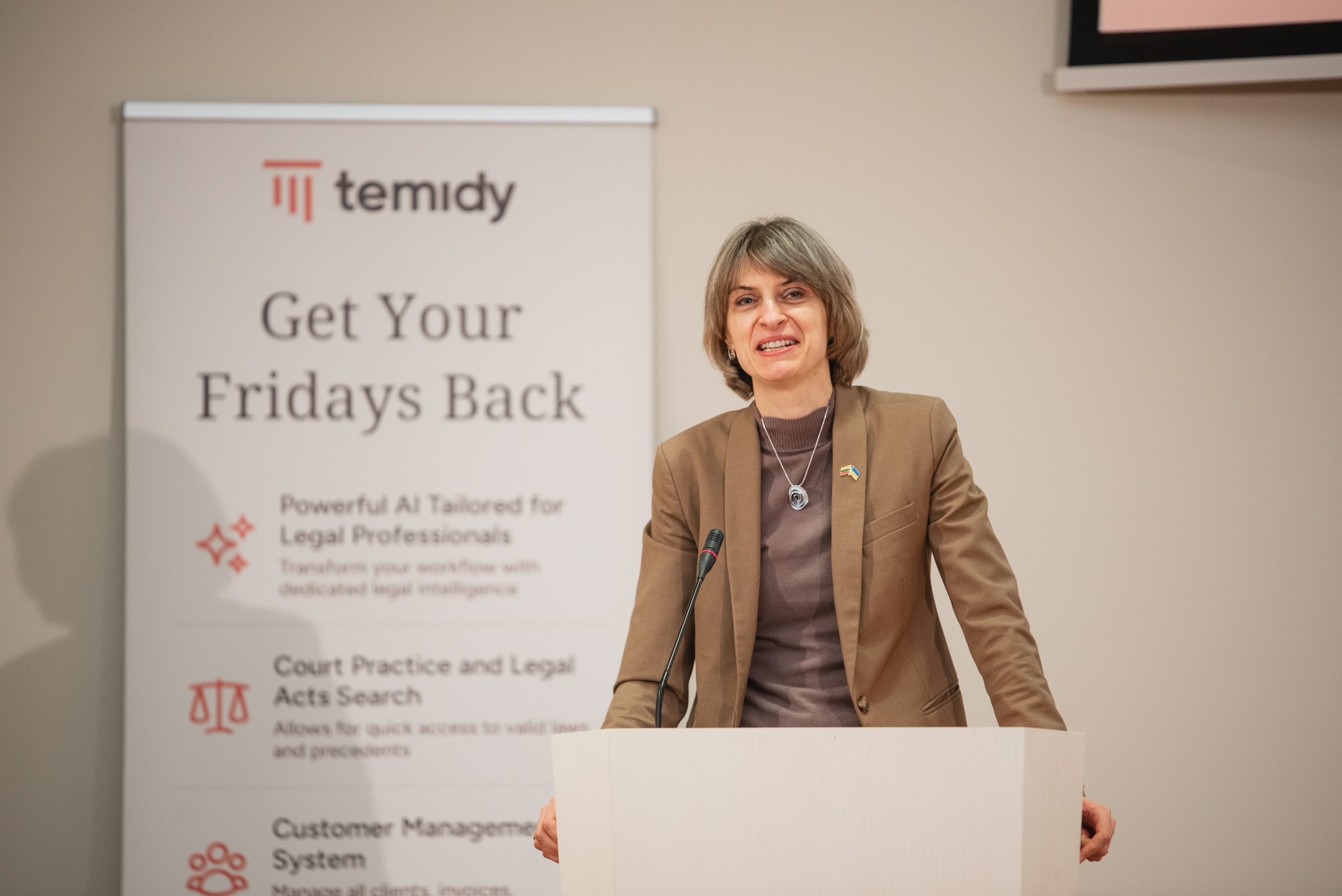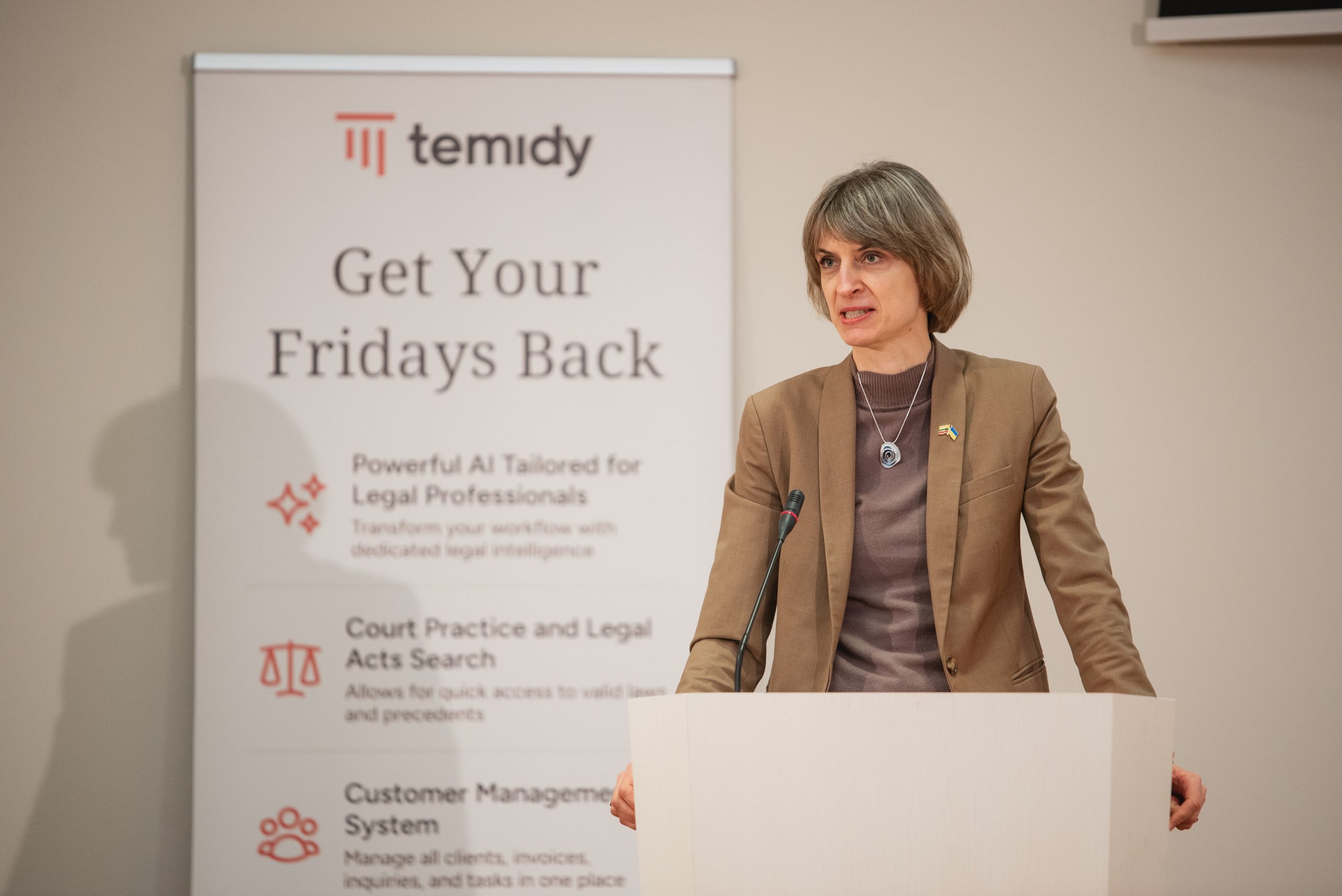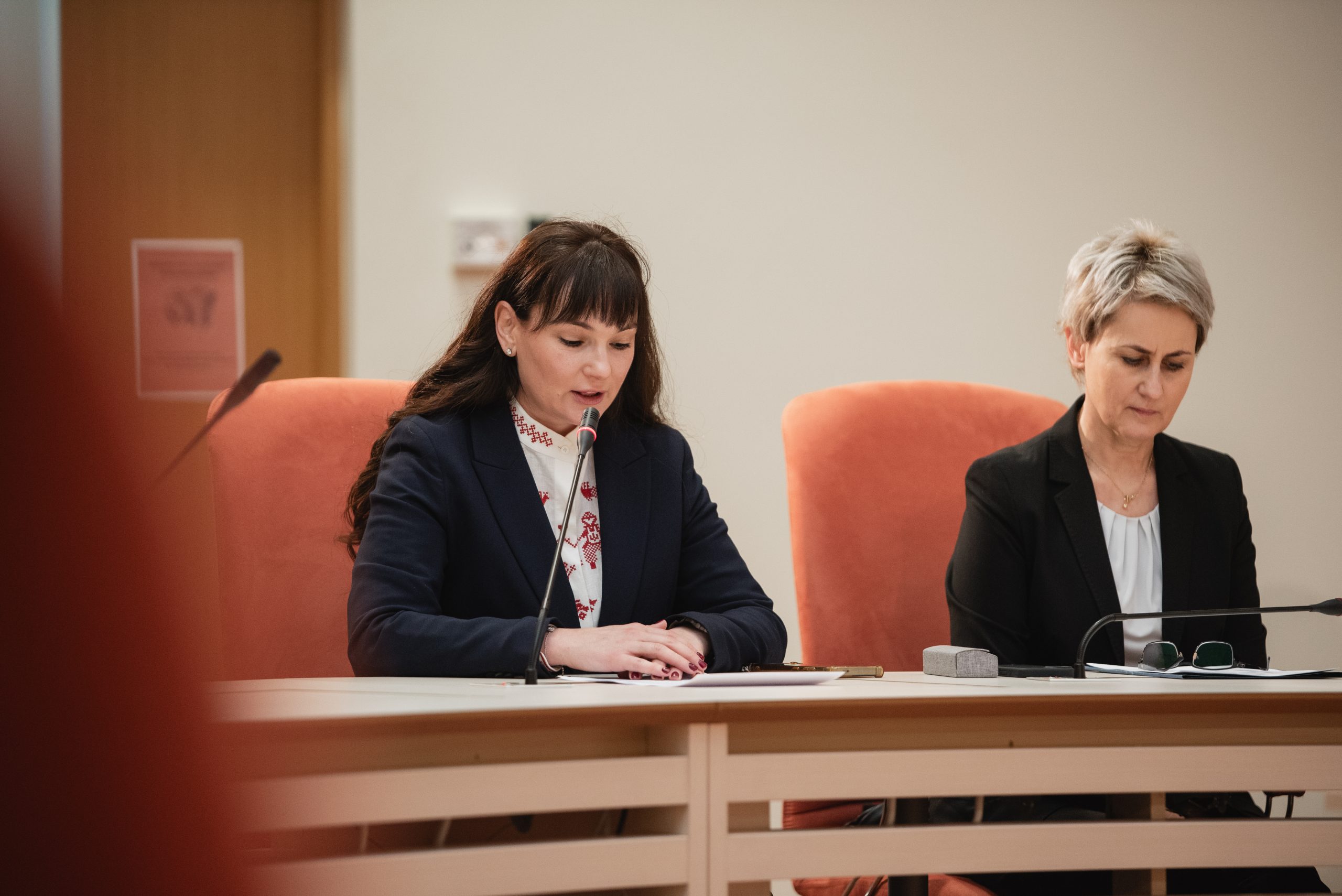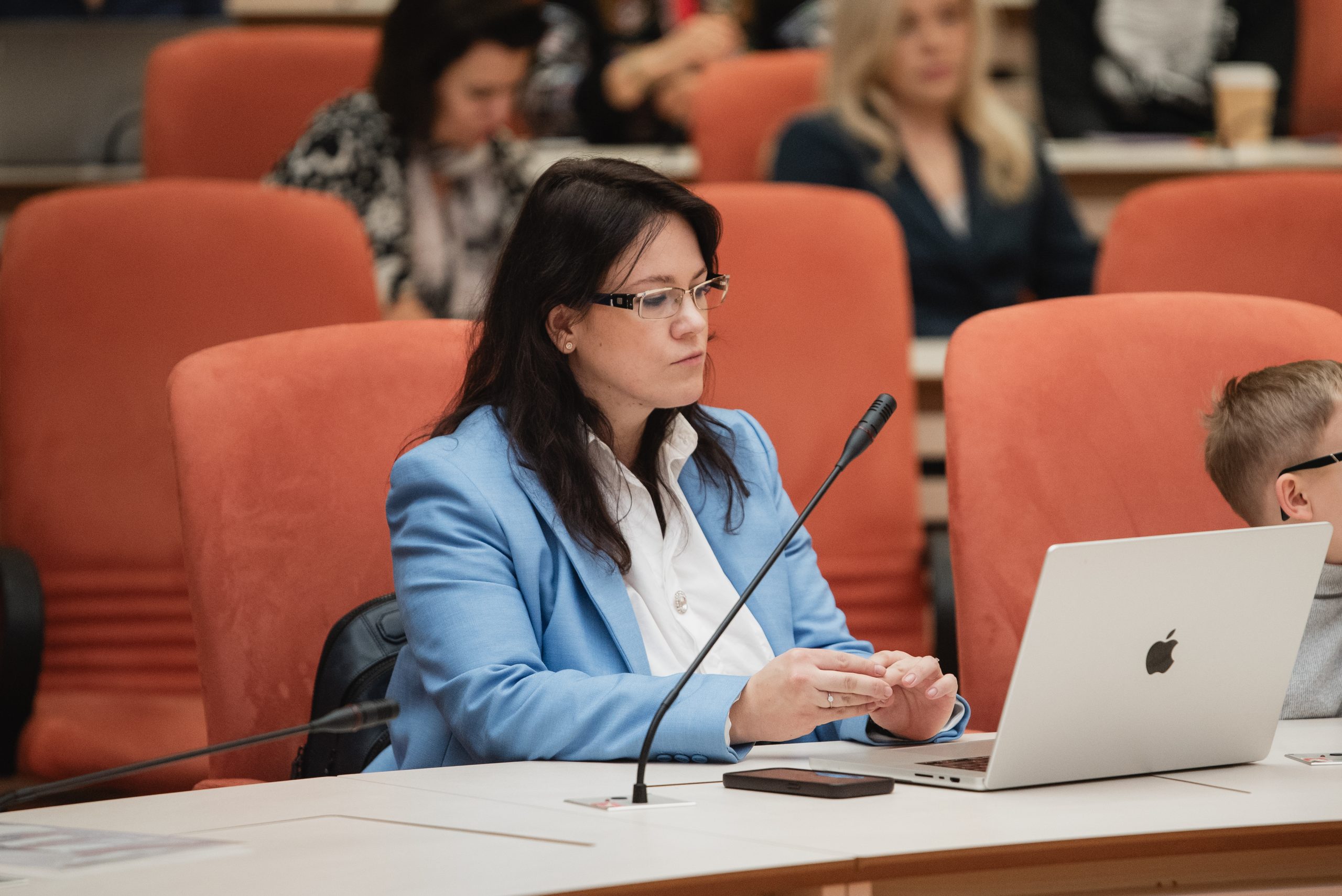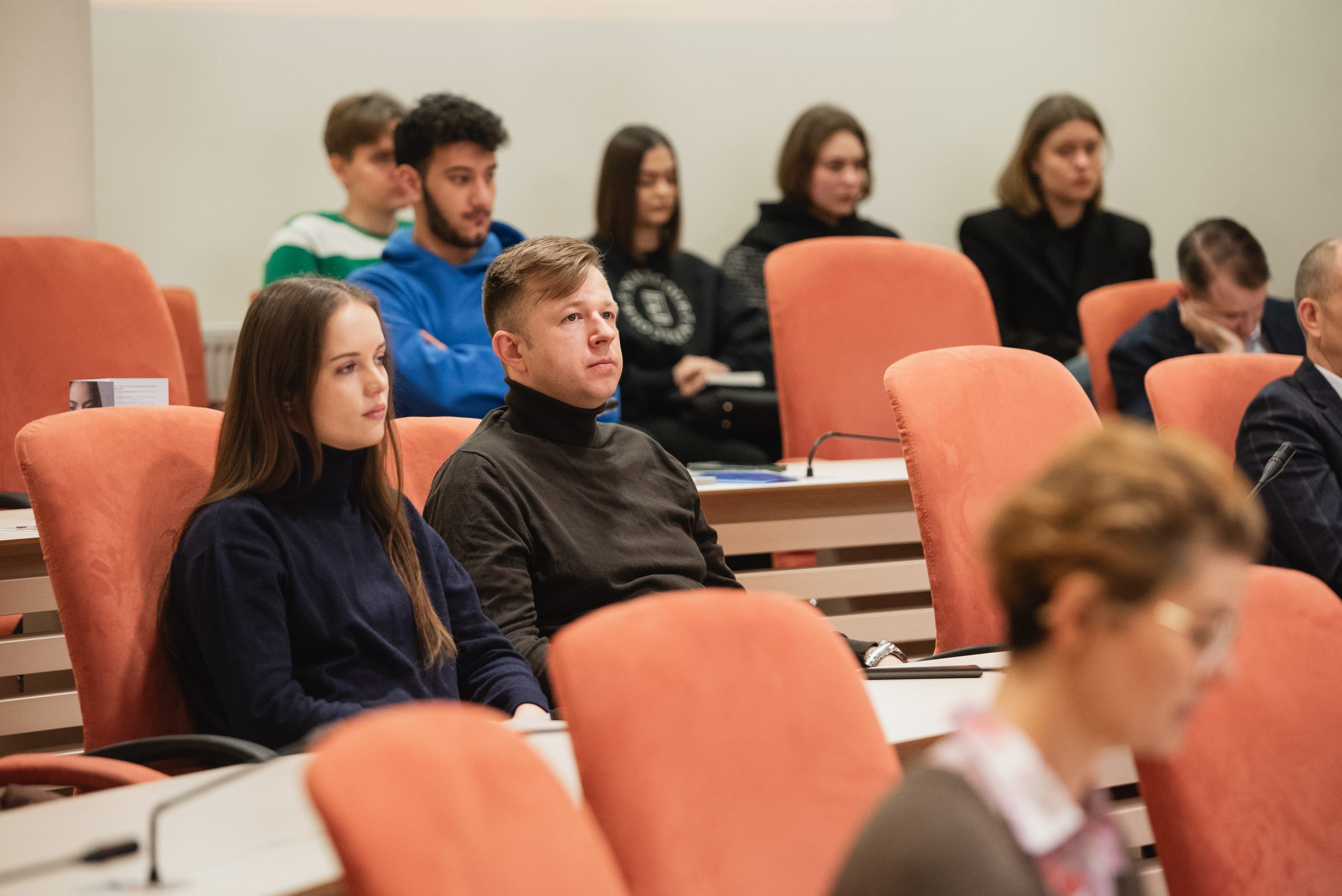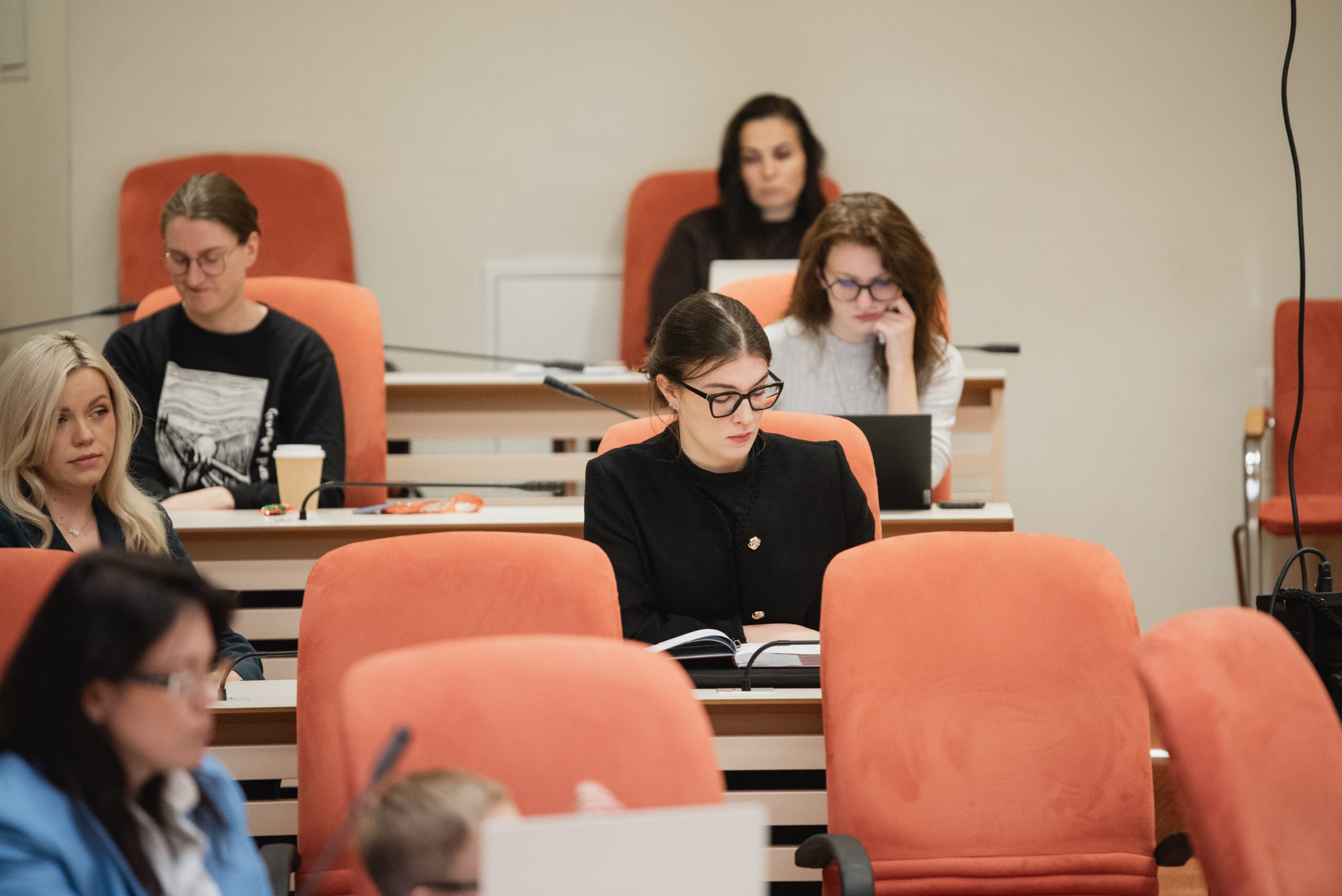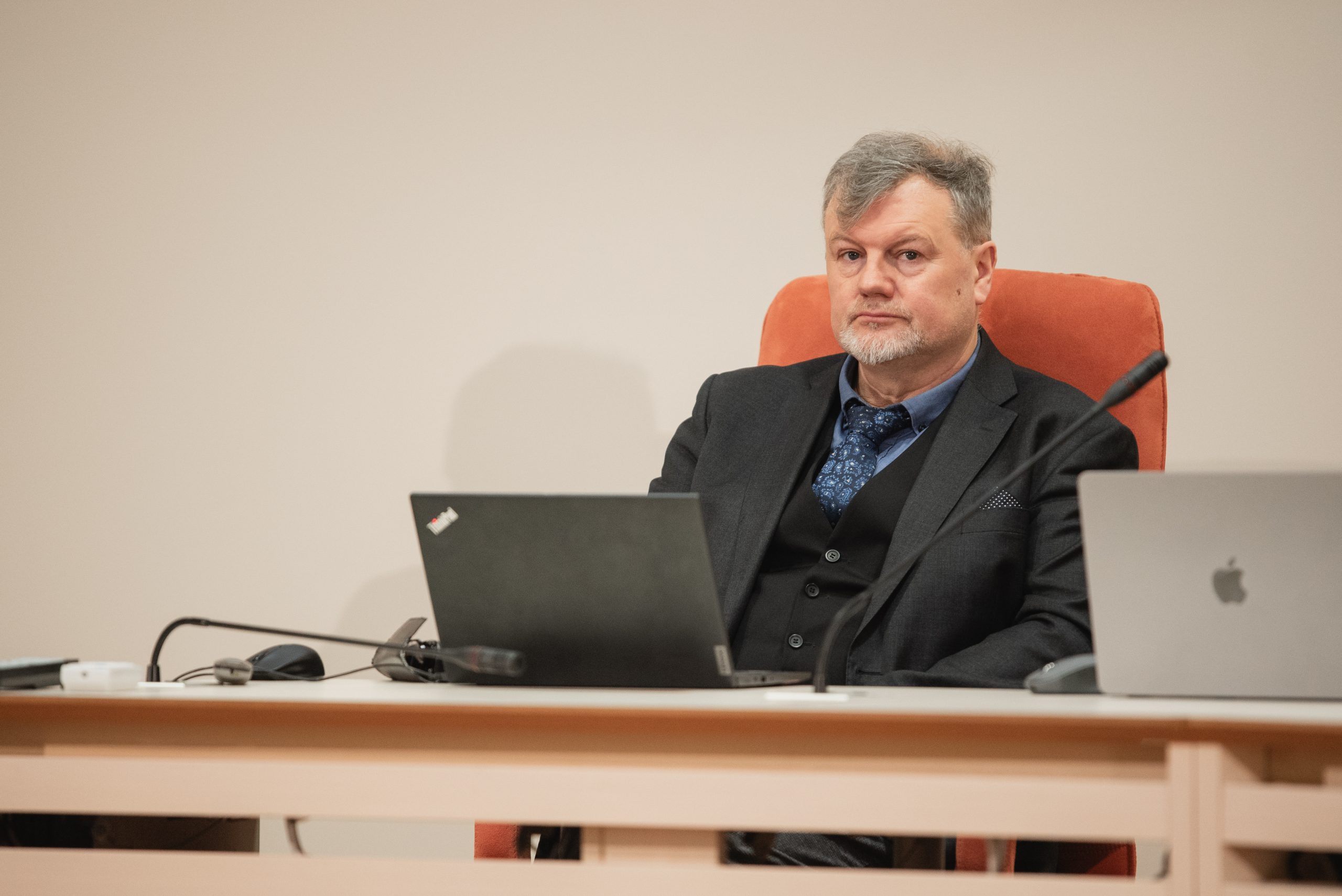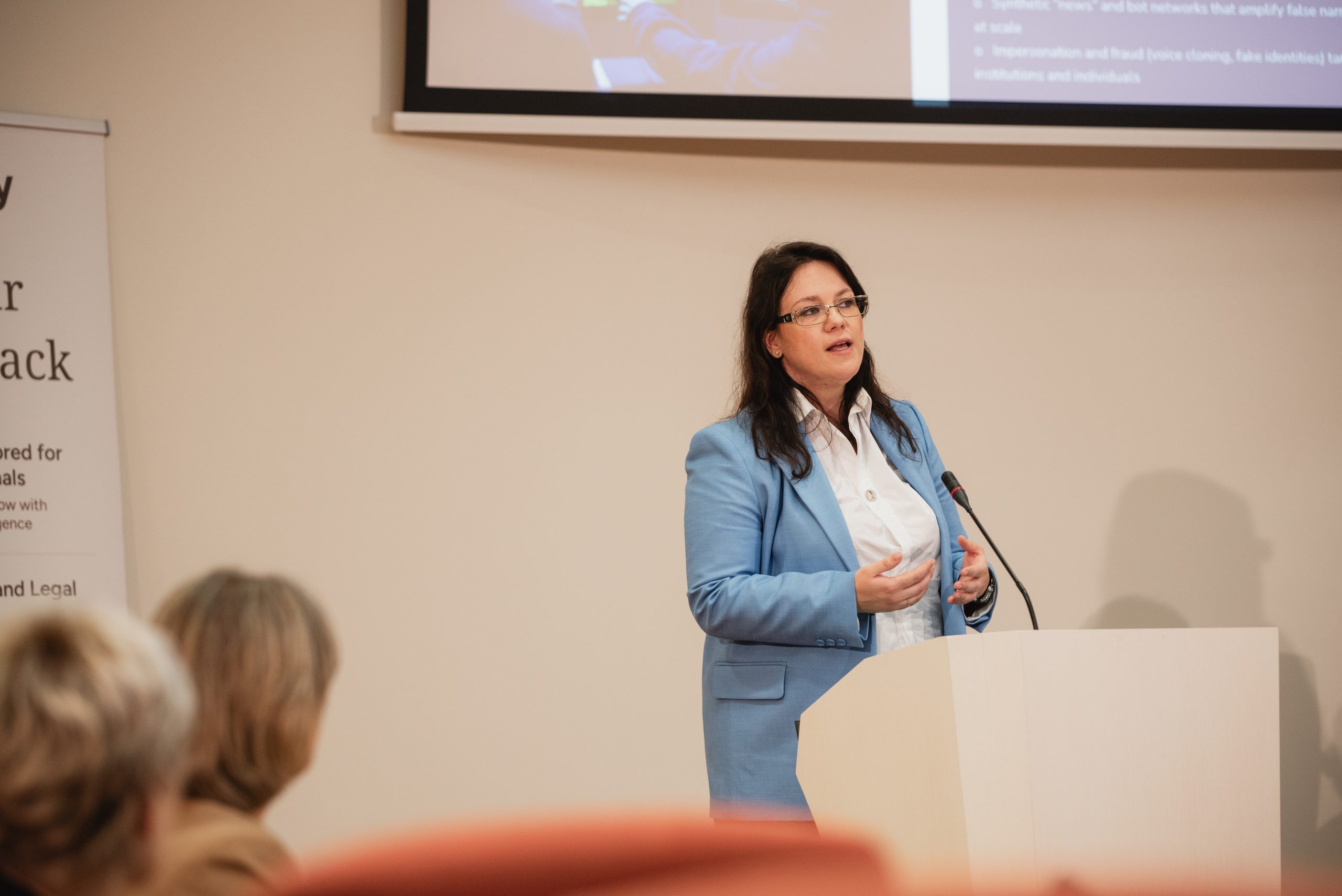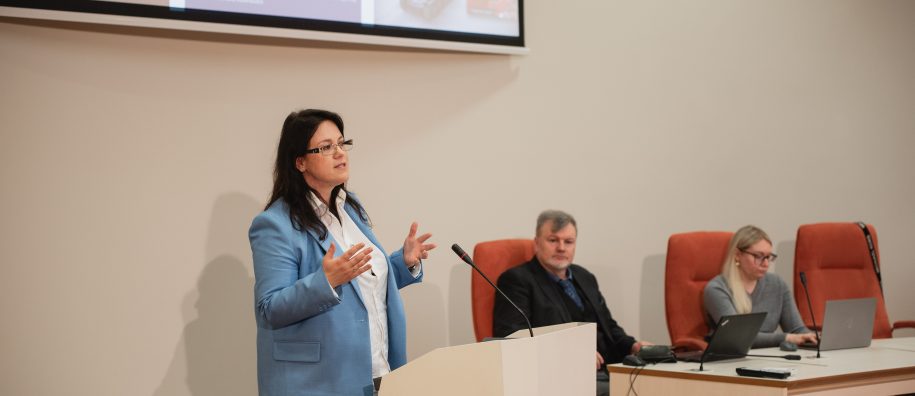
Science, practice, and diplomatic advocacy — this was the umbrella under which the MRU international conference “Victimhood in Times of Hybrid Crises, AI, and Digital Transformation” took place on 24 February. The symbolic date, marking the fourth anniversary of the full-scale war in Ukraine, gave the discussion particular weight.
The topic is relevant on every level. A hybrid conflict unfolding over years demands a deep understanding of context and a well-shaped response. This is why the format and partnerships were very deliberately chosen: scholars from different countries and disciplines, the Prosecutor General of Lithuania, and the Embassy of Ukraine in Lithuania.
At the core was a strong research foundation rooted in historical perspectives and enriched by comparative insights from other conflicts, while keeping a clear focus on the present: Ukraine. This scholarly approach was complemented by practice, making the participation of the Prosecutor General of Lithuania especially important, given Lithuania’s significant contribution to supporting investigations into international crimes committed in Ukraine.
Diplomatic advocacy on the international stage is equally crucial, which is why the welcoming address by the Ambassador of Ukraine to Lithuania became an integral part of this synergy.
Opening Remarks: Solidarity, Responsibility, and Commitment to Justice
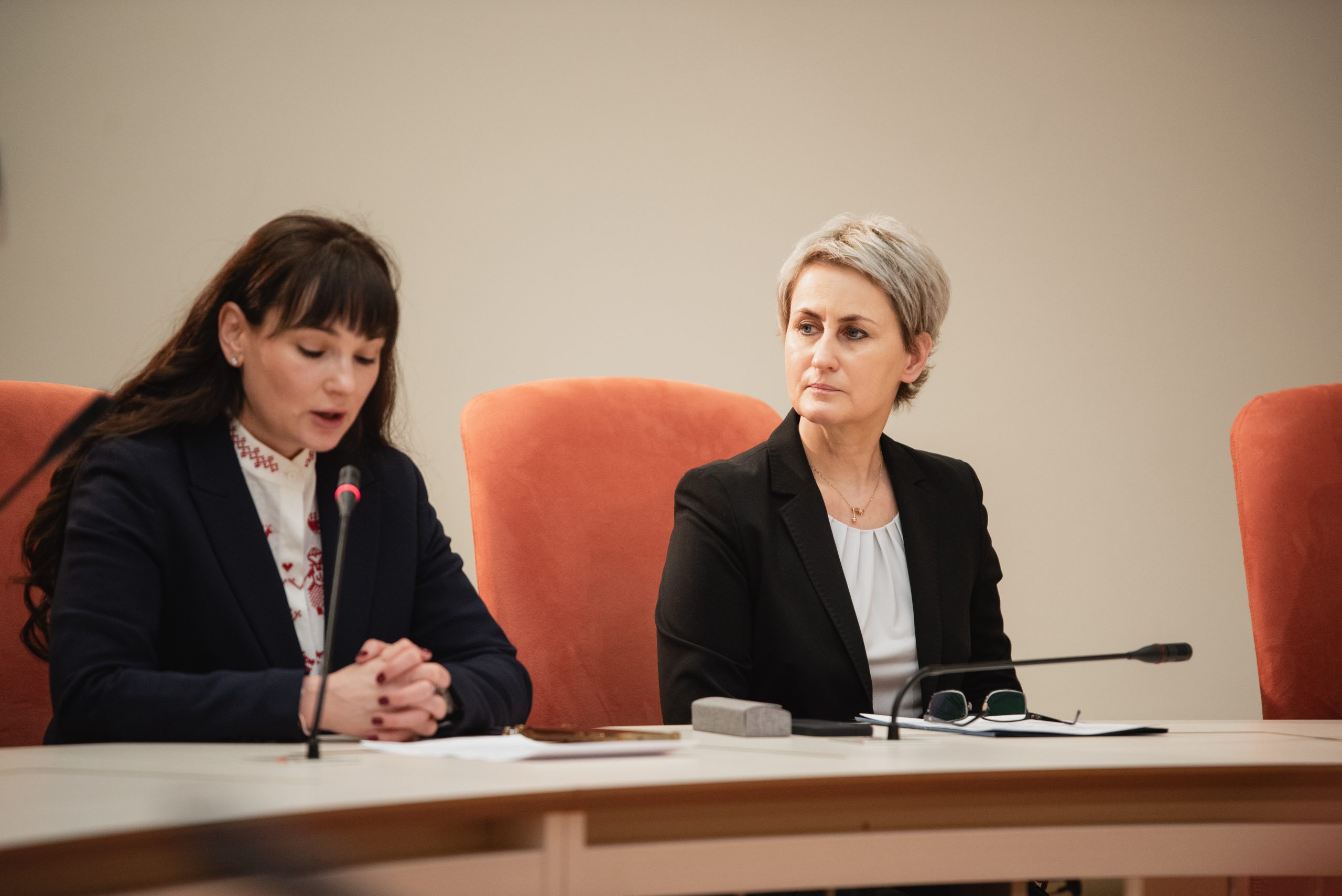
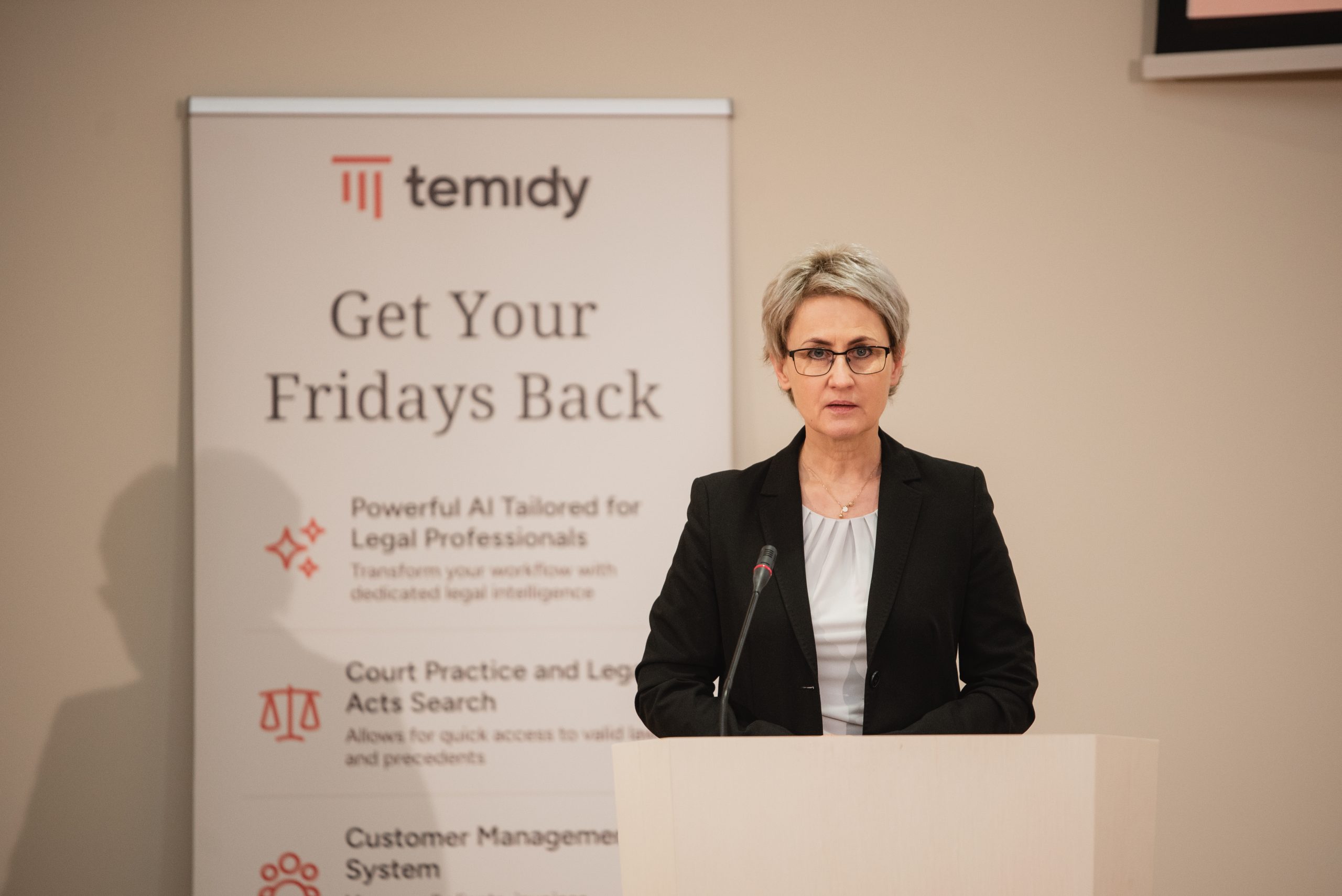
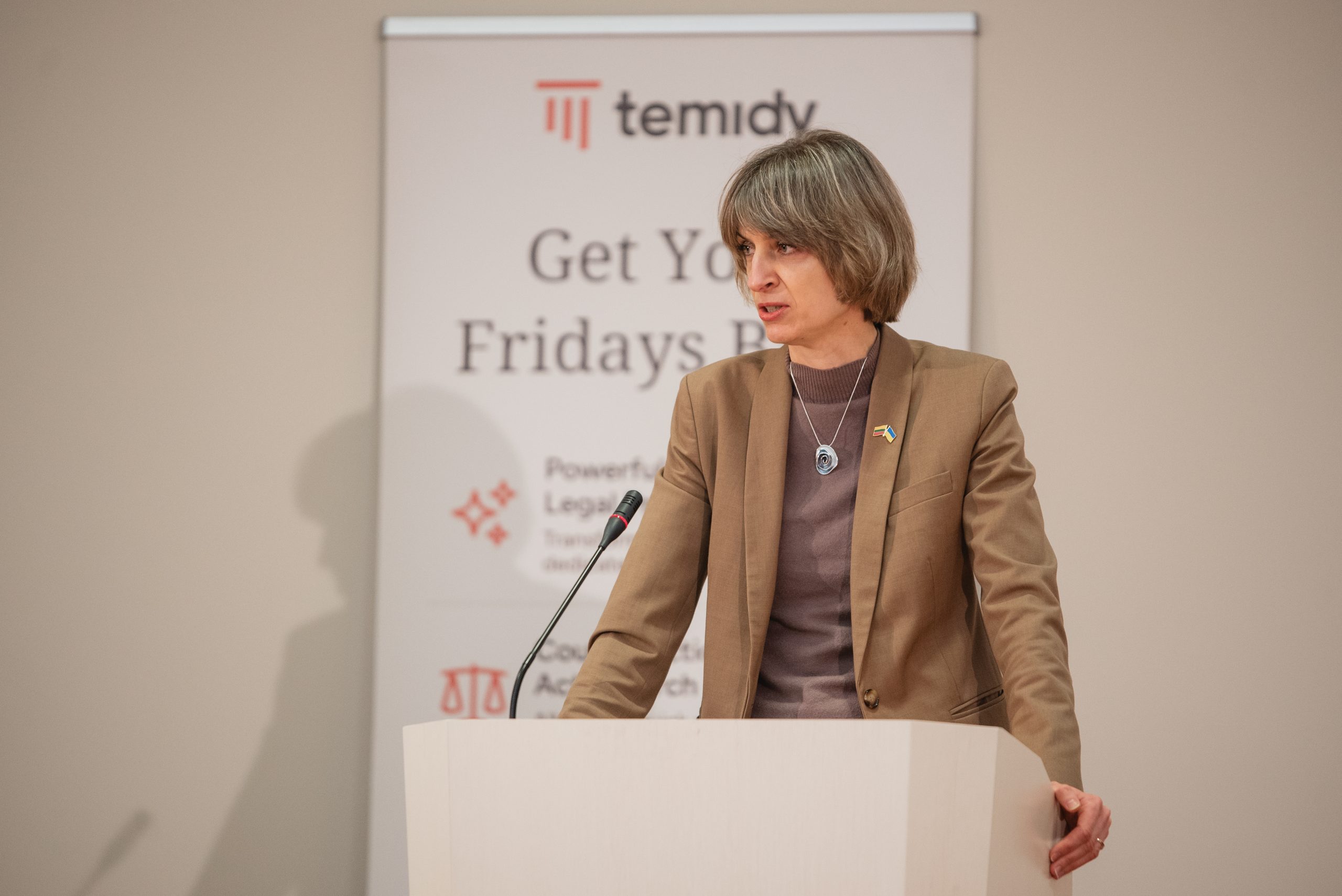
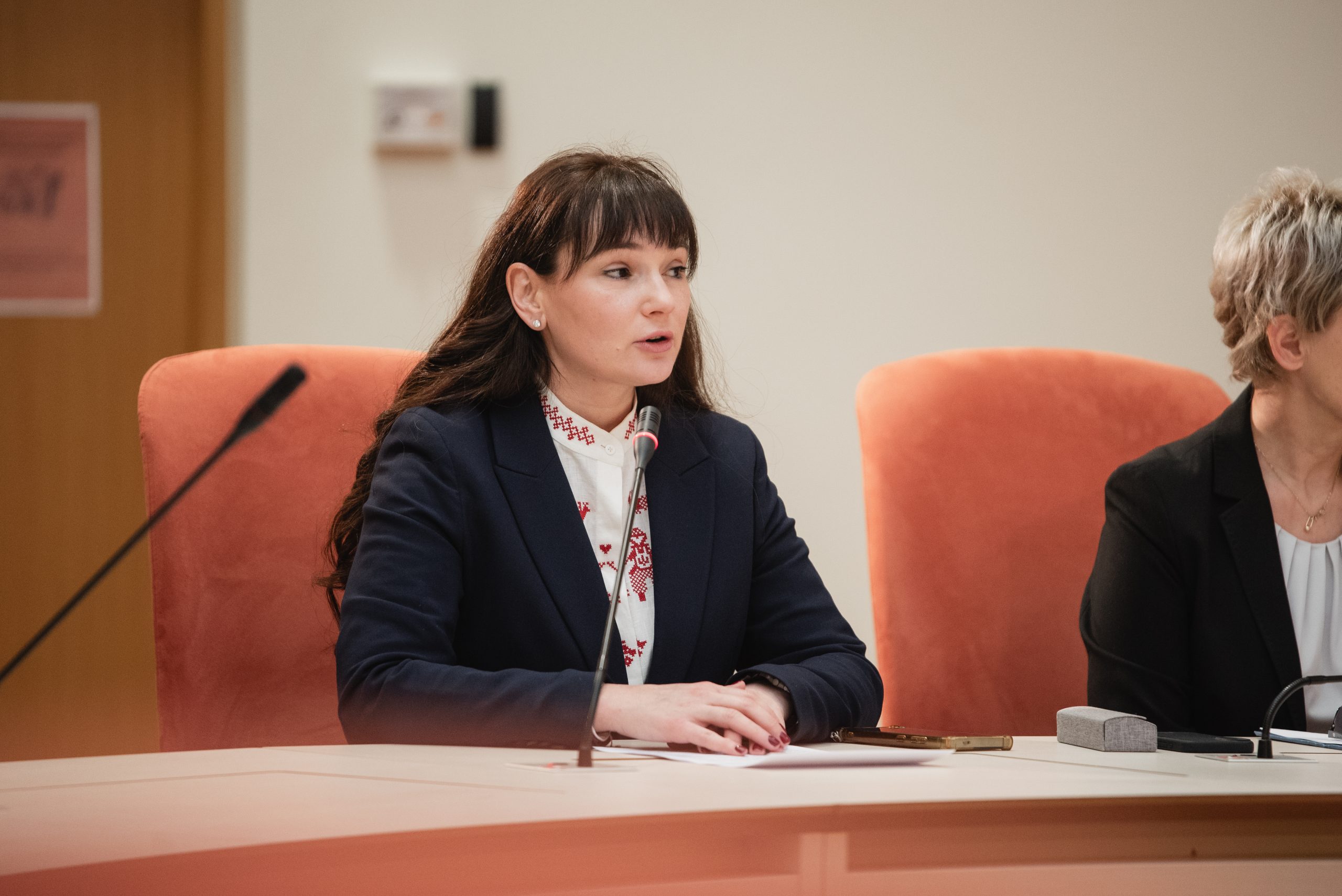
The conference opened with remarks by Olha Nikitchenko, Ambassador Extraordinary and Plenipotentiary of Ukraine to the Republic of Lithuania, Nida Grunskienė, Prosecutor General of Lithuania, and Dr. Eglė Malinauskienė, Vice-Rector for Research and Innovation at Mykolas Romeris University. Their statements emphasized that victimhood today is not an abstract concept but a pressing geopolitical and legal reality.
Ambassador Nikitchenko noted that “the word victim is no longer theoretical – it is the daily reality of millions,” referring to more than 216,000 registered war crimes and warning that impunity fuels future violence. Prosecutor General Grunskienė highlighted Lithuania’s active role in international investigations and stressed that crimes must be documented while conflicts are ongoing. Dr. Malinauskienė emphasized that the conference promotes victim-centered justice, societal healing, and sustainable reforms, noting that contemporary victimhood includes communities and institutions affected by hybrid crises.
Victims’ Rights in Wartime: Between Norms and Reality
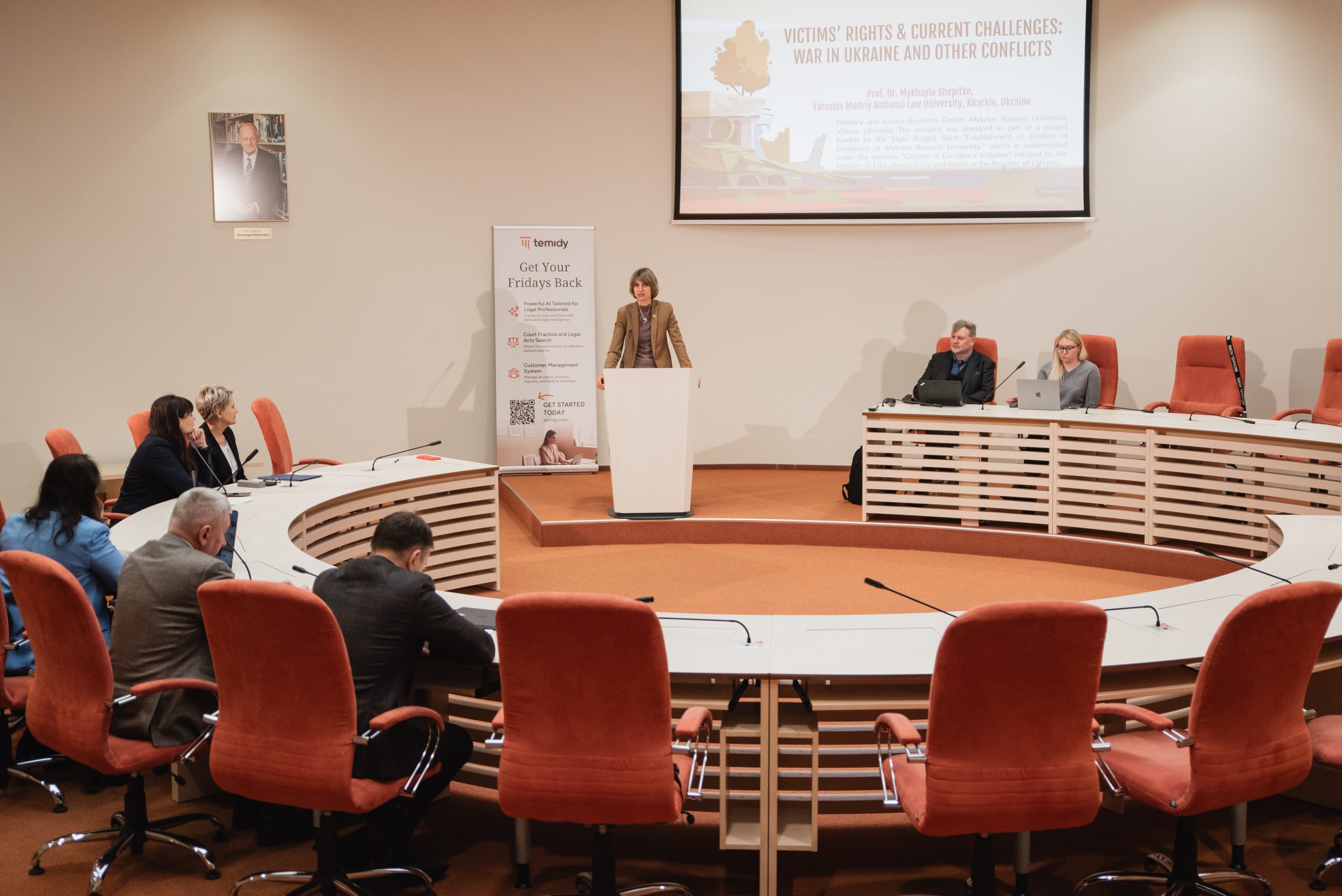
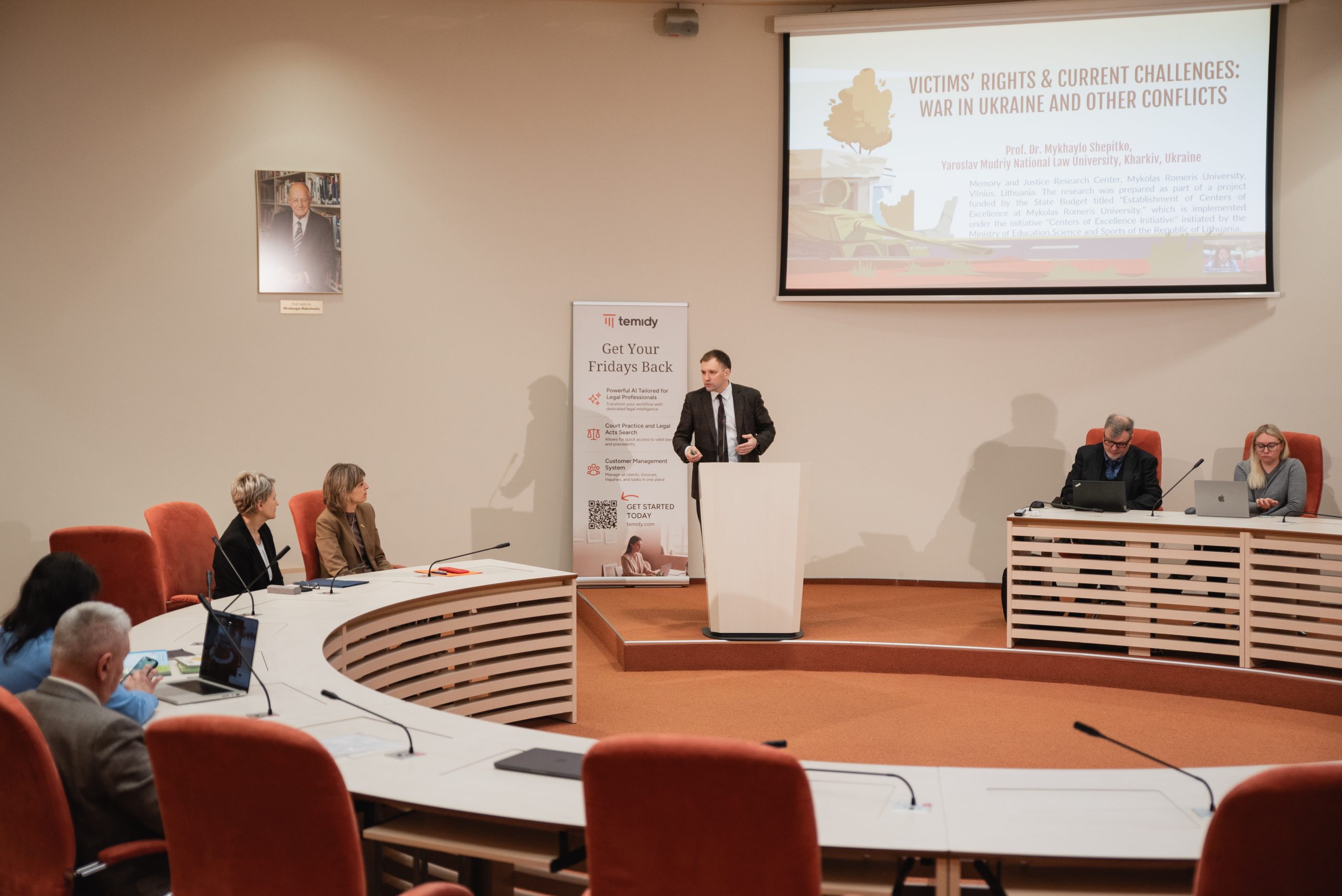
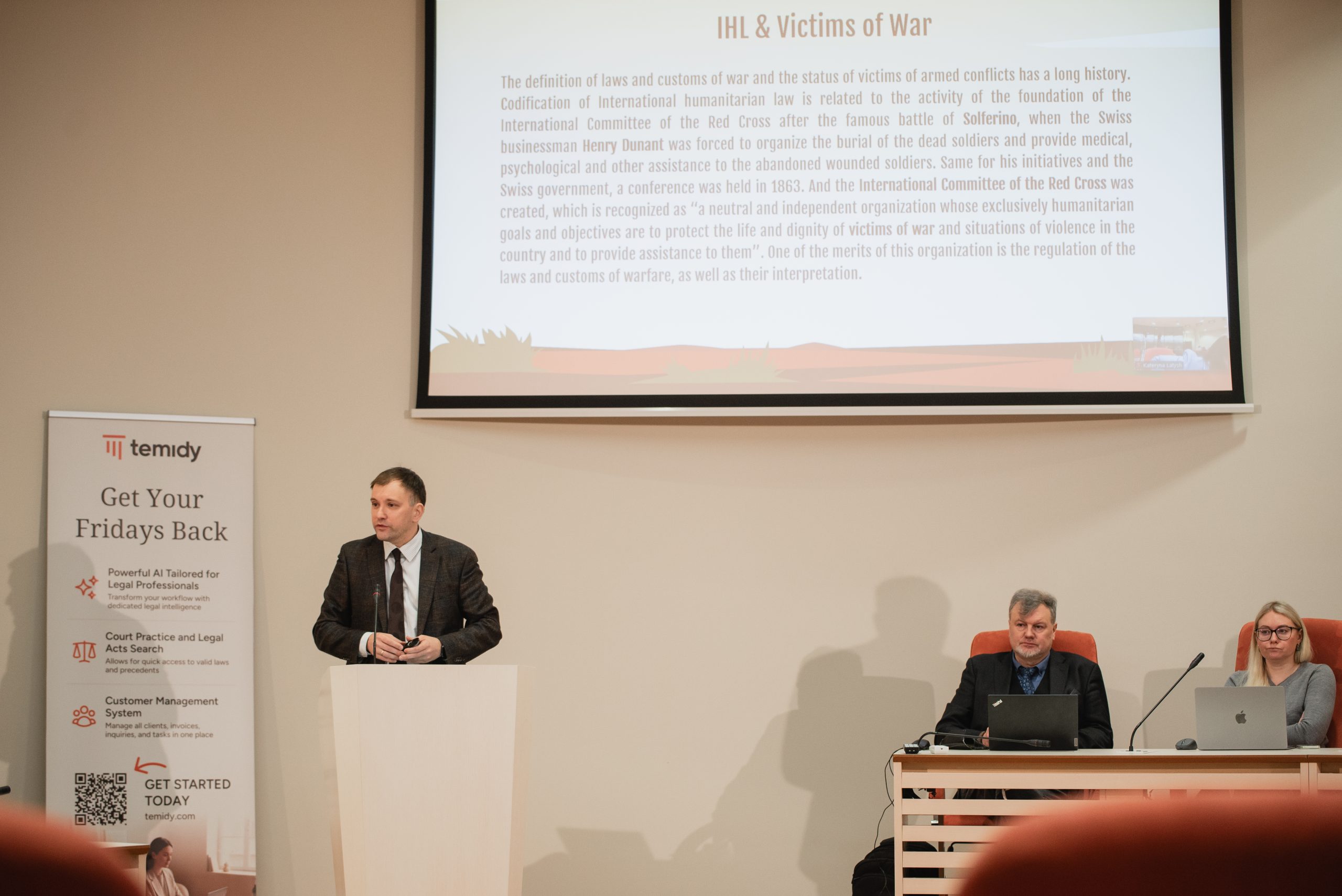
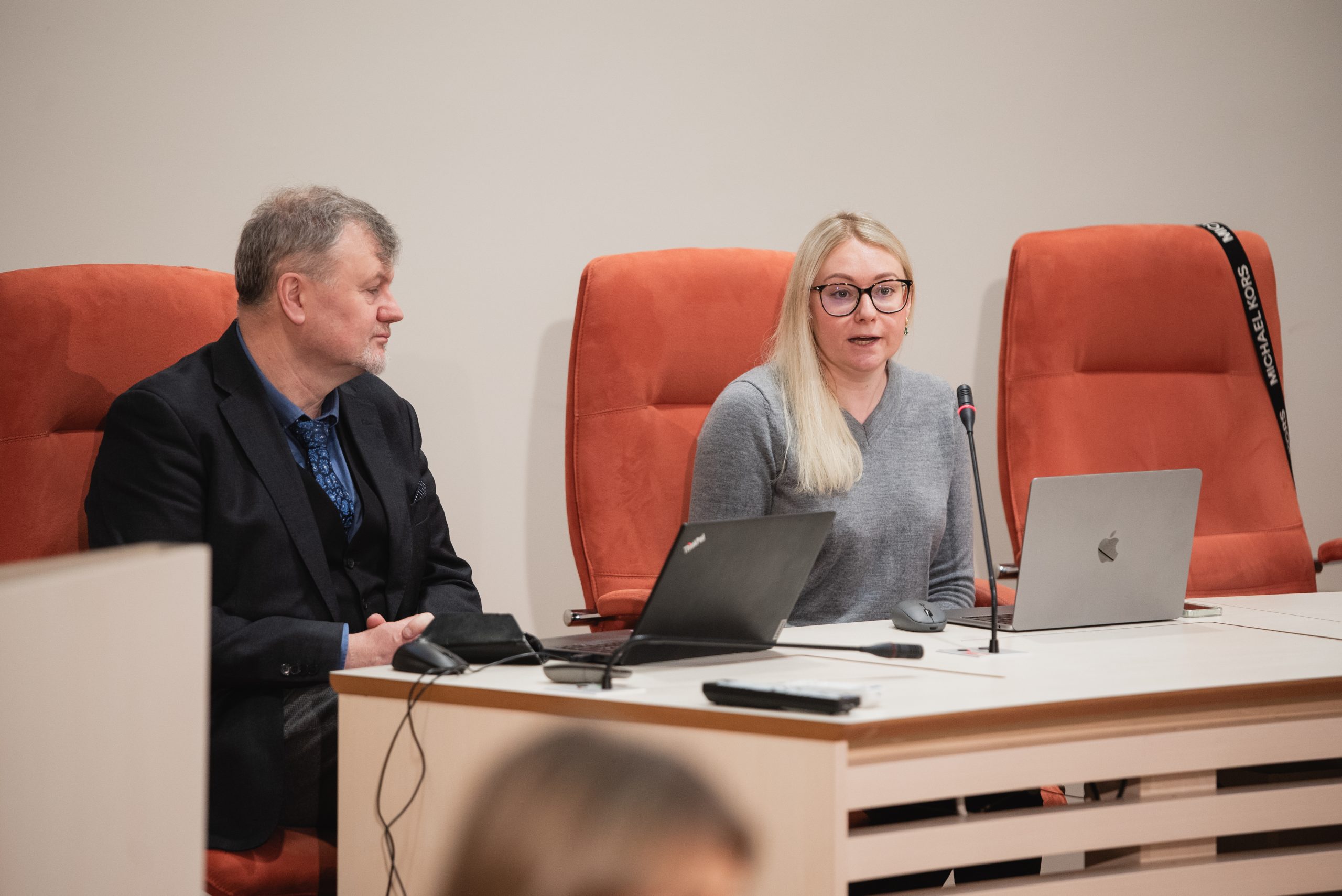
Prof. Dr. Mykhaylo Shepitko (Yaroslav Mudryi National Law University, Ukraine) examined the protection of victims’ rights in international and national law, discussing the Geneva Conventions, the International Criminal Court, and reparations. He observed that “actual protection of victims’ rights in courts is often the exception rather than the rule,” highlighting the importance of witness protection, accountability, and timely justice to prevent renewed conflict.
Lessons from the War in Ukraine and Artificial Intelligence
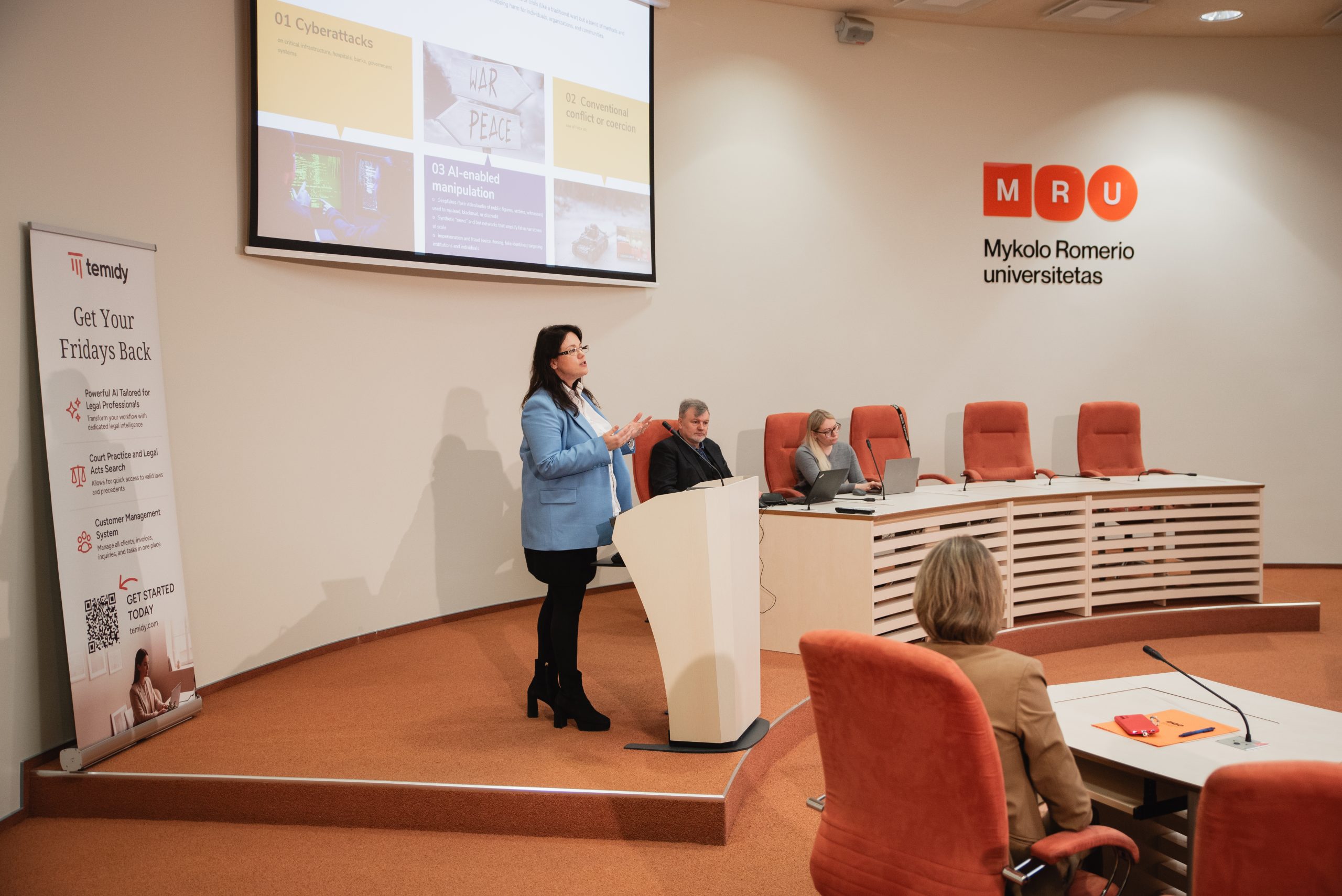
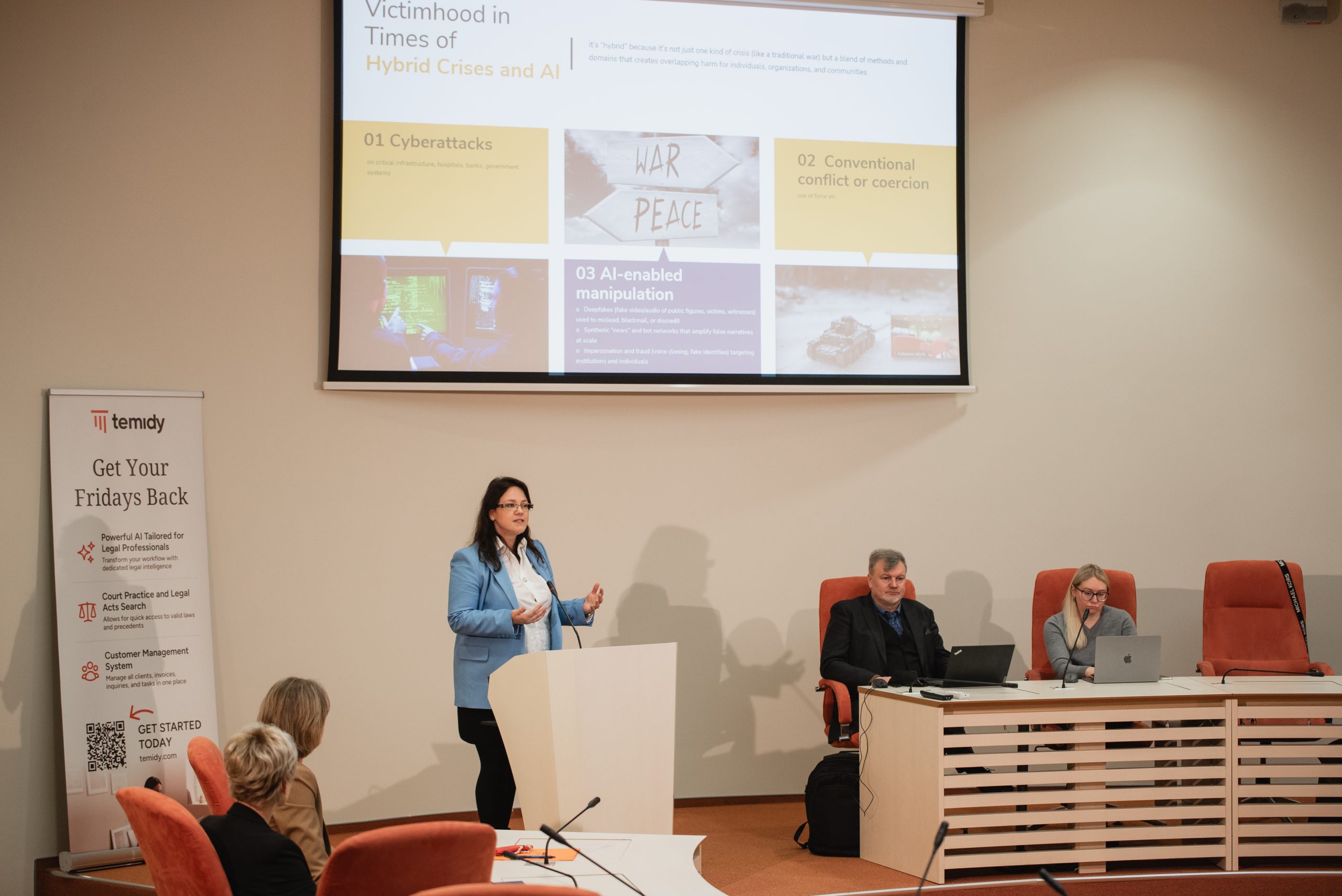
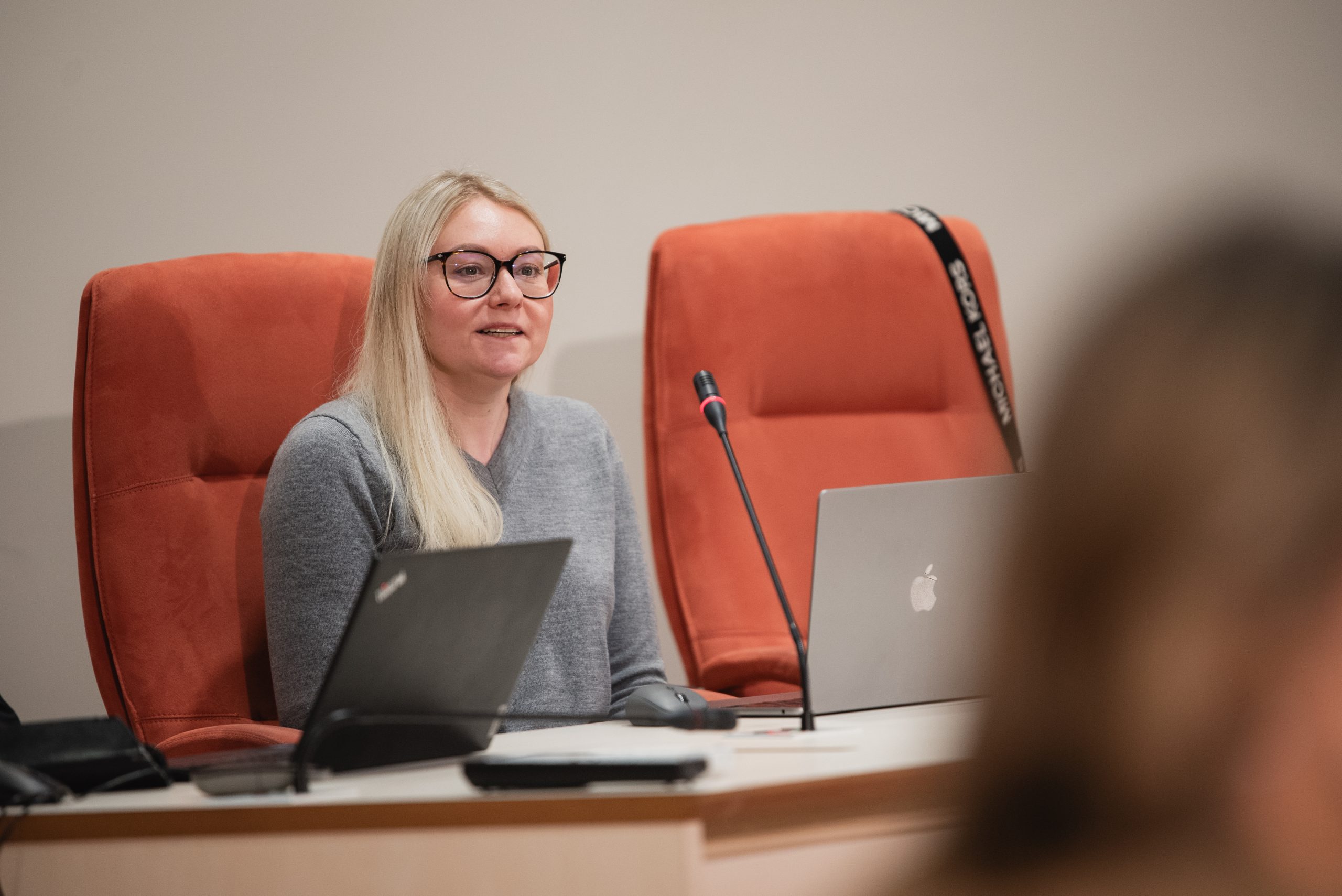
Assoc. Prof. Dr. Kateryna Latysh, Chief Researcher at MRU Human Rights Laboratory, Memory and Justice Research Center, discussed how the concept of victimhood is evolving in the context of hybrid crises and digital transformation, as well as the role of artificial intelligence in investigating crimes, including cyberattacks, propaganda, and deepfake technologies. She emphasized:
“AI cannot investigate crimes, but it can serve as a tool to make separate task faster and more effective.”
This was illustrated by a case in which AI was used to enhance video quality in order to help identify a victim of a war crime. At the same time, she noted that legal regulation continues to lag behind technological development.
Collective Memory and the “Victimhood Olympics”
Dr. Brendan Humphreys (University of Helsinki) analyzed collective victimhood in the Balkans, explaining how national identities are shaped through historical trauma and what he termed “victimhood Olympics,” when nations compete for recognition of suffering. He stressed that identities form through a “dialectic of remembrance and forgetting” and that recognition ultimately depends on knowledge.
Pirates – Creatures of Law or Its Victims?
Dr. Mirosław Michał Sadowski (University of Strathclyde) offered a historical perspective on piracy, showing that pirates once operated with state support as economic and military actors before later being criminalized. His analysis demonstrated how political context and power relations shape whether individuals are labeled criminals or victims.
The Concept of Victim in Criminal Law: Paradoxes and Gaps
Prof. Dr. Viacheslav Tuliakov (National University “Odessa Law Academy”) addressed a structural legal issue: many European criminal codes still lack a clear definition of a victim. Although international norms emphasize that crime primarily harms victims rather than states, this principle is often reflected only in procedural law. He also warned that increased recognition of victims may lead to political instrumentalization of their suffering.
Historical Trauma and Transformations of Victimhood in Eastern Europe
Dr. Monika Rogers (Mykolas Romeris University) examined the evolution of victimhood concepts in the Baltic states, noting that distinct historical experiences produced different legal traditions and approaches to victims’ rights.
Prof. Dr. Marianna Muravyeva (University of Helsinki) argued that authoritarian systems tend to deny victim status when it is politically inconvenient, turning non-recognition into a structural feature of governance.
PhD candidate Yuliya Brin (University of Helsinki) presented a case study of Bosnia and Herzegovina showing that even long after war, victims’ status may remain unclear and justice delayed.
Prof. Dr. Valeriy Shepitko (Yaroslav Mudryi National Law University) highlighted the psychological dimension of war, emphasizing that trauma becomes collective and affects trust in institutions and social cohesion.
More Than an Academic Discussion
The conference concluded with a shared message: in the twenty-first century, victimhood lies at the intersection of geopolitics, law, and technology. It is not only a moral category but also a political argument and a measure of legal responsibility.