
From 14 to 16 October, Vilnius will host the international MCO Annual Conference, “Beyond Resilience: Universities as Active Value-Driven Agents in a Changing World.” Organised by Mykolas Romeris University (MRU) together with the Magna Charta Observatory (MCO), the conference is being held in Lithuania for the first time.
The conference will explore the challenges universities face today and how they can maintain their role in a changing world. The discussion, taking place on 15 October, will bring together representatives of students and young researchers from different countries to share their experiences and perspectives.
Participants include Peter Kwasi Kodjie, former Secretary General of the All-Africa Students’ Union and a member of the MCO Governing Council; Martina Darmanin, former President of the European Students’ Union (ESU) and a member of the MCO Governing Council; Tiago Nogueira, a member of the Global Student Forum Steering Committee; and Ugnė Supranavičienė, President of the MRU Doctoral Students' Association.
U. Supranavičienė will bring the perspective of doctoral candidates and early-career researchers to the discussion. According to her, this part of the academic community is directly connected to the future of universities.
“As President of the MRU Doctoral Students' Association, I represent doctoral candidates and early-career researchers – they will shape the future of universities in the coming decades,” says U. Supranavičienė.
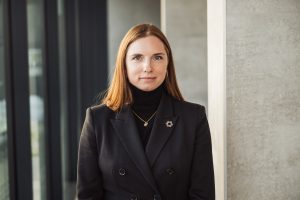
Ugnė Supranavičienė
According to her, it is important that young researchers are not merely recipients of decisions made within universities or beyond them.
“Young researchers must be active participants in shaping how universities respond to societal change, not only recipients of those decisions,” she emphasises.
This perspective is also linked to U. Supranavičienė’s point about protecting academic values and strengthening public trust in science.
“Protecting academic values and strengthening public trust in science are fundamental,” says U. Supranavičienė.
Her participation in the session will bring the perspective of doctoral candidates and young researchers into the conference discussion – those who are already actively involved in university life today while also helping to shape its future.